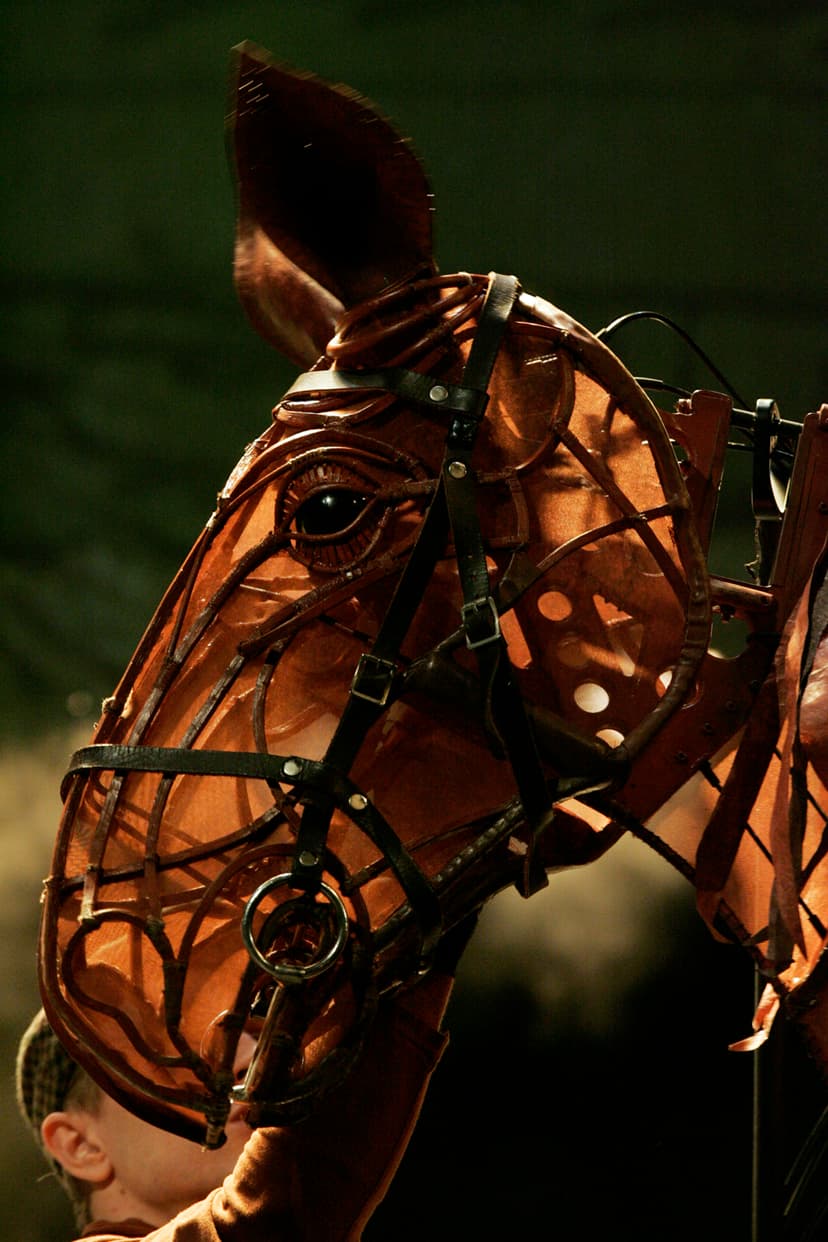
Basil Jones
Legend of Dance
Why They Matter
Basil Jones matters to dance because Handspring's puppets only become legible through choreographed human attention. The company's innovations made breathing, weight transfer, gaze and group timing as consequential for an object as for a dancer. Jones's executive, educational and dramaturgical…
Known For
Watch
The genius puppetry behind War Horse
TED
Jones and Kohler explain and demonstrate the movement ideas behind Handspring's animal puppetry.
Breathing Puppets | With Handspring Theatre Company
National Theatre
A concise institutional demonstration of breath as the first cue of puppet life.
The Making of Little Amal by Handspring Puppet Company
The Walk
Shows the collaborative making and operating challenges of Handspring's later large-scale public puppet.
Biography
Basil Jones is a South African puppeteer, theater director and visual artist who co-founded Handspring Puppet Company and helped establish puppetry as a serious dramatic language in contemporary theater. Born in Kimberley in 1951, Jones studied fine art at the University of Cape Town's Michaelis School of Fine Art, graduating in 1974, where he met Adrian Kohler, who became his artistic collaborator and husband. His training in drawing and visual construction shaped a career in which image, object, craft and movement would remain inseparable.
In 1981 Jones and Kohler founded Handspring Puppet Company in Cape Town with fellow Michaelis graduates Jill Joubert and Jon Weinberg. The company began with original plays for children across southern Africa, then shifted toward adult theater in 1985. Working in apartheid South Africa, Handspring addressed political, social and queer themes through puppetry, establishing the form as a serious vehicle for adult drama rather than children's entertainment.
Jones also treated puppetry as a tool for education and community development. In 1990 he established the nonprofit Handspring Trust, which produced *Spider's Place*, a science-education multimedia project for young learners from disadvantaged communities. Later Trust initiatives used puppet making, street parades and performance to support youth development in urban townships and rural areas.
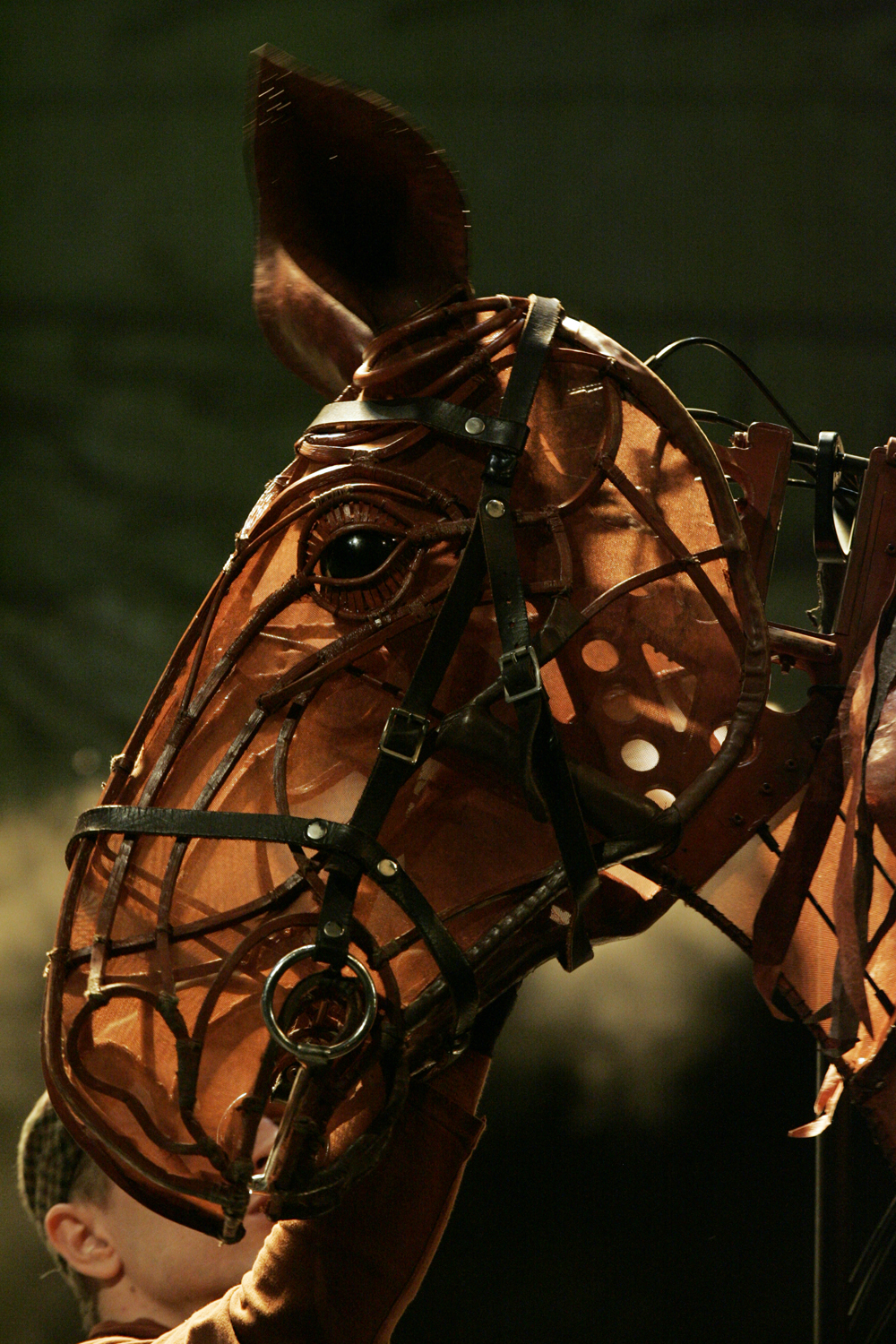
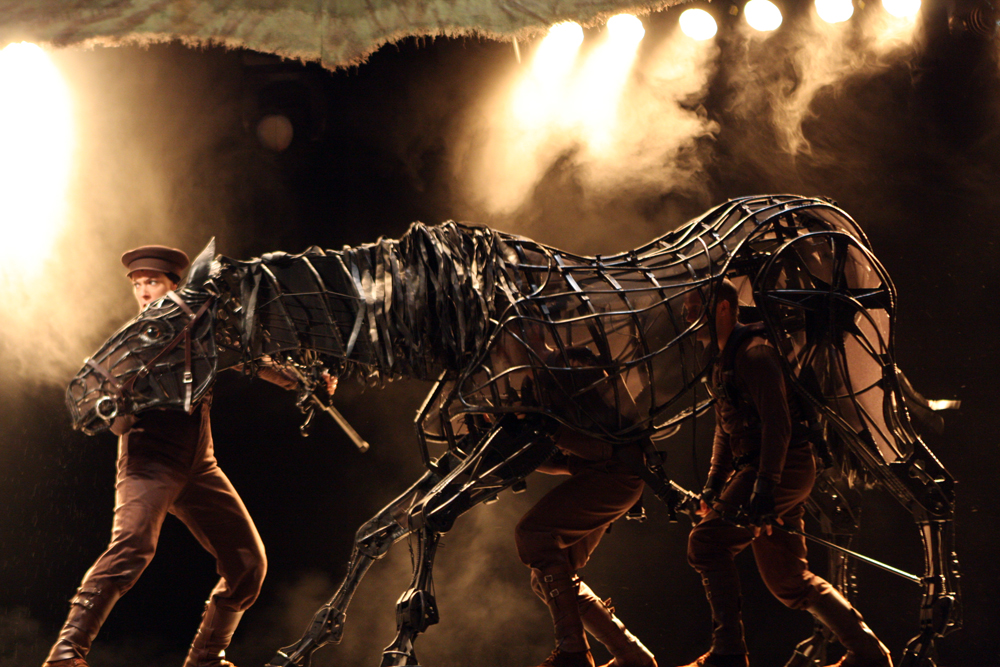
Handspring's artistic reputation grew through unusually close collaborations with other artists. *Woyzeck on the Highveld* and *Ubu and the Truth Commission* joined the company's puppetry to William Kentridge's animation and direction; Jane Taylor wrote *Ubu and the Truth Commission* drawing on testimony from South Africa's Truth and Reconciliation Commission. These works demonstrated how an object could carry political memory while remaining visibly dependent on human operators. International recognition expanded dramatically with the National Theatre's *War Horse*, which premiered in London in 2007. Handspring designed and fabricated the life-size horse puppets, operated by teams of three visible performers. Puppet design and direction came from Jones and Kohler, while Marianne Elliott and Tom Morris directed the production, Rae Smith designed sets, and Toby Sedgwick created movement and horse choreography. Success depended on this collective system of craft, training and ensemble coordination.
Jones and Kohler received a Special Tony Award in 2011 and honorary doctorates from the University of Cape Town in 2012. Their later work included Handspring's contribution to Little Amal, the 3.5-meter puppet of a displaced Syrian girl whose public journey began in 2021, with Jones credited for management coordination alongside a large named team of makers and costume artists. In 2023 the University of Toronto awarded Jones and Kohler honorary Doctor of Laws degrees for artistic innovation, social justice and community work.
Career Highlights
Born in Kimberley, South Africa. Constitutional Court Art Collection
Graduated from the Michaelis School of Fine Art at the University of Cape Town. University of Cape Town
Co-founded Handspring Puppet Company with Adrian Kohler, Jill Joubert and Jon Weinberg. Handspring Puppet Company
Handspring shifted into adult theater with Episodes of an Easter Rising, engaging queer and anti-apartheid themes. Handspring Puppet Company
Established Handspring Trust and developed the educational multimedia project Spider's Place. HowlRound
Handspring collaborated with William Kentridge and Jane Taylor on Ubu and the Truth Commission. World Encyclopedia of Puppetry Arts
War Horse, with Handspring's life-size horse puppets, premiered at London's National Theatre. University of Toronto
Jones and Kohler received a Special Tony Award for their work on War Horse. Tony Awards acceptance video
Jones and Kohler received honorary Doctor of Literature degrees from the University of Cape Town. University of Cape Town
Handspring's Little Amal began her public journey; Jones is credited with management coordination. The Walk
The University of Toronto awarded Jones and Kohler honorary Doctor of Laws degrees. University of Toronto
Gallery

Legacy & Impact
Jones matters to contemporary dance because Handspring's puppets become legible through choreographed human attention. The company's innovations made breath, weight transfer, gaze and group timing as consequential for an object as for a dancer. Jones's executive, educational and dramaturgical leadership helped build the institutions and practices through which designers, makers and performers could produce theater that reaches audiences globally. His legacy is both aesthetic and structural: a broadened idea of what can move, who authors movement, and how collaborative technique can generate empathy.
Explore More Legends
Discover the dancers, teachers, choreographers, and cultural icons who shaped how the world moves.
Keep the thread going
Dance history, technique, and the occasional rabbit hole — in your inbox. Thoughtful, infrequent, unsubscribe anytime.
Free. No spam. One click to leave.