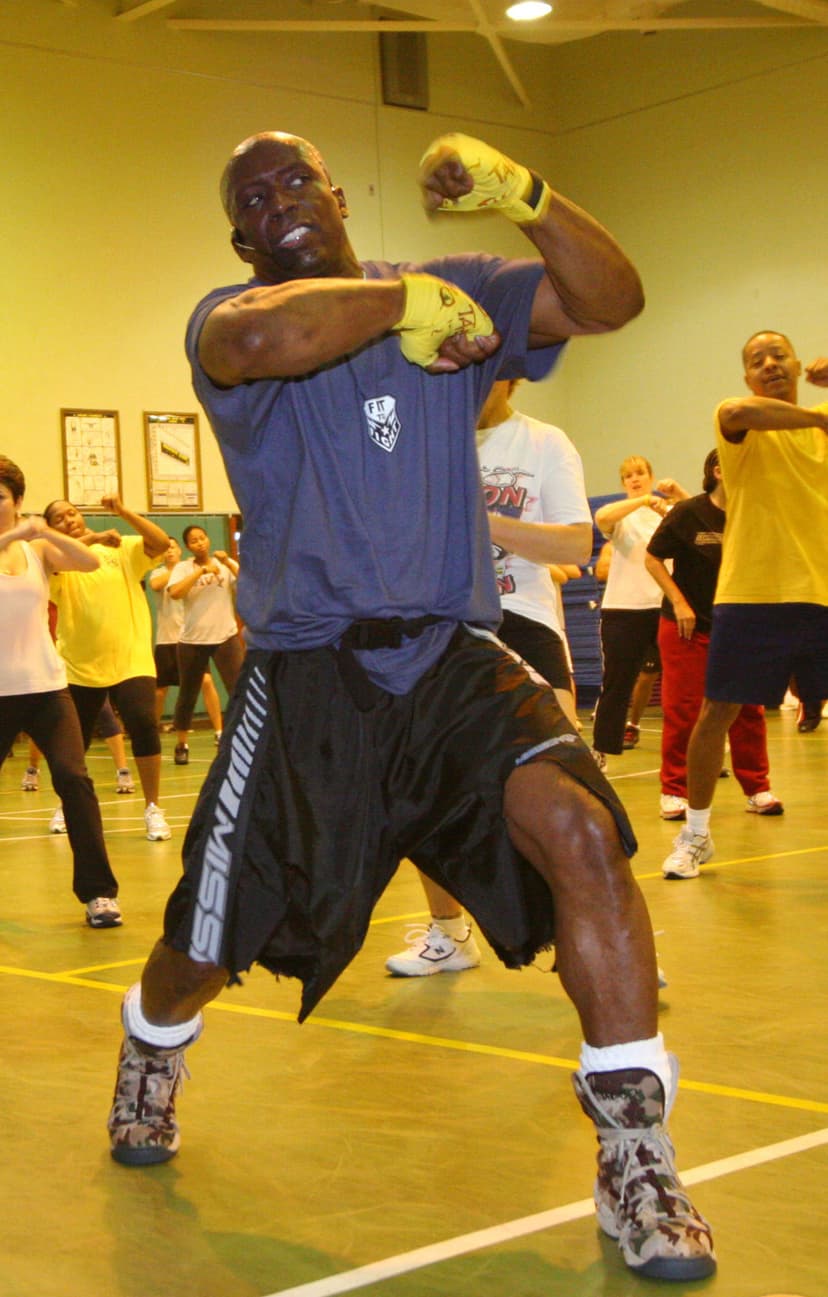
Billy Blanks
Legend of Dance
Why They Matter
Blanks matters to dance and movement history because Tae Bo placed rhythmically organized, demonstrator-led movement at the center of late-twentieth-century home fitness. Its vocabulary came primarily from martial arts, boxing, and calisthenics, but its musical pacing, unison repetition, and…
Known For
Watch
TAE BO BEST WORKOUT (Fit Sculpt)
Billy Blanks / Tae Bo Reboot
The official Tae Bo Reboot biography embeds this exact video, making it a first-party demonstration of Blanks's current instructional presentation.
Biography
William Wayne "Billy" Blanks was born on September 1, 1955, in Erie, Pennsylvania. Growing up in a large family and struggling with dyslexia in school, Blanks found confidence through physical training, beginning martial-arts study at about age eleven. That early discipline shaped the teaching approach he would later bring to fitness instruction, linking bodily skill with self-belief and structured practice.
Blanks became an elite American karate competitor, earning a bronze medal for the United States in men's open kumite at the 1981 World Games in Santa Clara. During the late 1970s and 1980s, he developed the workout method that would become Tae Bo by combining martial-arts and boxing vocabulary with aerobic exercise and music. According to a 1999 *Los Angeles Times* profile, Blanks reported that the Tae-Bo name was trademarked in 1982 and that he opened a studio in Sherman Oaks in 1989. The format was designed as non-contact group exercise, with students repeating punches, kicks, steps, and conditioning patterns to continuous rhythmic flow rather than engaging in combat.
Tae Bo reached mass audiences through video sets that entered infomercial and retail distribution in 1998. By March 1999, the *Los Angeles Times* reported an estimated 1.5 million sets sold and roughly $75 million in gross sales, while noting commercial disputes surrounding the rollout. The phenomenon revived a declining exercise-video market and brought martial-arts-inspired aerobic movement into living rooms at unprecedented scale. Blanks also worked as an actor and martial-arts screen performer, but Tae Bo made him a household name.
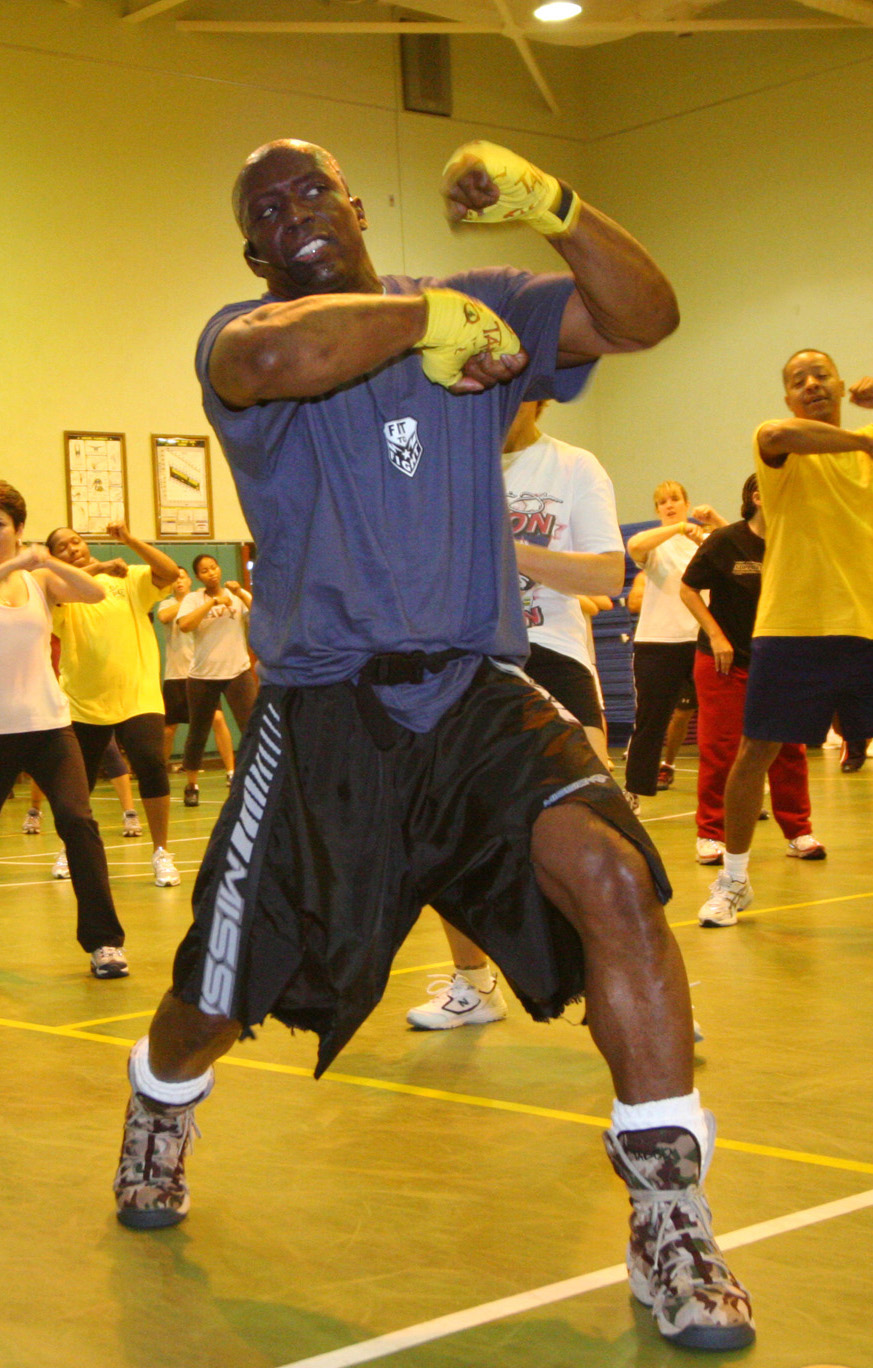
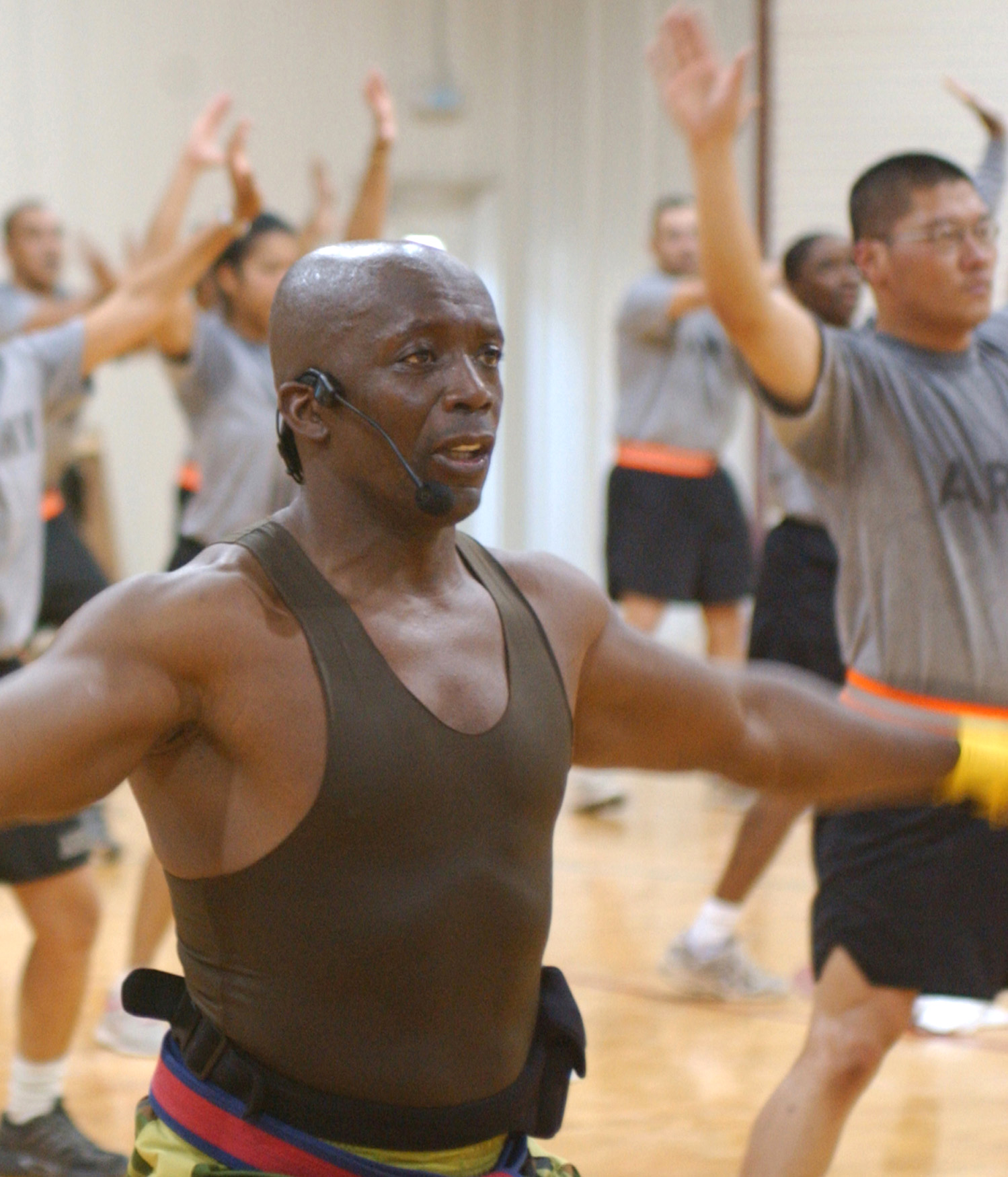
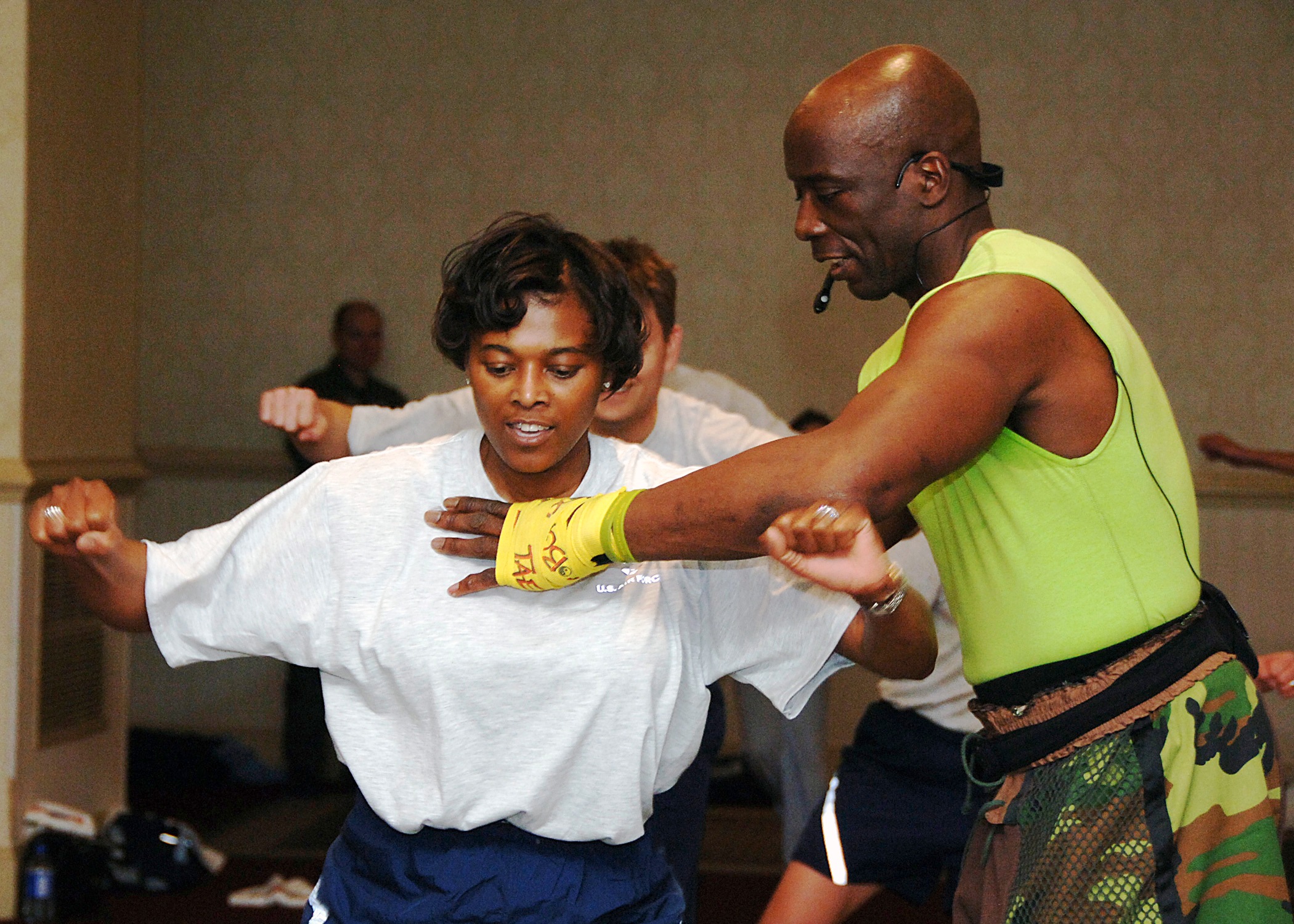
Blanks continued teaching after Tae Bo's peak-media moment. In 2006 he led large exercise sessions for U.S. service members and families in Japan and Iraq, moments documented in public-domain military photographs. A 2016 *Sports Illustrated* profile found him still teaching in California and described the format as boxing, karate, calisthenics, and music-led exercise. In 2024, Blanks told *People* that he remained active as a teacher and was extending Tae Bo into virtual classes and a Tae Bo Reboot platform, showing the system as a maintained teaching practice rather than only a 1990s media artifact.
Career Highlights
Born September 1 in Erie, Pennsylvania. Source Source
At about eleven, began martial-arts training; the exact start date is derived from his reported age and should be treated as approximate. Source Source
Won bronze for the United States in men’s open kumite at the World Games in Santa Clara. Source Source
Reported that the Tae-Bo name was trademarked; this is a contemporary press account of his claim, not a trademark-record audit. Source Source
Opened a studio in Sherman Oaks, California, according to the Los Angeles Times chronology. Source Source
Tae Bo video sets entered mass-market infomercial and retail distribution. Source Source
An estimated 1.5 million video sets had sold by March, with reported gross sales around $75 million. Source Source
Led documented Tae Bo sessions for military communities in Okinawa and Baghdad. Okinawa, Baghdad Okinawa
Continued teaching Tae Bo in Dana Point, California, as profiled by Sports Illustrated. Source Source
Confirmed that he was still teaching while extending Tae Bo through online and virtual-reality formats. Source Source
Official Tae Bo Nation and Tae Bo Reboot sites continued to present Blanks as an active coach and program leader as of August 3. Tae Bo Nation, Tae Bo Reboot Tae Bo Nation
Gallery
Legacy & Impact
Blanks matters to movement history because Tae Bo placed rhythmically organized, demonstrator-led movement at the center of late-twentieth-century home fitness. Its vocabulary drew from martial arts, boxing, and calisthenics, but its musical pacing, unison repetition, and charismatic cueing connected studio aerobics, popular media, and performance presentation. By making forceful whole-body movement accessible without competitive martial-arts entry, and by centering the instructor's on-camera presence, Blanks shaped how millions experienced structured fitness and showed that martial-arts vocabulary could reach audiences far beyond the dojo.
Explore More Legends
Discover the dancers, teachers, choreographers, and cultural icons who shaped how the world moves.
Keep the thread going
Dance history, technique, and the occasional rabbit hole — in your inbox. Thoughtful, infrequent, unsubscribe anytime.
Free. No spam. One click to leave.