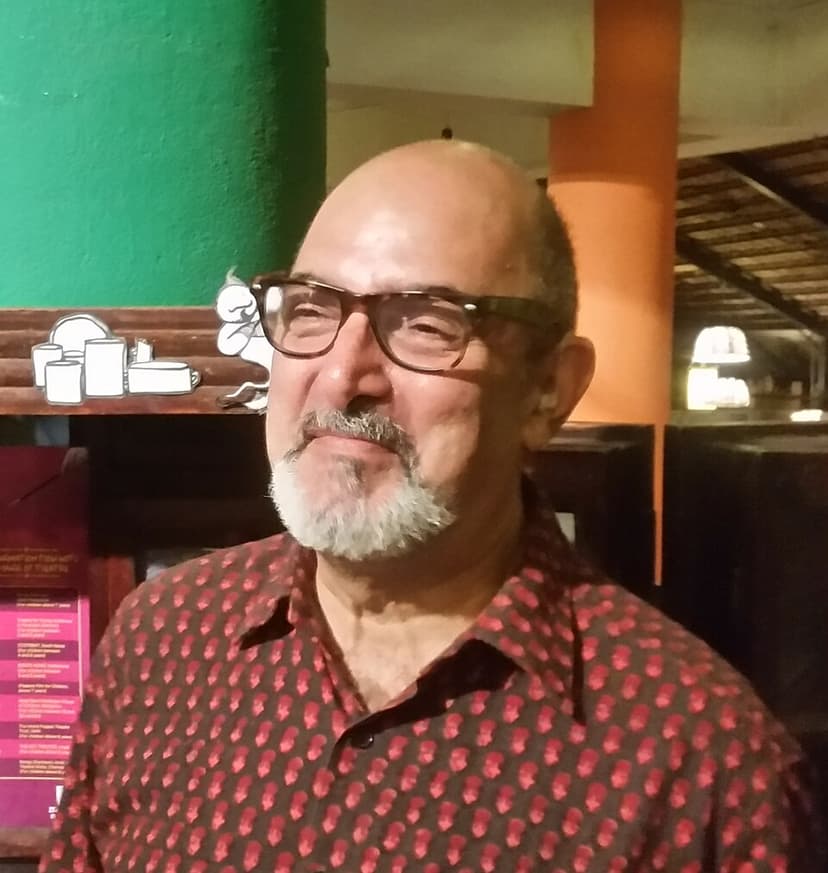
Dadi Pudumjee
Legend of Dance
Why They Matter
Pudumjee matters to dance and movement history because his theatre makes manipulation visible as coordinated choreography. Puppet and performer share weight, rhythm and focus; the figure may extend the actor's body or require several bodies to create one apparent life. Equally important, he built…
Known For
Biography
Dadi Dorab Pudumjee, born in Pune in 1951, is a central figure in modern Indian puppetry who has shaped both performance practice and the institutional structures that sustain it. After studying design and puppetry in Ahmedabad under the influential puppeteer Meher Contractor at Darpana Academy, Pudumjee expanded his training internationally, studying in Stockholm with Michael Meschke and encountering Bunraku ensemble practice in workshops led by Minosuke Yoshida. These experiences connected Indian training, European institutional puppetry and Japanese manipulation techniques.
Returning to India around 1980, Pudumjee became the founding artistic director of Sutradhar Puppet Theatre at New Delhi's Shri Ram Centre. This repertory brought traditional performers and modern theatre makers into sustained professional ensemble work, treating puppetry as a serious contemporary art rather than only an occasional children's attraction or isolated traditional form. In 1986 he established Ishara Puppet Theatre, now the Ishara Puppet Theatre Trust, which developed productions using rod, shadow, object and large-scale figures, sometimes attaching semi-sculptural forms to visible performers. The company became known for cross-cultural collaboration with puppeteers, actors and dancers, while also developing educational workshops and projects addressing HIV/AIDS awareness and substance use.
Pudumjee's influence extended through cultural infrastructure and international networks. Ishara's international festival brought Indian and overseas puppet companies to Delhi, creating circulation and exchange. His leadership in UNIMA, the international puppetry organization, began with a vice-presidency from 1992 to 2004. In 2008 he was elected international president—UNIMA's first non-European president—and was later named President of Honour. His public recognition includes the 1992 Sangeet Natak Akademi Award for puppetry and India's Padma Shri in 2011, acknowledging both his craft as a director and designer and his work building the field itself.
Career Highlights
Received a scholarship to study puppetry in Stockholm under Michael Meschke. India International Centre India International Centre
Became founding artistic director of the Sutradhar Puppet Theatre in New Delhi. UNIMA-USA UNIMA-USA
Established Ishara Puppet Theatre, later the Ishara Puppet Theatre Trust. World Encyclopedia of Puppetry Arts World Encyclopedia of Puppetry Arts
Received the Sangeet Natak Akademi Award for contribution to puppetry. Sangeet Natak Akademi Sangeet Natak Akademi
Began a term as vice-president of UNIMA International, serving through 2004. UNIMA biography UNIMA biography
Elected president of UNIMA International, the organization's first non-European president. UNIMA India UNIMA India
Received the Padma Shri in the field of art. Government of India Padma Awards Government of India Padma Awards
The Ishara International Puppet Theatre Festival reached its fifteenth season. UNIMA biography UNIMA biography
Was publicly identified by UNIMA as President of Honour. UNIMA UNIMA
Gallery
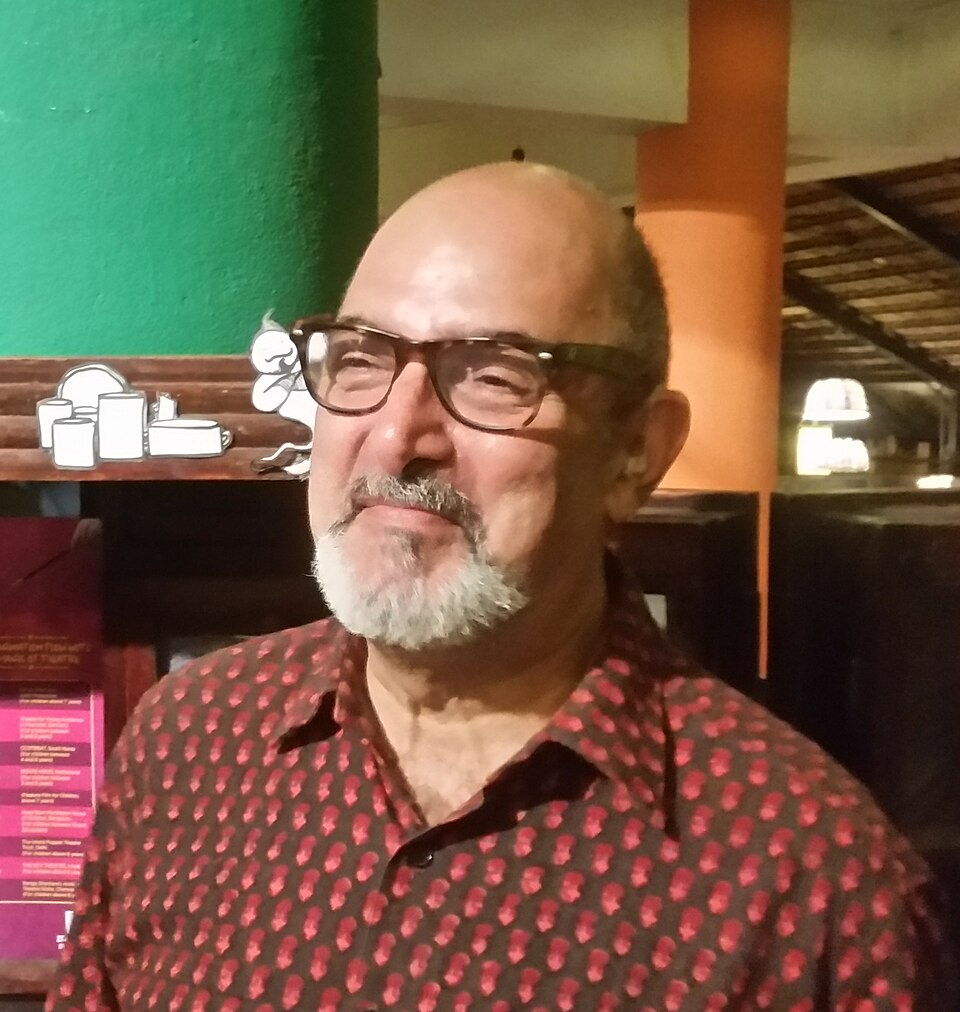
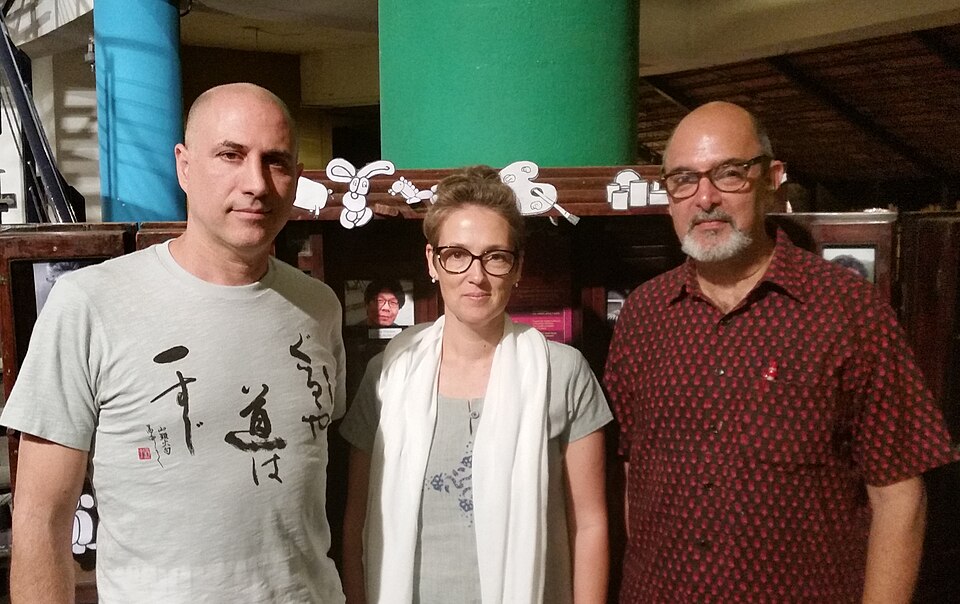
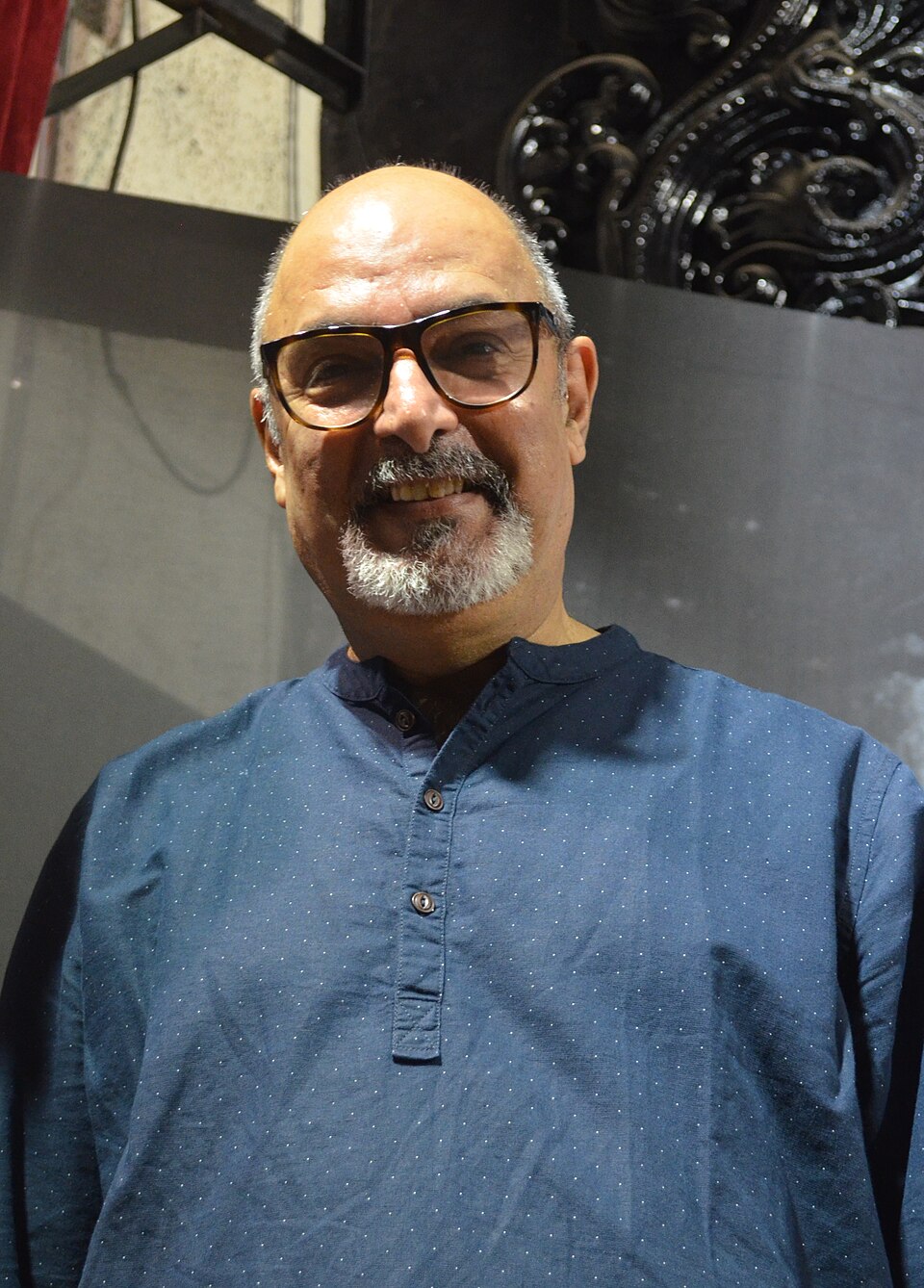
Legacy & Impact
Pudumjee's significance to dancers and movement artists lies in how his theatre makes manipulation visible as coordinated choreography. Puppet and performer share weight, rhythm and focus; the figure may extend the actor's body or require several bodies to create one apparent life. Equally, he built organizations—repertory, trust, workshops, festival and international networks—that allowed contemporary puppetry in India to circulate, train new practitioners and converse with traditional forms without replacing them. His example shows how puppetry engages embodied collaboration and sustained ensemble work.
Explore More Legends
Discover the dancers, teachers, choreographers, and cultural icons who shaped how the world moves.
Keep the thread going
Dance history, technique, and the occasional rabbit hole — in your inbox. Thoughtful, infrequent, unsubscribe anytime.
Free. No spam. One click to leave.