Earl Snakehips Tucker
Legend of Dance
Why They Matter
Tucker matters because authenticated screen fragments reveal a Black vernacular soloist translating social-dance material into a highly individualized theatrical practice at a formative moment for sound film and Harlem nightlife. His documented appearances connect club performance, jazz rhythm, and
Known For
Biography
Earl Tucker, billed as Earl "Snakehips" Tucker, was an African American nightclub and film dancer who became known in Harlem during the 1920s for a highly articulated solo style centered on the snakehips—a vocabulary of mobile hips and supple, segmented torso movement. His birth remains uncertain: the Kennedy Center records August 14, 1906, in Baltimore, while other sources date it to 1905 in Maryland. What is clear is that Tucker built his reputation around a personal rendering of this movement form and performed at major Harlem venues including Connie's Inn and the Cotton Club, where period publicity dubbed him the "Human Boa Constrictor."
Tucker's career is partially preserved through film, which captured performances that would otherwise have disappeared into the ephemeral world of nightclub entertainment. In 1930, credited as "Snake Hips," he appeared in the short *Crazy House*, performing a compact solo displaying isolated hip circles, rippling changes through the spine, and elastic shifts of weight. In 1935, he performed in *Symphony in Black—A Rhapsody of Negro Life*, a Paramount short structured around Duke Ellington's music and featuring Billie Holiday alongside him.
These film appearances remain the most authenticated record of Tucker's dancing and artistry. His career ended abruptly on May 14, 1937, when he died in New York City; contemporary accounts described the cause only as a "mysterious illness." His early death and the small amount of surviving footage have contributed to his legacy being often compressed into a nickname, even as the films demonstrate an artist with precise rhythmic control and a deliberately constructed stage identity.
Career Highlights
Became known in Harlem for a highly articulated snakehips solo style and appeared at major entertainment venues including Connie’s Inn and the Cotton Club. Kennedy Center
Established the billing “Snakehips” and “Human Boa Constrictor,” turning a movement specialty into a legible stage persona. Kennedy Center
Sat for a studio portrait now held by the Schomburg Center for Research in Black Culture, evidence of his public profile at the turn of the decade. New York Public Library
Appeared as “Snake Hips” in the short film Crazy House, leaving one of the clearest surviving records of his solo dancing. Kennedy Center
Extended his reputation beyond Harlem through Broadway and Paris engagements reported in later obituary research. Business Standard republication of the *New York Times* profile
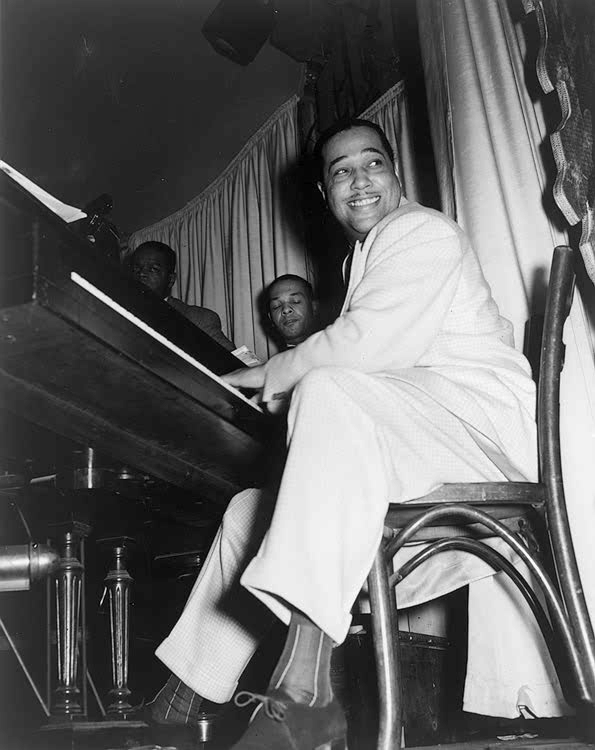
Performed in Symphony in Black—A Rhapsody of Negro Life with Duke Ellington and Billie Holiday; the Library of Congress catalog names Tucker in the cast. Library of Congress
Died in New York City on May 14 at approximately thirty or thirty-one years old, depending on which birth year is accepted. American National Biography
Gallery
Legacy & Impact
Tucker matters because his authenticated screen fragments reveal a Black vernacular soloist translating social-dance material into a highly individualized theatrical practice at a formative moment for sound film and Harlem nightlife. His documented appearances connect club performance, jazz rhythm, and early Black screen presence. The strongest legacy is not a direct lineage to later performers, but that Tucker's films preserve a sophisticated, named example of isolations and torso articulation decades before those qualities became part of mainstream commercial-dance language.
Explore More Legends
Discover the dancers, teachers, choreographers, and cultural icons who shaped how the world moves.
Keep the thread going
Dance history, technique, and the occasional rabbit hole — in your inbox. Thoughtful, infrequent, unsubscribe anytime.
Free. No spam. One click to leave.