Ip Man
Legend of Dance
Why They Matter
Ip Man matters because he created a durable teaching ecology. Rather than merely preserving a personal fighting method, he trained a network whose schools, associations, books and films carried Wing Chun across languages and borders. His name now anchors debates about authenticity, adaptation and…
Known For
Biography
Ip Man (葉問), born Ip Kai-man in Foshan, Guangdong in 1893, was a Wing Chun teacher whose Hong Kong network transformed one regional Chinese martial lineage into a global practice. Family and lineage accounts trace his training to Chan Wah-shun and Ng Chung-sok in Foshan, with later study in Hong Kong; the exact sequence and ages of these encounters vary across tellings. After schooling, he returned to Foshan, where he worked in public security and taught a limited circle rather than operating a public commercial school.
When Ip left mainland China in 1949 and settled in Hong Kong, his role shifted fundamentally. He began teaching through networks associated with restaurant workers, then moved classes as his student base grew. This period converted Wing Chun from a relatively private Foshan lineage into a reproducible urban school culture: students trained forms and chi sau together, tested interpretations, and eventually opened schools of their own.
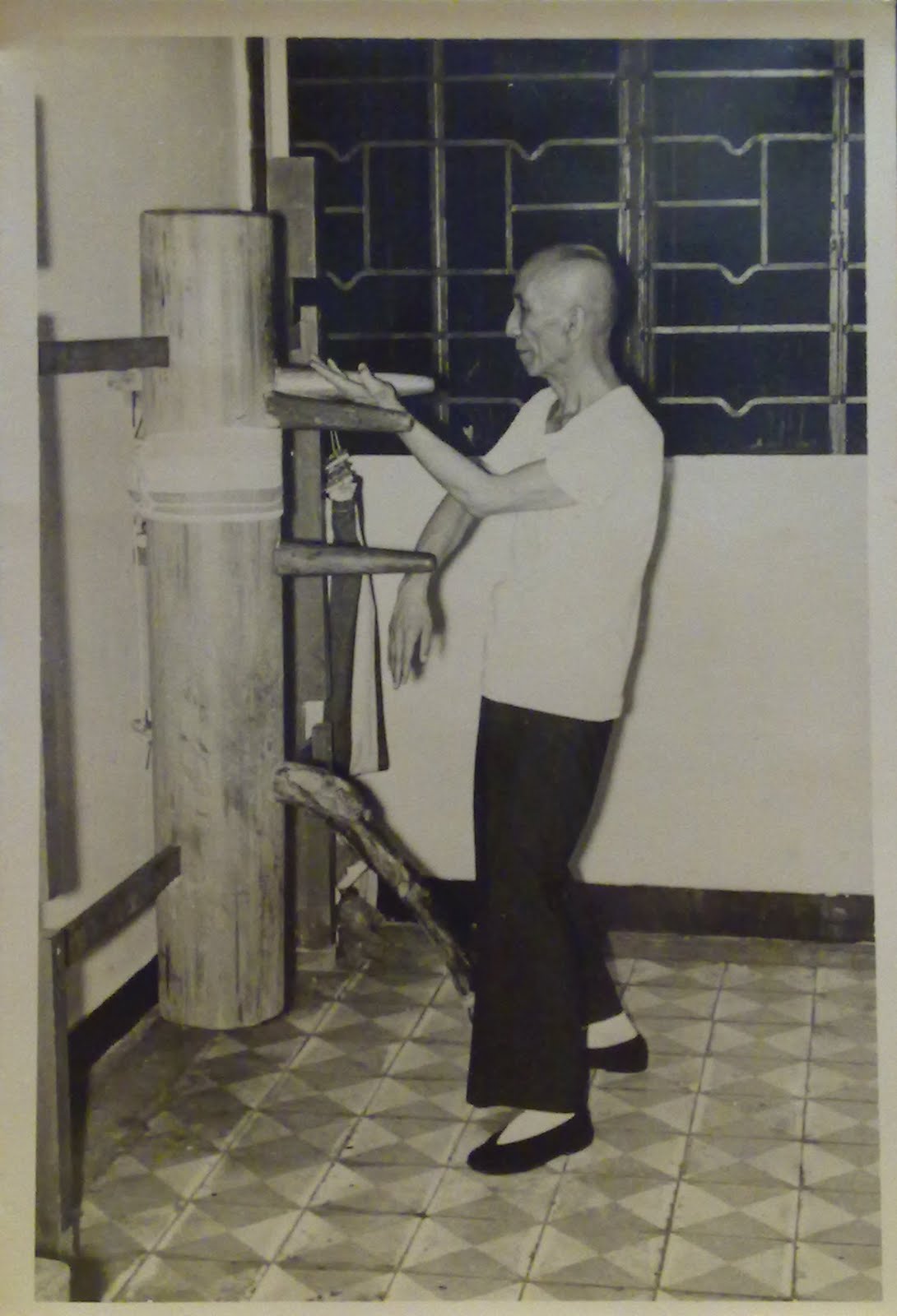
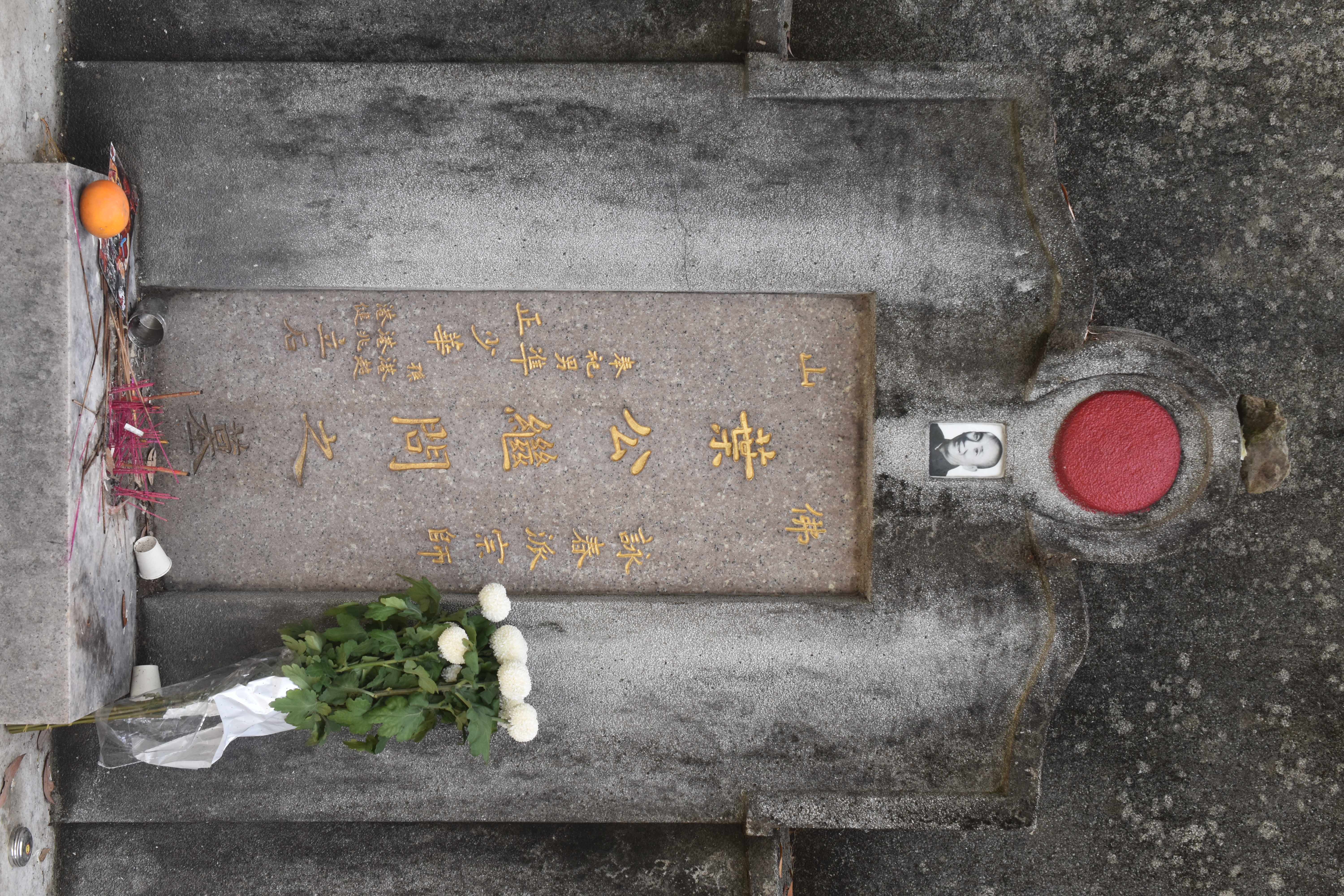
Ip's Hong Kong pupils included Leung Sheung, Lok Yiu, Wong Shun-leung, Chu Shong-tin, Moy Yat and his sons Ip Chun and Ip Ching. Bruce Lee studied in this network as a teenager before moving to the United States; the international careers of these students and their students gave Ip's branch unusual reach. In 1967, Ip and senior students established the Ving Tsun Athletic Association in Hong Kong, providing an institutional home beyond a single teacher's class and remaining a central reference point for his lineage. Ip died in Mong Kok, Kowloon on 2 December 1972, with short films made late in his life preserving portions of his forms.
His posthumous fame expanded dramatically through Hong Kong cinema, especially fictionalized films starring Donnie Yen and Wong Kar-wai's *The Grandmaster*. Those works turned Ip into a symbol of disciplined southern Chinese identity, but their plots, fights and wartime episodes are artistic constructions rather than documentary evidence.
Career Highlights
Born in Foshan, Guangdong, on 1 October. biographical reference summary biographical reference summary
Began Wing Chun study in Foshan under Chan Wah-shun and Ng Chung-sok; exact starting age varies by account. South China Morning Post South China Morning Post
Returned to Foshan after schooling in Hong Kong and entered a period of public-security work and private teaching. biographical reference summary biographical reference summary
Left Foshan amid the Chinese Civil War and traveled through Macau to Hong Kong. South China Morning Post South China Morning Post
Began the Hong Kong teaching period that produced his most influential student network. Chinese Martial Studies Chinese Martial Studies
Bruce Lee entered Ip's Hong Kong Wing Chun circle as a teenager. South China Morning Post South China Morning Post
Co-founded the Ving Tsun Athletic Association with senior students. Ving Tsun Athletic Association Ving Tsun Athletic Association
Recorded late-life demonstrations of core material and died in Hong Kong on 2 December. biographical reference summary biographical reference summary
The Ip Man Tong memorial museum opened in Foshan, reflecting his institutionalized legacy. Nim Tao Wing Chun account Nim Tao Wing Chun account
Gallery
Legacy & Impact
Ip Man matters because he created a durable teaching ecology. Rather than merely preserving a personal fighting method, he trained a network whose schools, associations and films carried Wing Chun across languages and borders. His name now anchors debates about authenticity and adaptation in Chinese martial arts, while his forms remain a shared movement vocabulary practiced worldwide by thousands of students and teachers.
Explore More Legends
Discover the dancers, teachers, choreographers, and cultural icons who shaped how the world moves.
Keep the thread going
Dance history, technique, and the occasional rabbit hole — in your inbox. Thoughtful, infrequent, unsubscribe anytime.
Free. No spam. One click to leave.