Innovator · Performer · Stage Icon
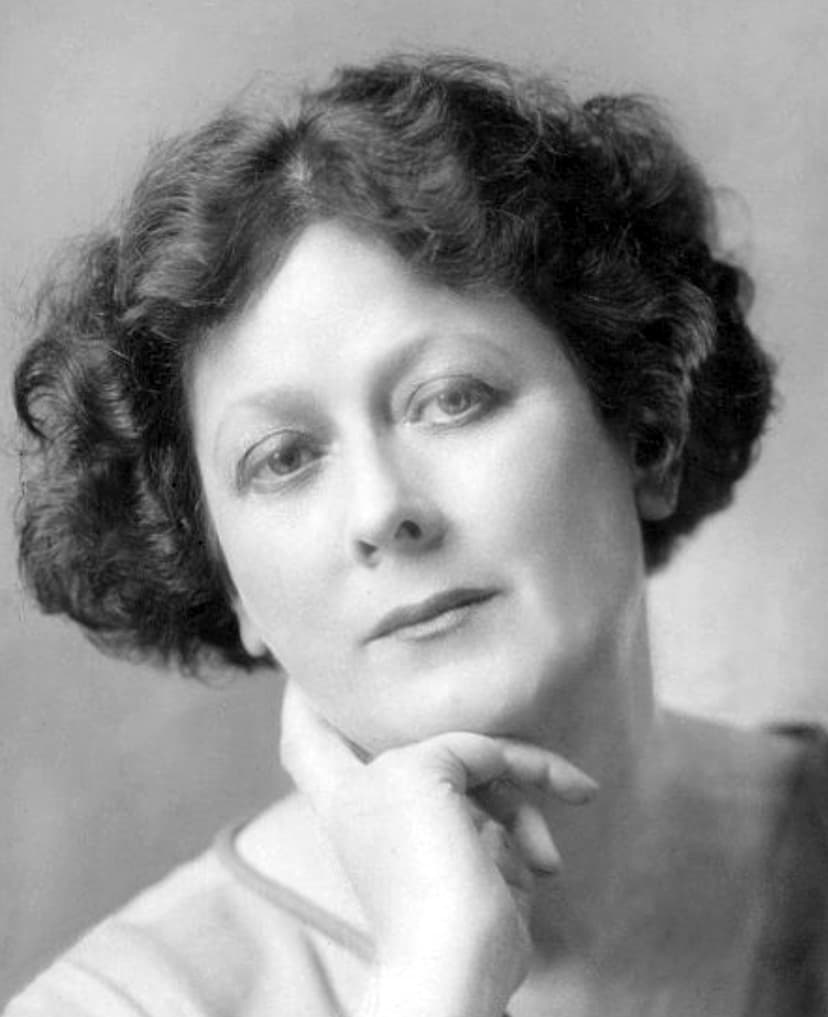
Isadora Duncan
Pioneer of Free Dance
“If I could tell you what it meant, there would be no point in dancing it.”
Why They Matter
She liberated dance from corsets and codification, opening the door for all of modern and contemporary dance.
Known For
Biography
Isadora Duncan was born in San Francisco in 1877 and rejected formal ballet training from childhood, finding it artificial and constraining. Instead, she developed a philosophy of natural movement inspired by ancient Greek art, ocean waves, and the natural world. She believed dance should express the soul rather than demonstrate technical tricks.
Duncan left America for Europe in 1899, where her barefoot performances in flowing tunics scandalized and captivated audiences. She danced without corsets, tights, or pointe shoes, and her movement came from the solar plexus rather than the extremities. European intellectuals embraced her as a revolutionary artist.
She established schools in Germany, France, and Russia to teach her philosophy of natural movement to children, believing dance education should develop the whole person rather than produce technical performers. Her personal life was as dramatic as her art, marked by passionate love affairs and devastating tragedy when her two children drowned in 1913.
Duncan died in 1927, but her influence was immense. By rejecting ballet's codification and insisting that dance could be free, personal, and emotionally authentic, she opened the door for everything that would become modern and contemporary dance. Without Duncan, there would be no Graham, no Cunningham, no contact improvisation.
Career Highlights
Moves to Europe and begins performing barefoot
Opens first dance school in Berlin
Performs in Russia, inspiring a generation of artists
Opens school in Moscow at Soviet invitation
Final performances before tragic death in Nice
Legacy & Impact
Isadora Duncan liberated Western dance from corsets, pointe shoes, and codified technique, insisting that movement could come from genuine emotion and natural impulse. She made it possible to imagine dance as personal expression rather than formal display. Every modern and contemporary dancer works in a space that Duncan opened, and her philosophy that the body is the instrument of the soul continues to resonate.


Explore More Legends
Discover the dancers, teachers, choreographers, and cultural icons who shaped how the world moves.
Keep the thread going
Dance history, technique, and the occasional rabbit hole — in your inbox. Thoughtful, infrequent, unsubscribe anytime.
Free. No spam. One click to leave.