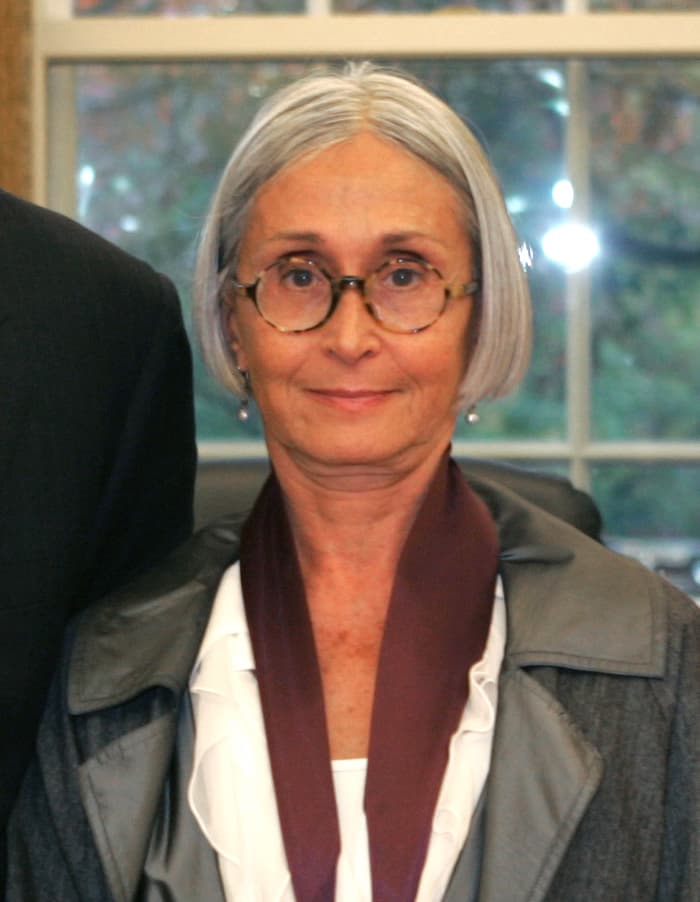
Choreographer · Innovator
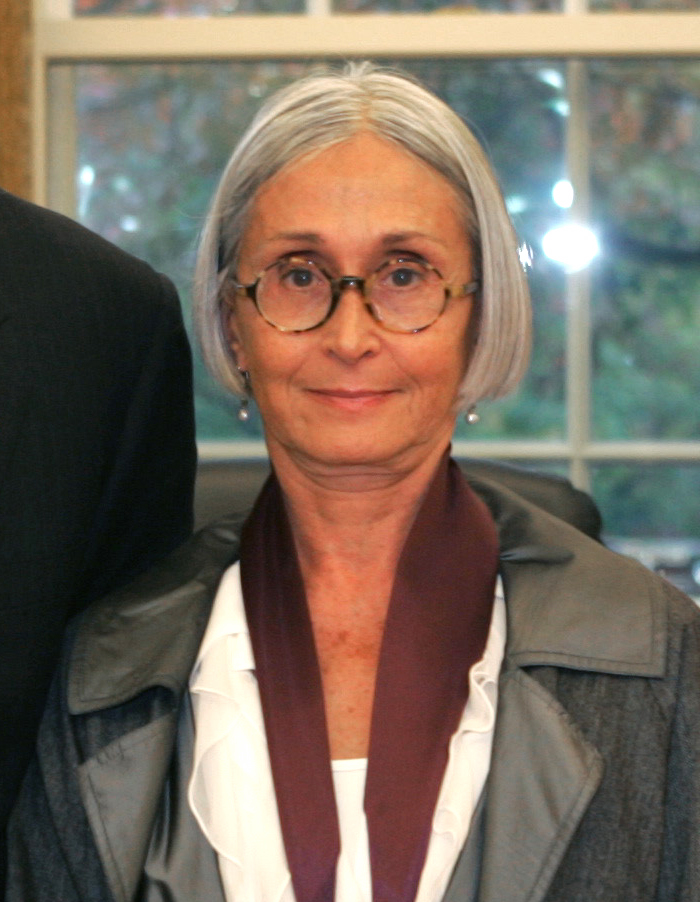
Twyla Tharp
Crossover Choreographic Genius
Why They Matter
She proved that dance genres are artificial boundaries and that great choreography can speak to any audience.
Known For
Styles Twyla Tharp shaped
Each one links to the style’s own page — its origins, music, tempo and video.
Watch
Twyla Tharp | Inside Look (American Masters, PBS)
A concise official introduction to Tharp's working method and artistic discipline.
Twyla Tharp's Eight Jelly Rolls (Twyla Moves, American Masters, PBS)
An official PBS excerpt connecting an early canonical Tharp work to her jazz-informed musicality.
The Golden Section by Twyla Tharp (Alvin Ailey American Dance Theater)
A major company performing Tharp - the scale, speed, risk and repertory life of her work.
Nine Sinatra Songs (New York City Center)
An institutional presentation of one of Tharp's most accessible relationship studies.
Behind the Ballet: TWYLA@60 (American Ballet Theatre)
How Tharp's repertory is transmitted and performed by a major ballet company.
Biennale Danza 2025 Awards Ceremony (La Biennale di Venezia)
Primary video of Tharp receiving the 2025 Golden Lion for Lifetime Achievement.
Biography
Twyla Tharp was born on July 1, 1941, in Portland, Indiana, and spent much of her youth in Rialto, California. Her unusually broad early education spanned several forms of dance along with music and other disciplines, and that appetite for systems later became central to her choreography. After attending Pomona College she moved to New York and completed a Barnard College degree in art history in 1963. She studied with major figures associated with ballet and American modern dance - including Martha Graham, Merce Cunningham, Richard Thomas and Paul Taylor - and danced with the Paul Taylor Dance Company, though the lists of her New York teachers vary by source and should not be treated as exhaustive.
In 1965 Tharp premiered Tank Dive at Hunter College and organized the ensemble that became Twyla Tharp Dance. Her first years as a choreographer were deliberately experimental: rather than treating ballet, modern dance, walking, games, jazz rhythm or everyday gesture as mutually exclusive territories, she tested how their mechanics could be reorganized. The result was not casual eclecticism but construction - dances built through counts, permutations, reversals, spatial patterns and demanding rehearsal.
The early 1970s established her as an artist of formidable musical and structural intelligence. The Fugue (1970), modeled on Bach's Musical Offering but performed to amplified footfalls, developed a twenty-count theme through inversions, reversals, retrogrades and rhythmic change; her archive calls it her earliest work intended as continuing repertory. Eight Jelly Rolls (1971) engaged early jazz, and Deuce Coupe (1973), commissioned by Robert Joffrey and set to the Beach Boys, brought Twyla Tharp Dance and the Joffrey Ballet onto one stage - a work the Twyla Tharp Dance Foundation describes as the first crossover ballet, a useful and influential description best presented with attribution rather than as an uncontested universal first.
Her collaboration with Mikhail Baryshnikov enlarged both artists' range. Push Comes to Shove (1976), made for American Ballet Theatre, placed a ballet virtuoso inside a sly, rhythmically elastic world where elegance and disruption continually change places, and their partnership later extended to television and touring. At the same time Tharp moved freely into film and theater, choreographing for Milos Forman's Hair, Ragtime and Amadeus, Taylor Hackford's White Nights, and James L. Brooks's I'll Do Anything, while The Catherine Wheel (1981), created with music by David Byrne, showed how fully she could sustain a long-form dance-theater environment.
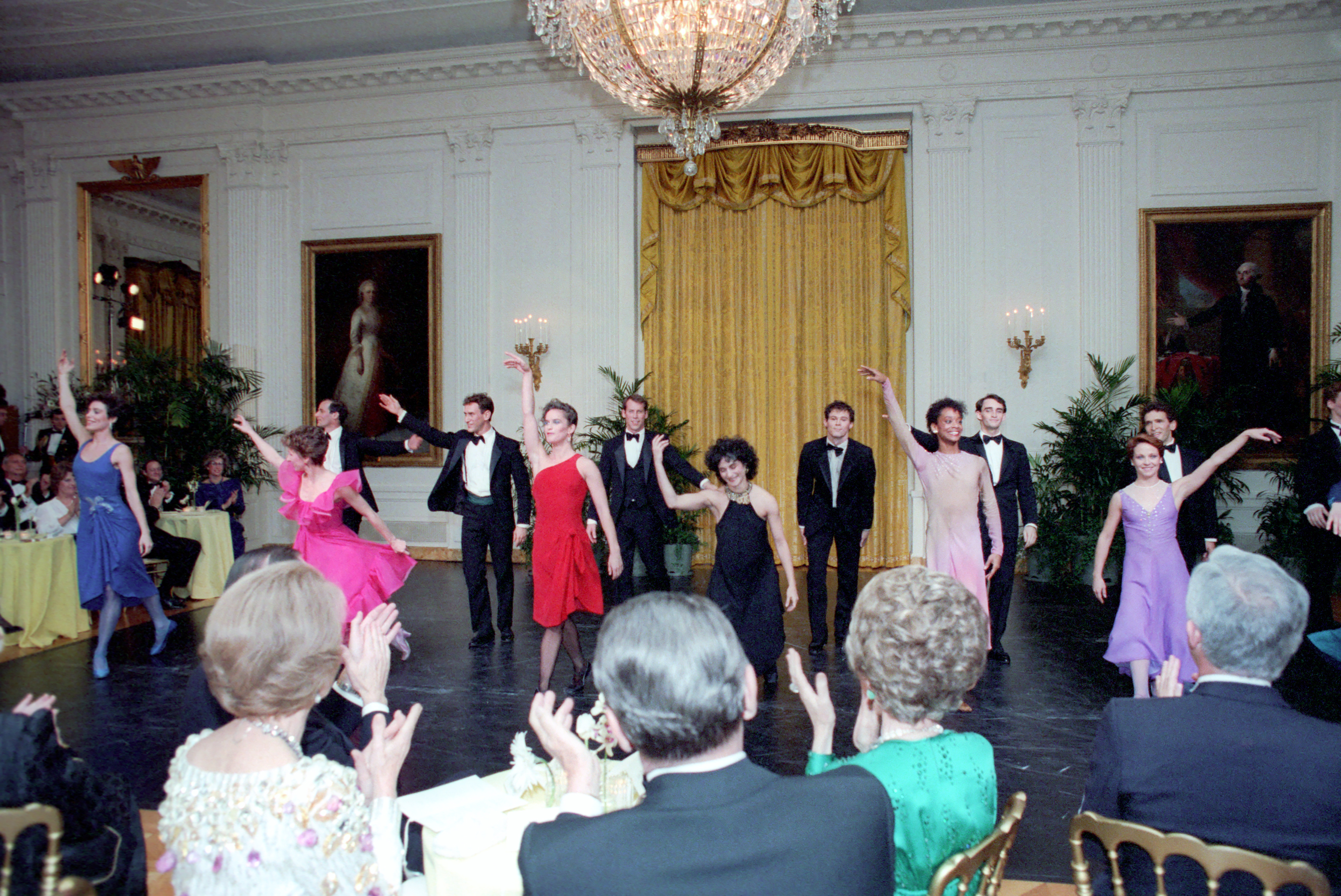
Two repertory works reveal the breadth of her mature craft. Nine Sinatra Songs (1982) uses seven couples and ballroom-inflected partnering to chart contrasting stages of romantic relationships, credited alongside Frank Sinatra's recordings, Jennifer Tipton's lighting and Oscar de la Renta's costumes; In the Upper Room (1986), set to Philip Glass, drives ballet-trained and sneaker-wearing dancers through accumulating waves of movement. When Twyla Tharp Dance merged with American Ballet Theatre in 1988 her repertory entered a major ballet institution, and she regrouped an independent company in 1991 rather than abandoning company-based creation.
Tharp also transformed jukebox theater by making choreography carry narrative rather than decorate it. Movin' Out, built from Billy Joel's songs - which Joel composed and Tharp choreographed and staged - opened on Broadway in 2002 and earned her the 2003 Tony Award for Best Choreography, while later Broadway projects such as Singin' in the Rain, The Times They Are A-Changin' and Come Fly Away met more mixed outcomes that kept experiment and risk in her method. Her books, from the 1992 autobiography Push Comes to Shove through The Creative Habit, The Collaborative Habit and Keep It Moving, described creativity as a practice of preparation, repetition and work. A 1992 MacArthur Fellow, 2004 National Medal of Arts honoree and 2008 Kennedy Center Honoree, she received the Golden Lion for Lifetime Achievement from La Biennale di Venezia in 2025 - remaining, well into her ninth decade, publicly identified with making, revising and testing what dance can still do.
Career Highlights
Graduated from Barnard College with a B.A. in art history and danced with the Paul Taylor Dance Company. MacArthur Foundation
Premiered Tank Dive and founded the ensemble that became Twyla Tharp Dance. Twyla Tharp Dance Foundation
Created The Fugue, her earliest work conceived as continuing repertory. Twyla Tharp Dance Foundation
Premiered Deuce Coupe with the Joffrey Ballet and Twyla Tharp Dance, set to the Beach Boys. Twyla Tharp Dance Foundation
Created Push Comes to Shove for American Ballet Theatre, beginning her partnership with Mikhail Baryshnikov. Twyla Tharp Dance Foundation
Created Nine Sinatra Songs, a ballroom-inflected suite for seven couples. Twyla Tharp Dance Foundation
Created In the Upper Room, set to music by Philip Glass. Twyla Tharp Dance Foundation
Twyla Tharp Dance merged with American Ballet Theatre. National Endowment for the Arts
Named a MacArthur Fellow in choreography and dance. MacArthur Foundation
Received the Tony Award for Best Choreography for Movin' Out, built from Billy Joel's songs. IBDB
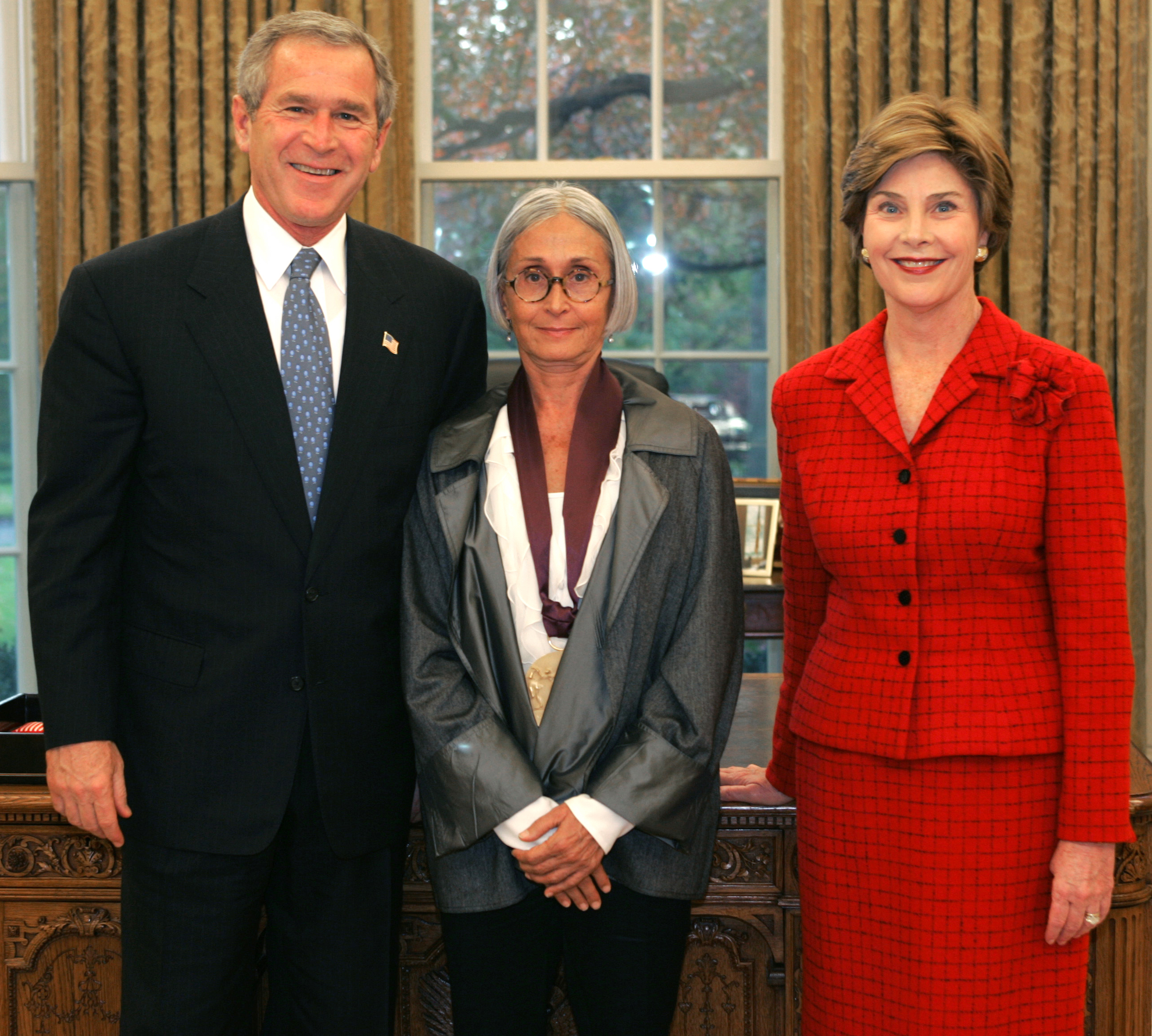
Received the National Medal of Arts. National Endowment for the Arts
Named a Kennedy Center Honoree. Kennedy Center
Received the Golden Lion for Lifetime Achievement from Biennale Danza, presenting Diabelli and Slacktide in Venice. La Biennale di Venezia
Gallery

Works
3 stage works credited to Twyla Tharp, 1982–2000.
- Nine Sinatra Songs (1982)Ballet · Choreographer
- Brahms/Handel (1984)Ballet · Choreographer
- The Beethoven Seventh (2000)Ballet · Choreographer
Credits sourced from Wikidata (CC0), one citation per field. Works without a recorded premiere date are listed last. Titles link to the work in Limelight.
Twyla Tharp on screen
Films and television featuring Twyla Tharp, with the sequences we have indexed.

Poster artwork from TMDB.
 This site uses TMDB and the TMDB APIs but is not endorsed, certified, or otherwise approved by TMDB.
Follow & Links
Legacy & Impact
Twyla Tharp matters because she made hybridity rigorous. Her work helped dismantle the assumption that ballet, modern dance, jazz, social dancing, pedestrian action, theatrical narrative and popular music had to remain in separate cultural rooms. She gave ballet dancers permission to look sly, grounded, loose, jazzy or streetwise without sacrificing technique, and asked modern dancers to meet formal musical architecture and balletic virtuosity without surrendering individuality. Her repertory has traveled through concert companies, Broadway, film, television, books and classrooms, giving several generations of artists a model for crossing boundaries while maintaining craft. The durable lesson is not simply to mix styles, but to understand each source deeply enough that the combination becomes a new system.


Explore More Legends
Discover the dancers, teachers, choreographers, and cultural icons who shaped how the world moves.
Keep the thread going
Dance history, technique, and the occasional rabbit hole — in your inbox. Thoughtful, infrequent, unsubscribe anytime.
Free. No spam. One click to leave.