Miss Prissy
Legend of Dance
Why They Matter
Miss Prissy’s importance is inseparable from gender, community and authorship. She helped originate and define krump while refusing the assumption that its power belonged only to men. Through Rize, “Hung Up,” teaching and the Underground, she connected local sessions to global popular culture and…
Known For
Biography
Marquisa Gardner, known as Miss Prissy, trained from childhood in ballet, jazz and tap before discovering hip-hop as a teenager. The contrast between her classical training, feminine presentation and South Los Angeles identity gave rise to her nickname. After high school she taught children, and a student introduced her to the emerging krump session culture of the early 2000s.
Krump developed in South Los Angeles through a community of dancers including Ceasare "Tight Eyez" Willis, Christopher "Lil' C" Toler, Jo'Artis "Big Mijo" Ratti and Miss Prissy, in dialogue with but distinct from Tommy the Clown's earlier clowning movement. Miss Prissy became especially important as a visible woman in a form often read as male and combative. In 2005 she told CBS that girls could do the movement and that her presence brought a specifically female voice to it.
David LaChapelle's documentary *Rize*, released in 2005, brought Miss Prissy and the Los Angeles krump community to international audiences. The film documented battles and sessions but also framed dance as a response to violence, economic hardship and emotional pressure. Miss Prissy's own accounts emphasize spiritual release, family and collective survival rather than simply aggression or competitive victory. That same year, she appeared in Madonna's "Hung Up" music video, a prominent example of krump vocabulary entering global pop imagery. Subsequent performance work included associations with Madonna, Snoop Dogg and the Game, while Gardner also pursued recording projects.
In 2012 Gardner and Lil' C developed the Underground, described as the first concert-dance company to use street-born krump as its choreographic base. The project marked a deliberate move from sessions and commercial cameos into staged composition, without treating concert presentation as a replacement for krump's community roots.
Her teaching and public commentary have continued to defend krump as a family practice and a vehicle for transformation. In interviews she has resisted narratives that reduce the form to winning battles, insisting on shared sessions, mutual care and the dream of creating opportunity. That perspective is central to her legacy: she did not merely popularize a movement vocabulary; she articulated why the culture existed.
Career Highlights
Was active in the early South Los Angeles krump community documented during the production period of Rize. The Guardian Caution: use as an approximate documentary-production marker, not a debut year. The Guardian
Participated in the Battle Zone culture filmed for Rize. Wikipedia, Rize) Wikipedia, Rize
Featured prominently in David LaChapelle’s documentary Rize. CBS News CBS News
Appeared in Madonna’s “Hung Up” music video, carrying krump imagery to a mass pop audience. Georgetown Gnovis Georgetown Gnovis
Demonstrated and discussed krump with Lil’ C and Tommy the Clown on CBS’s The Early Show. CBS News CBS News
Chose to prioritize her own music work rather than continue with a Madonna tour, according to presenter biography. dance Immersion dance Immersion
Appeared in Alvin and the Chipmunks, according to compiled filmography. Wikipedia) Caution: confirm final screen credit. Wikipedia
Co-founded/developed the Underground with Lil’ C as a concert-dance vehicle grounded in krump. Los Angeles Times Los Angeles Times
Released the reported second mixtape The Diamond in the Ruff in December. dance Immersion Caution: discographic metadata requires primary confirmation. dance Immersion
Miss Prissy on screen
Films and television featuring Miss Prissy, with the sequences we have indexed.
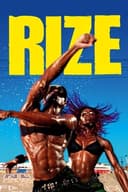
Poster artwork from TMDB.
 This site uses TMDB and the TMDB APIs but is not endorsed, certified, or otherwise approved by TMDB.
Legacy & Impact
Miss Prissy's importance is inseparable from gender, community and authorship. She helped originate and define krump while refusing the assumption that its power belonged only to men. Through *Rize*, "Hung Up," teaching and the Underground, she connected local sessions to global popular culture and concert stages. Equally important, her testimony preserves krump as a culture of family, spiritual release and an alternative to violence—not merely a spectacular set of moves.
Explore More Legends
Discover the dancers, teachers, choreographers, and cultural icons who shaped how the world moves.
Keep the thread going
Dance history, technique, and the occasional rabbit hole — in your inbox. Thoughtful, infrequent, unsubscribe anytime.
Free. No spam. One click to leave.