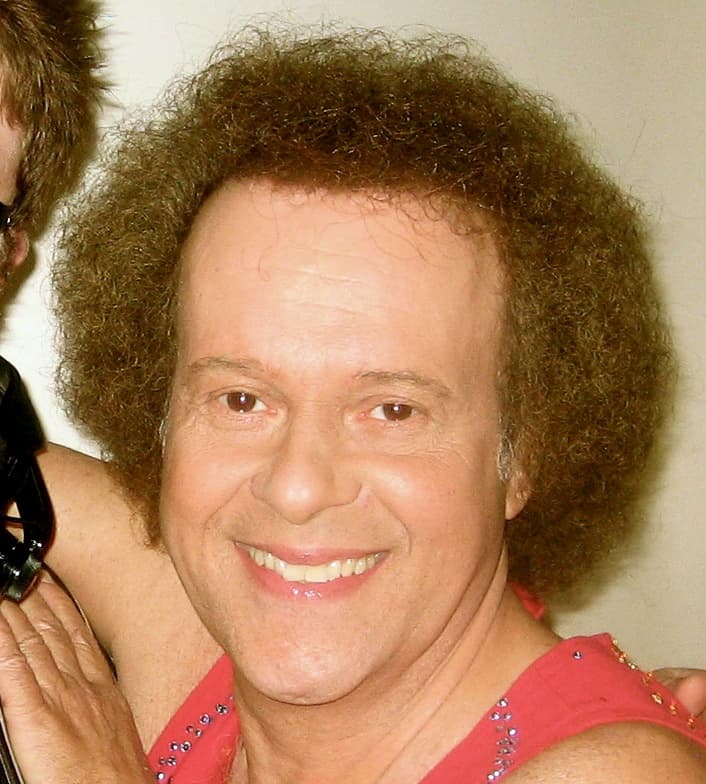
Richard Simmons
Legend of Dance
Why They Matter
Simmons’s central contribution was social as much as choreographic. He built a fitness culture where beginners, larger-bodied participants, older adults, and people anxious about gyms could be visible without being treated as before-images. His tapes converted oldies-driven aerobic dance into an…
Known For
Biography
Milton Teagle Simmons was born in New Orleans on 12 July 1948 and grew up in the French Quarter. He later spoke publicly about living in a large body during childhood and adolescence and about the harmful extremes he tried while seeking to lose weight. That experience became central to his insistence that exercise instruction should be emotionally supportive and available to beginners.
After moving to Los Angeles in the 1970s, Simmons opened a Beverly Hills exercise studio, later known as Slimmons. The studio paired movement with encouragement and was consciously oriented toward people whom the era's image-conscious gyms often failed to serve. His teaching style joined aerobic sequences, dancing, comedy, direct emotional address, and close attention to participants.
Television carried that studio persona to a national audience. *The Richard Simmons Show* ran from 1980 to 1984, combining fitness, health, cooking, and talk-show performance. His demonstrative style—bright costume, rapid speech, humor, and frequent affirmation—made the instructor a character as well as a teacher.
Simmons became especially identified with the *Sweatin' to the Oldies* series, which set straightforward aerobic dance to familiar popular songs and surrounded him with a visibly varied group of participants. The series treated recognition and pleasure as teaching tools: viewers could anticipate the music, mirror large gestures, and experience repeated movement as a party rather than a test. He continued producing dance-aerobic and conditioning programs throughout the 1990s and 2000s, including multiple *Sweatin'* sequels.
He remained an unusually personal public fitness figure, teaching, answering correspondence, and advocating for physical education, before withdrawing from public appearances around 2014. He died at his Los Angeles home on 13 July 2024, one day after his 76th birthday. The county medical examiner certified complications from blunt traumatic injuries, with arteriosclerotic cardiovascular disease as a contributing condition, and ruled the death accidental.
Career Highlights
Simmons opened his first Beverly Hills exercise studio, commonly dated to 1974 in major obituaries; it later became Slimmons. Source Source
Television exposure began turning his inclusive studio practice into a national public identity. Source Source
The Richard Simmons Show began its four-year run. Source Source
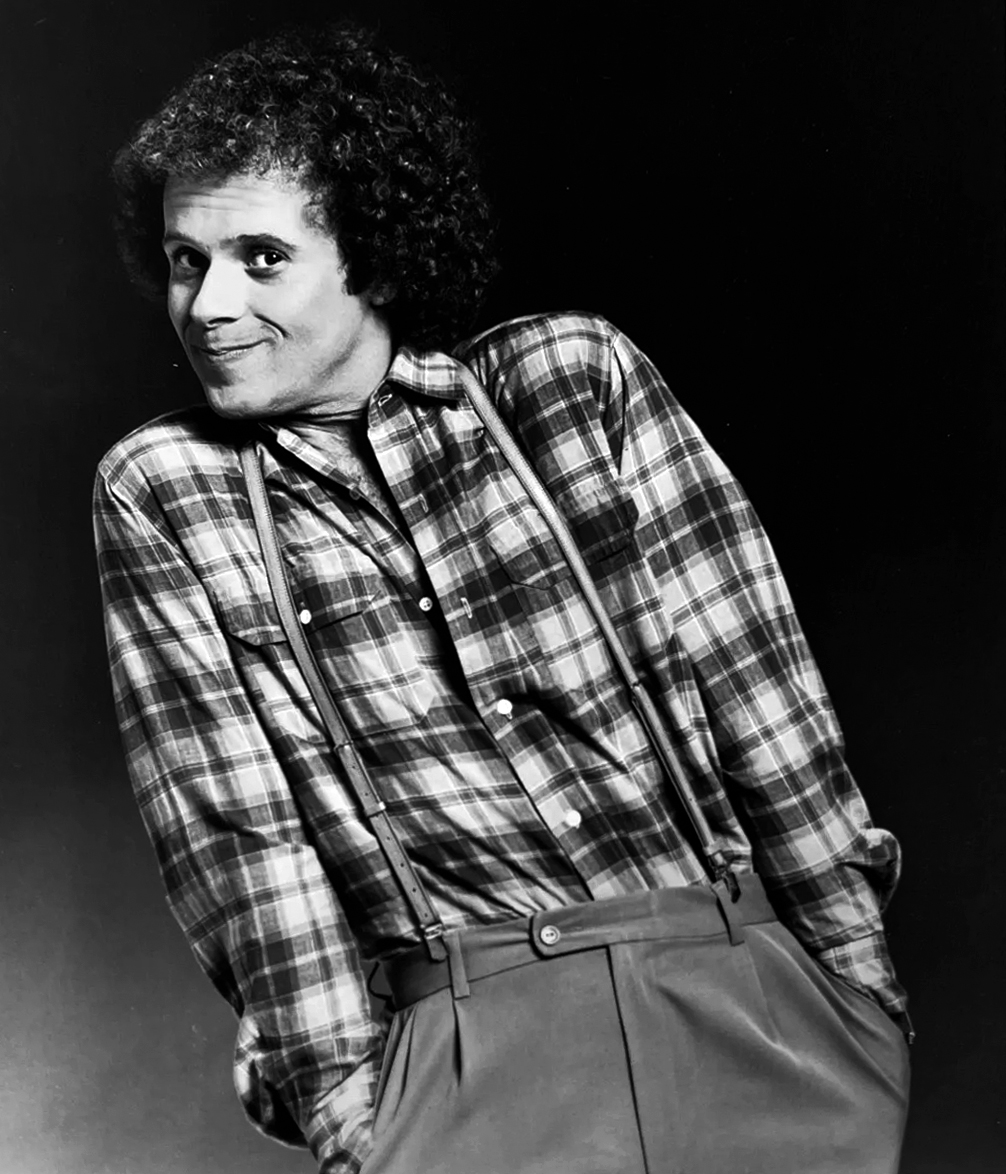
A publicity portrait for his Reach LP documented the expansion of his fitness persona into recorded media. Source.jpg) Source
The first Sweatin’ to the Oldies program is commonly dated to 1988, establishing his best-known dance-fitness video line. Source Caution: confirm edition-specific release data before a detailed catalog. Source
He continued producing and appearing in dance-aerobic and conditioning programs, including multiple Sweatin’ sequels and Disco Sweat. Source Source
Simmons publicly advocated for noncompetitive physical education and continued large public exercise events. Source Source
He stopped making regular public appearances, while his recorded programs remained in circulation. Source Source
Simmons died on 13 July; on 22 August the county medical examiner certified the accidental manner of death. Source Source
Legacy & Impact
Simmons's central contribution was social as much as choreographic. He built a fitness culture where beginners, larger-bodied participants, older adults, and people anxious about gyms could be visible without being treated as before-images. His tapes converted oldies-driven aerobic dance into an invitation: familiar music, simple steps, theatrical warmth, and repeated assurances that participation mattered more than virtuosity. That model—exercise as inclusive celebration rather than competitive correction—remains influential in contemporary fitness media.
Explore More Legends
Discover the dancers, teachers, choreographers, and cultural icons who shaped how the world moves.
Keep the thread going
Dance history, technique, and the occasional rabbit hole — in your inbox. Thoughtful, infrequent, unsubscribe anytime.
Free. No spam. One click to leave.