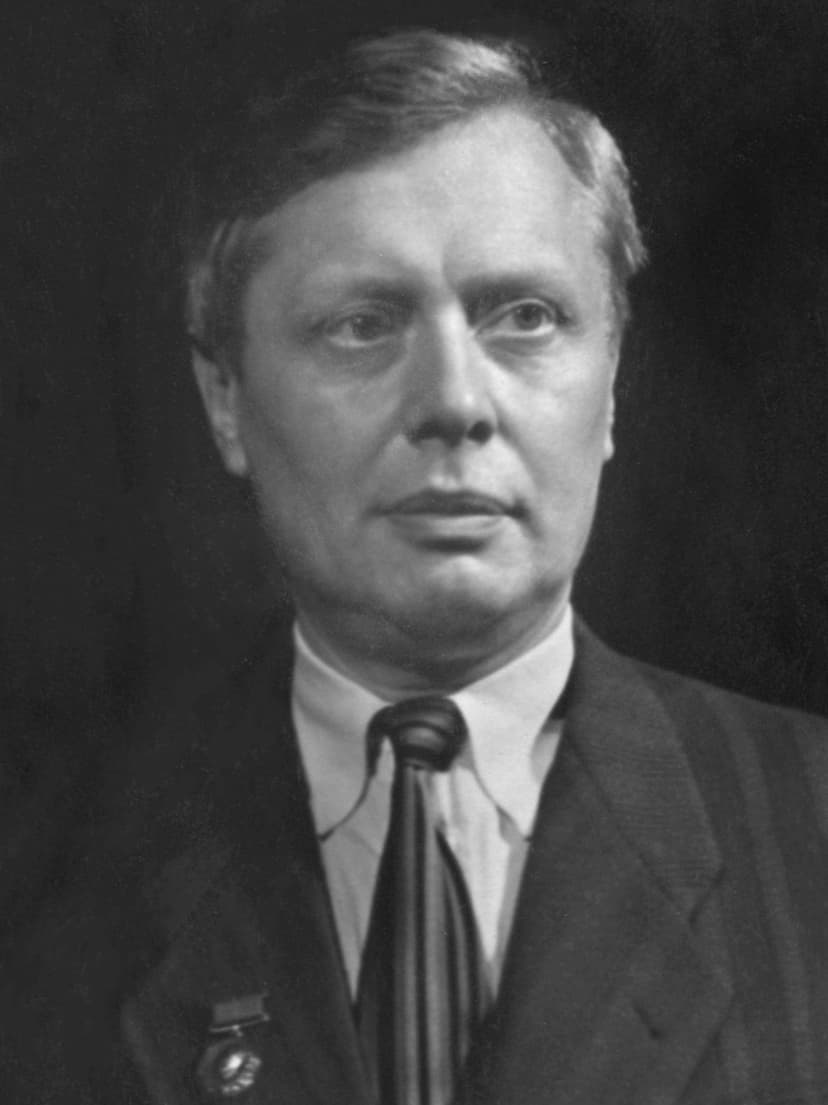
Sergei Obraztsov
Legend of Dance
Why They Matter
Obraztsov matters to dance and movement history because he demonstrated that choreography can reside in an animated object: gesture, stillness, directional focus, phrasing, and ensemble timing can communicate character even without a visible human body. More broadly, he helped turn puppetry from an…
Known For
Biography
Sergei Vladimirovich Obraztsov was born on 5 July 1901 (22 June Old Style) in Medvedkovo, near Moscow, and became the defining figure in twentieth-century institutional puppetry. He trained as a visual artist before turning to theatre, beginning to perform with hand puppets while still a young man. By age nineteen he was presenting solo puppet work that combined visual design, acting, precise timing, and controlled object animation into a coherent performance language.
Throughout the 1920s, Obraztsov worked as an actor in Moscow's theatre world, notably in the Nemirovich-Danchenko studio orbit. That training in character, intention, and legible action shaped everything he would later accomplish with puppets. In 1931, he was invited to lead Moscow's newly established State Central Puppet Theatre, which opened on 16 September following a 1930 state conference that had proposed a central experimental laboratory for puppet theatre. Obraztsov therefore arrived not as a solitary founder but as the artistic leader of an institution initiated through a broader state-theatre process.
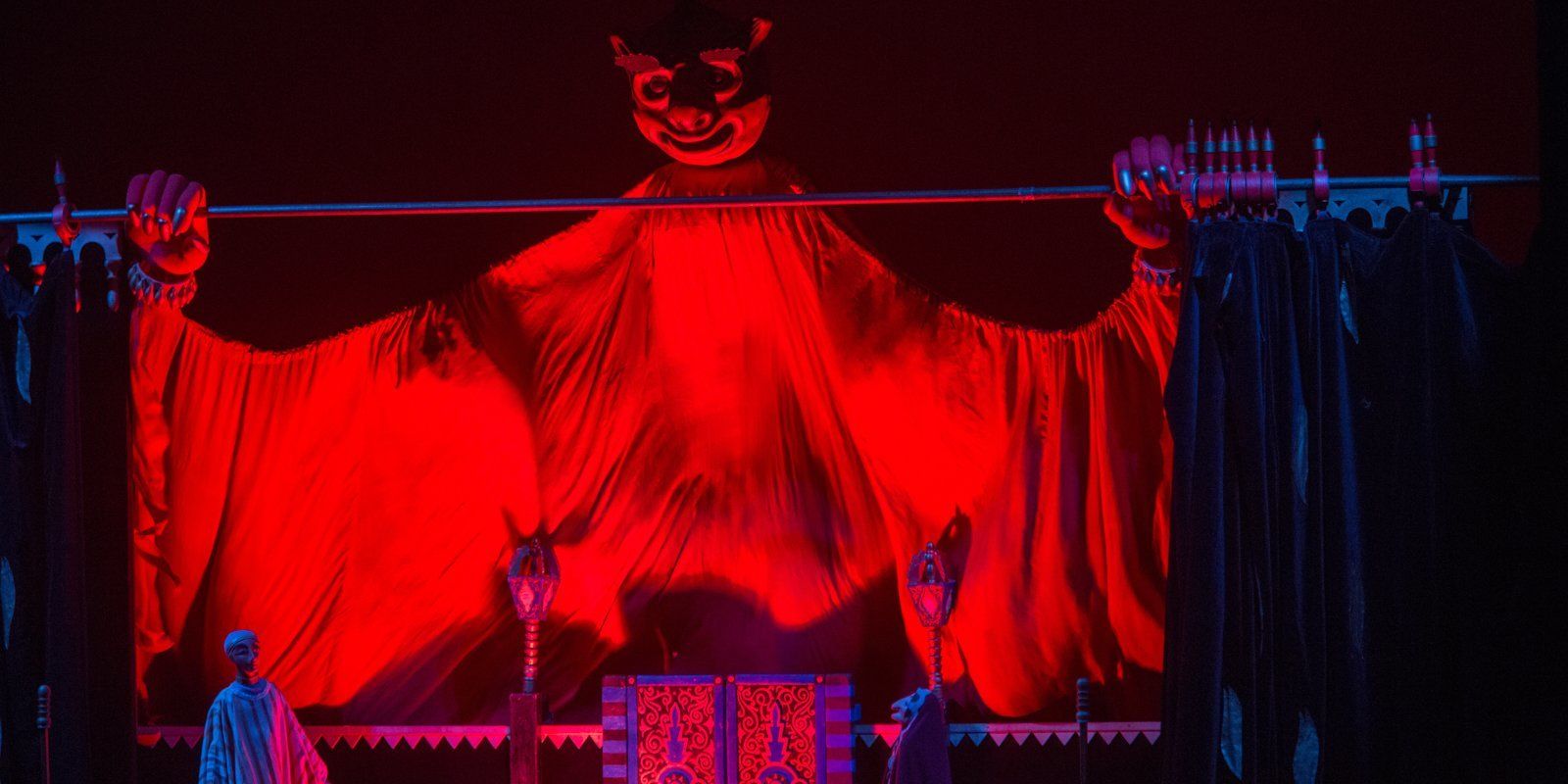
Under his direction, the theatre developed a permanent ensemble and created productions for both children and adults that became an international reference point for professional puppetry. The company's most celebrated work, typically translated as *An Unusual Concert* (also *An Extraordinary Concert*), premiered in 1946 as a satirical revue built from variety-stage acts. Its lasting power comes from ensemble precision: each puppet moves with a distinct tempo, weight, and comic objective, and the accumulated contrast exposes theatrical vanity through the logic of movement itself.
Beyond the Moscow stage, Obraztsov shaped puppetry as an international art form through writing, teaching, filmmaking, and touring. He became a vice president of UNIMA, the international puppetry organization, in 1957, served as president from 1976 to 1983, and remained honorary president from 1984 until his death. These roles extended his influence across national traditions and helped establish puppetry as a sustained, networked performing art comparable in institutional scope to other major theatrical forms.
Obraztsov directed the Moscow theatre until his death on 8 May 1992. The company's later adoption of his name reflects an institutional legacy built across more than six decades: a permanent ensemble with a museum, training culture, and performance vocabulary capable of sustaining puppetry at the scale of a major theatre.
Career Highlights
Began professional acting in the Moscow Art Theatre orbit, according to UNIMA’s biographical chronology.
Began presenting puppet performances as a young artist, developing the solo practice that preceded his institutional career.
Was invited to head Moscow’s newly established State Central Puppet Theatre, which opened on 16 September.
Directed Looking at the Sunset Ray, identified in standard filmographies as an early Soviet puppet short; the exact English title varies by source.
Premiered the satirical revue known in English as An Unusual Concert or An Extraordinary Concert.
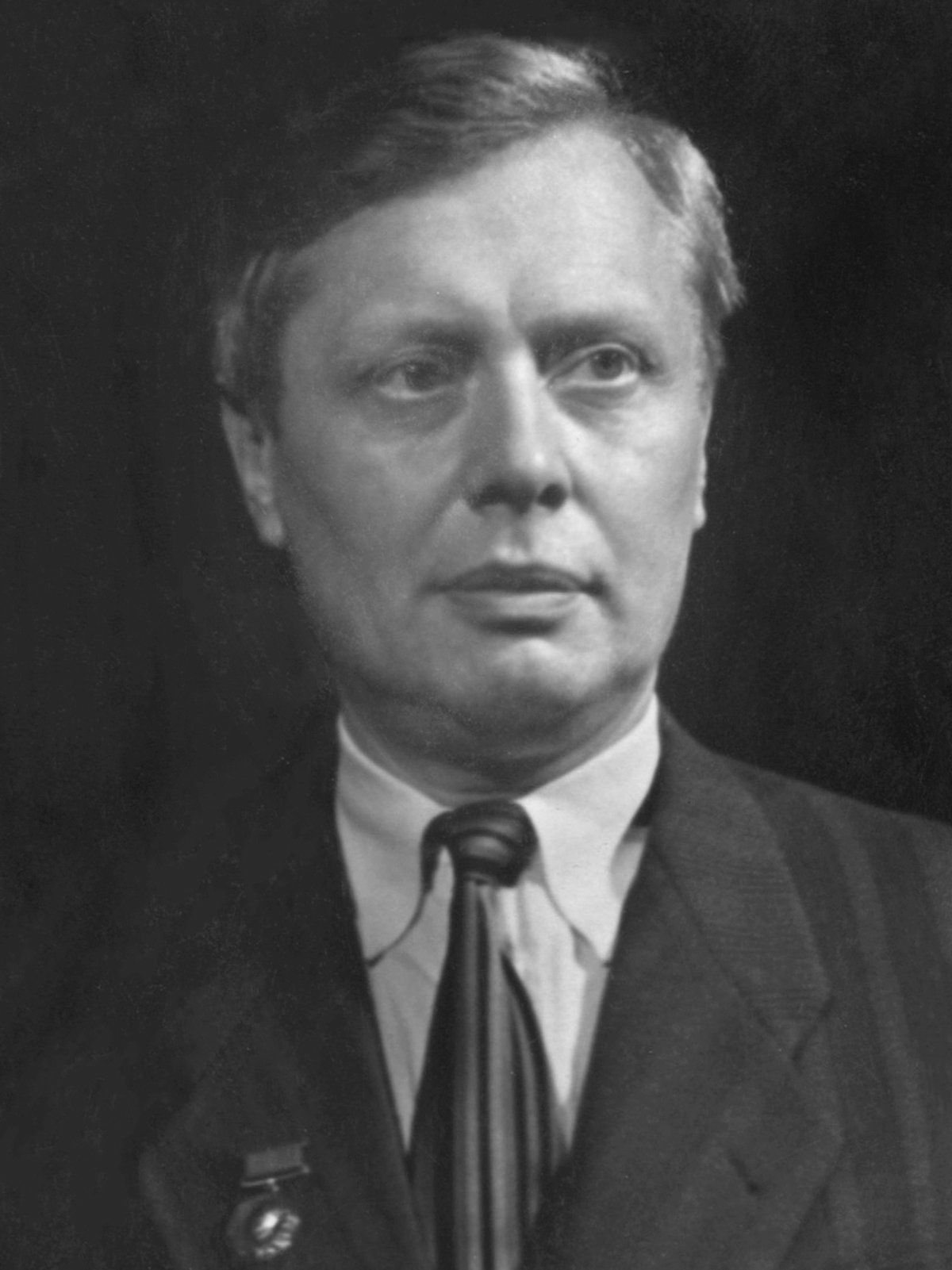
Was photographed with puppets in an archival portrait now released by Moscow’s Main Archive under CC BY 4.0.
Became a vice president of UNIMA, the international puppetry organization.
Became president of UNIMA, serving through 1983.
The State Central Puppet Theatre received the Soviet honorary designation “Academic.”
Became an honorary president of UNIMA and remained in that role until his death.
Died in Moscow on 8 May after more than six decades of professional puppet theatre work.
Legacy & Impact
Obraztsov matters to movement and choreography because he proved that gesture can be choreographed into an inanimate object. A puppet's tilt of the head, delayed turn, held focus, or emphatic arm path carries dramatic weight without a visible human body. His legacy is strongest when understood as collective institution-building: he transformed puppetry from episodic entertainment into a sustained art with a permanent company, technical laboratory, museum culture, and international professional network. Dancers and movement makers still study how economy, rhythm, and readable intention can communicate character through precision alone.
Explore More Legends
Discover the dancers, teachers, choreographers, and cultural icons who shaped how the world moves.
Keep the thread going
Dance history, technique, and the occasional rabbit hole — in your inbox. Thoughtful, infrequent, unsubscribe anytime.
Free. No spam. One click to leave.