Wade Robson
Legend of Dance
Why They Matter
Robson matters because his career joined choreography, pop staging, television formats, and music production at a moment when dance authorship was becoming central to global entertainment branding. His Emmy-winning work showed that short-form television choreography could carry character…
Known For
Watch
What It's Like to Be Me — Britney Spears
Robson's verified writing/production role and the track's accented structure make it relevant to his music-movement practice; classification requires listening.
Biography
Wade Robson was born in Brisbane, Australia, in September 1982 and began performing as a dancer at age five. Dance Magazine traces his first professional exposure to a Michael Jackson concert in Brisbane. At nine, he moved to the United States with his mother and sister and entered commercial dance through music-video work while still a child, transitioning early into choreography and teaching.
By his mid-teens, Robson was choreographing professionally. His late-1990s and early-2000s work positioned him at the center of pop touring: he created movement and staging for Britney Spears and *NSYNC*, including tours, televised appearances, commercials, and music videos. In 2001, a BMI profile documented his writing and production work for *NSYNC's* *Celebrity* album, including the track "Gone." Robson describes composing, editing, arranging, and producing music as integral to his choreographic practice, explaining the close alignment between sound structure and theatrical action in his dance work.
In 2003, Robson created, hosted, and executive-produced MTV's *The Wade Robson Project*, a televised hip-hop dance competition. He later became a choreographer and guest judge on *So You Think You Can Dance*. The Television Academy awarded him Outstanding Choreography in 2007 for "Ramalama (Bang Bang)" and again in 2008 for "Hummingbird and Flower / The Chairman's Waltz." His film work included choreography for the animated feature *Happy Feet Two*.
After a prolonged period away from dance, a 2019 *Dance Teacher* interview documented Robson's return to creative movement and teaching. That later phase represents a reorientation toward process and personal authorship rather than a continuation of his peak commercial schedule.
Career Highlights
Began performing as a dancer at age five in Australia. Dance Magazine
Moved to the United States at nine and entered the music-video/commercial dance world. Dance Magazine
Choreographed a nationally televised MTV Video Music Awards performance involving Britney Spears and *NSYNC. Wade Robson career summary
Worked on NSYNC’s No Strings Attached* tour, part of his rapid transition from teenage choreographer to large-scale pop staging. Dance Magazine
Co-wrote and produced music for NSYNC’s Celebrity* era, including “Gone,” while directing and choreographing pop-tour work. BMI
Created and hosted MTV’s dance-competition series The Wade Robson Project. Dance Teacher
Won the Primetime Emmy for Outstanding Choreography for “Ramalama (Bang Bang)” on So You Think You Can Dance. Television Academy
Won a second consecutive choreography Emmy for “Hummingbird and Flower / The Chairman’s Waltz”. Television Academy
Choreographed the animated feature Happy Feet Two. Wade Robson career summary
An industry profile documented his return to dance after a long creative hiatus. Dance Teacher
Wade Robson on screen
Films and television featuring Wade Robson, with the sequences we have indexed.
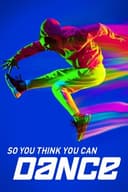
Poster artwork from TMDB.
 This site uses TMDB and the TMDB APIs but is not endorsed, certified, or otherwise approved by TMDB.
Legacy & Impact
Robson matters because his work joined choreography, pop staging, television formats, and music production at a moment when dance authorship was becoming central to global entertainment. His Emmy-winning television choreography—particularly "Ramalama (Bang Bang)" and "Hummingbird and Flower / The Chairman's Waltz"—demonstrated that short-form routines could carry character, atmosphere, and conceptual structure. His practice showed how rhythm could build dramaturgy through isolations, dynamic shifts, and ensemble spacing, influencing how dance functions in televised entertainment.
Explore More Legends
Discover the dancers, teachers, choreographers, and cultural icons who shaped how the world moves.
Keep the thread going
Dance history, technique, and the occasional rabbit hole — in your inbox. Thoughtful, infrequent, unsubscribe anytime.
Free. No spam. One click to leave.