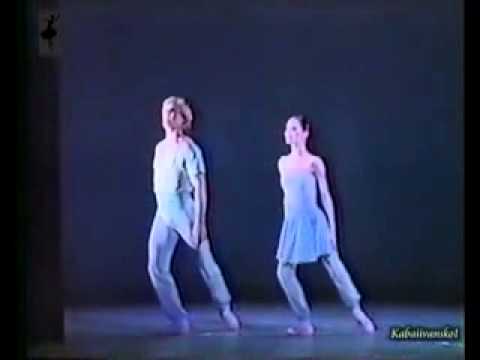
Great Galloping Gottschalk
Great Galloping Gottschalk is a plotless contemporary ballet made by Lynne Taylor-Corbett to six piano works by the nineteenth-century American composer Louis Moreau Gottschalk, orchestrated for the occasion by Jack Elliott. The article records its premiere with American Ballet Theatre in Miami Beach on 12 January 1982, after which it entered the repertory of several regional American companies.
What is danced
The source article does not describe the choreography itself — no synopsis, cast breakdown, or step-by-step account of what happens on stage is given. What can be established is the musical architecture: six selections (Souvenir de Porto Rico, The Dying Poet, Tournament Galop, La Savane and Oh ma charmante, épargnez-moi!, Le Bananier, Manchega) drawn from Gottschalk's piano output and described as 'reminiscent of ragtime.' A ballet built on six distinct, contrastingly titled piano pieces typically alternates ensemble and soloist sections keyed to each number, but the article gives no basis for stating which sections are corps work, pas de deux, or solo variations, nor what vocabulary (pointe work, character shoe work, etc.) is used in any of them.
Context
The premiere date places the work in American Ballet Theatre's repertory in the early 1980s, a period in which the company regularly commissioned short, plotless works to American concert or popular scores as counterweight to its full-length classical productions. Beyond what the article states, no scholarly context for the work's making or reception is given here.
Staging history
Beyond its ABT premiere, the article lists subsequent productions by Pennsylvania Ballet, Carolina Ballet, BalletMet Columbus, Kansas City Ballet, and Pittsburgh Ballet Theatre, describing it as having been staged by 'numerous ballet companies' since 1982. No dates or details of these individual productions are given.
How to watch it
Listen for the shift in character across the six named piano pieces — from the lyrical Dying Poet to the brisker Tournament Galop and Manchega — since the ballet's structure appears to follow the sequence of musical numbers rather than a narrative. Beyond the score's episodic shape, the article gives no guidance on what to look for choreographically.
Credits
- composer: Louis Moreau Gottschalk