André Campra · Public domain
Les âges
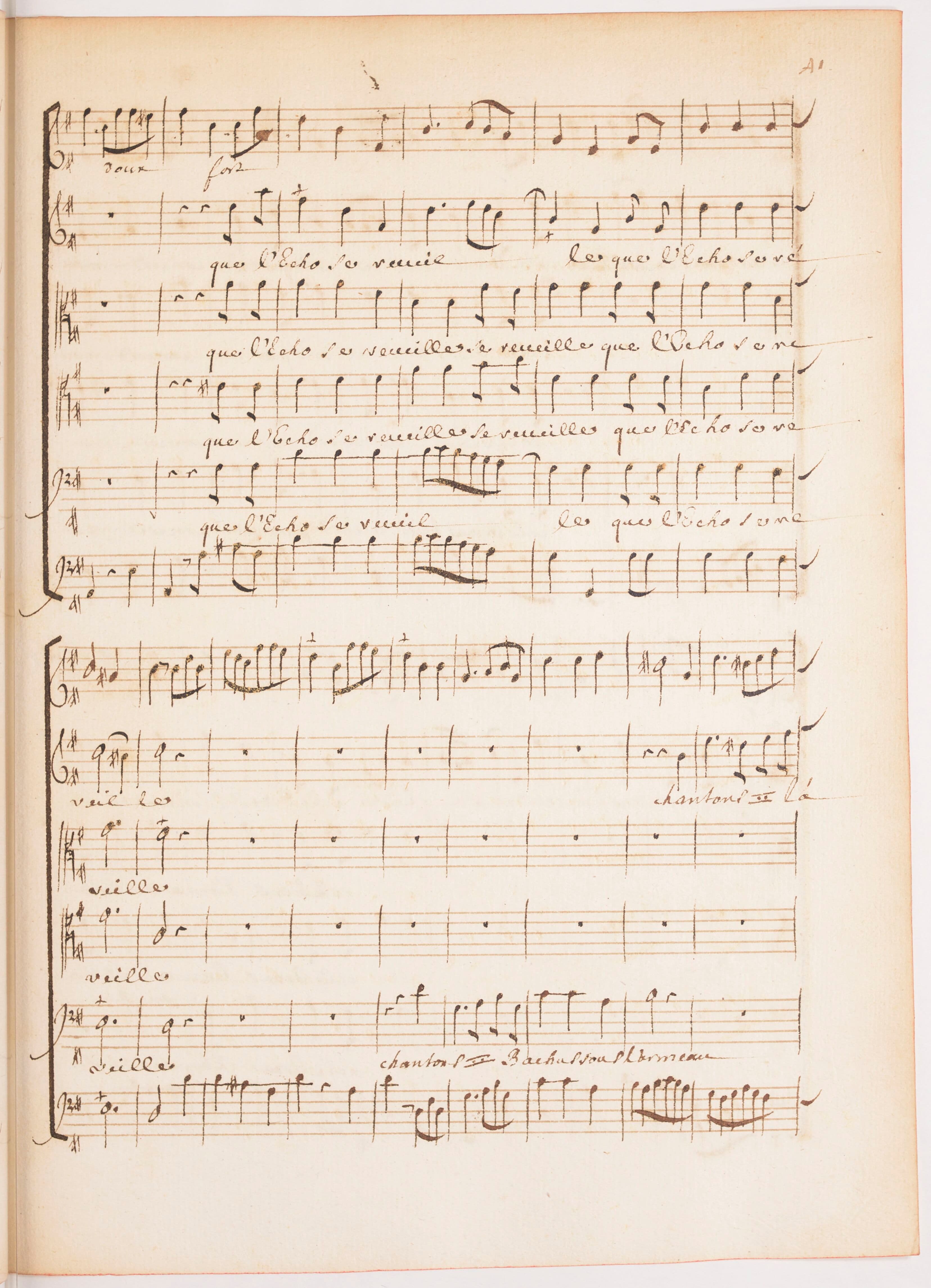
Les âges (also printed as Le ballet des âges) is an opéra-ballet by André Campra, with a libretto by Louis Fuzelier, first given by the Académie royale de musique at the Théâtre du Palais-Royal on 9 October 1718. It belongs to the French opéra-ballet tradition in which a prologue and a set of self-contained acts (entrées), each with its own plot and characters, are strung together around a unifying idea — here the three ages of love and life.
What is danced
The article does not describe any choreography, named dances, or dancers' vocabulary — it gives only the literary structure of the piece (a prologue and acts titled La jeunesse ou L'amour ingénu, L'âge viril ou L'amour coquet, and La vieillesse ou L'amour enjoué, with a later printed variant adding Les âges rivaux as a third entrée and reworking the old-age act into a fourth). As an opéra-ballet staged by the Académie royale de musique in 1718, the work would customarily have included sung scenes interleaved with instrumental dance entrées and divertissements for the corps de ballet, in keeping with the genre established by Lully and continued by Campra — but nothing in this source specifies which social or theatrical dances were used, who danced them, or how.
Context
1718 falls within the mature period of French opéra-ballet, the genre Campra himself helped establish with L'Europe galante (1697), in which dance was integrated into the entrées as an equal partner to song rather than as mere interlude. The device of organising a work around 'ages' or stages of love was a common structural conceit for this repertory, allowing contrasting dance and musical characters (youthful, gallant, aged) across acts.
How to watch it
There is no performance or reconstruction record here to guide viewing; a researcher would need to consult the 1718 libretto or score (both referenced in Further reading) to establish what, if anything, was actually danced in performance.
Credits
- composer: André Campra