Waacking
Also known as: Punking, Whacking
History & Cultural Context
Waacking (also called punking or whacking) developed in the LGBTQ clubs of Los Angeles during the disco era of the early-to-mid 1970s. It centers on fast, rotational arm movements whipped to the music, combined with posing, attitude, and theatrical performance. Born in gay club culture and danced to disco, it spread through television and, decades later, a global revival in studios and battles.
Cultural Significance
A Black and Latino LGBTQ disco-club tradition of self-expression and glamour; its queer-club origins should not be erased.
Characteristic Movement & Technique
Whipping rotational arm movements, posing, walks, and dramatic musical accents.
Partnering Dynamics
Solo; battle.
Competitive Context
Waacking battles and categories worldwide; revived competitive scene.
Regional Variations
LA origin; global revival scenes.
Common Misconceptions
Waacking is not the same as vogue—both are arm-forward club styles but they come from different scenes (LA disco clubs vs. Harlem ballrooms) and have distinct vocabularies.
Waacking Music & Tempo
Drawn from 20 Waacking tracks in the LODance music library.
Example tracks at practice tempo
- Love Is the Message (feat. The Three Degrees) — MFSB127 BPM
- Best of My Love — The Emotions115 BPM
- Got to Be Real — Cheryl Lynn115 BPM
- This Time Baby — Jackie Moore124 BPM
- I Love the Nightlife (Disco 'Round) — Alicia Bridges124 BPM
- Car Wash (Single Version) — Rose Royce115 BPM
Who governs Waacking
Federations, councils and examining bodies with a recorded role in this style. No single organisation can tell you this — each one knows only itself.
Legends of Waacking
Dancers, choreographers and teachers whose work shaped this style.
Waacking on screen
Films and television where Waacking appears, with the sequences worth watching for.
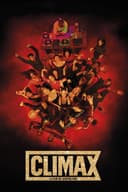
Poster artwork from TMDB.
 This site uses TMDB and the TMDB APIs but is not endorsed, certified, or otherwise approved by TMDB.
Sources & Further Reading
Cultural & Historical Context
Waacking emerged from Los Angeles, United States during 1972—present day. Understanding the cultural roots, musical traditions, and social circumstances of this era enriches appreciation for the dance's characteristics and significance.
Primary Source Documents
The Library of Dance contains public-domain primary sources for dance history. Copyrighted modern syllabi are indexed with purchase links to their respective copyright owners. Search by dance name or codifier to discover primary source documents.
Last reviewed: September 2026 — This dance profile synthesizes historical research, cultural documentation, and contemporary practice knowledge to provide authoritative context.
Related Dances
More in House, Vogue & Club Dance
House Dance
Fast, grounded freestyle club dance built on intricate footwork, the 'jack,' and lofting, born in the house-music clubs of Chicago and New York.
Vogue
Performance dance of the Harlem ballroom scene built on angular posing, hand performance, catwalks, duckwalks, spins, and dips—judged in balls.
Continue Exploring
Lineage of Dance
500 years of dance evolution
Champions of Dance
Winners of marquee national & world titles
Language of Dance
161 dance terms & translations
Listening of Dance
Tempo, timing & musicality tools
Gallery of Dance
5,700+ artworks from museum collections
Attire of Dance
Evolution of dance dress across eras
Keep the thread going
Dance history, technique, and the occasional rabbit hole — in your inbox. Thoughtful, infrequent, unsubscribe anytime.
Free. No spam. One click to leave.