History & Cultural Context
Gumboot dance (isicathulo, from the Zulu word for "shoe") is a percussive dance form developed by Black migrant workers in the gold and diamond mines of South Africa, with roots in the late 1800s; related boot-percussion routines also appeared among mission-school pupils and Durban dock workers. Miners were issued rubber Wellington boots to cope with wet, hazardous underground conditions, and — with the use of their traditional languages restricted in the mines — they developed rhythmic patterns of boot slaps, stomps, and body percussion to communicate, maintain morale, and express defiance. By the 1930s the form had grown into structured, competitive routines, and during the apartheid era (1948–1994) it became a powerful symbol of Black South African resistance and cultural identity.
Gumboot Dance — In Depth
Origin & history: The gumboot dance (isicathulo) developed among Black migrant labourers in the gold mines of South Africa, taking shape from the late 19th century and flourishing through the apartheid era. Confined to dark, flooded tunnels and often forbidden to speak, miners wearing Wellington "gum" boots slapped and stamped them, sometimes fitted with bells, to send coded signals to one another.
Cultural & social context: What began as covert communication grew into a rich performance tradition and a form of cultural resistance; many routines parody mine bosses, foremen, and guards. Today it is one of South Africa's most recognizable dance genres, performed at cultural venues and taught by preservation groups worldwide, and it is closely related to African-American stepping.
Character & feel: Gumboot is percussive, muscular, and grounded, driven by tight ensemble timing and a playful, defiant energy. Its movements carry symbolic weight, with stomping read as defiance and strength, slapping as communication and camaraderie, and kicking as liberation.
Technique & movement: Dancers slap their boots, stamp the ground, clap, and strike hands against boots in interlocking polyrhythms, frequently in unison lines led by a caller. The style draws on African concepts of polyrhythm and total-body articulation.
Music & rhythm: The dancers are their own instruments, with boots, bells, hands and voices generating the sound, sometimes supplemented by drums, guitar, concertina, or chanted vocals in staged versions.
Gumboot Dance Playlists
Curated collections on the LODance YouTube channel — performances to watch, lessons to learn from, and the right music to practice with. Tap a collection to play.
▶ Performances · Open on YouTube →
Gumboot Dance Music & Tempo
Drawn from 22 Gumboot Dance tracks in the LODance music library.
Example tracks at practice tempo
- Amazinyo Amphlophe — Rishile Gumboot Dancers of Soweto
- Train — Rishile Gumboot Dancers of Soweto
- Nelson Mandela — Rishile Gumboot Dancers of Soweto
- Ma-Gumede — Rishile Gumboot Dancers of Soweto
- Nelson Mandela (Reprise) / Water Dance ("Omm Ohh Ho La La") — Rishile Gumboot Dancers of Soweto
- Bump Jive — Rishile Gumboot Dancers of Soweto
What to Wear
Attire guidance for Gumboot Dance and other Global African dances. Each card below is sized to the moment — class, practice, social, or competition — because the wardrobe shifts as the stakes do.
Reading the cards
In Class
Loose, breathable clothing that allows full-body movement. Bare feet common in many African dance traditions. Brightly colored fabrics and wraps are welcome.
Social Dancing
Culturally expressive: traditional fabrics (ankara, kente), wraps, and dance-specific attire vary by tradition and community event.
Competition
Performance ensembles in traditional attire specific to the dance's cultural origin. Authenticity and cultural respect are paramount.
Shoes
Many traditions are danced barefoot. When shoes are worn: flexible flat shoes or dance sandals. Some urban styles (Afrobeats) use sneakers.
In Practice
Barefoot in most traditional forms; check with the instructor before assuming. Urban African forms (Afrobeats, kuduro) often use sneakers.
Price Range
- Budget: No shoes needed for most traditional forms; loose breathable clothing from existing wardrobe.
- Mid: Wraps and traditional fabric pieces $30–150 depending on craftsmanship.
- Premium: Authentic ceremonial costumes commissioned through community networks — pricing varies significantly by tradition.
Quick Tips
- •Suede-soled shoes allow controlled sliding and pivoting — essential for most partner dances.
- •Avoid rubber soles on dance floors; they grip too much and can cause knee injuries.
- •Bring a separate pair of clean shoes for the dance floor to keep it in good condition.
Sources & Further Reading
Cultural & Historical Context
Gumboot Dance emerged from South Africa during the 1890s—present day. Understanding the cultural roots, musical traditions, and social circumstances of this era enriches appreciation for the dance's characteristics and significance.
Primary Source Documents
The Library of Dance contains public-domain primary sources for dance history. Copyrighted modern syllabi are indexed with purchase links to their respective copyright owners. Search by dance name or codifier to discover primary source documents.
Last reviewed: October 2026 — This dance profile synthesizes historical research, cultural documentation, and contemporary practice knowledge to provide authoritative context.
More in Global African Warrior, Ceremonial & Urban
Indlamu
Warrior dance with vigorous high kicks and stomping; performed at weddings, coronations, and pre-battle preparation.
Ingoma
A Zulu group dance marked by vigorous, high-kicking footwork and call-and-response singing, performed at weddings (umabo) and coming-of-age ceremonies (umemulo).
Umxhentso
Group dance performed during weddings and initiations; features coordinated movements to traditional music.
Umteyo
Male youth dance with rapid torso undulation movements.
Mokhibo
Graceful women's kneeling dance with coordinated arm and torso movements.
Mohobelo
Vigorous male dance featuring energetic leg kicks, chants, and rhythmic clapping.
Pantsula
South African township street dance defined by rapid, syncopated footwork performed low to the ground.
Bata
Sacred warrior dance performed to Bata drum rhythms; associated with Sango (Thunder God); athletic and acrobatic.
Gese
Religious dance grounded in complex drum rhythms requiring training; represents holistic view of life.
Egungun
Masquerade dance with elaborate masks and costumes representing ancestral spirits; vibrant colors and flowing fabrics.
Atilogwu
Spirited youth dance with vigorous body movements and acrobatics; name means 'has magic' (supernatural ability).
Ikpirikpi-ogu (War Dance)
War dance performed to welcome returning warriors; expresses community solidarity and warrior recognition.
Koroso
Vigorous dance with leg movements and tied rattles; performed at festivals and celebrations.
Shadi
Dance performed during Hausa weddings and celebratory events.
Adowa
Graceful funeral dance expressing respect for the deceased; performed at mourning celebrations.
Agbadza
Festival and celebration dance of the Ewe people.
Azonto
Contemporary social dance performed at celebrations.
Kpanlogo
Free-flowing highlife dance of Ga people performed to conga-like drums.
Adumu
Maasai warrior dance featuring full-body vertical leaps with straight legs while maintaining erect upper body.
Assiko
Social dance form of Cameroon.
Kuduro
Contemporary African urban dance style.
Global African Warrior, Ceremonial & Urban in art
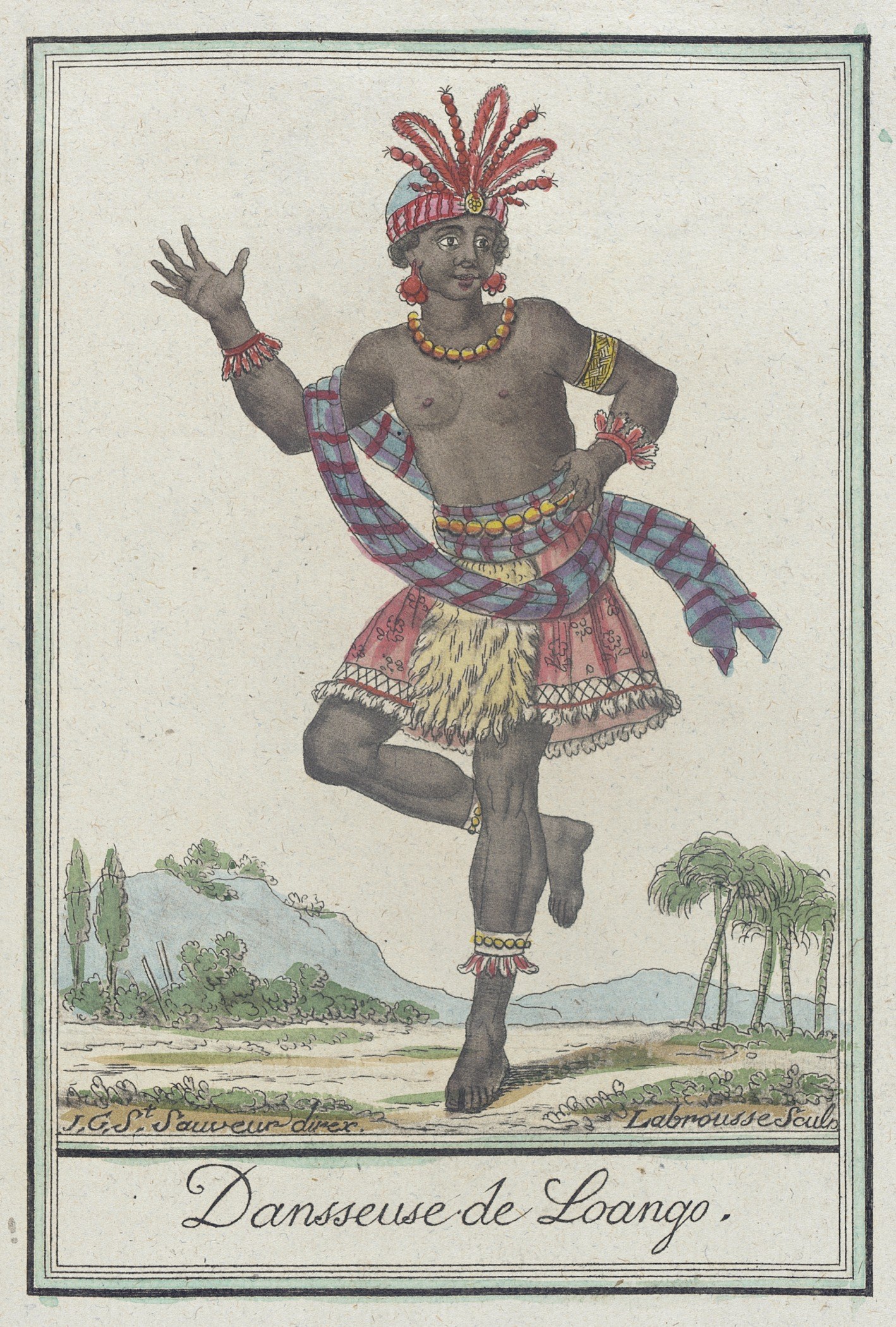
Browse the gallery →Works from the wider Global African Warrior, Ceremonial & Urban tradition — we have not yet identified enough that depict Gumboot Dance specifically.
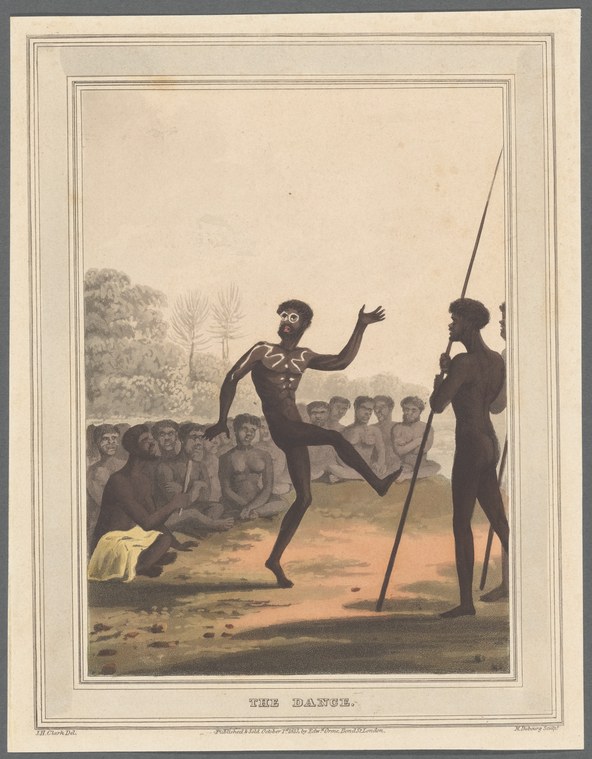
The dance
Unknown artist · 2019
public_domain
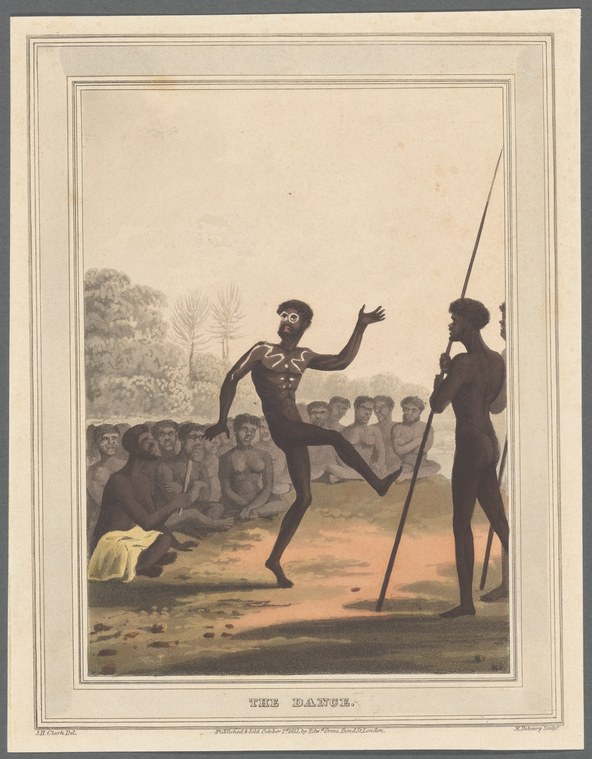
The dance
Unknown artist
public_domain
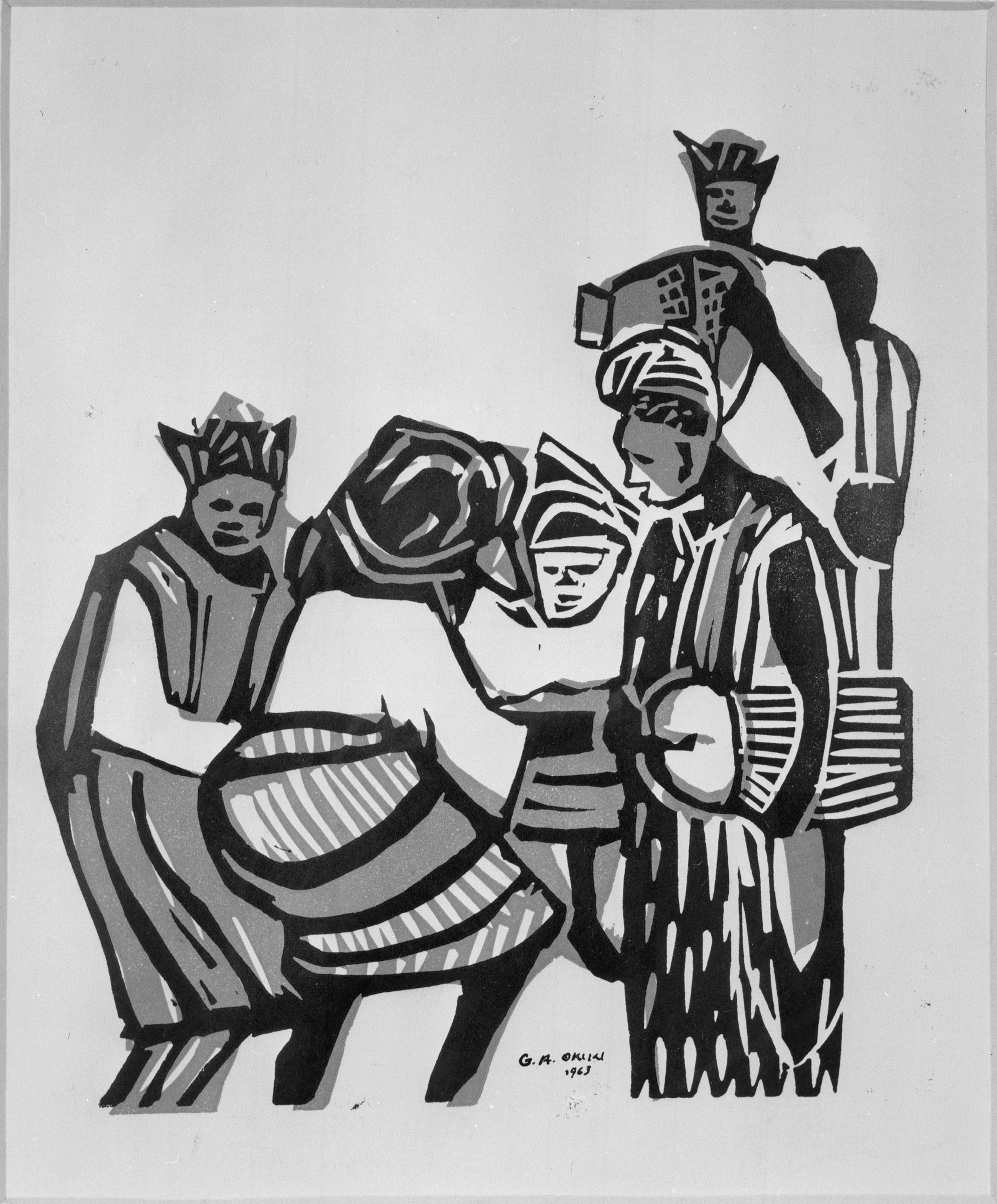
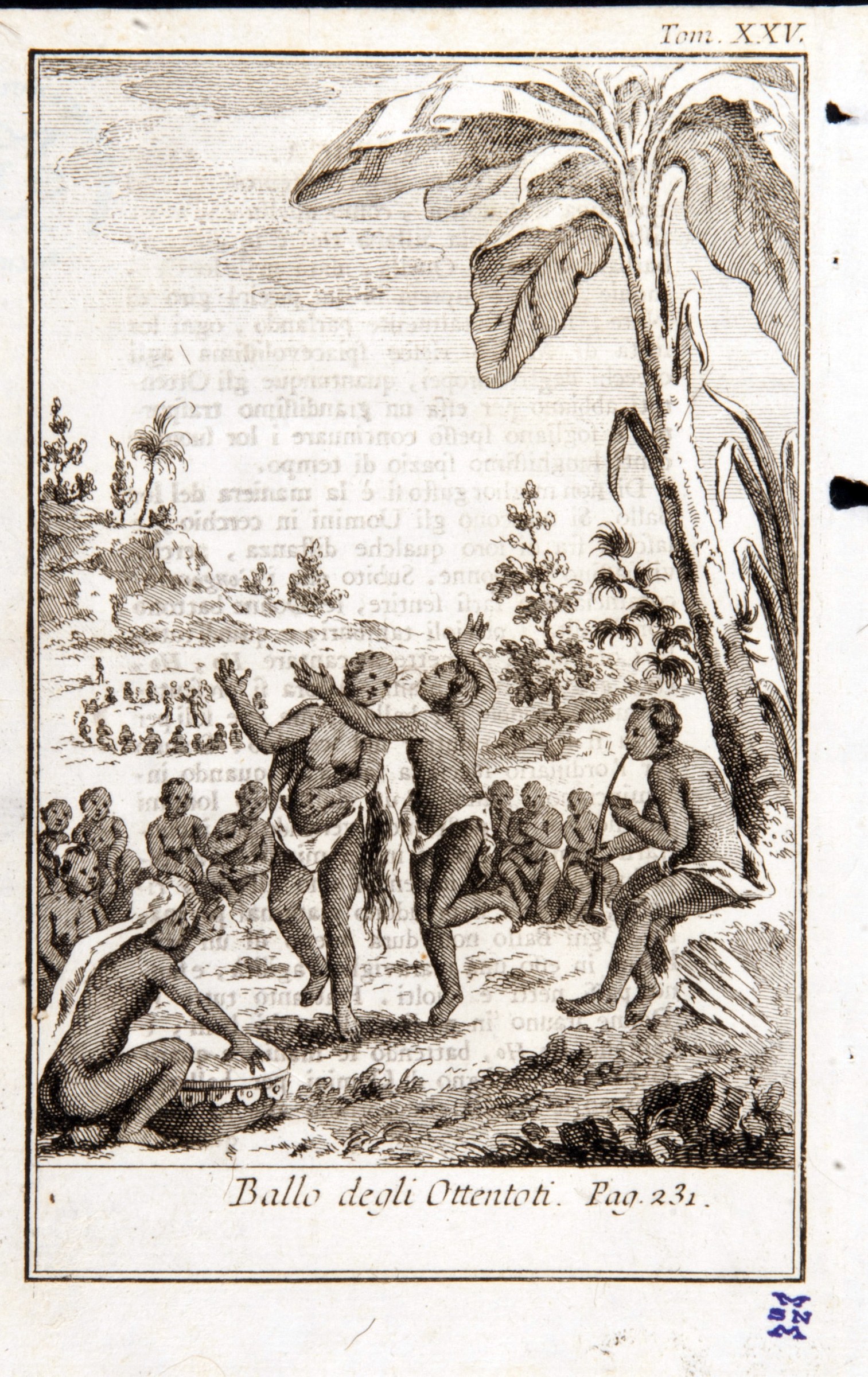
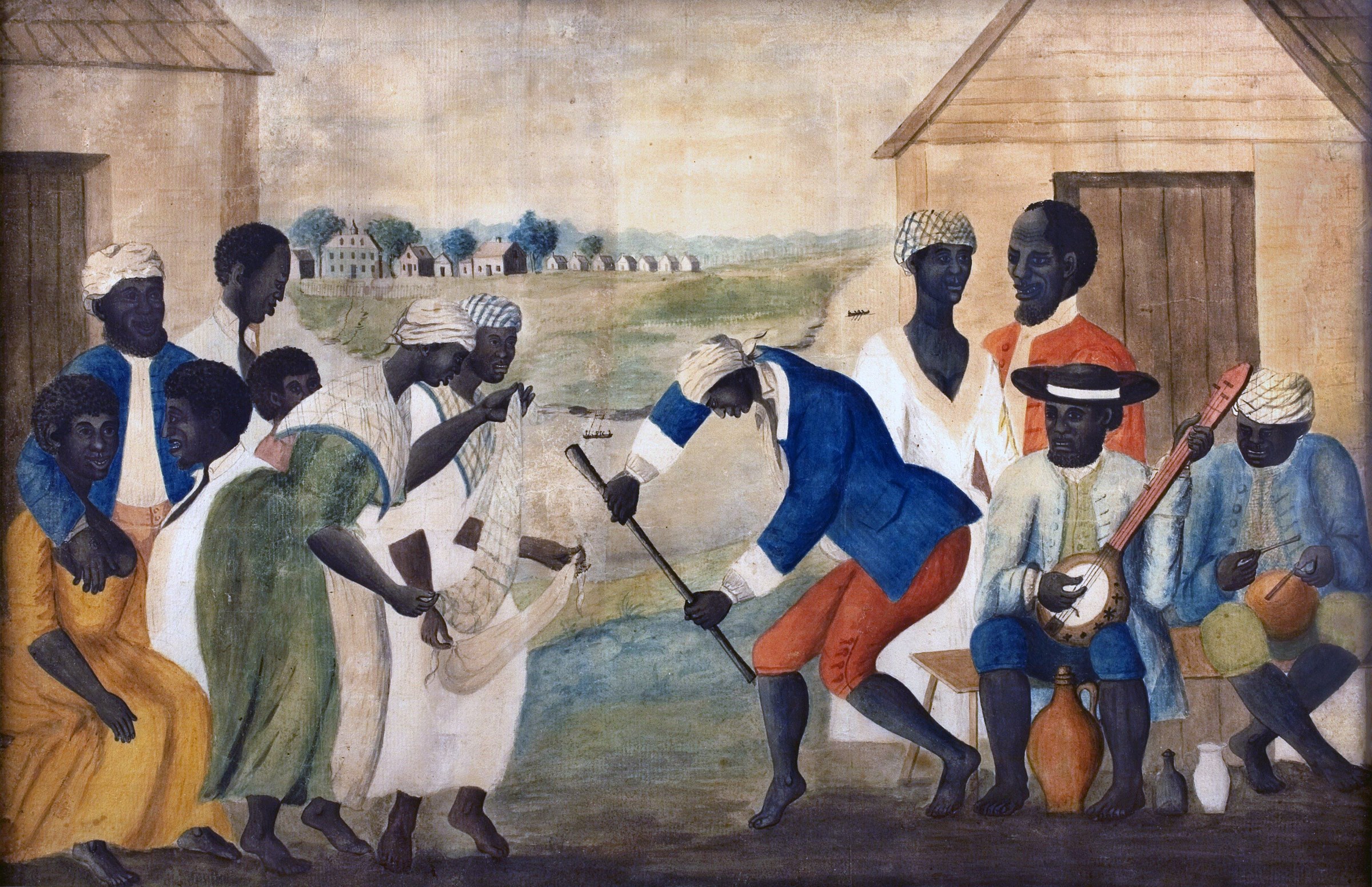
Gullah s carolina 1790
John Rose · 1780
Public Domain
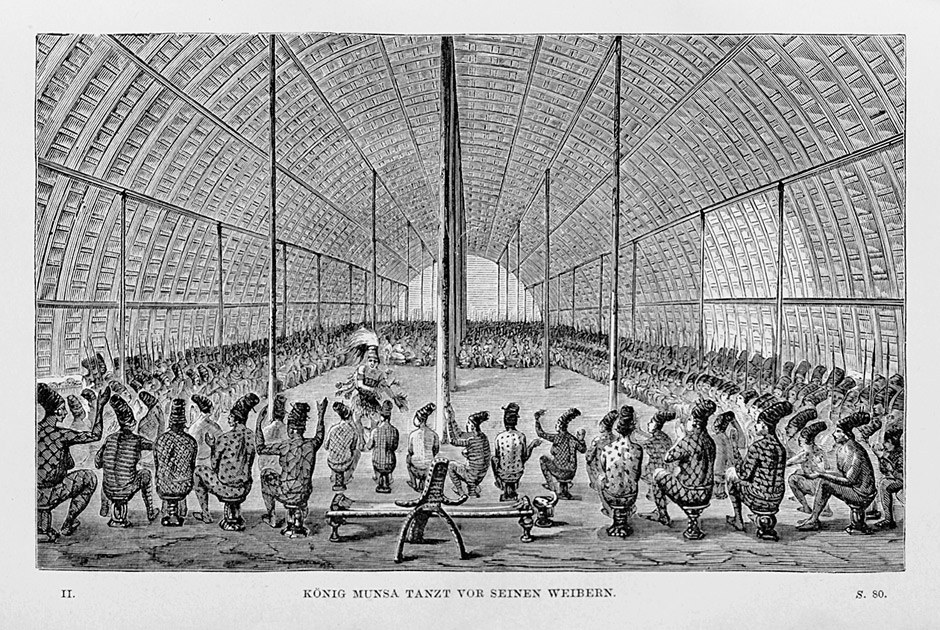
König Munsa tanzt vor seinen Weibern
Unknown · 1874
Public Domain
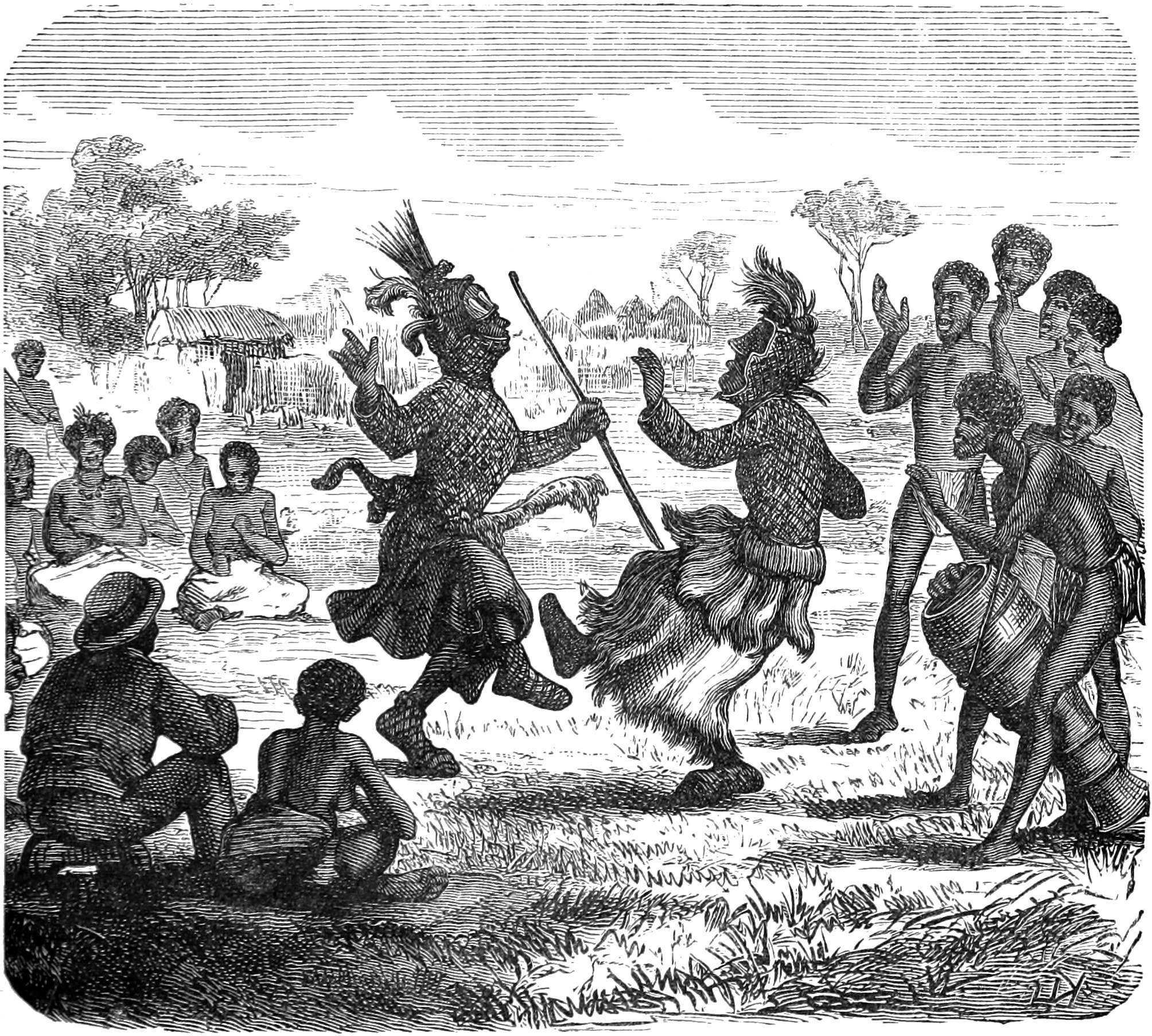
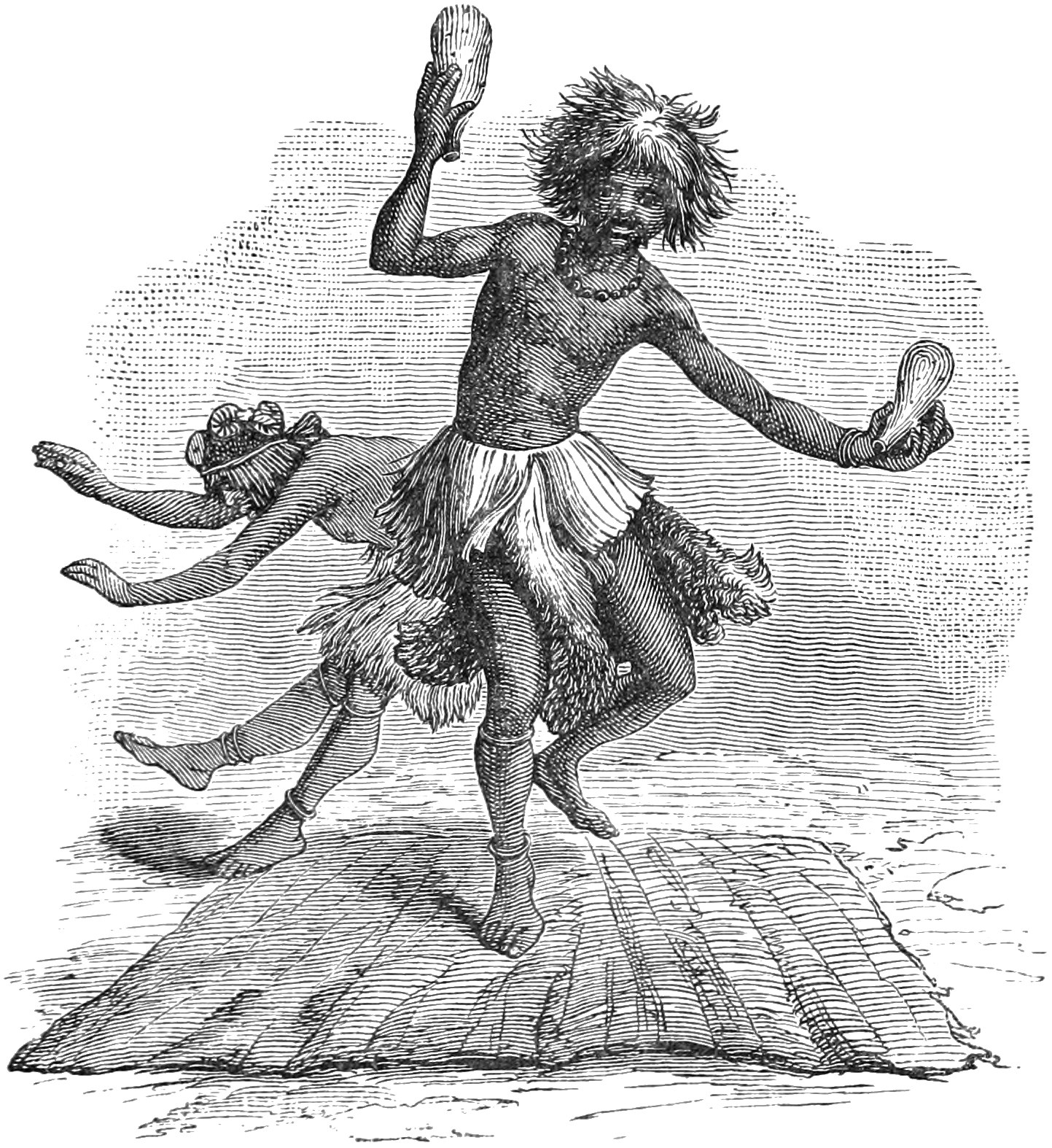
Seven Years in South Africa, page 229, the prophetic dance of the masupias
Unknown · 1881
Public Domain
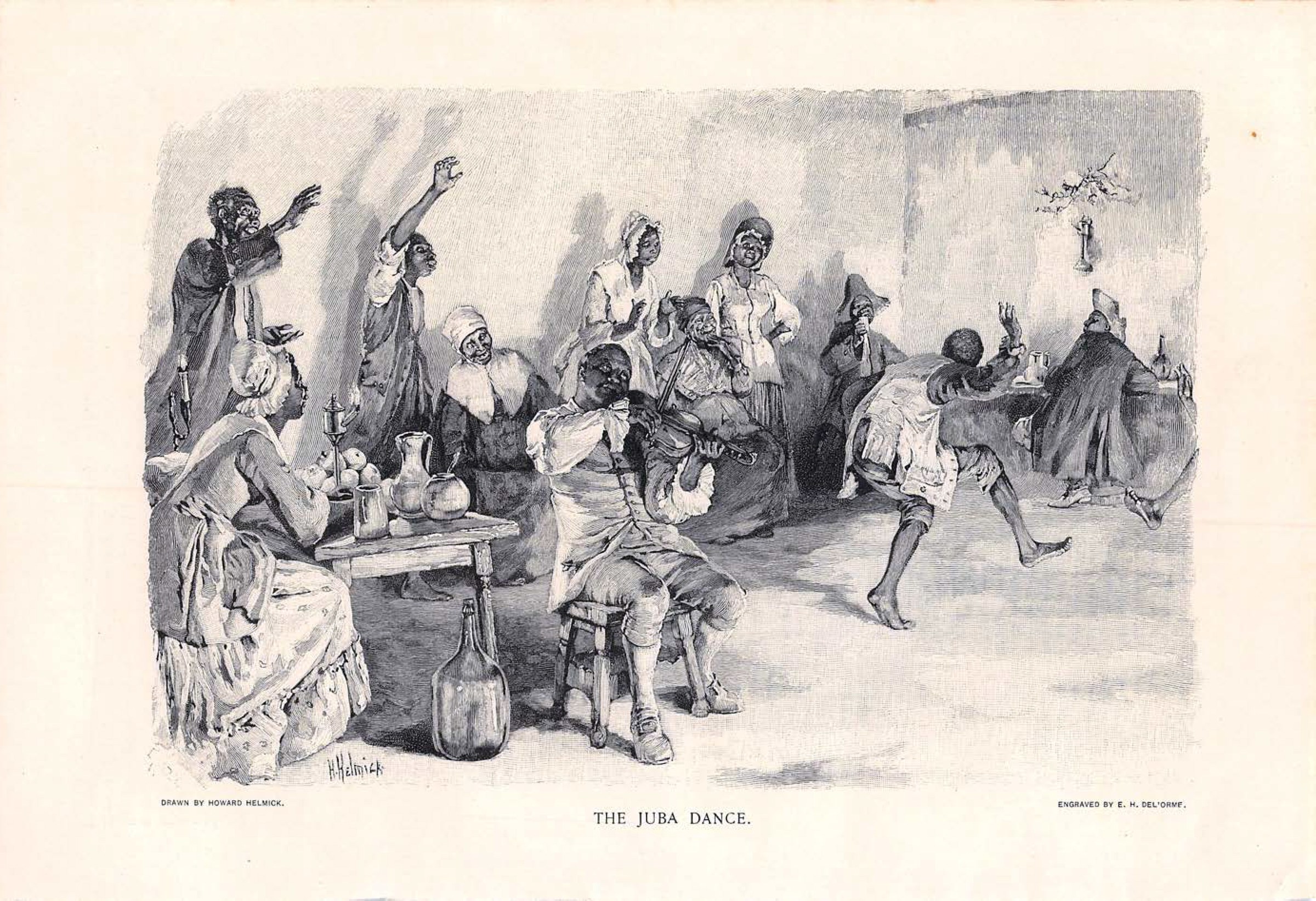
The Juba Dance
H. Hemlick · 1895
Public Domain
Continue Exploring
Lineage of Dance
500 years of dance evolution
Champions of Dance
Winners of marquee national & world titles
Language of Dance
161 dance terms & translations
Listening of Dance
Tempo, timing & musicality tools
Gallery of Dance
5,700+ artworks from museum collections
Attire of Dance
Evolution of dance dress across eras
Keep the thread going
Dance history, technique, and the occasional rabbit hole — in your inbox. Thoughtful, infrequent, unsubscribe anytime.
Free. No spam. One click to leave.