Historic Regency Country
English country dance and Regency-era ballroom dance (1651–c.1850): longways, square, and circular figure-dances documented from John Playford's English Dancing Master (1651) through Thomas Wilson's Complete System of English Country Dancing (1815, 1820), with French cotillons (from 1768) and quadrilles (from 1815) sharing the Regency ballroom.
9 dance styles in this genre
Historical Origins
English country dance is documented in print from John Playford's The English Dancing Master (London, 1651), which preserved 105 dances with figures and tunes. Successive editions and competitors — the Playford Dancing Master series (1651–c.1728), Walsh's Caledonian Country Dances (1748), Longman & Lukey's Cotillons or French Dances (1768), and the Thompson annual country-dance collections (1757–1780s) — expanded the corpus through the 18th century. Its antecedents include earlier English court and gentry dancing and folk practice; direct genealogical descent from the medieval carole is not established in current scholarship.
During the political Regency (1811–1820), when George, Prince of Wales, ruled as Prince Regent for the incapacitated George III, English country dance shared the ballroom with two newer forms: the French cotillon (in English ballrooms from c.1768) and the quadrille (in English ballrooms from c.1815, attested in Paine's First Set, 1815–1816). The broader "Regency era" of British cultural history is conventionally dated c.1795–1837. Thomas Wilson's manuals — An Analysis of Country Dancing (1808, 1811) and The Complete System of English Country Dancing (1815, 1820) — codified the figure vocabulary used in London assembly rooms including Almack's.
The dances used longways, square, and circular formations, with figures defined in published instruction books that made the repertoire accessible to a literate middle-class audience. English country dance remained widely performed through the 19th century and survives today in dedicated communities.
Cultural Significance
English country dance was the dominant social-dance form at British public assemblies and private balls through the late 18th and early 19th centuries, including Almack's Assembly Rooms in London (the most prominent Regency-period subscription ball). Published instruction books made the figure repertoire accessible to literate middle- and gentry-class dancers, and competence in country dance was a documented expectation of polite social life.
Country dance is the most frequently named dance form in Jane Austen's novels — referenced in Pride and Prejudice, Emma, Sense and Sensibility, and Mansfield Park — alongside the cotillion and (in later texts) the quadrille and waltz.
Country dance continues today through institutional channels: the English Folk Dance and Song Society (EFDSS, founded 1932 from Cecil Sharp's earlier collecting work), the Country Dance and Song Society (CDSS, US, founded 1915), Jane Austen Society of North America (JASNA) regional Regency balls, and academic and heritage-led historical-dance groups.
Musical Characteristics
English country-dance tunes are typically in duple meter (most commonly 2/4, 4/4, or 6/8) or triple meter (3/4 or 9/8), with regular 8-bar or 16-bar phrase structures keyed to repeating figure groups. Thomas Wilson's Complete System of English Country Dancing (1815, 1820) sets out explicit music-quantity tables aligning step units to 2-bar, 4-bar, and 8-bar music phrases.
Tunes were printed alongside the figures in the major collections — Playford's Dancing Master series (1651–c.1728) was titled "with the Tunes to each Dance," followed by John Walsh's Caledonian Country Dances (1748) and competitors such as John Johnson (c.1750) and Longman, Lukey & Co. (1768, 1770), plus the Thompson family's annual country-dance collections (Charles and Samuel Thompson, 1757–1780s). Instrumentation specified on title pages is typically treble violin, German flute, oboe, or harpsichord/keyboard, with bass parts for bass violin or harpsichord.
Each named dance has its own tune, and the figure sequence is keyed to specific phrases of that tune; substituting a different tune of matching meter and phrase length is a documented period practice.
Core Movement Principles
English country dance is built around named figures executed in fixed formations:
- LONGWAYS (lines): two lines of couples facing each other; the top couple progresses down the set while others "stand still" until each becomes the top couple in turn. Most dances in the Playford and Wilson corpora are longways "for as many as will." - SQUARE / FOUR-COUPLE: four couples on the sides of a square, used in cotillon and quadrille forms. - CIRCLE / ROUND: all dancers in one continuous ring, used in earlier Playford rounds and a smaller subset of figures.
Hand-holds and arm connections — partner hands, two-hand turns, allemande turns, right-and-left chains, hands across — form the connective tissue between figures. Wilson's Complete System of English Country Dancing (1815) classifies the figures and includes a deportment essay specifying upright carriage, controlled chassé / jeté / assemblé step units, and limited ornamentation.
Steps used in country dance are simpler than the contemporary noble-style or theatrical-ballet vocabulary (Feuillet 1700, Tomlinson 1735): the corpus relies on a small set of traveling steps (chassé, slip, skip, walk) plus standardized turns and hand connections. The lead–follow frame is intermittent — partners separate, cross with neighbors, and re-form throughout each repetition, rather than maintaining the closed frame that later 19th-century ballroom dances introduced.
Modern Usage
English country dance is sustained today through several distinct communities:
- The English Folk Dance and Song Society (EFDSS, founded 1932; UK), continuing Cecil Sharp's collecting and teaching lineage. - The Country Dance and Song Society (CDSS, founded 1915; United States), which maintains weekly dance groups across North America and publishes editions of Playford-era repertoire. - Historical-dance specialists working from Playford, Wilson, and the Paine/Payne quadrille manuals, including the Historical Dance Society (UK) and university-affiliated early-dance ensembles. - The Jane Austen Society of North America (JASNA) regional groups, which organize Regency-era balls drawing on the same primary-source repertoire.
English country dance also appears in Austen film and television adaptations and at historical-recreation events. It does not appear in modern competitive ballroom syllabi (which descend instead from late-19th- and 20th-century social dance forms).
Dance Styles
English Country Dance
Also known as: Country Dance, Contredanse
English Country Dances were group dances in line or square formations, performed to lively music and featured alternating partner exchanges and figures. They became enormously popular in 17th-18th century England and influenced American colonial dance.
Longways Set
Also known as: Longways Dance, Line Set
Longways set dances were English line dances performed in two parallel lines, featuring partner exchanges and figures typical of Regency-era dancing.
Cotillion
Also known as: Cotillon, Quadrille Cotillion
The Cotillion was a square dance for four couples that emerged in 18th-century France as the contredanse française. Its memorized figures alternated with a set of "changes," and it spread to English and American ballrooms in the later 18th century.
Quadrille
Also known as: French Quadrille
The Quadrille was a highly structured square dance for four couples, systematized with five figures and remaining popular throughout the 19th century in aristocratic society.
Scottish Reel
Also known as: Reel, Scottish Reel
The Reel was a rapid Scottish couple or group dance featuring continuous turning and was related to English country dances. It became popular throughout the UK and influenced American square dance.
Round Dance
Also known as: Circular Dance, Ring Dance
Round dance was the 19th-century ballroom category for closed-position couple dances — waltz, polka, schottische, galop, mazurka — that travel counterclockwise around the room, distinguishing them from the era's square dances (quadrille, cotillion) and country dances. Origins are debated; see Sources.
Grand March
Also known as: March, Marche, Grande Marche, Opening March
A processional in march time used to open a formal ball, in which the assembled couples form a single column and are then divided and recombined into twos, fours and eights as they travel the room. It is less a dance than an organising device: it presents everyone in the room to everyone else and delivers a crowded floor into order for the dancing that follows.
Lancers
Also known as: Les Lanciers, Lancers Quadrille, The Lancers Set
A five-figure quadrille set with its own distinct figure content, including a visiting figure in which couples call on each other in turn and a closing figure built on a grand chain danced to march time. After an initial vogue it faded, was revived around the middle of the nineteenth century, and became the set that outlasted every other in the ballroom.
Plain Quadrille
Also known as: The First Set, Quadrille Francais, The Plain Set, First Set of Quadrilles
The standard five-figure set of Le Pantalon, L'Ete, La Poule, La Trenis or La Pastourelle, and the Finale, danced by four couples in a square. This was the default set of the nineteenth-century ballroom, the one a dancer was assumed to know, and the frame against which every other quadrille set was described.
Legends of Historic Regency Country
Dancers, choreographers and teachers whose work shaped the styles in this genre.
Historic Regency Country on screen
Films and television where historic regency country appears, with the sequences worth watching for.

Poster artwork from TMDB.
 This site uses TMDB and the TMDB APIs but is not endorsed, certified, or otherwise approved by TMDB.
Historic Regency Country FAQs
Historic Regency Country in art
Browse the gallery →Works our catalogue identifies as depicting historic regency country.
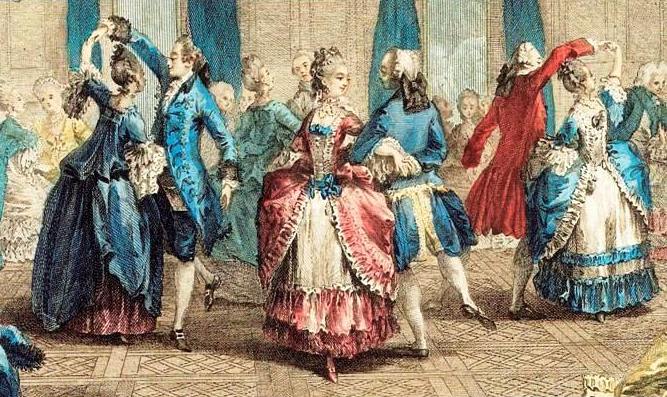
Le Bal paré
Augustin de Saint-Aubin
public_domain
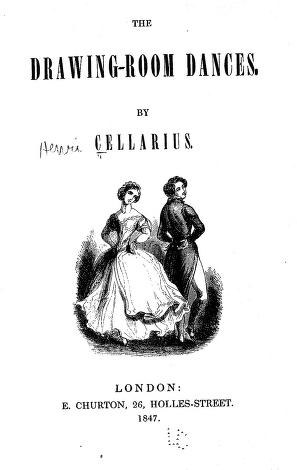
The drawing-room dances
Unknown artist · 1847
public_domain
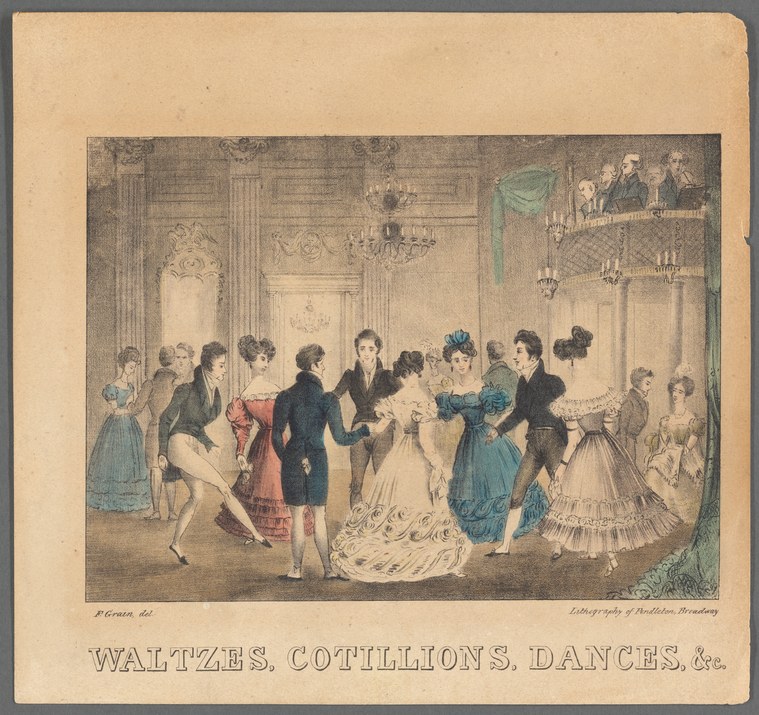
Waltzes, cotillions, dances, &c.
Unknown artist
public_domain
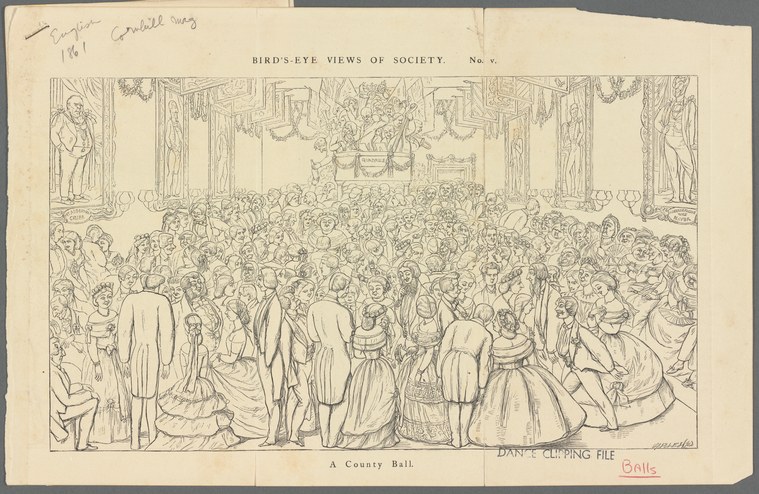
Ballroom scenes
Unknown artist
public_domain
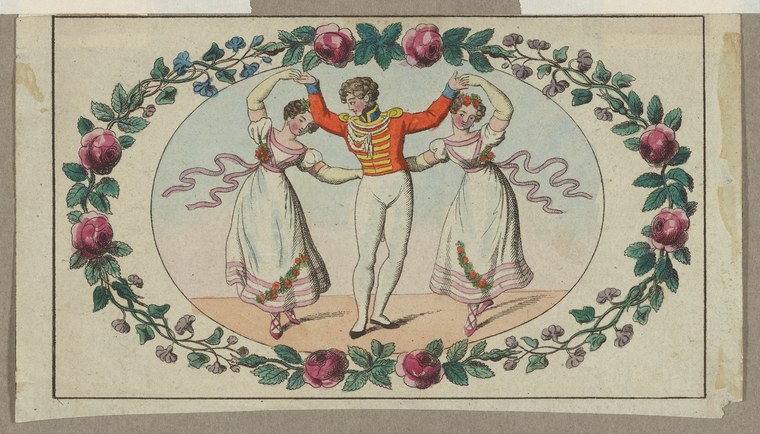
Ballroom dancing
Unknown artist
public_domain
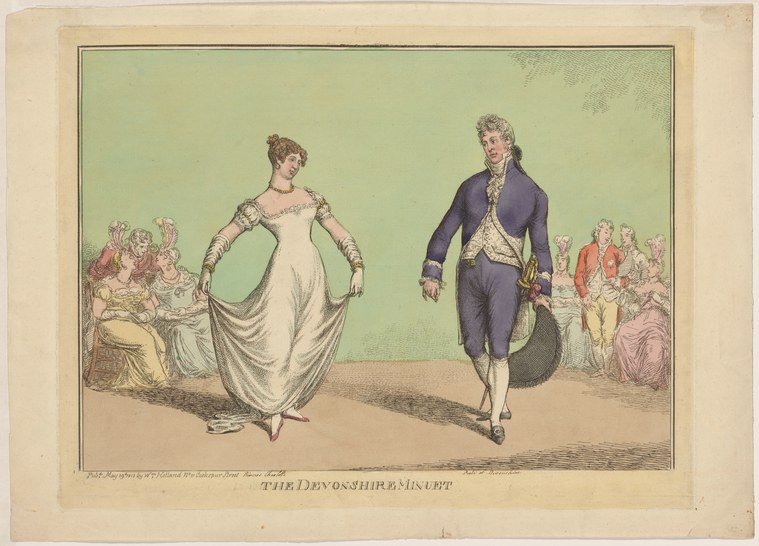
The Devonshire minuet
Unknown artist
public_domain
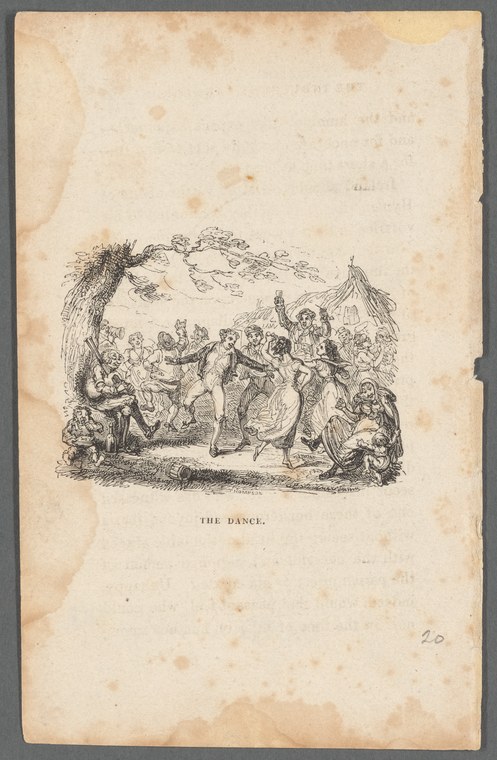
The dance
Unknown artist
public_domain
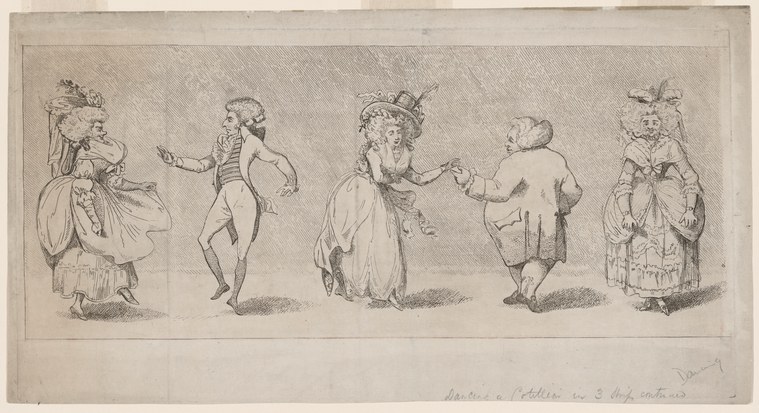
Dancing a cotillion
Unknown artist · 2019
public_domain
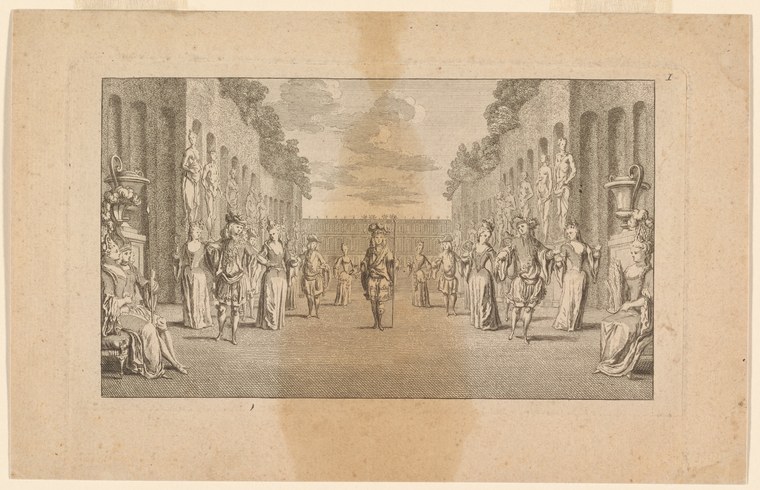
Scene de ballet
Unknown artist
public_domain
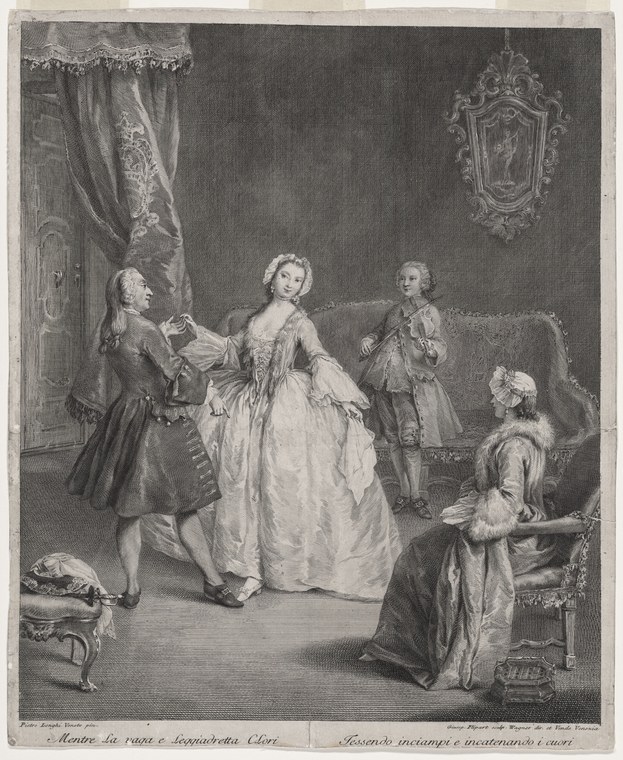
The dancing lesson
Unknown artist · 2019
public_domain
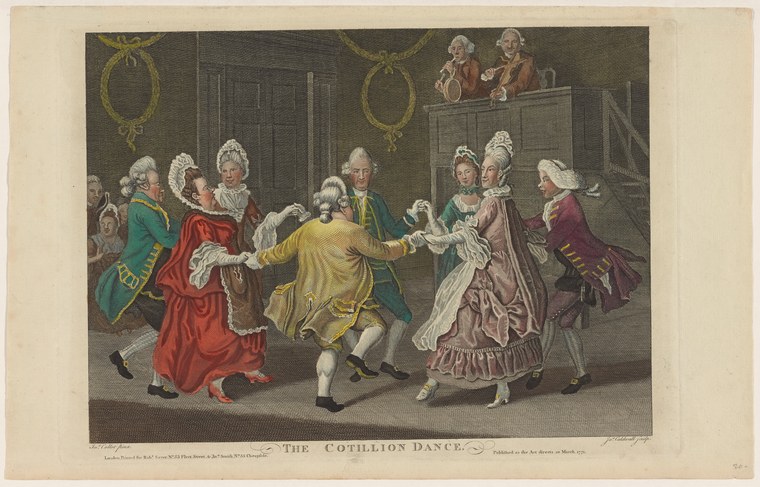
The cotillion dance
Unknown artist
public_domain