Historic Renaissance Court
Stately Renaissance court dances from 15th-16th century Italian and French courts, emphasizing geometric patterns and noble bearing.
7 dance styles in this genre
Historical Origins
Renaissance court dances developed in Italy and France during the 15th and 16th centuries as refined social activities for aristocratic courts. These dances evolved from medieval social traditions but reflected the Renaissance values of grace, proportion, and humanistic expression. Italian dance master Guglielmo Ebreo da Pesaro documented choreographies in his 1463 treatise De pratica seu arte tripudii (BnF italien 973), establishing one of the earliest written records of formal court-dance technique and choreographic notation. By the late sixteenth century, the French dance tradition was codified in Thoinot Arbeau's Orchesographie (Lengres, 1589), and the Italian tradition in Fabritio Caroso's Il Ballarino (Venice, 1581) and Nobiltà di Dame (Venice, 1600) — establishing the parallel Franco-Italian print record of Renaissance court dance. Renaissance dances were performed at court celebrations, state occasions, and formal social gatherings. The dances reflected the era's geometric and harmonic aesthetic principles, with movement patterns creating visual patterns and demonstrating courtly refinement. Dance masters held high social status, training nobles in proper technique and comportment.
Cultural Significance
Renaissance court dances served as markers of social status, courtly sophistication, and proper nobility. The ability to dance gracefully was essential to aristocratic identity and courtship. These dances reflected the period humanist aesthetic priorities — proportion, measure, and decorum — values articulated in the dance treatises of Guglielmo Ebreo (1463) and later in the prefatory matter of Caroso Il Ballarino (1581). Participation in court dances affirmed one's place in the social hierarchy and one's education in courtly arts. Dance instruction was integral to noble education, alongside music, poetry, and other accomplishments. Renaissance court dances maintained cultural significance as expressions of artistic ideals and social order, with dance serving political functions in diplomatic ceremonies and royal celebrations. Today, historical reconstruction of these dances connects modern practitioners to Renaissance aesthetics and courtly life.
Musical Characteristics
Renaissance court dances were performed to instrumental music featuring harps, lutes, vielles (bowed string instruments), recorders, and early keyboard instruments. The music typically followed clear metrical patterns with duple (double) meters predominating, though triple meter dances also existed. Characteristic dances included the Pavane (slow and stately, in duple meter) and the Galliard (lively, in triple meter), both documented by Arbeau (1589) and Caroso (1581). The Almain (Allemande) appears in the late-Renaissance French and English sources (Arbeau 1589; Inns of Court manuscripts), though its mature codification belongs to the Baroque suite. The Courante is principally a Baroque-era dance and is grouped with the Baroque genre on LODance; see Historic Baroque Court. The music featured distinctive rhythmic patterns that defined each dance type. Composers created variations on standard dance forms, with each piece clearly establishing the dance's character and tempo. The music emphasized clarity and structural definition, allowing dancers to execute precise geometric patterns and synchronized group movements.
Core Movement Principles
Renaissance court dances emphasized upright carriage, restrained movement, and geometric precision. Dancers maintained dignified posture reflecting courtly bearing, with limited vertical movement. Footwork patterns were specific and formally defined, with dances built on standardized figures that could be learned and executed by trained courtiers. Movement created visual patterns, often with dancers arranging themselves in lines, circles, or other geometric formations. Arm and hand gestures were refined and formally defined, never appearing casual or improvisational. The pace was deliberate and measured, emphasizing control and precision. Courtship elements were embedded in some dances, with men and women demonstrating respect and refined interaction through structured choreography. The overall aesthetic valued order, harmony, elegance, and the display of courtly accomplishment.
Modern Usage
Renaissance court dances are reconstructed and performed today primarily in historical recreation contexts, educational settings, and specialized historical dance communities. Scholars and dance practitioners research period treatises to reconstruct authentic techniques and choreographies. Historical dance ensembles perform these dances at Renaissance festivals, educational institutions, and concert presentations. Dance instructors teach Renaissance court dances to students interested in historical dance and cultural connection. Performing arts organizations may incorporate reconstructed Renaissance dances into theatrical productions set in historical periods. University dance programs sometimes include Renaissance dance in historical dance curricula. Enthusiasts participate in living history events and Renaissance faires. While not widely practiced as social dance today, Renaissance court dances remain important for understanding dance history, courtly culture, and Renaissance aesthetics.
Dance Styles
Pavane
Also known as: Pavan, Paduana
The Pavane was a slow, stately processional dance of the Renaissance courts, featuring symmetrical figures and noble bearing. Paired with the galliard in the pavane-galliard suite, it dominated aristocratic dancing from the 1520s through the 17th century.
Galliard
Also known as: Gaillarde, Volte
The Galliard was a fast, athletic Renaissance dance featuring high kicks, jumps, and intricate footwork. Typically paired with the Pavane, it provided exciting contrast and showcased individual skill and virtuosity.
Branle
Also known as: Brawl, Bransl
The Branle was a French group dance featuring side-to-side stepping in formations, often performed as a processional or chain. It became a versatile social dance popular across all social classes.
Almain
Also known as: Alman, Allemande, German Dance
The Almain was a stately Renaissance couple dance whose name means "German," built on walking and double steps in duple meter. First recorded in the early 16th century, it was danced in courts across Europe through the early 17th century.
Volta
Also known as: Volte, Turning Galliard
The Volta was a late-16th-century couple dance, related to the galliard, whose defining figure is a turn in which the leader assists the follower's lift. It was documented at the French and English courts and described by Arbeau (1588), Caroso (1581/1600), and Negri (1602).
Allemande
Also known as: Almain, Alman, Almand, Almande
A grave duple-time couple dance in which a file of couples travels up and down the hall, built on a plain pattern of three steps and a lift, usually with a quicker section at the end. It is one of the simplest social dances of the period, which is precisely why it was danced by everyone in the room rather than only by the trained.
Basse Danse
Also known as: Bassadanza, Bassedanse, Low dance
The stately couple dance of fifteenth-century court life, danced with the feet kept close to the floor, which is what low means here and what distinguished it from the leaping dances that usually followed it. It is the earliest European social dance whose step sequences were recorded in a form that can still be read, so it marks the beginning of the documentary record for social dance.
Legends of Historic Renaissance Court
Dancers, choreographers and teachers whose work shaped the styles in this genre.
Historic Renaissance Court on screen
Films and television where historic renaissance court appears, with the sequences worth watching for.
 This site uses TMDB and the TMDB APIs but is not endorsed, certified, or otherwise approved by TMDB.
Historic Renaissance Court FAQs
Historic Renaissance Court in art
Browse the gallery →Works our catalogue identifies as depicting historic renaissance court.
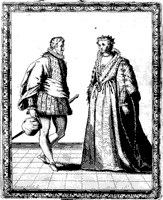
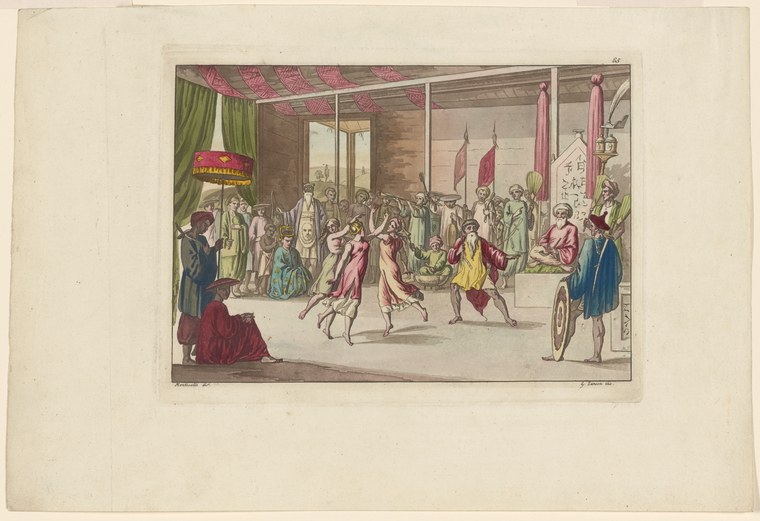
Oriental dance
Unknown artist · 2019
public_domain
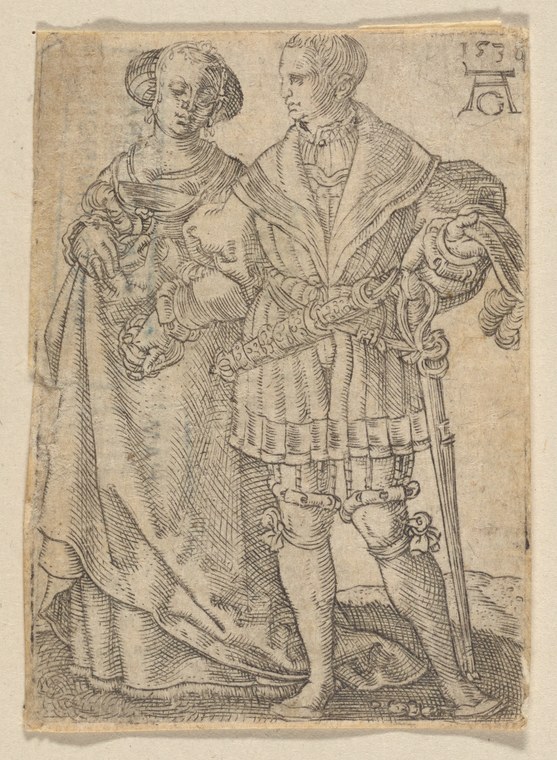
Dancing Couple
Unknown artist
public_domain
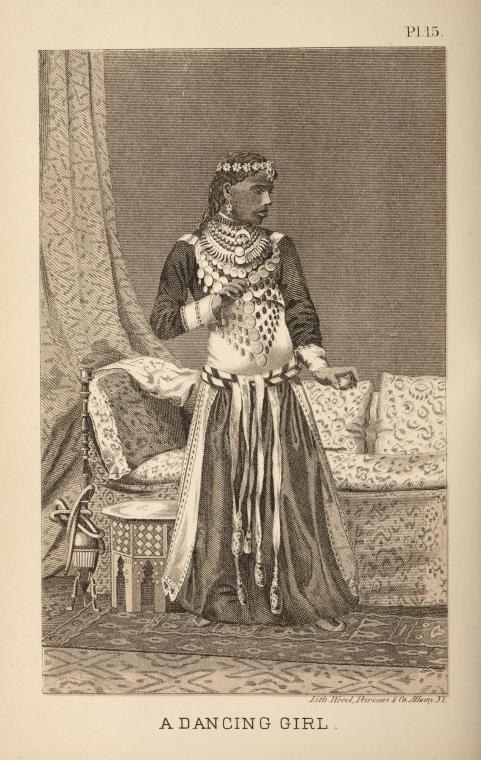
A dancing girl.
Unknown artist · 2018
public_domain
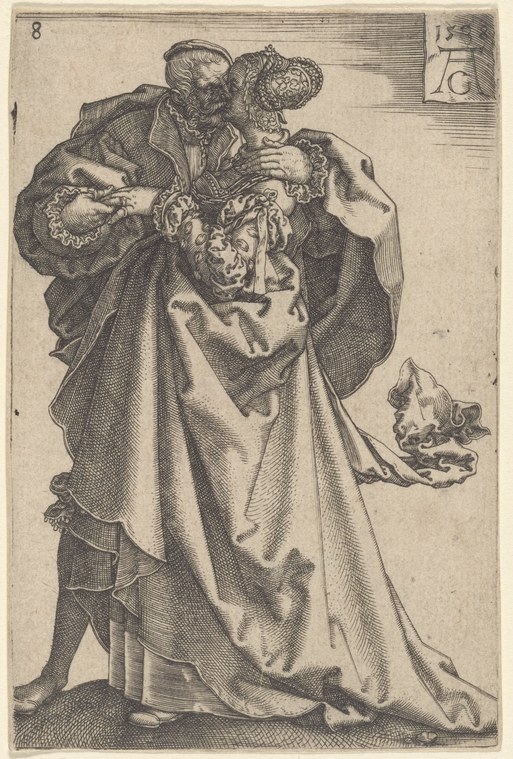
Dancing Couple
Unknown artist · 2015
public_domain
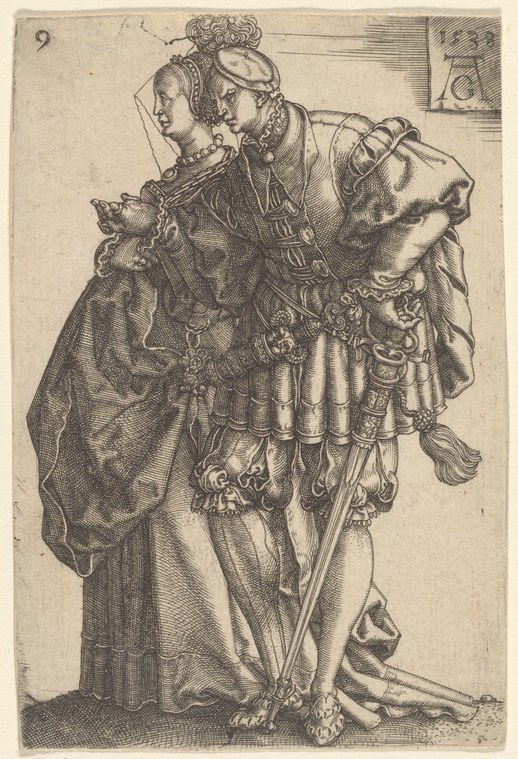
Dancing Couple
Unknown artist · 2015
public_domain
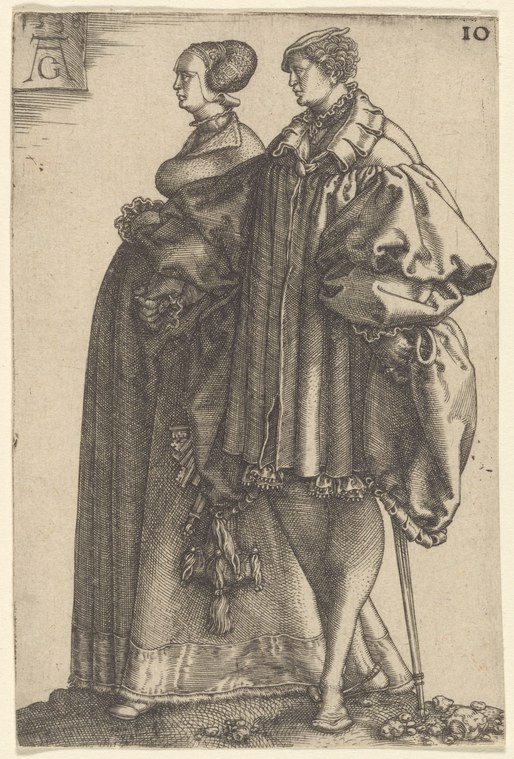
Dancing Couple
Unknown artist · 2015
public_domain
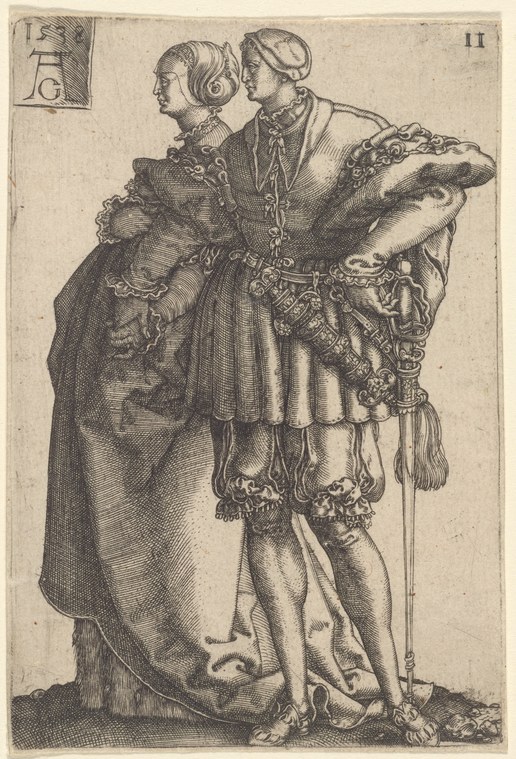
Dancing Couple
Unknown artist · 2015
public_domain
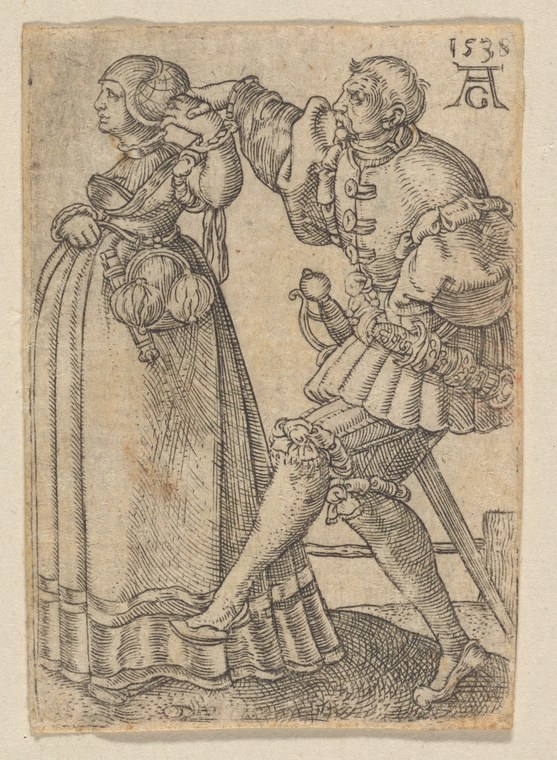
Dancing Couple
Unknown artist · 2015
public_domain
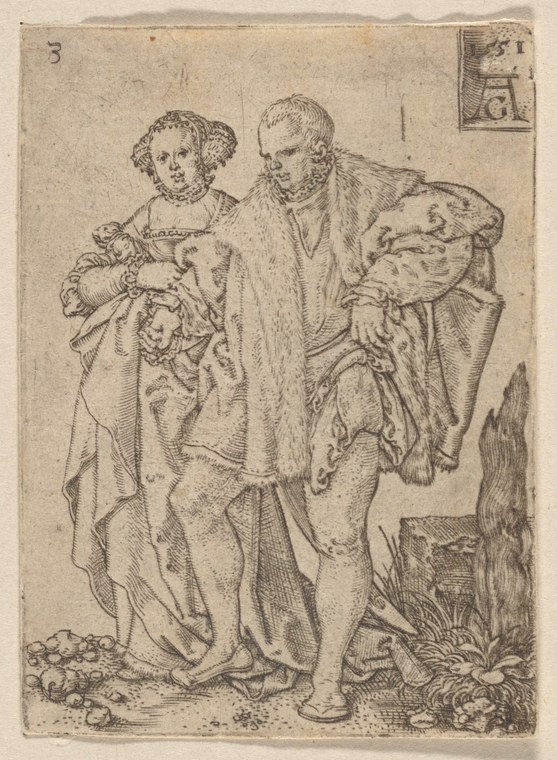
Dancing Couple
Unknown artist · 2015
public_domain
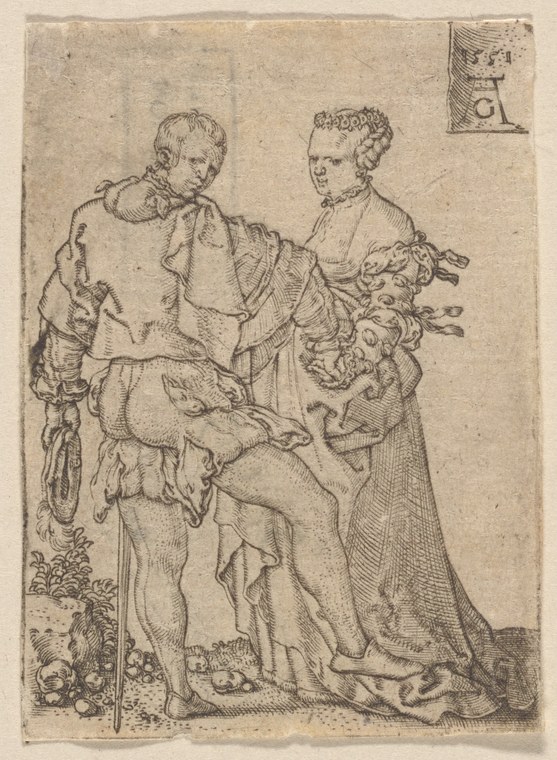
Dancing Couple
Unknown artist · 2015
public_domain
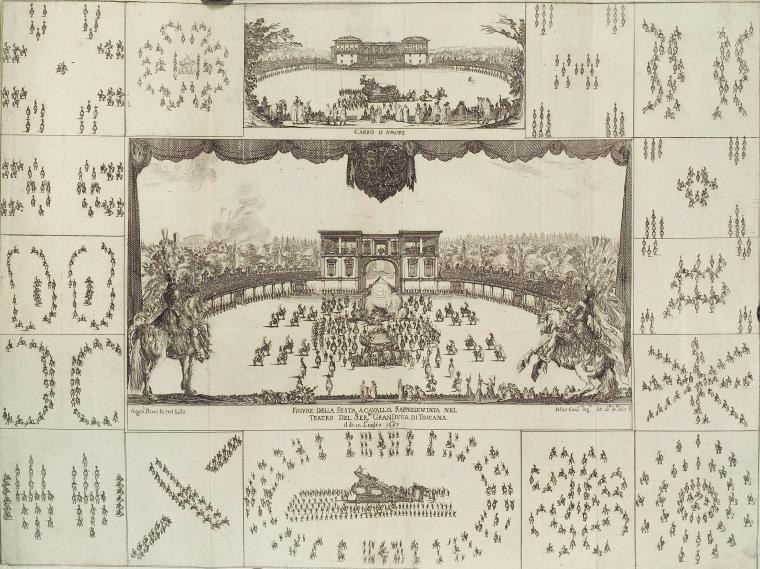
Horse ballet
Unknown artist
public_domain