Branle
Also known as: Brawl, Bransl
- Origin
- France
- Era
- 1520–1620
- Rhythm
- 2/2 time
- Tempo
- 80-120 BPM
- Character
- Social, energetic, inclusive, processional
History & Cultural Context
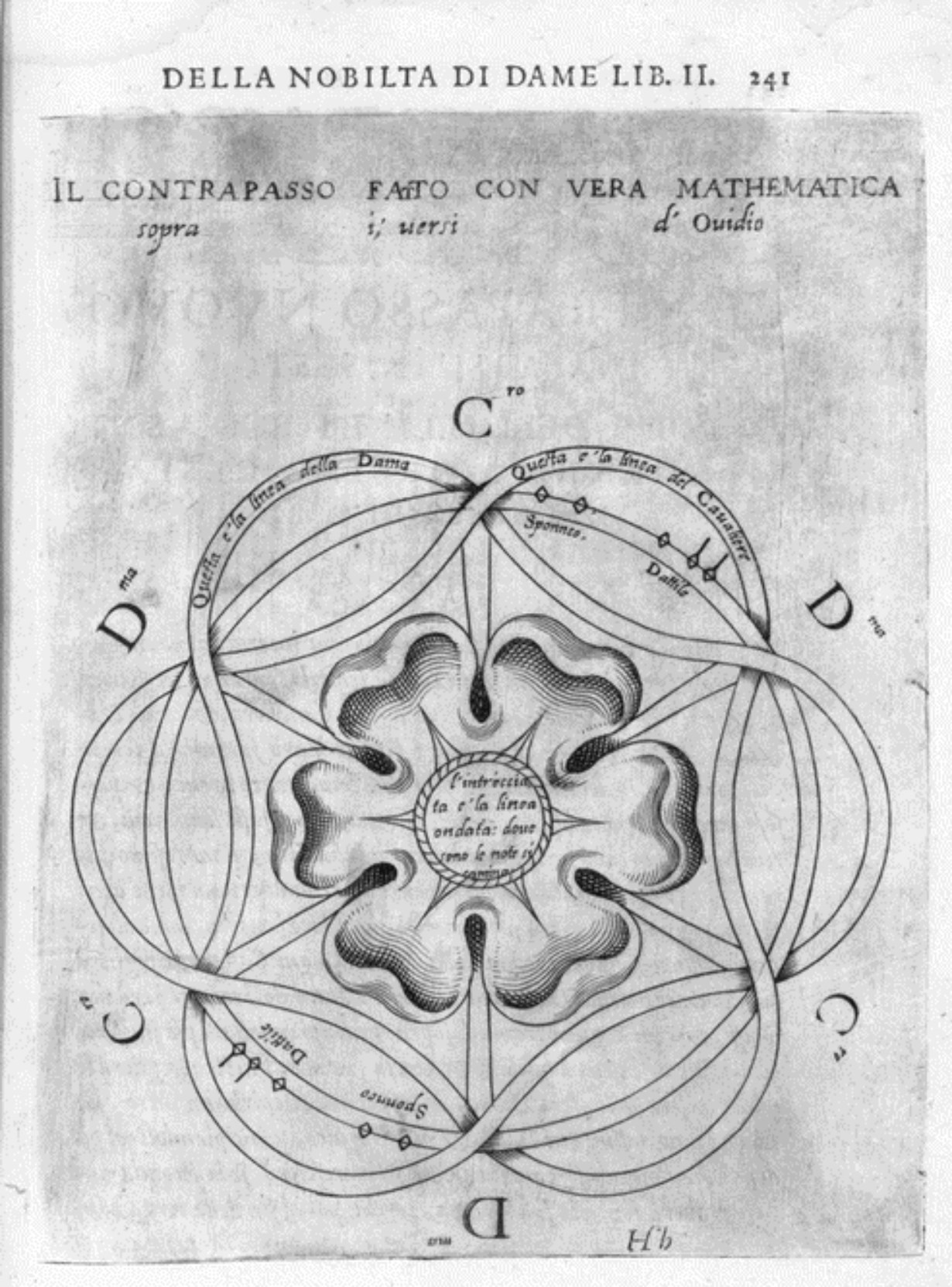
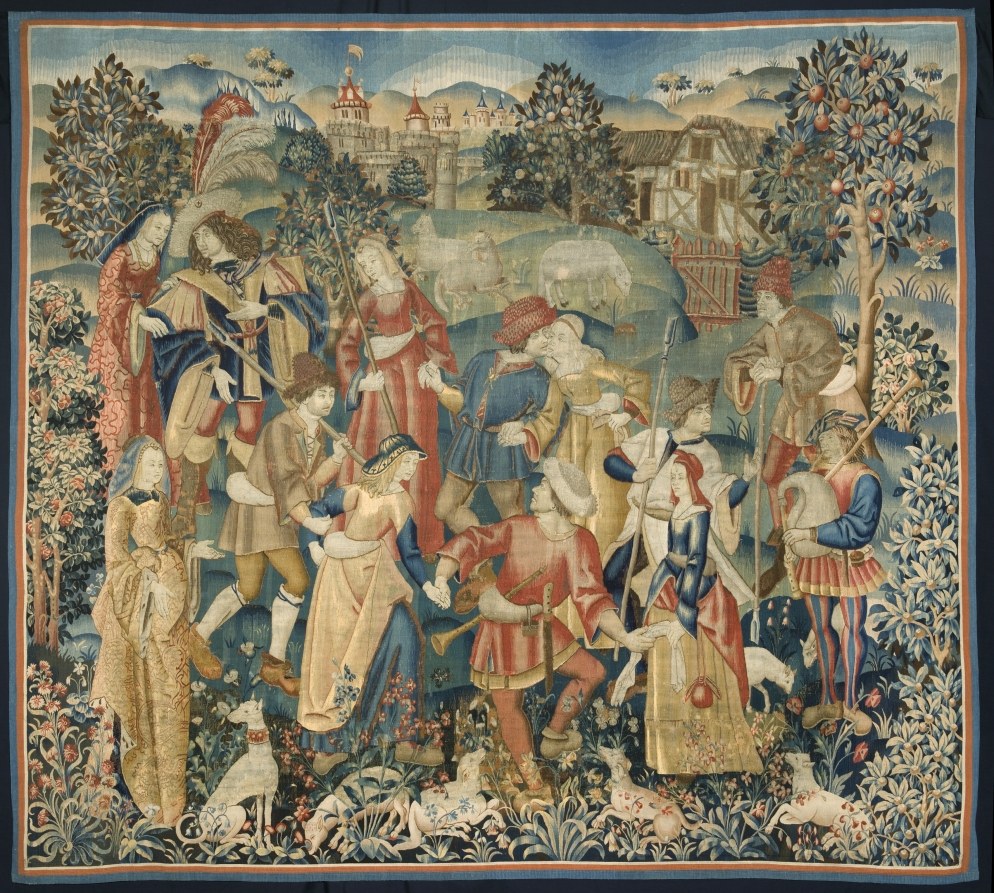
The Branle emerged in France during the early 16th century as a social dance performed in group formations. Unlike the elaborate court pavane and galliard, the Branle featured simpler steps and side-to-side motion, making it accessible to all social levels. The dance was typically performed in a line or circle with partners or groups holding hands. Branle variations included the double, simple, and gay branles, each with distinct characteristics. The dance became particularly popular in the later 16th and early 17th centuries and was documented extensively by dance masters including Thoinot Arbeau. The Branle's simplicity and sociability made it one of the most enduring Renaissance dances.
Cultural Significance
The Branle democratized court dancing by making group social dance accessible to all social classes. Its popularity reflected Renaissance interest in inclusive social activities. The dance's simplicity and adaptability made it enduring, influencing later country dances and community celebrations.
Notable Codifiers
- Thoinot Arbeau
- Fabrizio Caroso
Dance Lineage
Branle Playlists
Curated collections on the LODance YouTube channel — performances to watch, lessons to learn from, and the right music to practice with. Tap a collection to play.
▶ Performances · Open on YouTube →
Branle Music & Tempo
Drawn from 25 Branle tracks in the LODance music library.
Example tracks at practice tempo
- Branle de la Torche from Terpsichore — Michael Praetorius100 BPM
- Branle Gay — Pierre Attaingnant112 BPM
- Branle de la Torche — Michael Praetorius120 BPM
- Branle de Bourgogne — Tielman Susato116 BPM
- Branle Coupé — Thoinot Arbeau116 BPM
- Sing We and Chant It — Thomas Morley116 BPM
Who governs Branle
Federations, councils and examining bodies with a recorded role in this style. No single organisation can tell you this — each one knows only itself.
Branle in performance
One staged work in the Limelight catalogue contains Branle — 1 of them in a named act or number.
- Agon1957Ballet · George BalanchineAct III · Bransle simple
Part III, the Bransle simple, Bransle gay and Bransle double forming the second pas-de-trois — A sequence of three dances built on the bransle: a duet for two men, a solo for one woman, and a trio combining all three, mirroring the score's separate then com…
Every claim above is quoted from a cited source and names where in the work the style appears. Claims we could not place or could not quote are held back from this list and shown on the work’s own page instead. Browse the full performance catalogue →
What to Wear
Attire guidance for Branle and other Historic Renaissance Court dances. Each card below is sized to the moment — class, practice, social, or competition — because the wardrobe shifts as the stakes do.
Reading the cards
In Class
Comfortable shoes with low heels, regular practice wear. Some instructors encourage long skirts for women to practice managing fabric.
Social Dancing
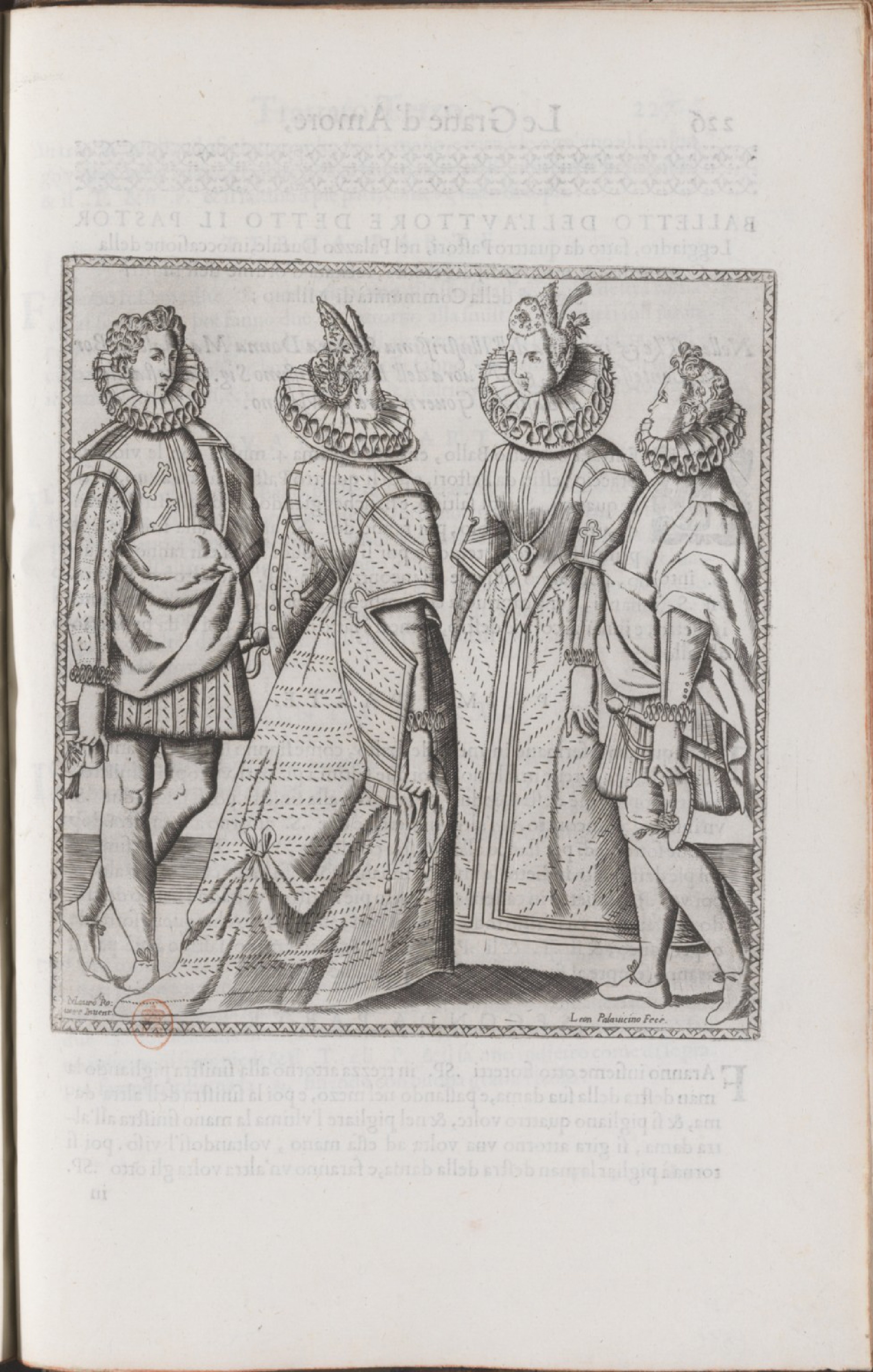
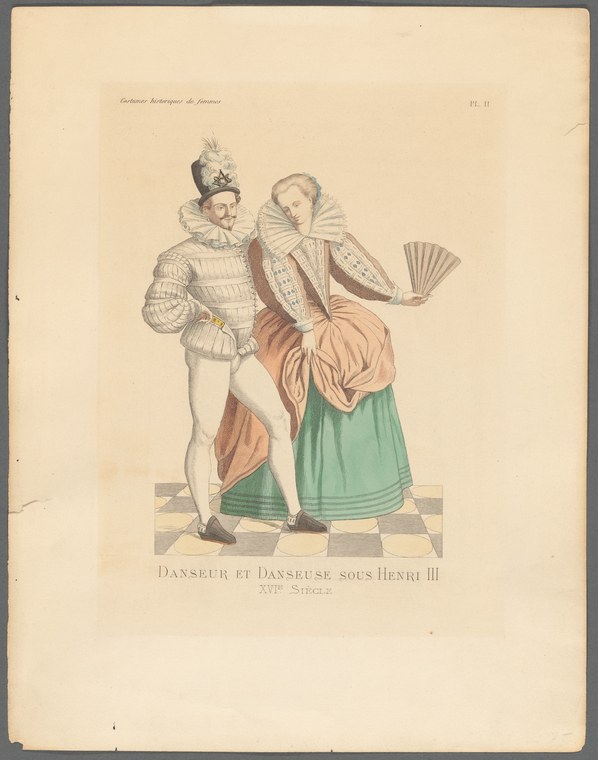
Renaissance faires and historical dance balls: period costume expected (gowns, doublets). Academic reconstruction groups range from full costume to smart casual.
Competition
Performance-only; full Renaissance period costume for staged demonstrations.
Shoes
Flat or low-heeled soft shoes. Renaissance dance shoes were essentially soft leather slippers. Modern equivalent: jazz shoes or soft ballet shoes with leather soles.
In Practice
Long skirt practice teaches fabric management; many groups keep one practice skirt available even for participants who normally wear pants.
Price Range
- Budget: Soft ballet shoes or jazz shoes $30–80; long practice skirt $40–100.
- Mid: Reproduction Renaissance footwear $120–250; commissioned period gowns $300–1,000.
- Premium: Hand-stitched reproduction costume $1,500–6,000+.
Quick Tips
- •Suede-soled shoes allow controlled sliding and pivoting — essential for most partner dances.
- •Avoid rubber soles on dance floors; they grip too much and can cause knee injuries.
- •Bring a separate pair of clean shoes for the dance floor to keep it in good condition.
Sources & Further Reading
Where This Dance Is Documented
Thoinot Arbeau – Orchésographie (1589)
An editor's note on where the technique for this dance is actually written down — sometimes a named book, sometimes the fact that no such book exists. A judgement, not a count of what we hold.
Cultural & Historical Context
Branle emerged from France during the 1520s—1620s. Understanding the cultural roots, musical traditions, and social circumstances of this era enriches appreciation for the dance's characteristics and significance.
Formative Influences
Codifiers & Standardizers:
Thoinot Arbeau, Fabrizio Caroso
Primary Source Documents
The Library of Dance contains public-domain primary sources for dance history. Copyrighted modern syllabi are indexed with purchase links to their respective copyright owners. Search by dance name or codifier to discover primary source documents.
Last reviewed: October 2026 — This dance profile synthesizes historical research, cultural documentation, and contemporary practice knowledge to provide authoritative context.
Related Dances
More in Historic Renaissance Court
Pavane
The Pavane was a slow, stately processional dance of the Renaissance courts, featuring symmetrical figures and noble bearing. Paired with the galliard in the pavane-galliard suite, it dominated aristocratic dancing from the 1520s through the 17th century.
Galliard
The Galliard was a fast, athletic Renaissance dance featuring high kicks, jumps, and intricate footwork. Typically paired with the Pavane, it provided exciting contrast and showcased individual skill and virtuosity.
Almain
The Almain was a stately Renaissance couple dance whose name means "German," built on walking and double steps in duple meter. First recorded in the early 16th century, it was danced in courts across Europe through the early 17th century.
Volta
The Volta was a late-16th-century couple dance, related to the galliard, whose defining figure is a turn in which the leader assists the follower's lift. It was documented at the French and English courts and described by Arbeau (1588), Caroso (1581/1600), and Negri (1602).
Allemande
A grave duple-time couple dance in which a file of couples travels up and down the hall, built on a plain pattern of three steps and a lift, usually with a quicker section at the end. It is one of the simplest social dances of the period, which is precisely why it was danced by everyone in the room rather than only by the trained.
Basse Danse
The stately couple dance of fifteenth-century court life, danced with the feet kept close to the floor, which is what low means here and what distinguished it from the leaping dances that usually followed it. It is the earliest European social dance whose step sequences were recorded in a form that can still be read, so it marks the beginning of the documentary record for social dance.
Branle in art
Browse the gallery →Works our catalogue identifies as depicting branle.
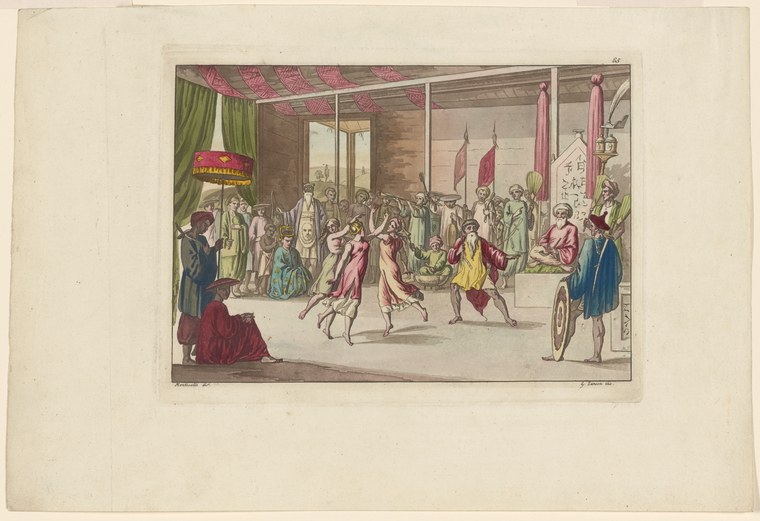
Oriental dance
Unknown artist · 2019
public_domain
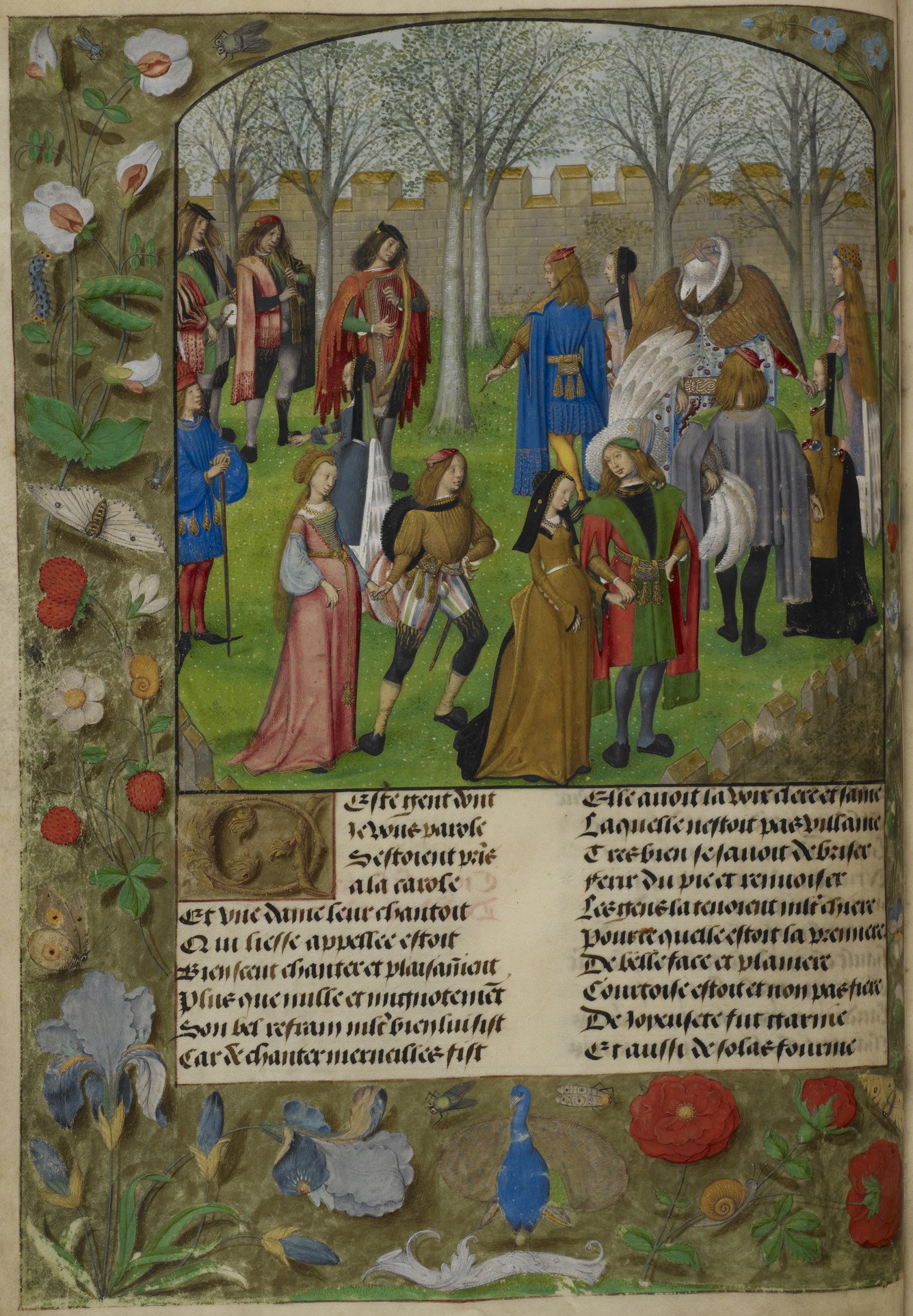
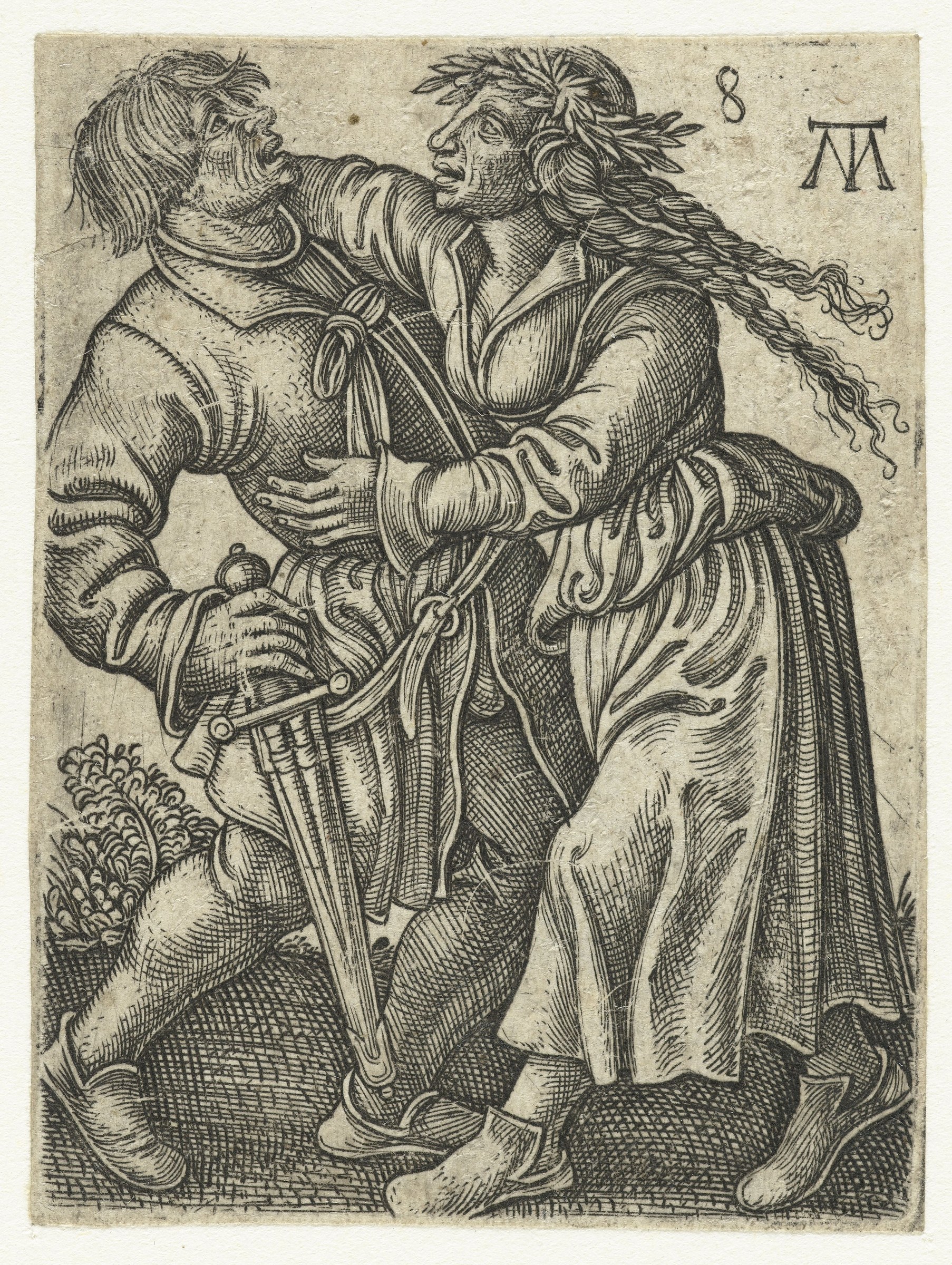
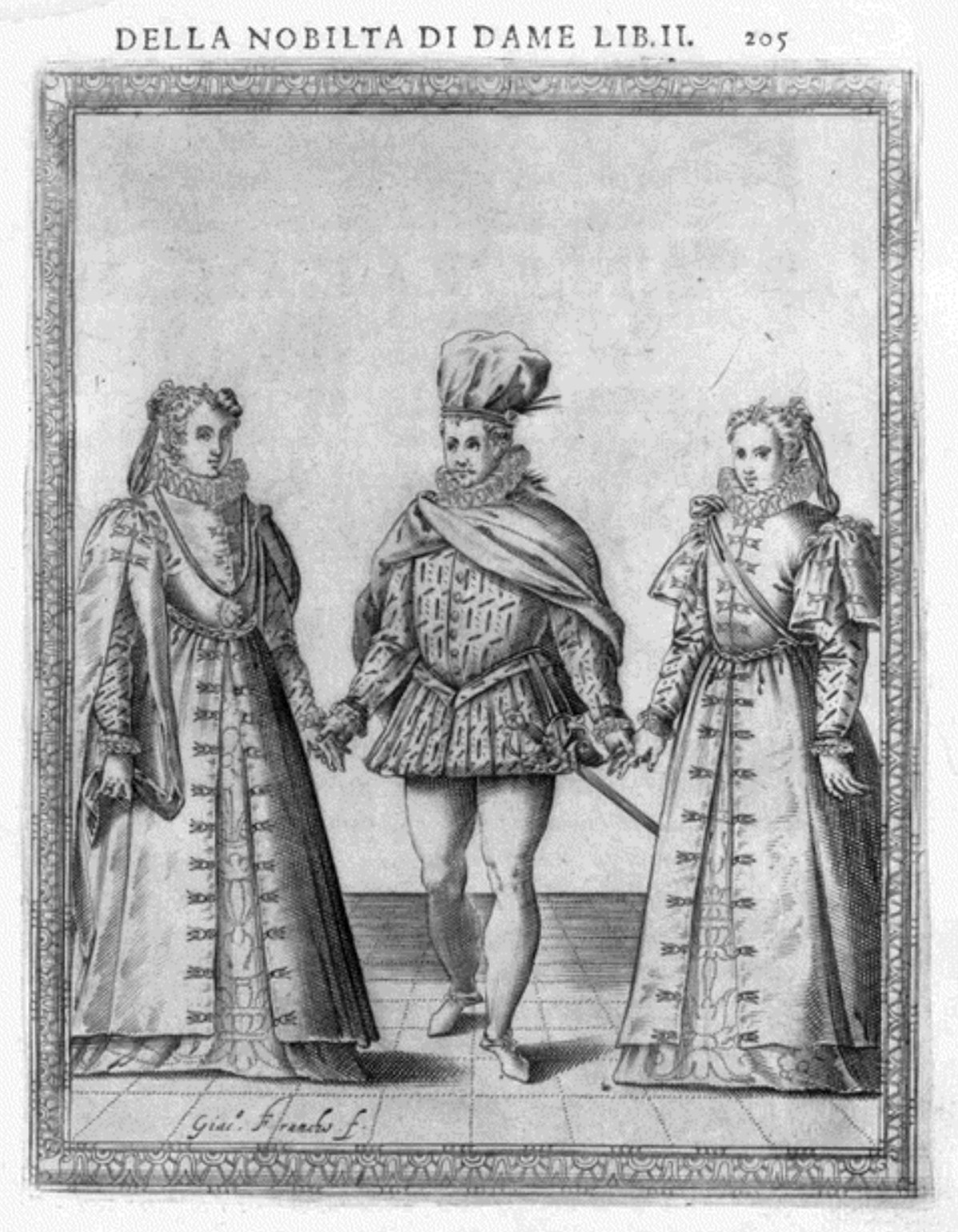
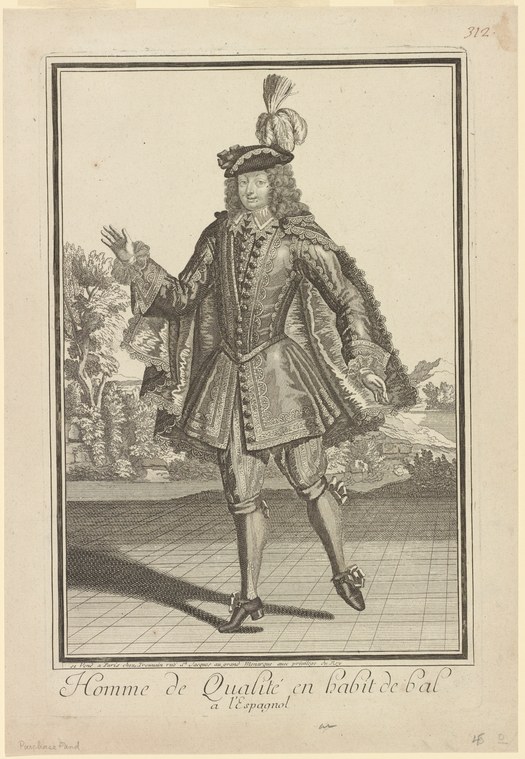
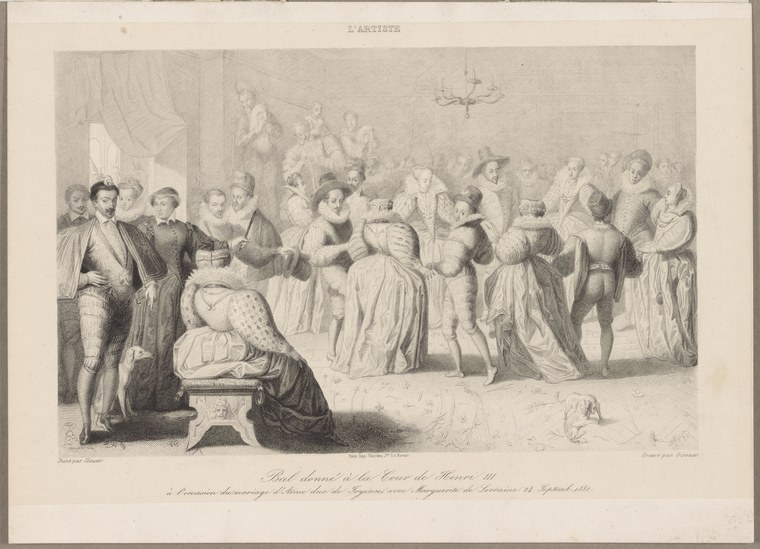
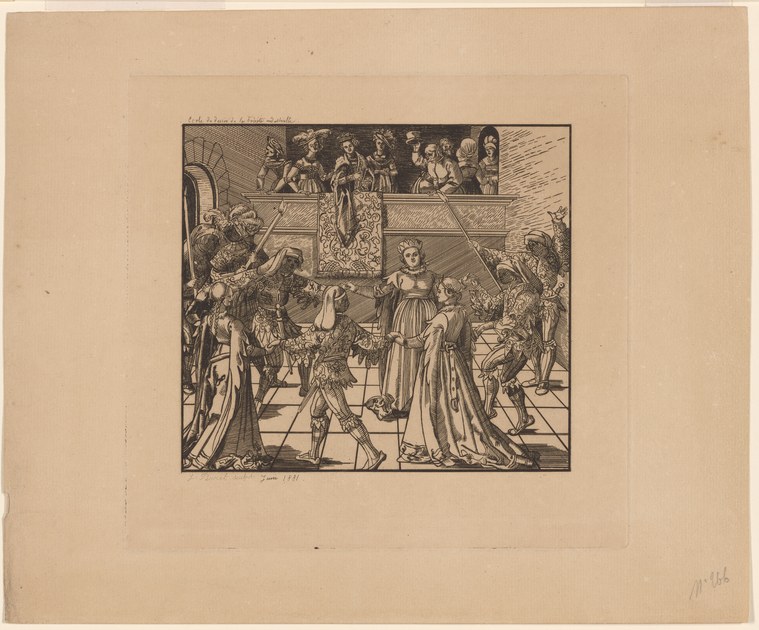
Circle dance
Unknown artist
Public Domain
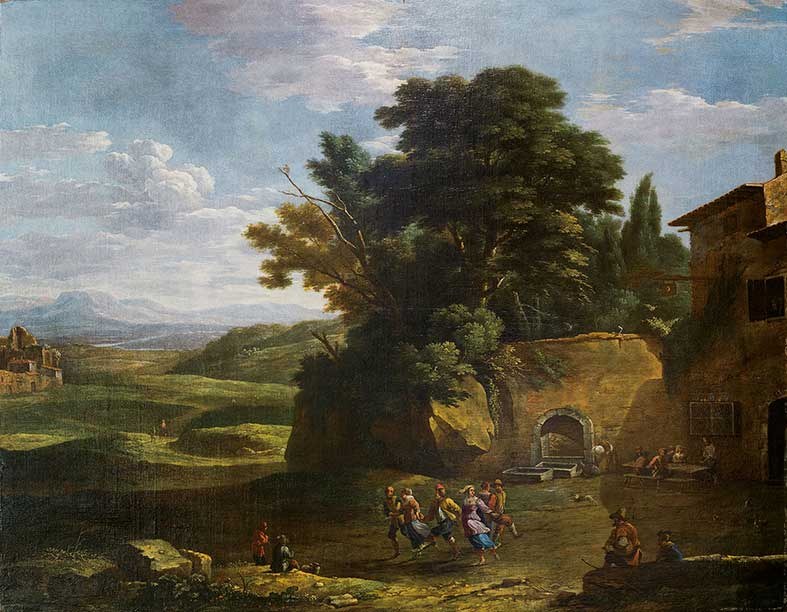
Landscape with Roman saltarello
Gaspar de Witte
public_domain
Continue Exploring
Lineage of Dance
500 years of dance evolution
Champions of Dance
Winners of marquee national & world titles
Language of Dance
161 dance terms & translations
Listening of Dance
Tempo, timing & musicality tools
Gallery of Dance
5,700+ artworks from museum collections
Attire of Dance
Evolution of dance dress across eras
Keep the thread going
Dance history, technique, and the occasional rabbit hole — in your inbox. Thoughtful, infrequent, unsubscribe anytime.
Free. No spam. One click to leave.