Dance, Standing Still
Public Dance Sculptures of the World
495 public sculptures and monuments to dance, in 31 countries — the sculptor, the year, the material and the street. 163 of them have a photograph. 331 do not. 2 entries record works that have since been removed — kept here because the record is worth having, and left off the list of photographs we ask for.
331 sculptures need a photographer
If one of these stands in your city, a photograph you take on your phone is enough.
The most fleeting art, in the most permanent material
A dance lasts exactly as long as it is happening, and not one moment longer. It is the most fleeting thing people make. Sculpture is the opposite instinct — bronze and stone are what we reach for when we want something to outlast us. Every piece on this page is somebody’s attempt to hold a moment that by its nature refuses to be held.
They stand in town squares and park corners, outside theatres and on traffic islands, and most days people walk past them without looking up. But someone in that place decided dancing was worth something permanent: a couple caught mid-turn, a folk tradition nobody wanted forgotten, a dancer the town still talks about. A dance sculpture is a community saying that movement mattered here — that the joy of it, and the people who felt it together, were worth keeping.
That is what this register collects: the places where a city put dancing into something that stays.
Not all of them are people. There are cranes in Binz and cranes again on the Platte River in Nebraska, hares in a Hampshire village, a bull in Beek, horses in Voitsberg and Alkmaar and Dalfsen, sheep in Apen, fish in Enschede, and two bears carved a continent apart — one by the Inuit sculptor Pauta Saila, one cast for the WPA in 1937 and still standing at the Central Park Zoo. Sculptors keep making them, and towns keep putting them up, because the impulse being celebrated is not really a human invention. To dance is more than human. It is a part of life itself— and the people who commissioned these seem to have known it.
Why some of them are blank
A record with no picture is almost never a sculpture nobody has photographed. It is a sculpture nobody has photographed and been free to share. Taking a picture for your own pleasure and publishing it are two different things, and the rules vary from country to country — which is why so few American public sculptures appear in the open photo archives at all. So a blank here is not a gap in the record. It is an open invitation to one person: whoever walks past it next.
Do you know a dance sculpture that is not on this list? Tell us where it is — and if you have a photograph you took yourself and are happy for us to publish, we will add both, with your name on it.
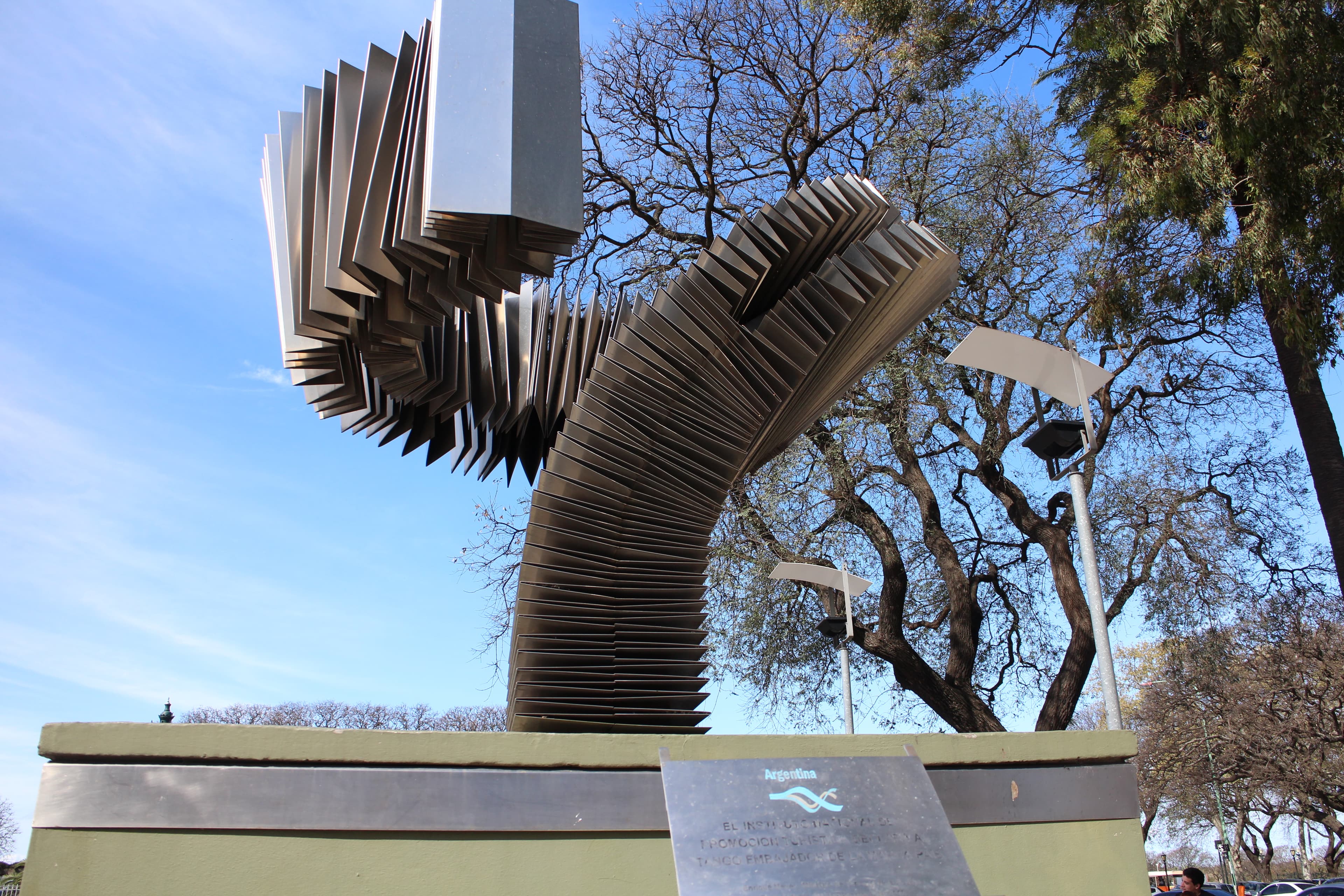
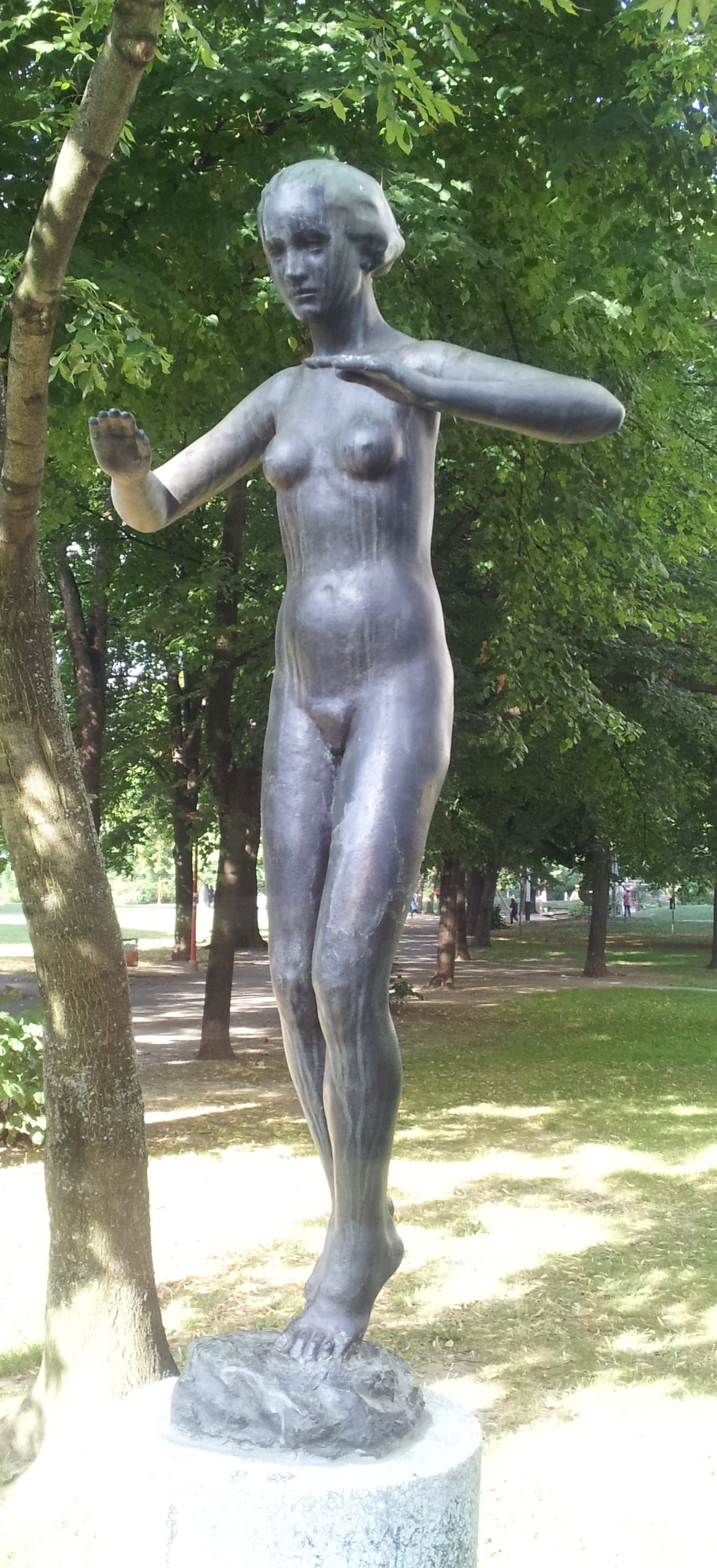
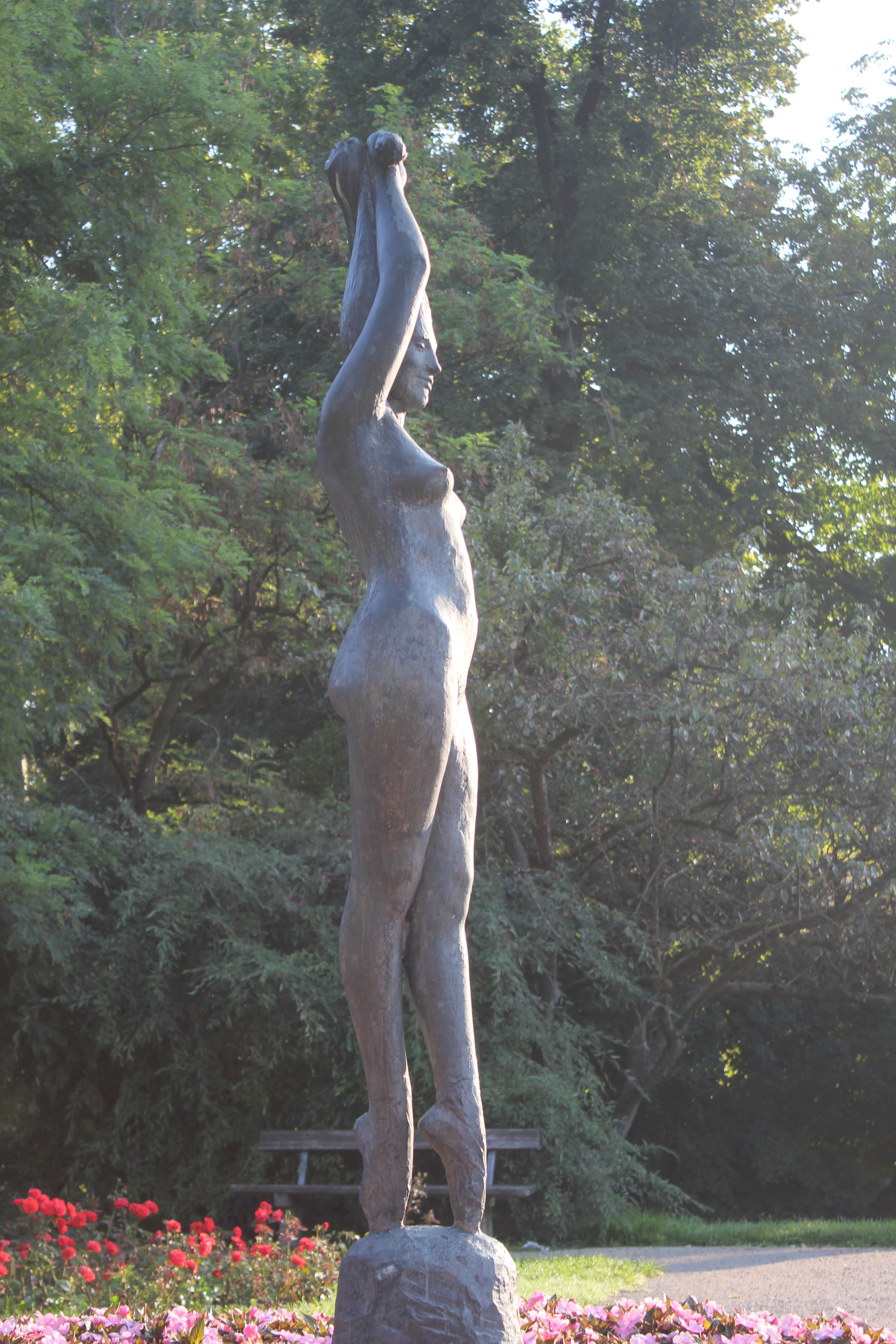
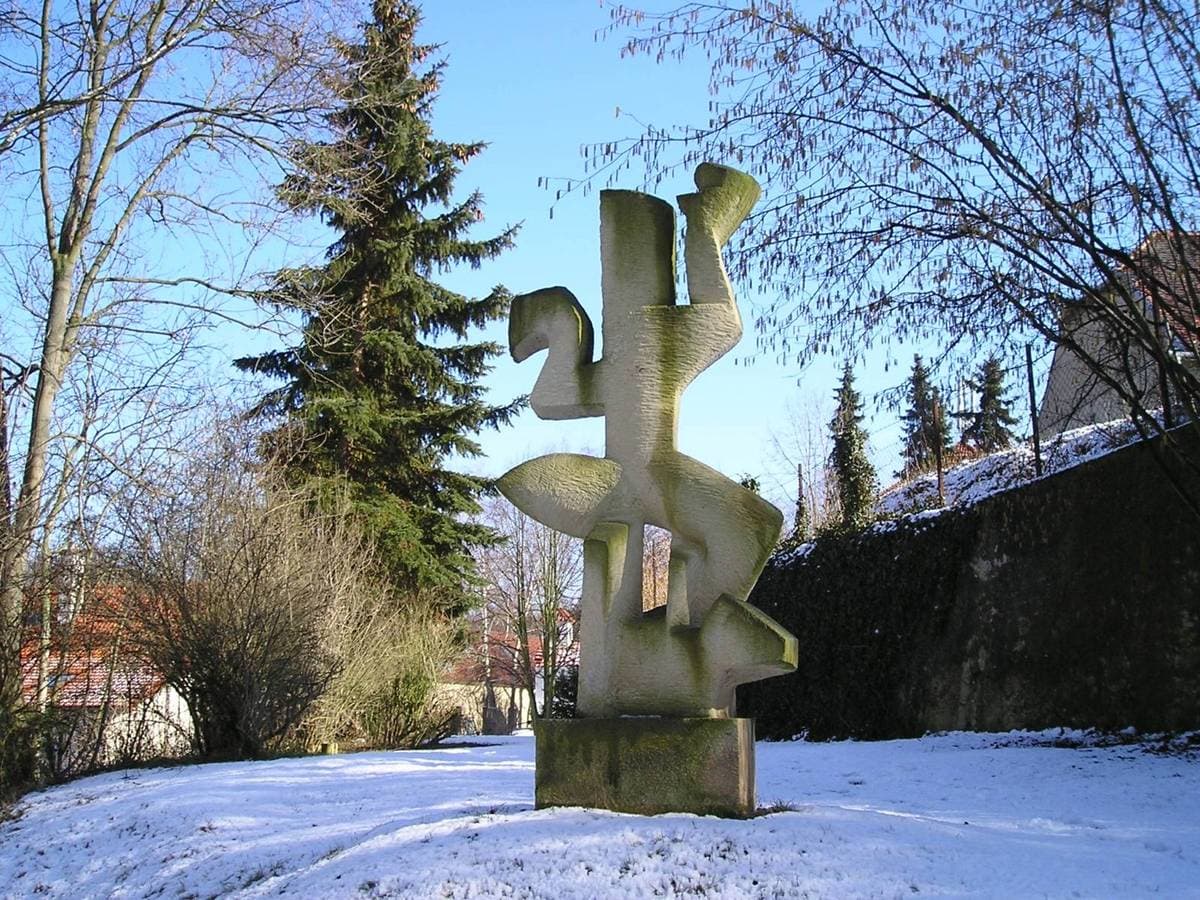
Dr. Reinhard Medicus · CC BY-SA 4.0
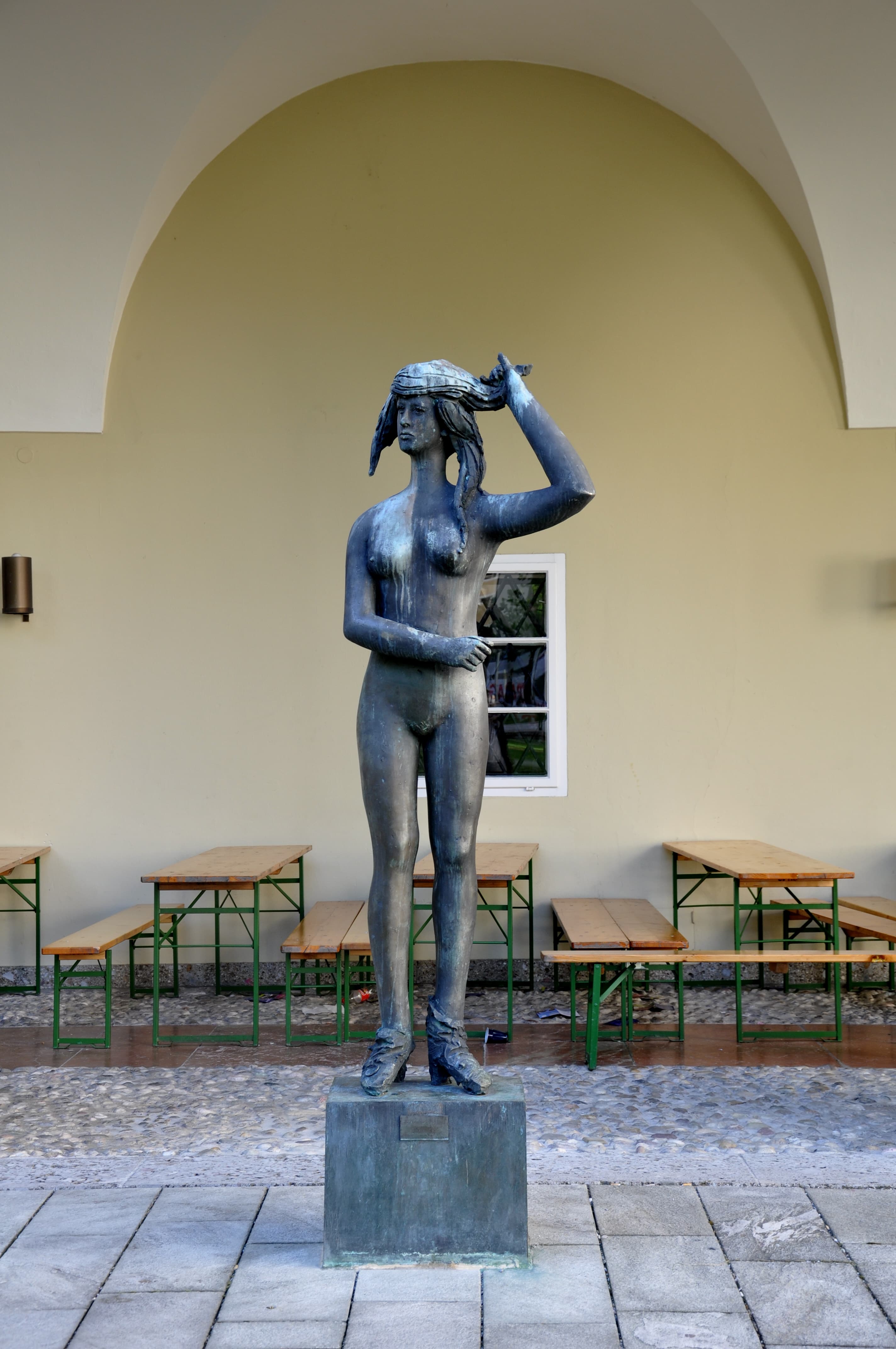
Photo: Andreas Praefcke · CC BY 3.0
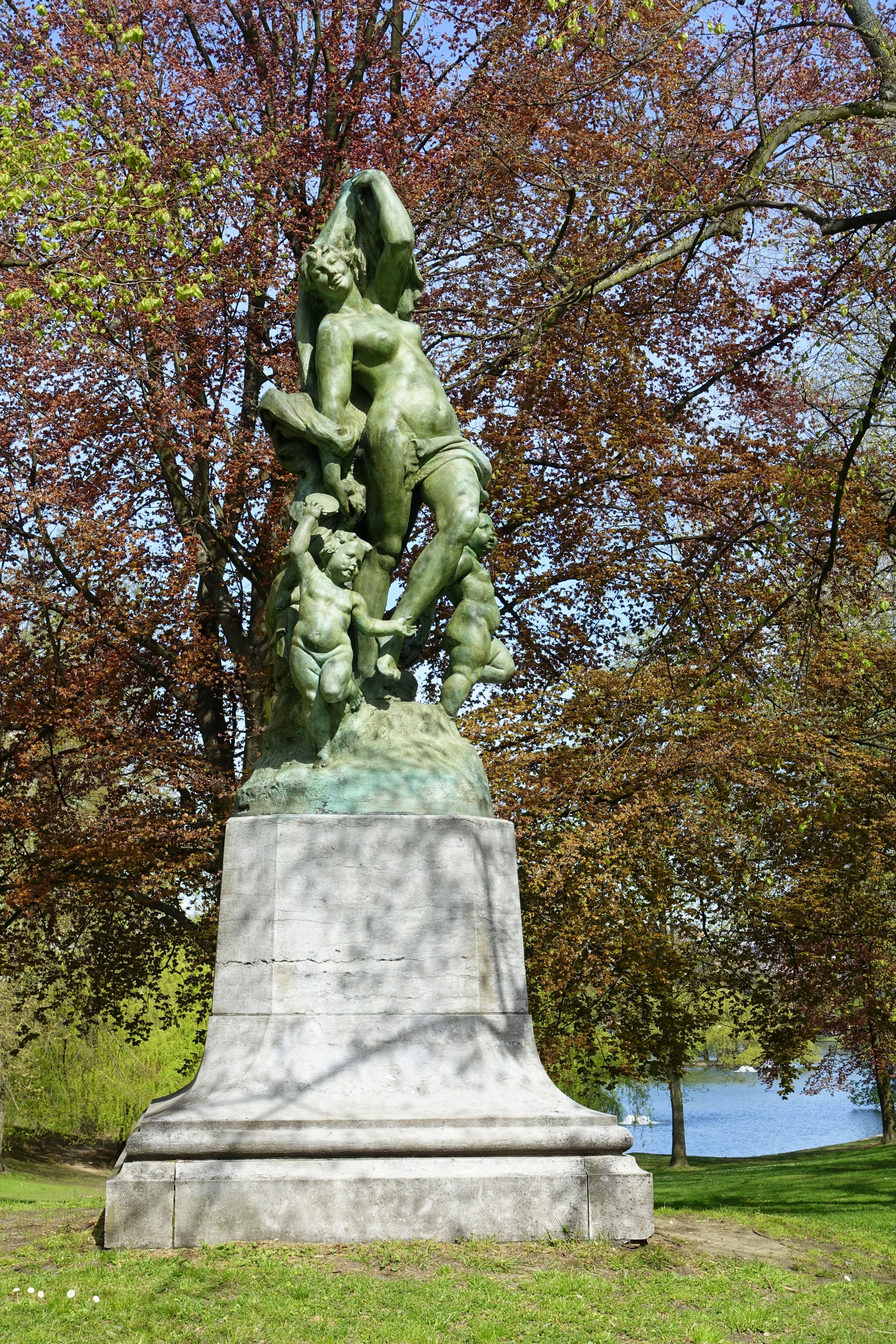
Daderot · Public domain
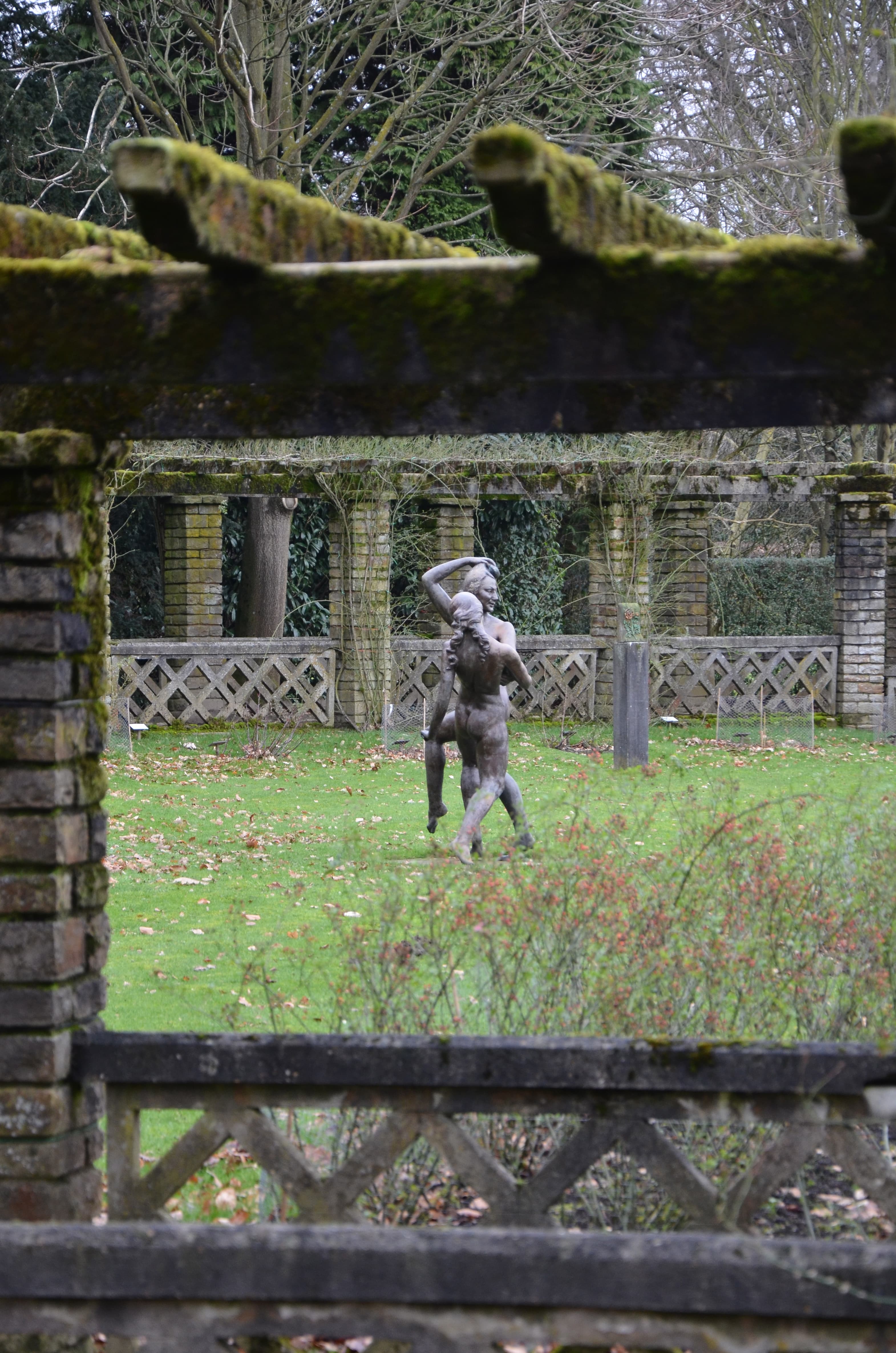
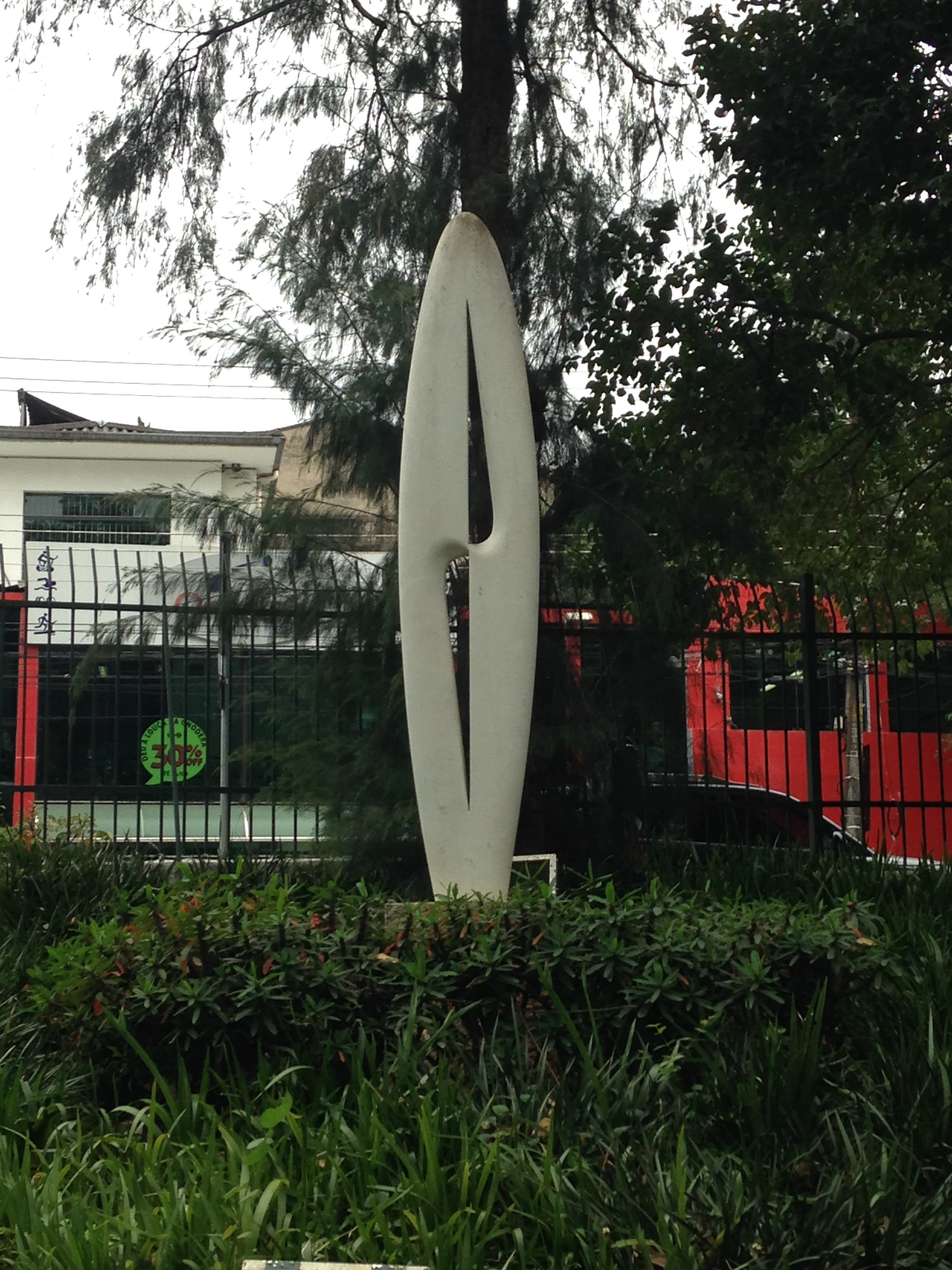
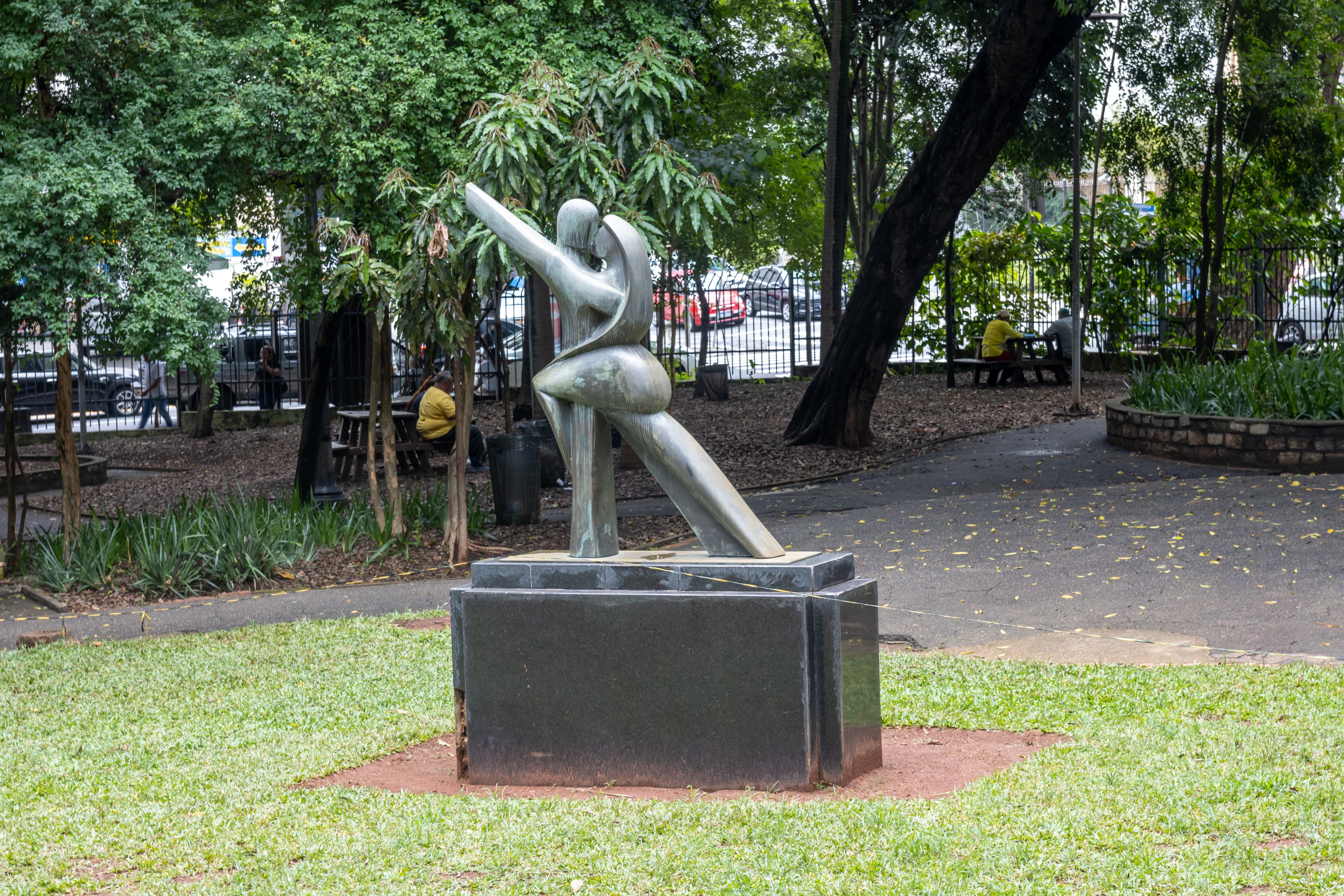
Photograph by Mike Peel (www.mikepeel.net). · CC BY-SA 4.0
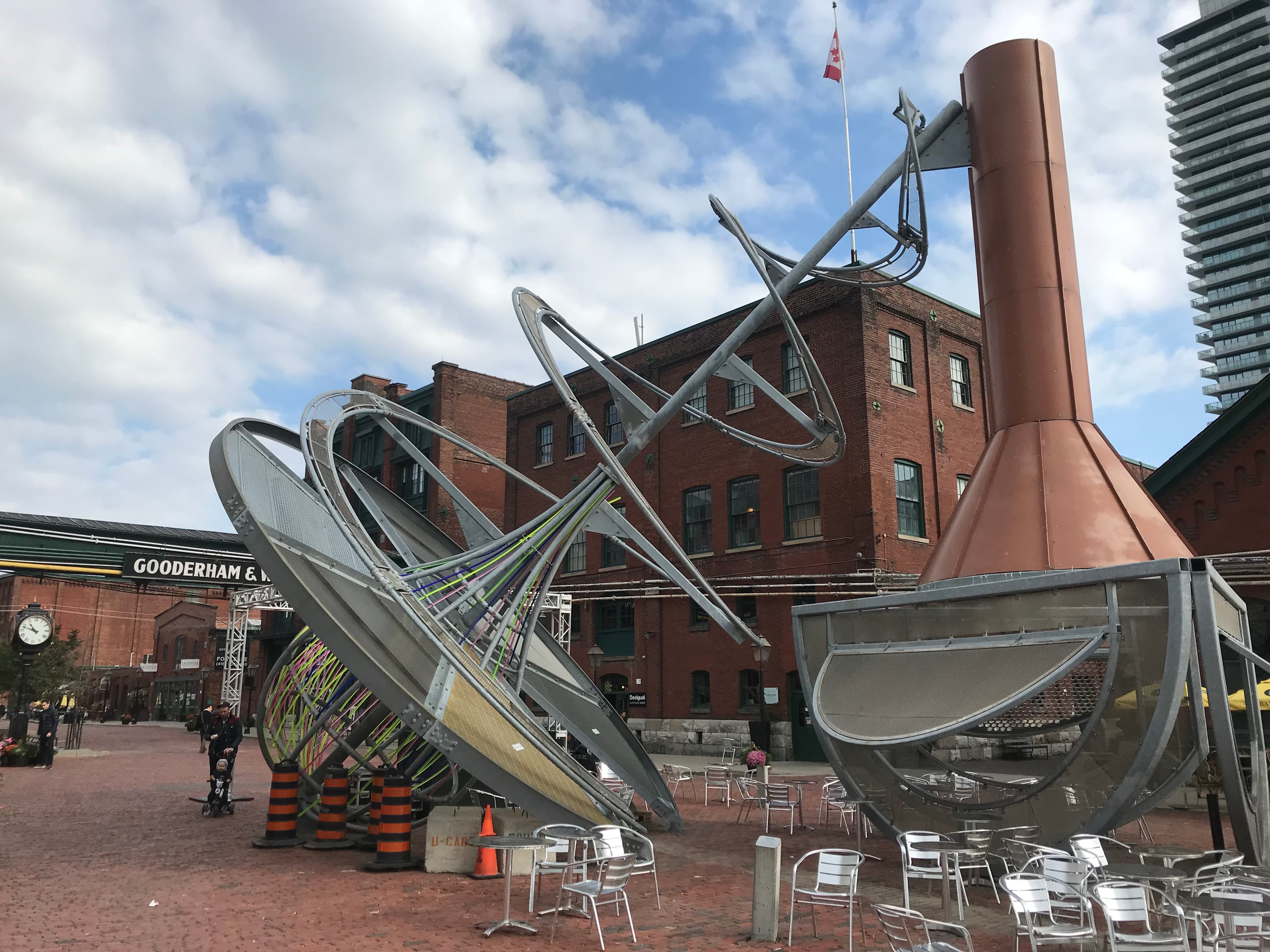
Jim McDougall from Glasgow, Scotland · CC BY 2.0
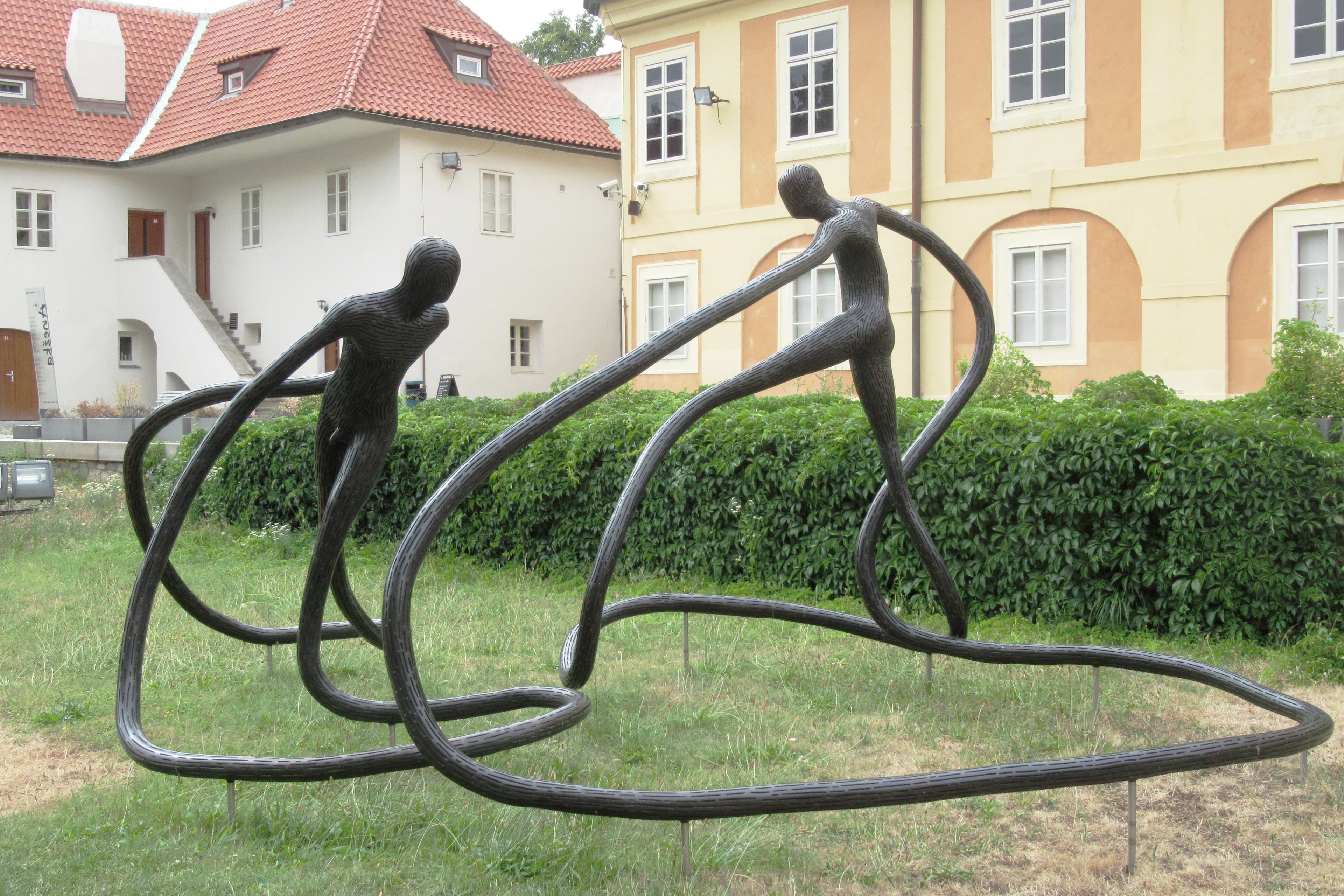
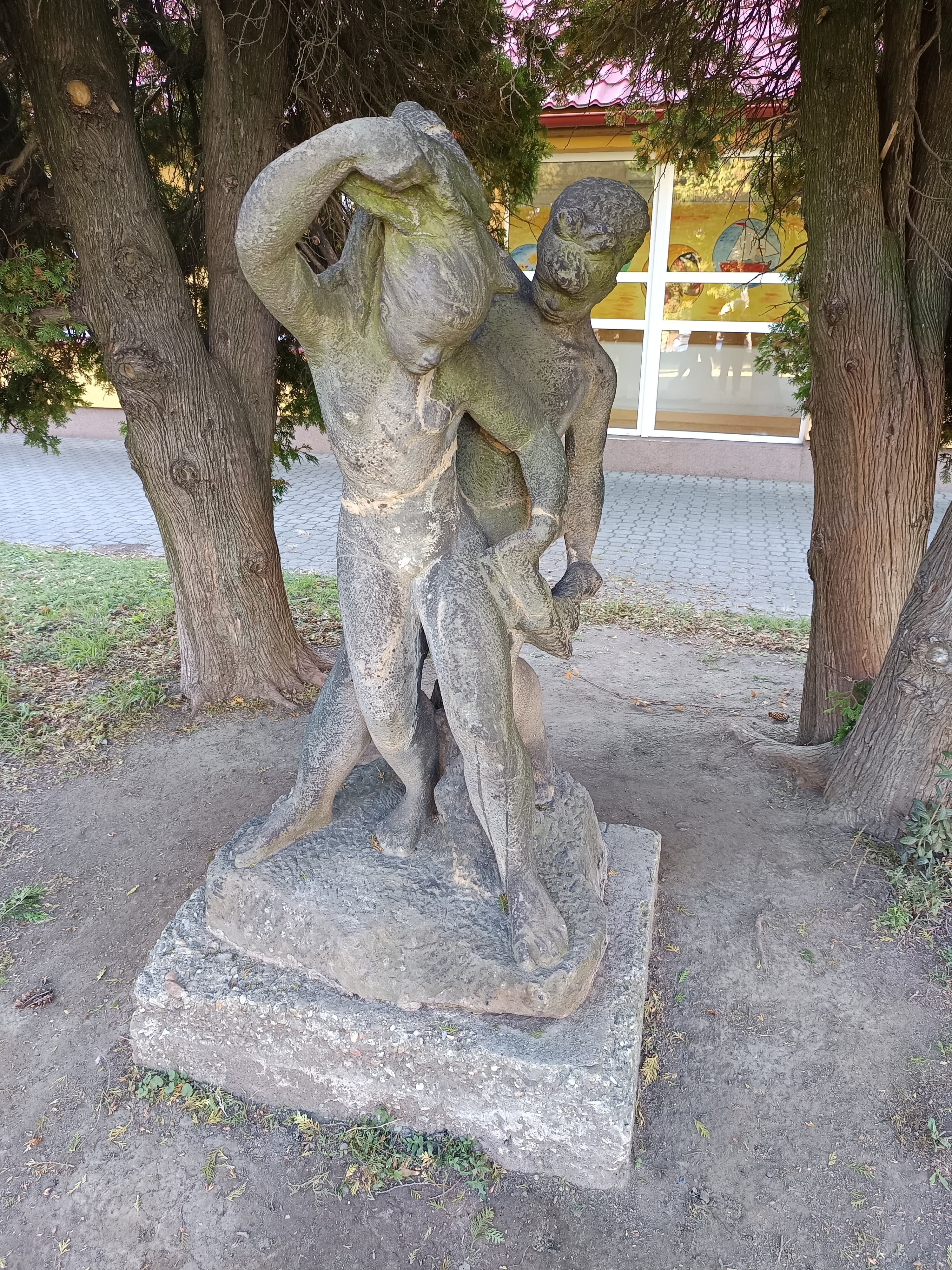
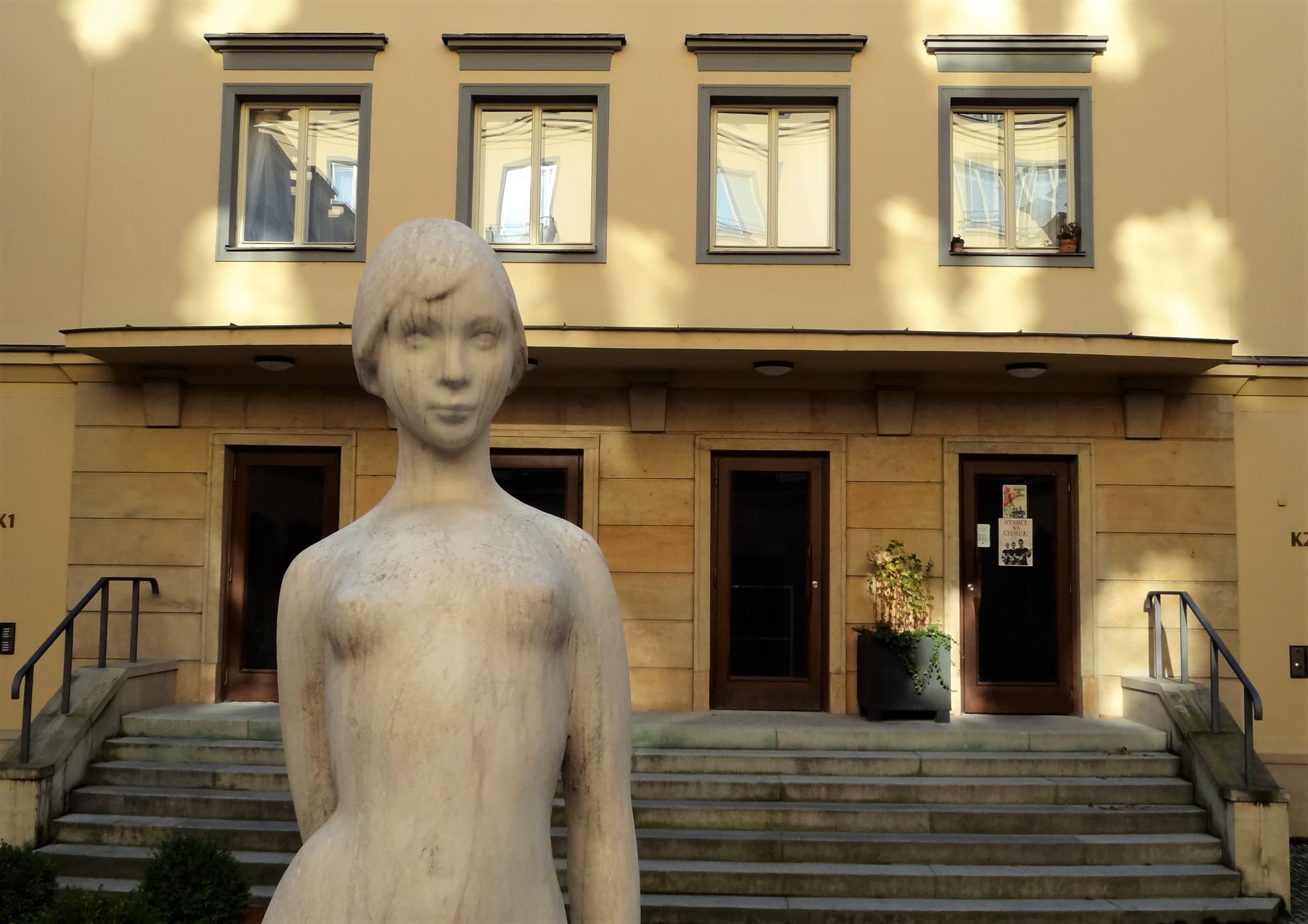
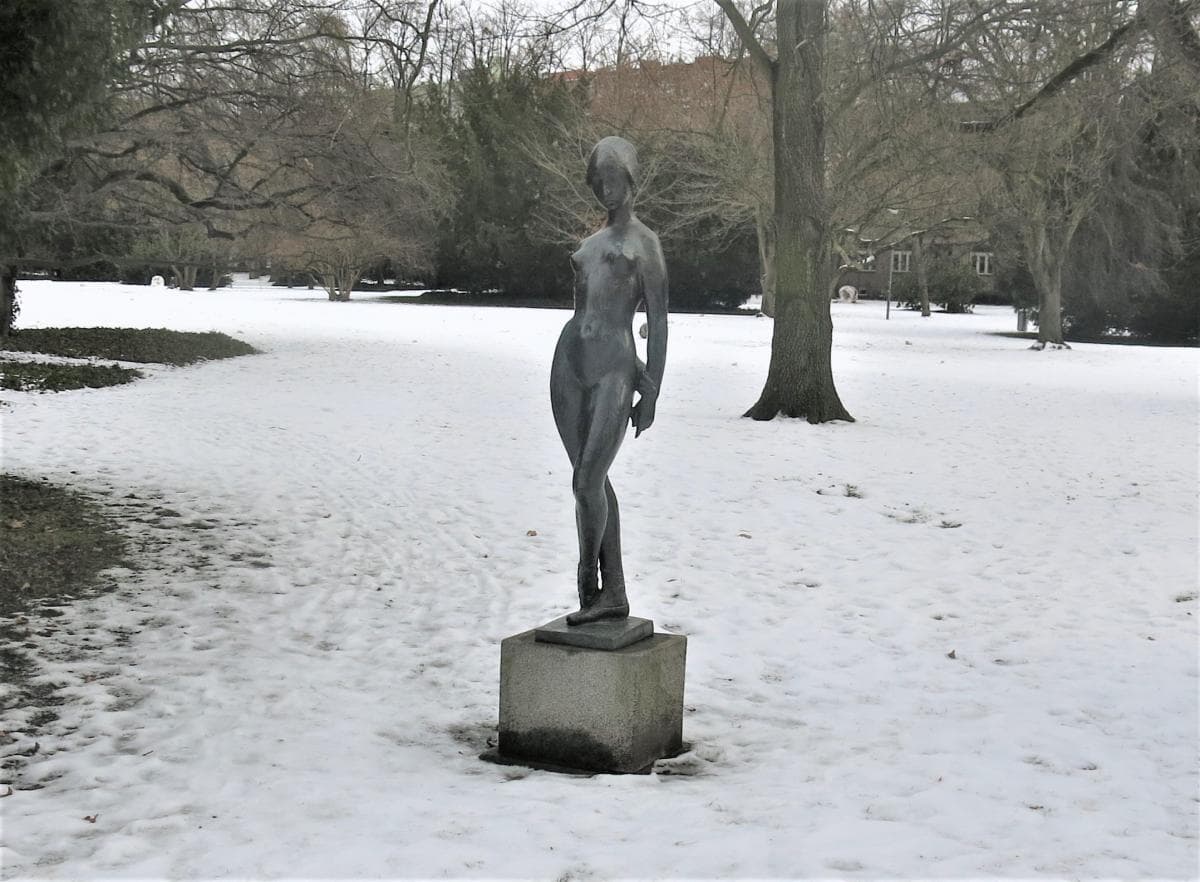
Pepa Promítač · CC BY-SA 4.0
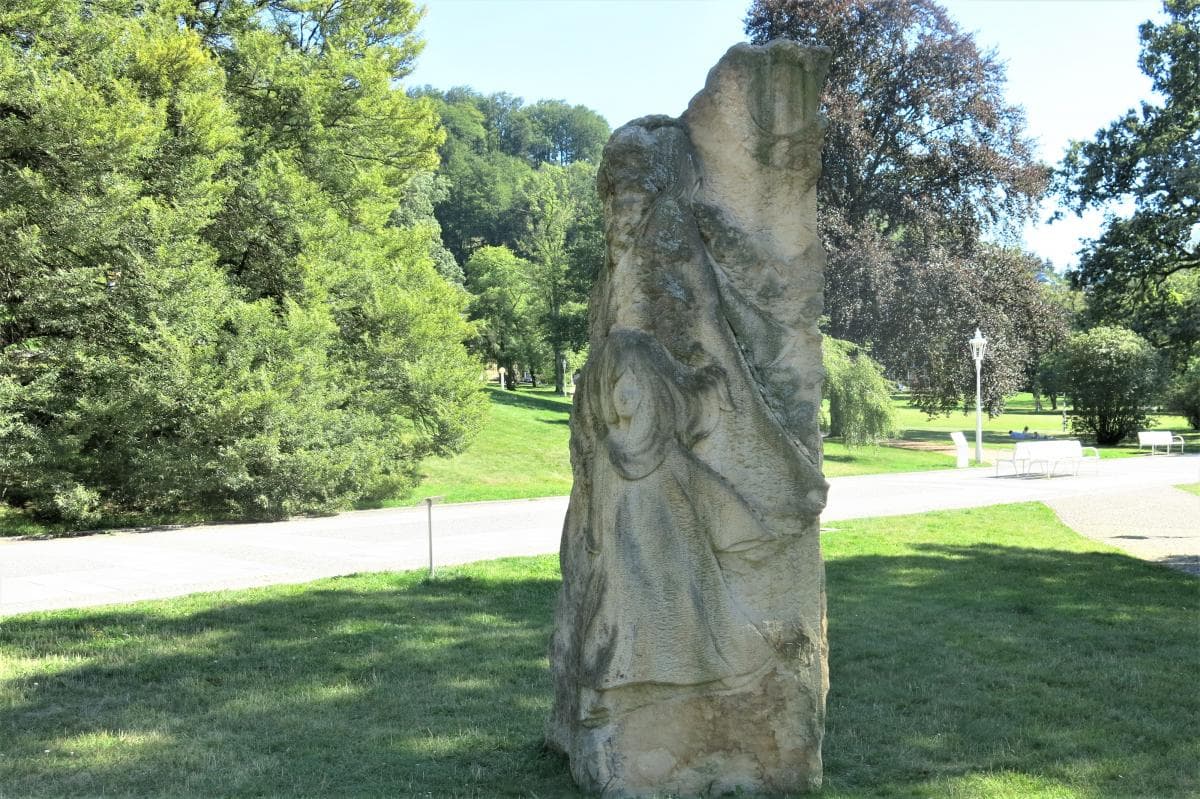
Barocco · CC0
The register (1–24 of 495)
Every public dance sculpture we hold a record for, whether or not we have a photograph of it, 24 to a page. The blanks are the invitation.
| Sculpture | Sculptor | Made | Where | Photo |
|---|---|---|---|---|
| Monumento al Tango | — | 2007 | Buenos Aires, Autonomous City of Buenos Aires, Argentina | Yes |
| Dancer | Walter Pochlatko | Bronze | Lend, Styria, Austria | Yes |
| Tänzerin | Giacomo Manzù | — | Salzburg, Salzburg, Austria | Yes |
| Tanzschritt | Giacomo Manzù | Bronze, 1973 | Salzburg, Salzburg, Austria | Yes |
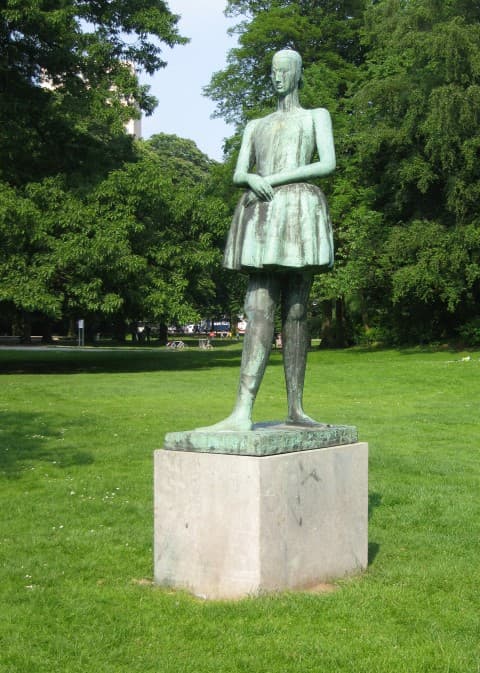
| Ballet dancer | Oscar Jespers | Bronze, 1952 | Antwerp, Antwerp, Belgium | Yes |
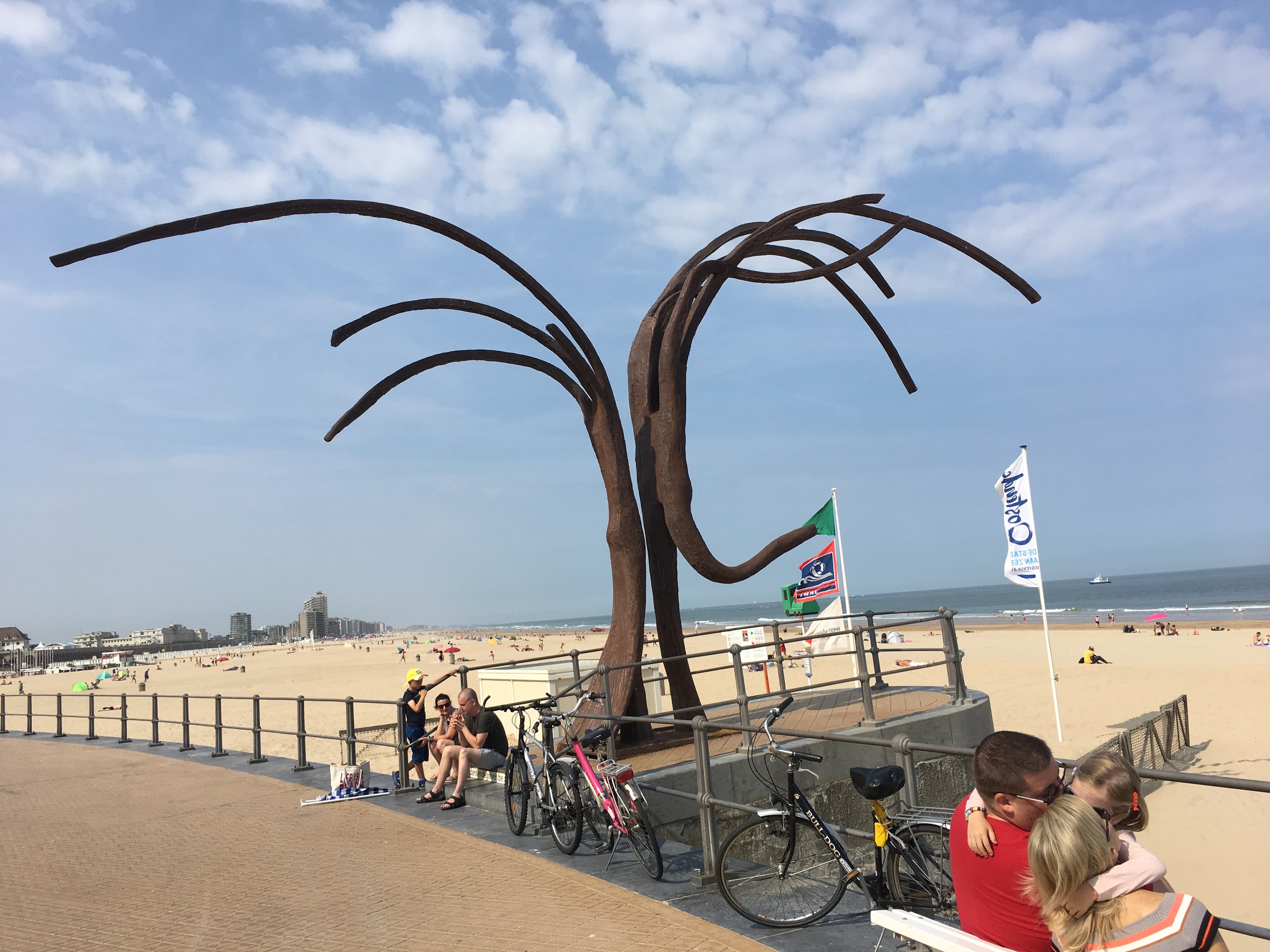
| Dancing Waves | Patrick Steen | 2008 | Ostend, West Flanders, Belgium | Yes |
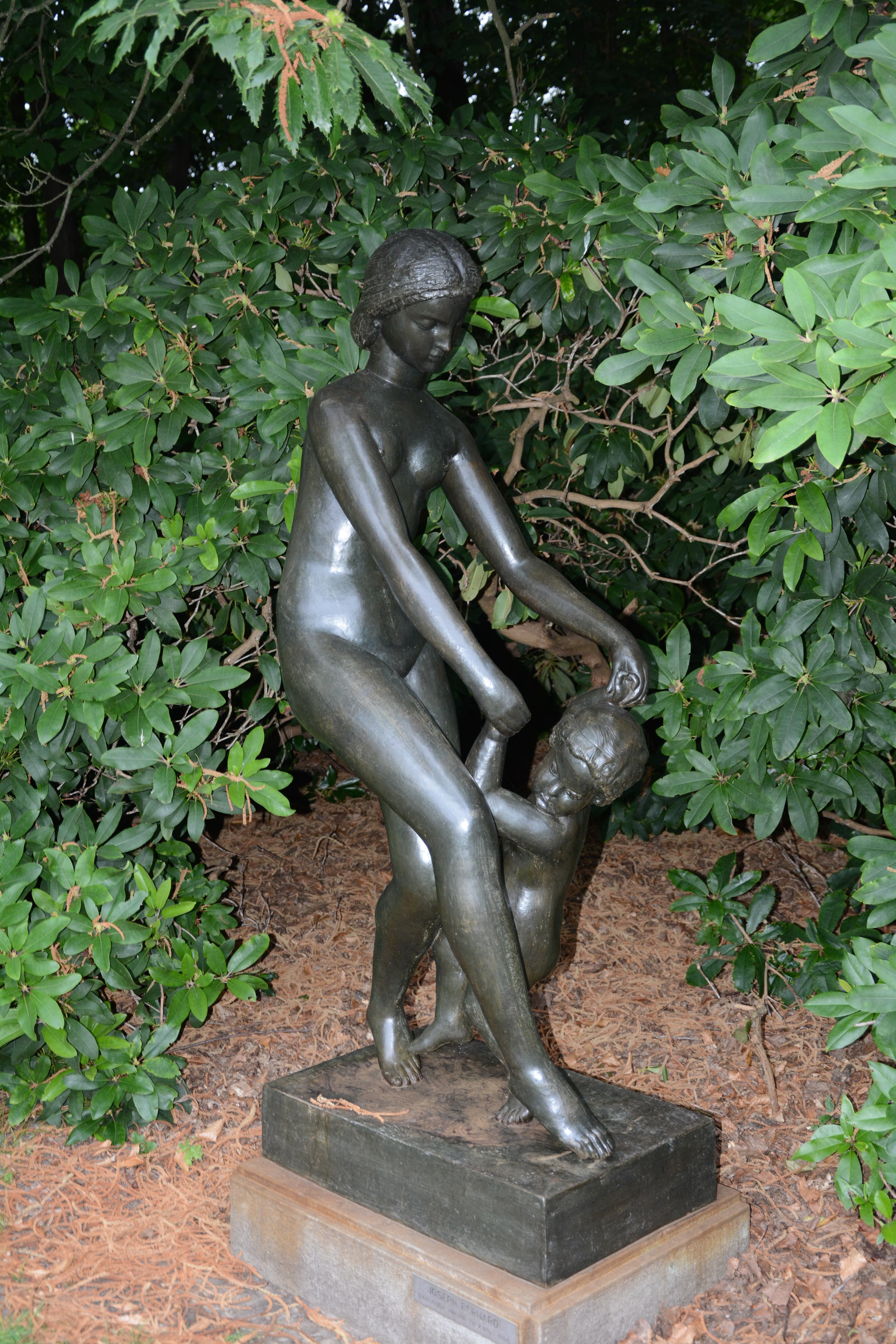
| Dansende vrouw en kind | Joseph Bernard | 1925 | Antwerp, Antwerp, Belgium | Yes |
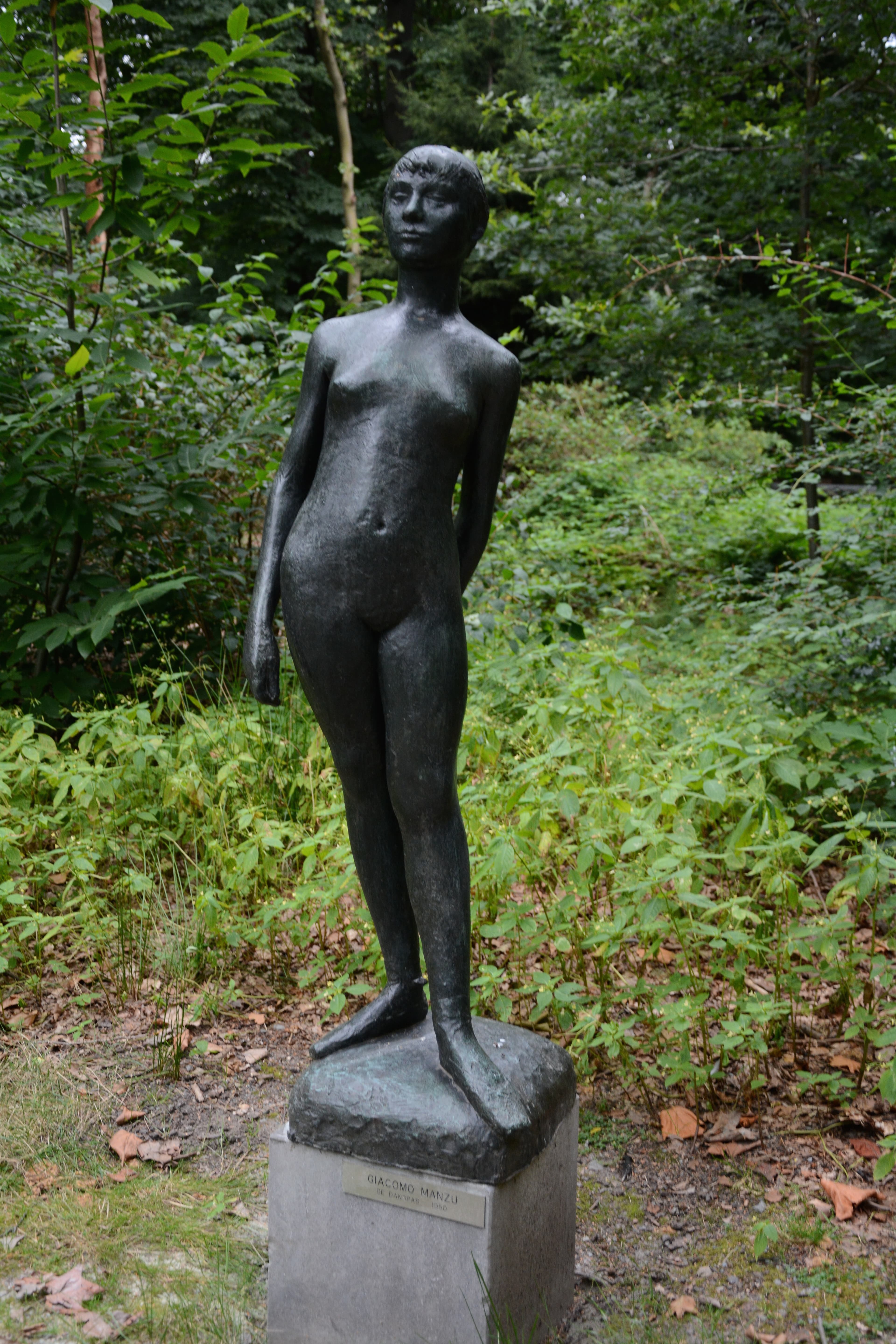
| De Danspas | Giacomo Manzù | 1960 | Antwerp, Antwerp, Belgium | Yes |
| La Danse | Jules Herbays | — | Ixelles - Elsene, Belgium | Yes |
| Naakte Danseressen | Leopold van Esbroeck | — | Antwerp, Antwerp, Belgium | Yes |
| Dança Branca | — | — | São Paulo, São Paulo, Brazil | Yes |
| Homenagem ao Tango | — | — | São Paulo, São Paulo, Brazil | Yes |
| Still Dancing | Dennis Oppenheim | — | Toronto, Ontario, Canada | Yes |
| Dance chimes in Park u ulice Kateřiny Militké | — | Brass | Mladá Boleslav, Czechia | Yes |
| Dancers | Michal Gabriel | — | Prague 1, Czechia | Yes |
| Dancing Children | Jeroným Foltýn | Hořice sandstone, 1962 | Stará Bělá, Moravian-Silesian Region, Czechia | Yes |
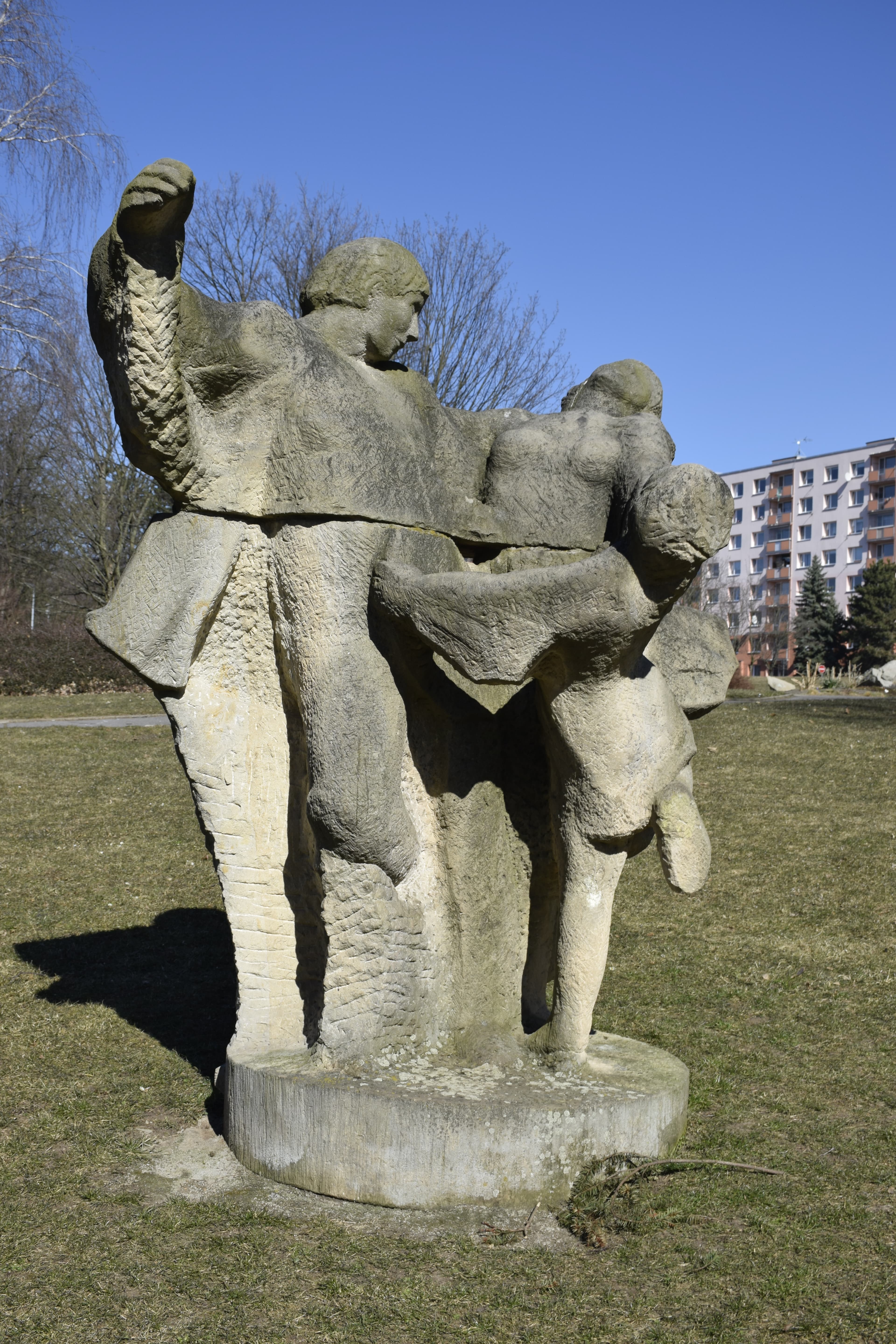
| Dancing family | Michael Bílek | Sandstone, 1989 | Ústí nad Labem, Czechia | Yes |
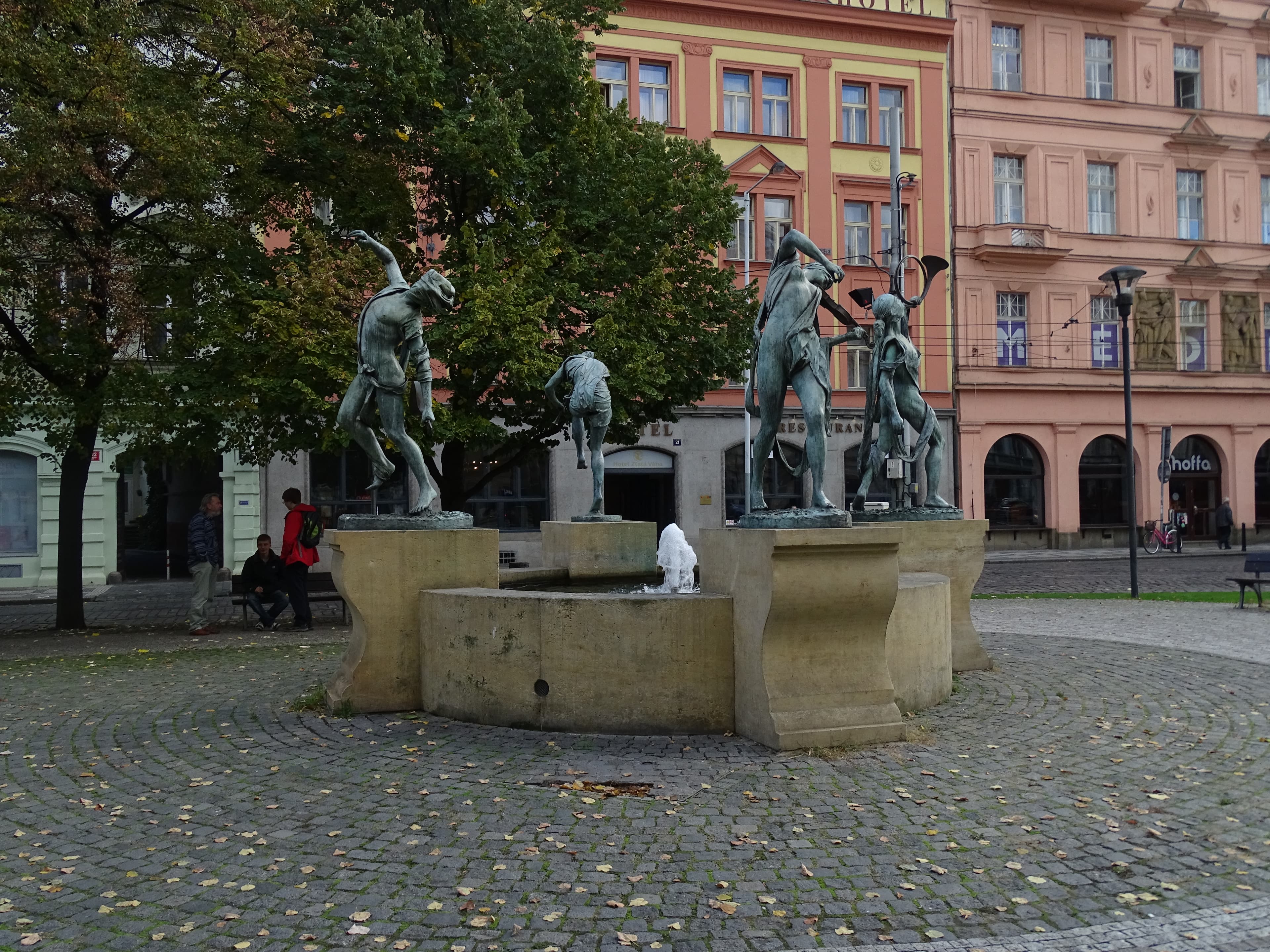
| Dancing Fountain | Jan Wagner | 2002 | Prague 1, Czechia | Yes |
| group of dancing women (northern) | Vojtěch Sapík | — | Mladá Boleslav II, Czechia | Yes |
| group of dancing women (southern) | Vojtěch Sapík | — | Mladá Boleslav II, Czechia | Yes |
| Kamenná plastika Khmérská tanečnice v Praze-Lysolajích | — | — | Prague, Czechia | Yes |
| Little dancer | Jan Hána | Marble, 1960 | Malá Strana, Czechia | Yes |
| Malá tanečnice | — | 1958 | Poděbrady, Czechia | Yes |
| Plastika Sun Dance na promenádě Bad Homburgu v Mariánských Lázních | — | — | Mariánské Lázně, Czechia | Yes |
Frequently Asked Questions
Questions
- What counts as a dance sculpture?
- A permanent public artwork whose subject is dance or a dancer — a bronze ballerina, a monument to a folk dance, a fountain of dancing figures. It has to stand in a public place, so museum pieces are out, and its subject has to be the dance itself rather than a person who happened to be a dancer.
- Why do some entries have no photograph?
- Because nobody has yet shared one we are free to publish. Photographing a public sculpture and publishing that photograph are different things in law, and the rules differ by country — in the United States, for instance, the freedom to publish covers architecture but not sculpture, which is why so few American public sculptures appear in open photo archives. A blank record means a picture we can publish does not exist yet. It never means the sculpture is unimportant, and the photograph we want is simply one you took yourself and are happy to share.
- Can I contribute a photograph?
- Yes, and that is the point of publishing the gaps. Photographs of the sculptures marked 'wanted' are the ones we need most. Contributors keep authorship of their photograph and earn World of Floorcraft experience for the first published picture of a landmark.
- Where does the information come from?
- Sculptor, year, material and location come from Wikidata, and every entry links back to its Wikidata item so you can check it or correct it at the source. Photographs come from Wikimedia Commons or from contributors, and each one carries its own licence and credit.