CW West Coast Swing
Also known as: Country WCS, Western Swing, CW WCS
History & Cultural Context
West Coast Swing entered country-western dance venues in the late 1980s and 1990s as country bars in Los Angeles and elsewhere adopted West Coast Swing alongside the existing two-step, waltz, and polka repertoire. The United Country Western Dance Council (UCWDC), formed in November 1989 in Grantville, Pennsylvania, did not include West Coast Swing in its original sanctioned list; the dance was added later as it grew in popularity within country-western social dance. UCWDC published a teaching syllabus that uses the standard WCS fundamentals—slot, anchor step, and elastic connection—danced to backbeat country music. The country-western context primarily affects styling, footwear (boot-appropriate footwork), and music selection; the underlying technique is the same WCS administered separately by the World Swing Dance Council (WSDC) in its own broader registry circuit. West Coast Swing fills a tempo gap in country-western social dancing that two-step, country waltz, and country cha-cha do not cover.
Cultural Significance
CW West Coast Swing bridges the swing dance world and country-western culture, bringing sophisticated partner connection and musical interpretation to country dance venues.
Characteristic Movement & Technique
CW West Coast Swing preserves the slot, anchor step, and elastic connection of standard WCS while incorporating a more grounded, country-western aesthetic. Footwork is adapted for boots, and styling reflects country-western sensibilities. The dance maintains WCS's signature musicality and adaptability.
Partnering Dynamics
CW West Coast Swing features the elastic, slotted partnership characteristic of all WCS styles. The follower travels back and forth along a slot while the leader redirects from the ends. Connection is maintained through compression and leverage in the hands and arms.
Competitive Context
CW West Coast Swing is competed under UCWDC rules through its progressive division structure — Newcomer (IV through I), Novice, Intermediate, Advanced, and the All-Star/Champion tiers — separate from the broader WCS competitive circuit governed by the World Swing Dance Council (WSDC). Competitions evaluate connection, musicality, timing, and country-western styling.
Regional Variations
Regional variation in CW West Coast Swing is not documented in published sources. Anecdotal accounts suggest cross-pollination between the WCS and country-western circuits is more visible in markets that host both UCWDC and WSDC events, but no academic or governing-body source verifies a regional pattern at this time.
Common Misconceptions
Some assume CW West Coast Swing is identical to standard WCS; while the fundamentals are shared, the country-western version has distinct styling, musical context, and competitive structure. Another misconception is that it's a lesser form of WCS; CW WCS is a fully developed competitive and social dance within its own framework.
Peak Popularity
Signature Figures
- West Coast Swing community
- Country-western dance teachers
Notable Codifiers
- UCWDC
Dance Lineage
Track Your CW West Coast Swing Progress
Practice CW West Coast Swing figures between lessons with Figure Focus — step-by-step breakdowns, floor diagrams, and progress tracking. Free to use.
What to Wear
Attire guidance for CW West Coast Swing and other Country & Western dances. Each card below is sized to the moment — class, practice, social, or competition — because the wardrobe shifts as the stakes do.
Reading the cards
In Class
Casual Western wear. Jeans, boots, plaid or plain shirts. Comfortable and broken-in — the scene is unpretentious.
Social Dancing
Classic Western: jeans, cowboy boots, Western shirts, belt buckles. Women: denim skirts or fitted jeans with boots. The look is part of the culture.
Competition
Polished Western: coordinated outfits, rhinestone-embellished Western shirts, fitted jeans or dance pants, quality boots. Two-step and WCS competitions may differ in dress standards.
Shoes
Cowboy boots with smooth leather soles (not rubber-soled work boots). Dance boots with low heels and suede or leather soles. For Two-Step: boots are traditional. For Country WCS: dance shoes acceptable.
In Practice
Broken-in dance boots are essential — new boots blister. Country WCS practice often uses dance sneakers instead of boots once technique gets serious.
By Role
Leaders
Class: Western shirt or fitted T-shirt, jeans, broken-in dance boots. Belt buckle is traditional but avoid anything that digs into your partner during close hold.
Competition: Coordinated Western outfit: rhinestone or embellished Western shirt, fitted dark jeans or dance pants, polished dance boots. Two-Step leans classic cowboy; WCS leans modern and fashion-forward.
Followers
Class: Fitted top, jeans or denim skirt, broken-in dance boots or low dance heels.
Competition: Rhinestone-embellished Western dress or coordinated separates, polished dance boots. Two-Step keeps the traditional Western aesthetic; Country WCS allows more modern styling.
Common Pitfalls
- ✗Rubber-soled work boots — grip the floor and lock the foot.
- ✗Brand-new stiff leather boots without break-in time — blisters within an hour.
- ✗Ranch boots with deep treads — the wrong category of boot entirely; dance boots are smooth-soled.
Price Range
- Budget: Entry dance boots $80–150; Western shirts and jeans from existing wardrobe.
- Mid: Quality dance boots (Tony Lama, Lucchese) $200–400; embellished Western shirts $80–200.
- Premium: Custom dance boots $400–900; rhinestone competition Western shirts $250–700.
Key Terms
- Dance boots
- Western-style boots with smooth leather soles (not rubber treads) — allows sliding, pivoting, and spins on hardwood floors.
- Belt buckle etiquette
- Leaders should check that oversized belt buckles do not dig into the follower during close hold. Smooth, flush-mount buckles are safest.
Quick Tips
- •Suede-soled shoes allow controlled sliding and pivoting — essential for most partner dances.
- •Avoid rubber soles on dance floors; they grip too much and can cause knee injuries.
- •Bring a separate pair of clean shoes for the dance floor to keep it in good condition.
Recommended Gear for CW West Coast Swing
Essential equipment and apparel selected for dancers learning CW West Coast Swing.
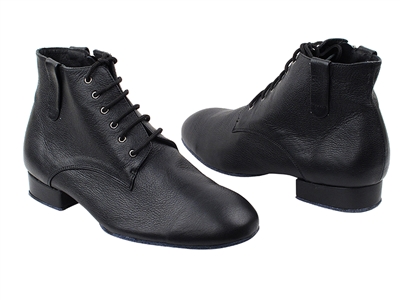
VF Black Leather mens Low Ankle Boot - Dance Footwear
Blue Moon Ballroom Dance Supply
$100–$200
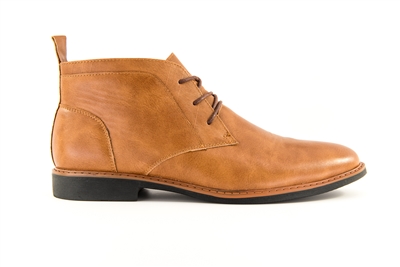
Style GFranco Boston Mens Dance Boot - Gfranco Dancewear
Blue Moon Ballroom Dance Supply
$100–$200
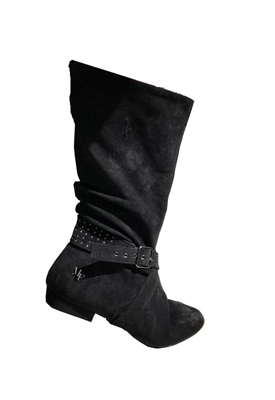
Style MF Aurora Black Dance Boot - Womens Dance Boots
Blue Moon Ballroom Dance Supply
$50–$100
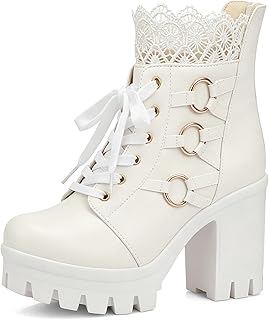
Platform Combat Boots Goth Platform Boots Chunky Heel Ankle Booties for Women Punk Buckle Gothic Boot with Zipper Lace Up Round Toe Dress Shoes Black/White
MEOTINA
Under $50
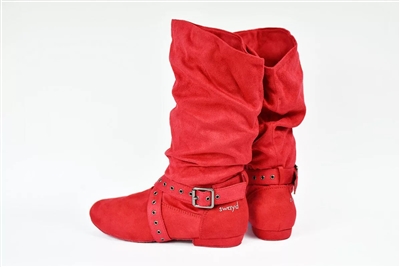
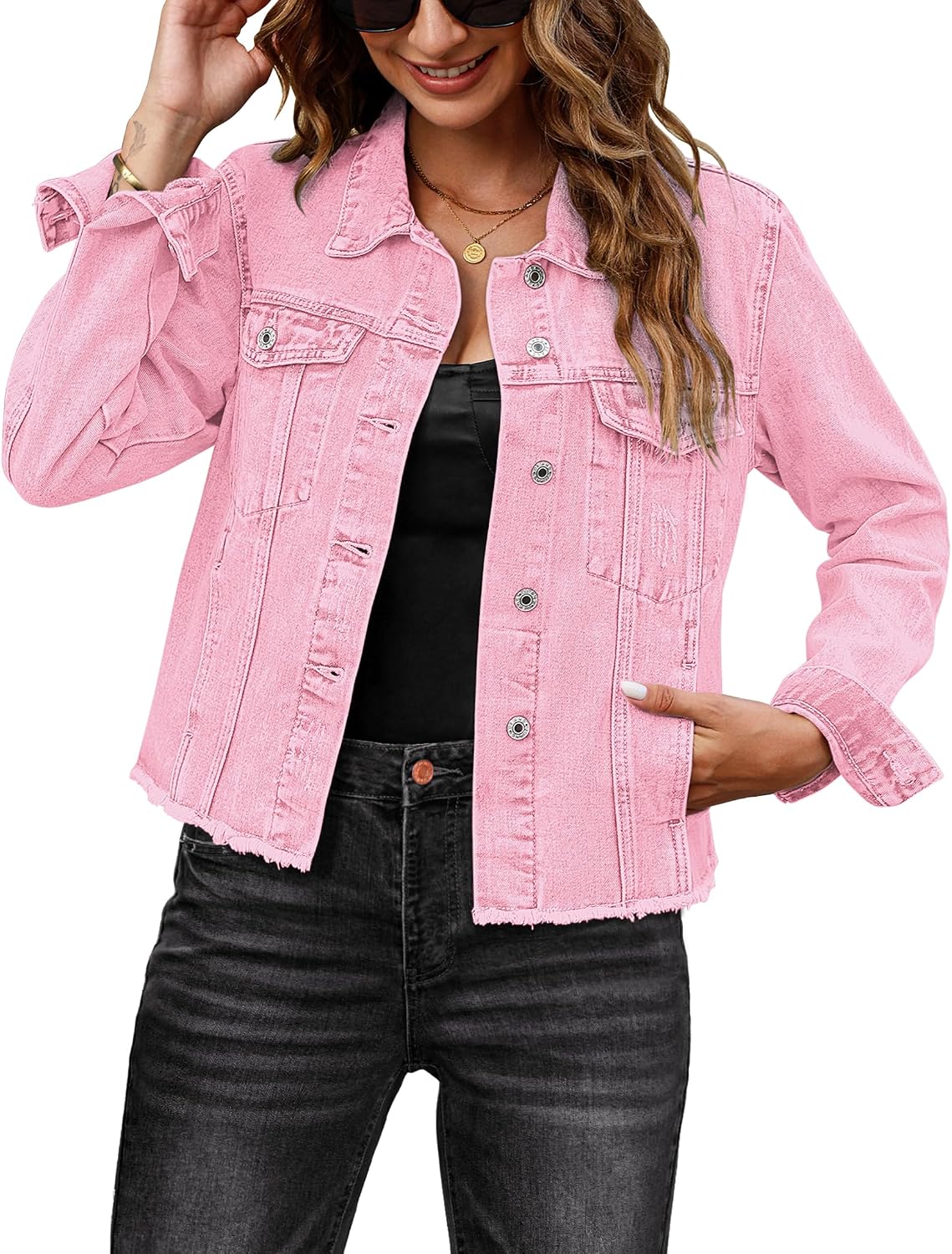
Denim Jacket for Women Distressed Jean Jackets Button Up Vintage Western Trucker Jacket Frayed Hem Pockets
luvamia
Under $50
As an Amazon Associate, LODance earns from qualifying purchases. Affiliate disclosure
Sources & Further Reading
Cultural & Historical Context
CW West Coast Swing emerged from United States during the 1985s—1995s. Understanding the cultural roots, musical traditions, and social circumstances of this era enriches appreciation for the dance's characteristics and significance.
Formative Influences
Codifiers & Standardizers:
UCWDC
Signature Movement Vocabulary:
West Coast Swing community, Country-western dance teachers
Primary Source Documents
The Library of Dance contains public-domain primary sources for dance history. Copyrighted modern syllabi are indexed with purchase links to their respective copyright owners. Search by dance name or codifier to discover primary source documents.
Last reviewed: July 2026 — This dance profile synthesizes historical research, cultural documentation, and contemporary practice knowledge to provide authoritative context.
More in Country & Western
Country Two-Step
Country Two-Step is an American couple dance with forward-moving progression and a quick-quick-slow-slow rhythm danced to country and western music. Sometimes called 'the poor man's foxtrot,' it remains the cornerstone of country dance halls across Texas and the American West.
Country Waltz
Country Waltz is the American Western interpretation of the classic 3/4-time waltz, danced in a continuous counterclockwise line of dance to country ballads. It keeps the waltz's romantic character but trades ballroom formality for relaxed posture, looser frame, and unpretentious styling.
Line Dance
Line Dance is a partnerless choreographed group dance performed in lines or formations, where every participant executes the same sequence of steps facing one of two or four 'walls.' Originally tied to country and western music, it now spans pop, Latin, R&B, and electronic genres and is one of the most globally distributed dance forms.
Country Polka
Country Polka is the Western American adaptation of the European Polka, featuring a bouncy, traveling two-step pattern danced to lively country music with strong Czech, German, and Polish immigrant influences.
Country Cha-Cha
Country Cha-Cha applies the Cha-Cha-Cha triple step and 4/4 syncopation to country music. It is one of eight competitive dances in the United Country Western Dance Council (UCWDC) couples and pro-am syllabus and is also danced socially at country-western events.
CW Nightclub Two-Step
CW Nightclub Two-Step adapts the smooth, romantic Nightclub Two-Step for country music, creating a versatile slow dance for country-western venues and competitions.
Continue Exploring
Lineage of Dance
Explore 500 years of dance evolution
Champions of Dance
Winners of marquee national & world titles
Language of Dance
400+ dance terms & translations
Listening of Dance
Tempo, timing & musicality tools
Gallery of Dance
1,200+ public domain artworks
Attire of Dance
Evolution of dance dress across eras