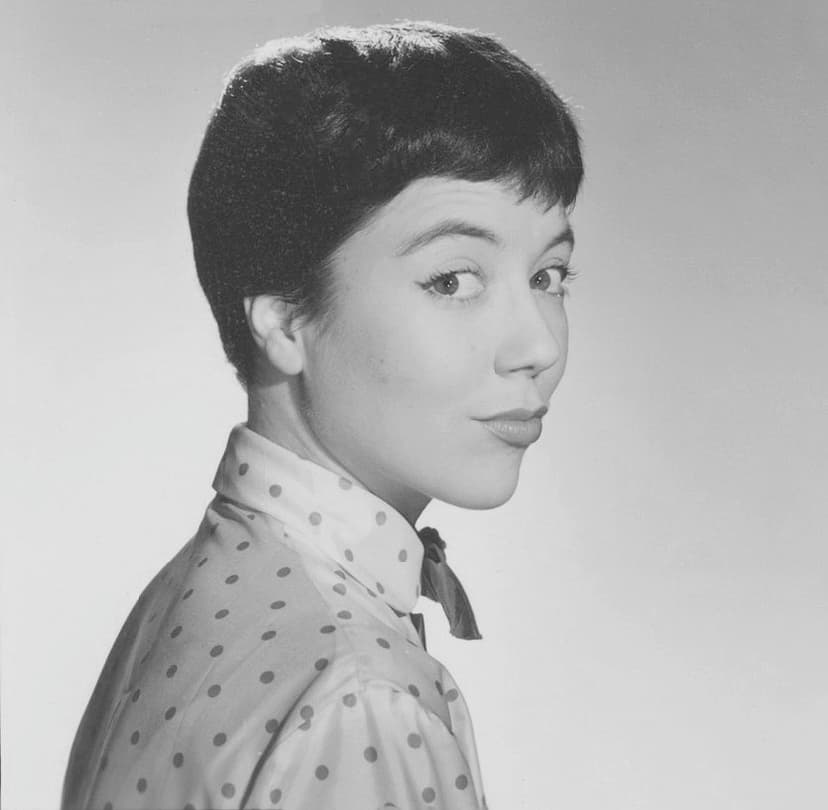
Annie Violette Fratellini
Legend of Dance
Why They Matter
Fratellini matters to dance and movement history because she made the body of the clown legible as a trained, musical, teachable practice. Her Auguste complicated gendered assumptions about who could occupy comic physical authority, while her school helped shift circus education from inheritance wit
Watch
Annie Fratellini et Pierre Etaix à l'accordéon | Archive INA
INA Chansons
A confirmed official INA upload showing how music, prop handling and clown partnership shape Fratellini's performance timing
Biography
Annie Violette Fratellini was born on 14 November 1932 in Algiers while her circus family toured. Her father, Victor Fratellini, was a clown and acrobat; her grandfather Paul belonged to the celebrated Fratellini trio. She learned acrobatics and music within this family world, acquiring skills on saxophone, violin, accordion, concertina, vibraphone and piano. She made her debut at Paris's Cirque Medrano in 1948, performing an early act built around balancing on a rolling globe while playing saxophone.
As a young adult, Fratellini stepped away from full-time circus work and built a parallel career in jazz, popular song, recordings and film. She appeared in Louis Malle's *Zazie dans le Métro* (1960) and *La Métamorphose des cloportes* (1965), among other screen roles. Her recorded output established that music was not merely a prop in her later clowning but a distinct professional practice.
Her collaboration with filmmaker and clown Pierre Étaix brought her back to circus performance. She appeared in Étaix's *Le Grand Amour* (1969), and by 1970 the pair were touring together with Cirque Pinder. In their partnership, Étaix generally occupied the whiteface or straight-man function while Fratellini took the Auguste role—the comic disruptor. This was a historically significant choice: a woman in the Auguste position challenged established conventions of circus performance.
Fratellini and Étaix translated their artistic vision into education. In 1974 they co-founded the École nationale du cirque in Paris, opening circus training to people outside hereditary circus families. The school combined technique with music and dramaturgy. In 1975, students appeared at the Festival d'Avignon under the Nouveau Cirque de Paris tent, performing without animals, a ringmaster or a conventional intermission—a radical reimagining of circus form.
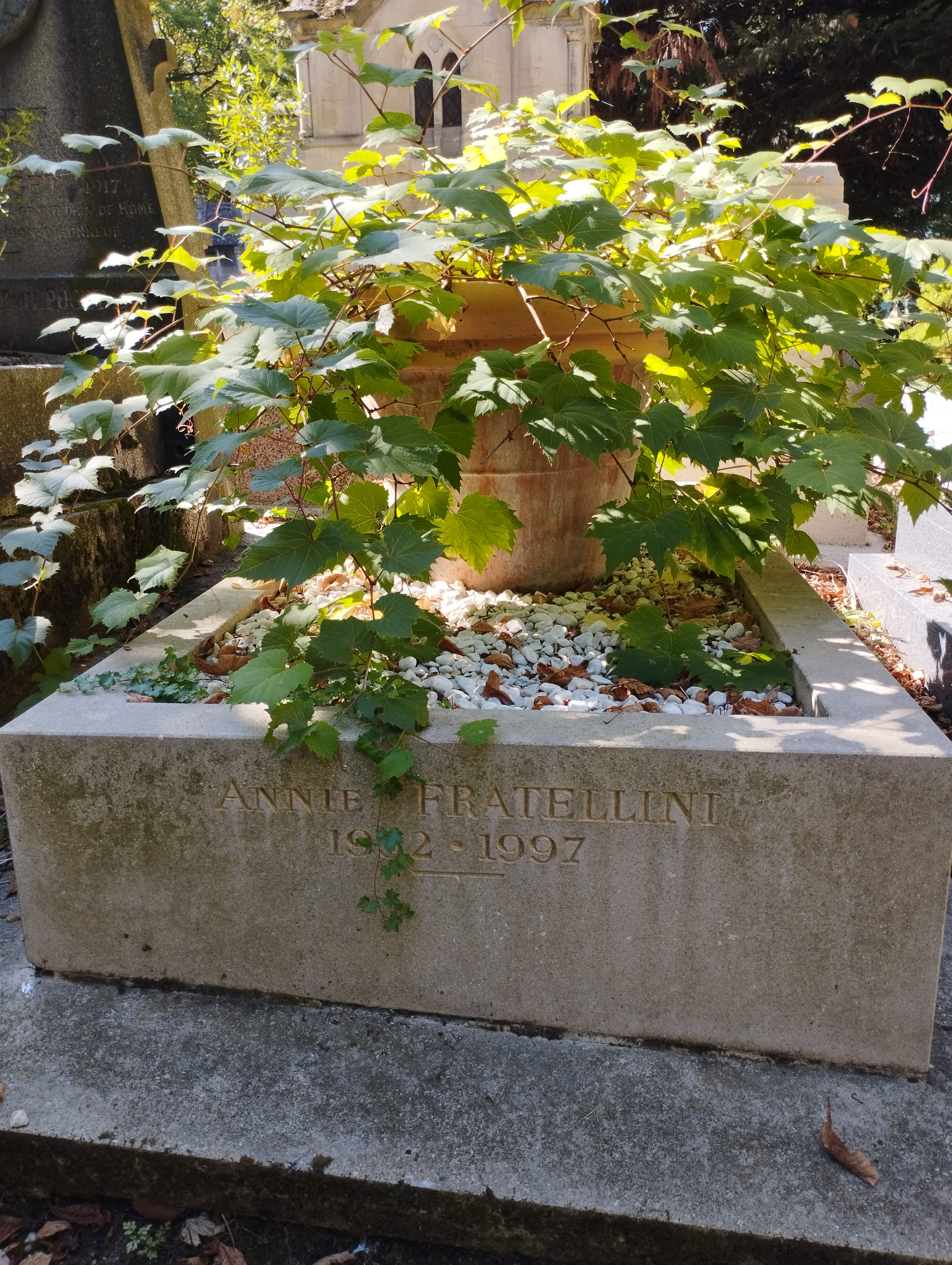
After Fratellini and Étaix separated in 1987, she continued developing the school and performing, including a clown partnership with her daughter Valérie. She published the memoir *Destin de clown* in 1989. Her work as an artist, director and teacher made transmission integral to her legacy rather than a separate afterlife. Fratellini died on 1 July 1997 in Neuilly-sur-Seine, France, at the age of 64. The institution bearing her name became the Académie Fratellini, inaugurated in Saint-Denis in 2003 as a higher school and creation center.
Career Highlights
Began performing at Paris’s Cirque Medrano, according to ARTCENA. ARTCENA
Built a parallel career in jazz, popular song, recordings and film after leaving full-time circus work. Circopedia
Appeared in Louis Malle’s Zazie dans le Métro. Circopedia
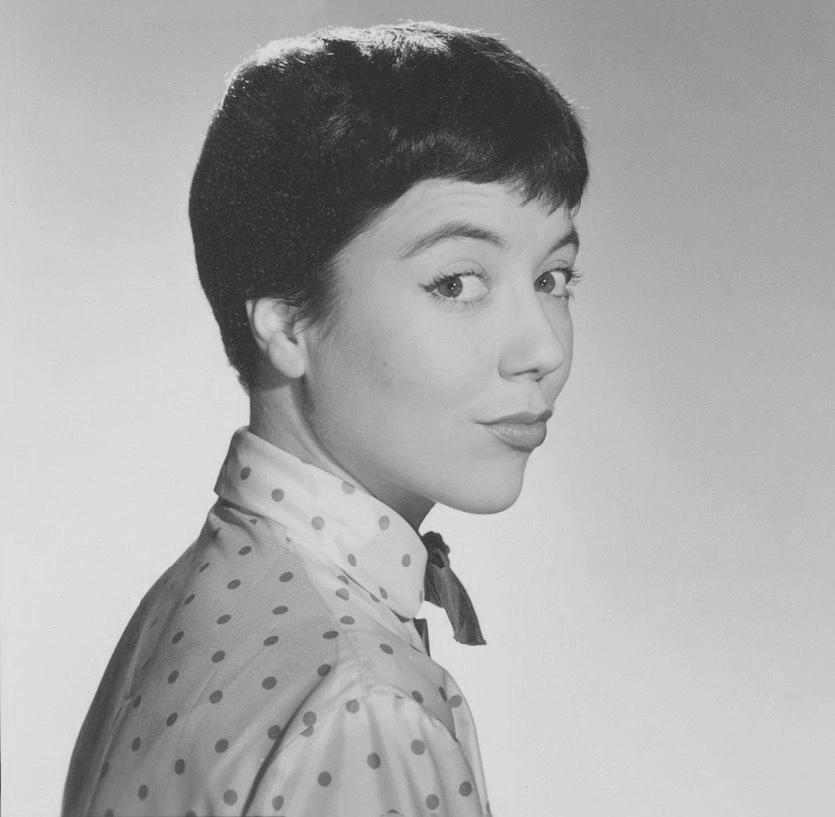
Appeared in La Métamorphose des cloportes and was photographed for her SACEM identity record. Circopedia
Played Florence in Pierre Étaix’s Le Grand Amour. Festival de Cannes
Toured with Étaix and Cirque Pinder, developing the whiteface-and-Auguste partnership. Circopedia
Co-founded the École nationale du cirque in Paris with Pierre Étaix. Académie Fratellini
Presented the school’s first student production at the Festival d’Avignon under the Nouveau Cirque de Paris tent. Académie Fratellini
Received France’s Grand Prix for cultural activities, as reported in her contemporary obituary. Los Angeles Times
Published her memoir Destin de clown. Circopedia
Gallery
Legacy & Impact
Fratellini matters because she made the clown's body legible as a trained, musical, teachable practice. Her Auguste role complicated gendered assumptions about who could occupy comic physical authority in circus, while the school she co-founded with Pierre Étaix shifted circus education from family inheritance to an interdisciplinary curriculum open to motivated students beyond traditional circus dynasties. The Académie Fratellini's continuing emphasis on technique, dramaturgy, creation and performance carries forward that pedagogical intervention.

Explore More Legends
Discover the dancers, teachers, choreographers, and cultural icons who shaped how the world moves.
Keep the thread going
Dance history, technique, and the occasional rabbit hole — in your inbox. Thoughtful, infrequent, unsubscribe anytime.
Free. No spam. One click to leave.