Rudolf Von Laban
Legend of Dance
Why They Matter
Laban changed the questions dancers and teachers could ask. Instead of defining movement only by named steps, he offered tools for examining direction, level, pathway, weight, time, flow and spatial relationship. His notation made complex movement recordable; his choirs and schools treated dance as
Biography
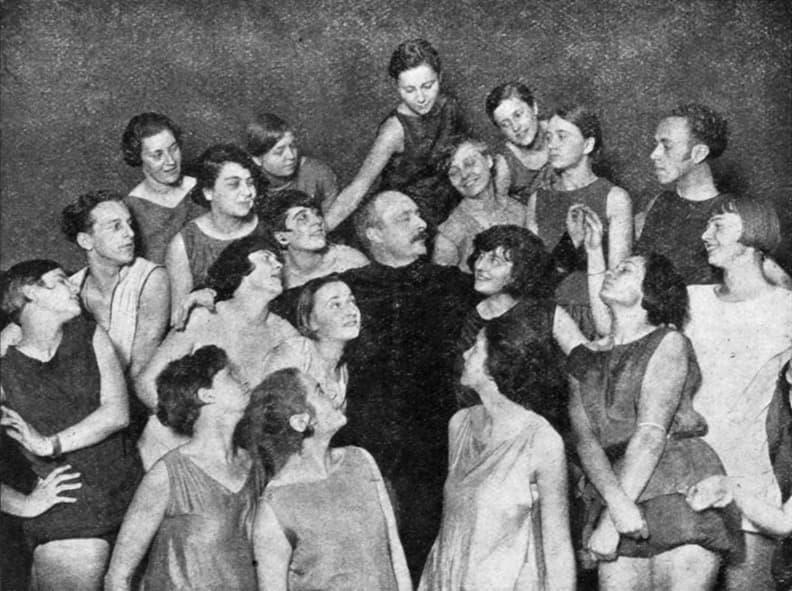
Rudolf von Laban was born on 15 December 1879 in Pressburg, then part of Austria-Hungary and now Bratislava. The son of a senior military figure, he grew up across the multicultural spaces of the empire, including Vienna, Sarajevo and Mostar. He rejected the military path expected of him and pursued visual art and architecture, studies that informed his lifelong preoccupation with the body moving through designed space.
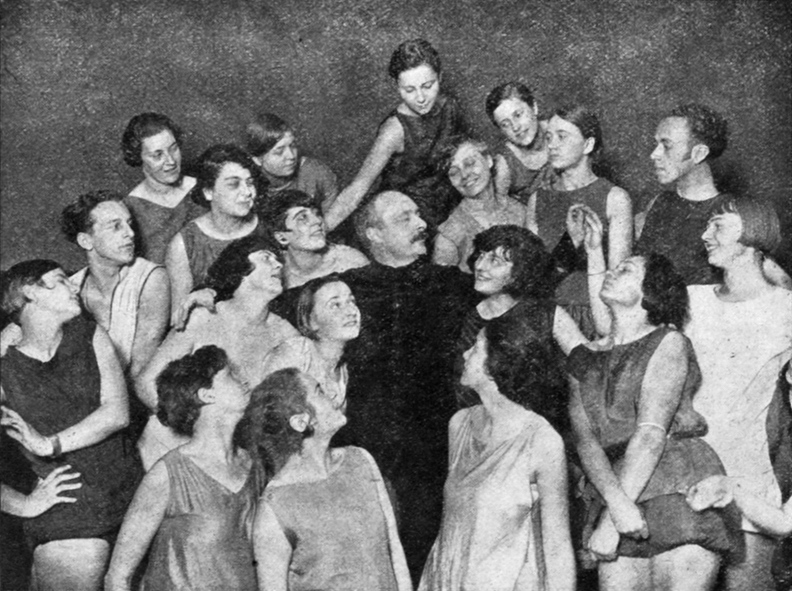
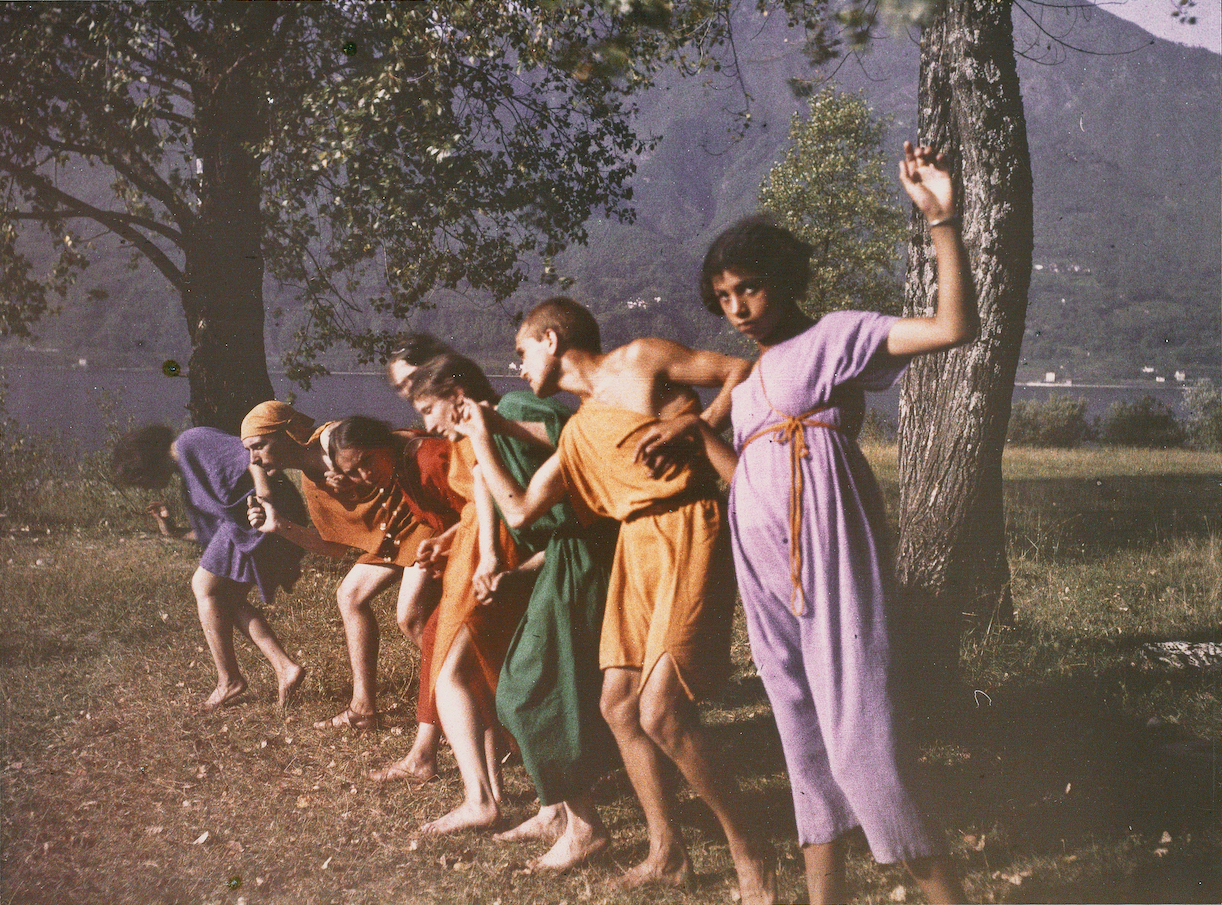
From the 1910s Laban developed experimental movement schools and summer work at Monte Verità near Ascona, working with crucial collaborators including Suzanne Perrottet, Mary Wigman, Kurt Jooss and Sigurd Leeder. He founded the Tanzbühne Laban in Hamburg in 1922, establishing a platform for dance theatre and training. Improvisation, communal practice, spatial exploration and the idea that movement could generate its own structure challenged dependence on ballet vocabulary and externally imposed musical form.
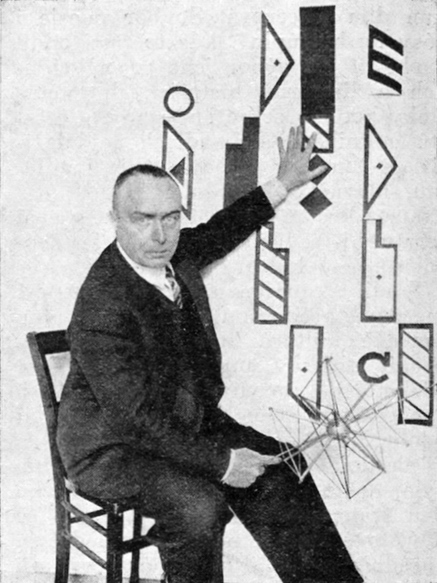
After the First World War he built companies, schools, choreographic institutes and amateur movement choirs across Germany and neighbouring countries—a network of roughly twenty-five schools and choirs. In 1928 he published Kinetographie Laban, introducing the notation system later known as Labanotation, which encodes body part, direction, level, duration and dynamics on a vertical staff. His German career reached major institutions: he directed movement and ballet at the Prussian State Theatres from 1930.
Laban's record under National Socialism must not be sanitized. From 1934 to 1936 he accepted state-funded leadership and festival work under the propaganda apparatus, accommodated racial exclusion, and prepared a mass work for the 1936 Berlin Olympics. The regime then banned that work; his position collapsed, and he left Germany, arriving in Britain in 1938. Escape after repression does not erase his preceding collaboration and compromise.
In Britain, supported by Lisa Ullmann and others, Laban shifted from large theatrical choreography toward education, industrial movement study, actor training and analysis of behaviour. He and colleagues examined how weight, space, time and flow shape movement effort. The Art of Movement Studio opened in Manchester in 1946 and later moved to Addlestone, where Laban continued movement research and teaching until his death in Weybridge on 1 July 1958.
His theories continued to be revised by Ullmann, Irmgard Bartenieff, Warren Lamb, Ann Hutchinson Guest and many others. That collaborative afterlife is essential: contemporary Laban/Bartenieff Movement Studies and notation are not frozen replicas of one man's doctrine. They are evolving tools used in dance, theatre, therapy, education, workplace study and movement research—and they require critical attention to culture, bodies and power.
Career Highlights
Born on 15 December in Pressburg/Pozsony, now Bratislava.
Developed experimental dance education and performance around Monte Verità and Switzerland with collaborators including Suzanne Perrottet and Mary Wigman.
Built companies, schools, institutes and movement choirs across Germany and Europe, helping define Ausdruckstanz and participatory movement practice.
Founded the Tanzbühne Laban in Hamburg, establishing a platform for dance theatre and training.
Published Kinetographie Laban, the foundational statement of the notation later known as Labanotation.
Became choreographer and director of movement for the Prussian State Theatres in Berlin.
Directed state-supported dance activities under the Nazi cultural apparatus; this period included accommodation and participation that require explicit historical accounting.
His planned Olympic mass choreography was banned by the regime, precipitating his loss of official standing.
Arrived in Britain after leaving Germany.
With Lisa Ullmann's leadership and support, the Art of Movement Studio opened in Manchester.
The studio moved to Addlestone, where Laban continued movement research and teaching.
Died in Weybridge on 1 July.
Gallery
Legacy & Impact
Laban changed the questions dancers and teachers could ask. Instead of defining movement only by named steps, he offered frameworks for examining direction, level, pathway, weight, time, flow and spatial relationship. His notation made complex choreography recordable; his choirs and schools treated dance as social participation; and his British work connected movement inquiry to theatre, education, industry and therapy. The legacy belongs equally to the collaborators who clarified, corrected and extended his ideas, and must include critical understanding of his work within Nazi cultural institutions.


Explore More Legends
Discover the dancers, teachers, choreographers, and cultural icons who shaped how the world moves.
Keep the thread going
Dance history, technique, and the occasional rabbit hole — in your inbox. Thoughtful, infrequent, unsubscribe anytime.
Free. No spam. One click to leave.