Shorty George Snowden And Big Bea
Legend of Dance
Why They Matter
Snowden and Big Bea matter because they demonstrate that early Lindy Hop innovation happened through partnerships, contests, social floors, and stage craft—not only through named choreographers. The pair’s visual contrast is memorable, but the deeper legacy is structural: they used floor-bound intri
Styles Shorty George Snowden And Big Bea shaped
Each one links to the style’s own page — its origins, music, tempo and video.
Biography
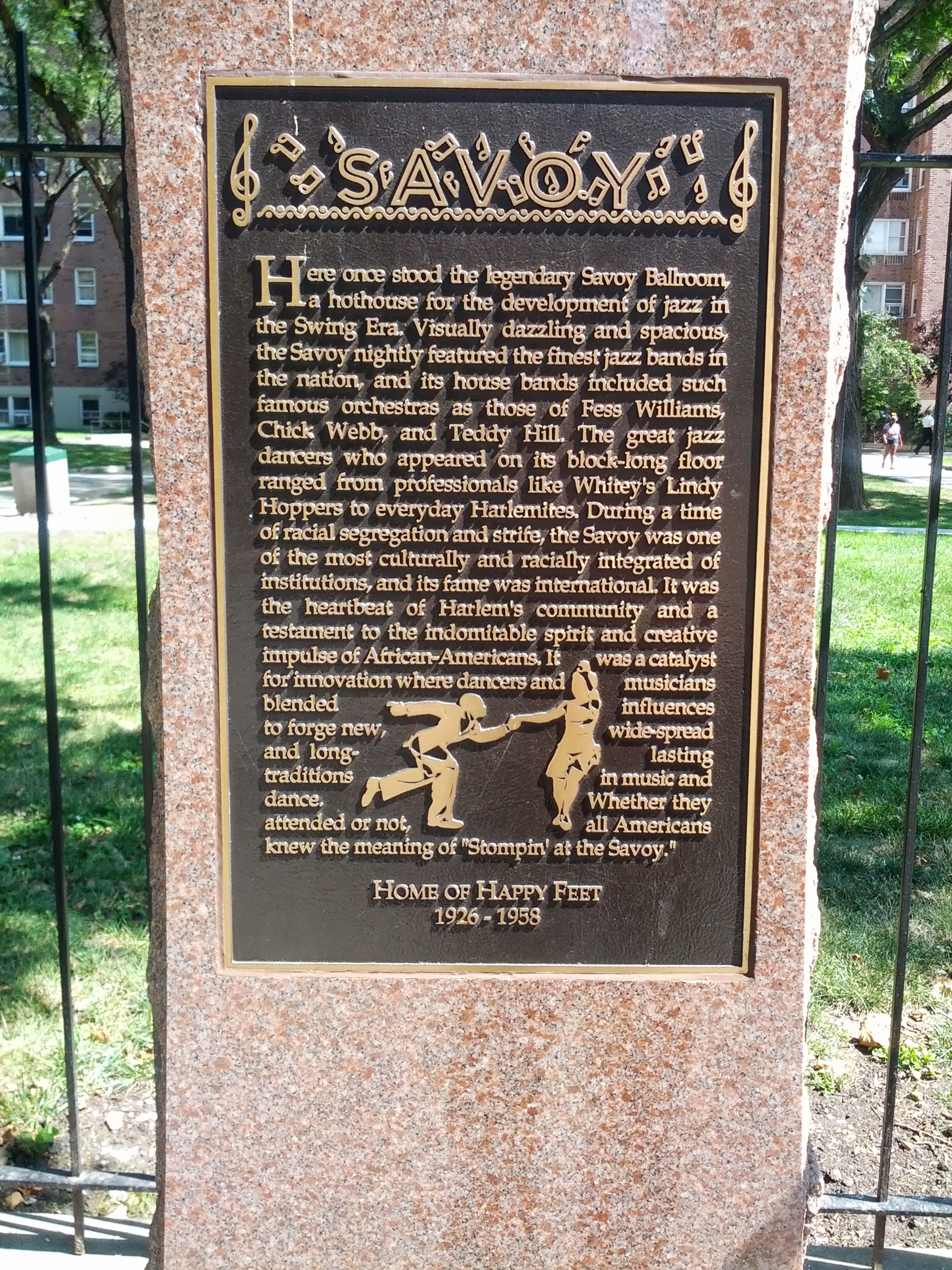
George "Shorty" Snowden emerged from Harlem's late-1920s social-dance world as one of the defining first-generation Lindy Hop artists. At a 1928 dance marathon most often cited in accounts of early Harlem Lindy Hop, he danced with Mattie Purnell and developed the breakaway-based improvisational practice associated with his early fame. He then became a leading Savoy Ballroom competitor and formed the Shorty Snowden Dancers, described as the first professional Lindy Hop troupe.
Big Bea entered the surviving narrative primarily as Snowden's most famous later partner. Sources consistently describe her as substantially taller than Snowden, whose stage name foregrounded his own small stature. Rather than disguise that contrast, they organized comic timing and partnered leverage around it. Their routines could end with Bea carrying Snowden away on her back while he continued moving, turning the couple's proportions into choreography rather than caricature.
At the Savoy during the first half of the 1930s, the pair were major competition dancers. Frankie Manning later recalled Snowden as a comic master with intricate footwork. In their celebrated 1935 contest against Manning and Frieda Washington, Snowden and Bea's back-to-back carry provided a practical and imaginative challenge that Manning transformed with a fully airborne over-the-back step—a moment that became central to the history of the first competition airstep.
Their professional work extended beyond Savoy contests. They appeared in Bill Robinson touring productions, an Eddie Cantor film in 1935, the short film *Ask Uncle Sol* in 1937, and a successful Cotton Club engagement that year under Leonard Reed's direction. Surviving screen footage is especially valuable because Big Bea left far fewer biographical records than her partner; it preserves her contribution as weight-sharing, timing, performance intelligence, and comic authority rather than treating her as scenery in Snowden's story.
Snowden's later life was affected by arthritis, and he died in 1982 as an international revival of Lindy Hop was beginning. Big Bea's later biography remains largely absent from accessible institutional sources. The partnership nevertheless persists in Lindy Hop pedagogy through the "Shorty George" step, through histories of the Savoy and early professional troupes, and through the recurrent story of how their back-to-back carry inspired a new generation's search for airborne vocabulary.
Career Highlights
Snowden and Mattie Purnell—not Big Bea—became prominent in a Harlem dance marathon associated with the early breakaway form of Lindy Hop. World Swing Dance Council World Swing Dance Council
Snowden appeared in After Seben, an important early screen record of Harlem jazz dancing; Big Bea is not identified as his partner in that film. World Swing Dance Council World Swing Dance Council
Snowden formed the Shorty Snowden Dancers, described by the Frankie Manning Foundation as the first professional Lindy Hop troupe. Frankie Manning Foundation Frankie Manning Foundation
Snowden won major Lindy Hop competitions at the Roseland and Savoy ballrooms with partners not consistently named in summary sources. World Swing Dance Council World Swing Dance Council
Snowden and Big Bea’s celebrated Savoy contest against Frankie Manning and Frieda Washington became central to the history of the first competition airstep. Frankie Manning Foundation Frankie Manning Foundation
The pair appeared in an Eddie Cantor film; the exact film credit should be confirmed against production records before publication. World Swing Dance Council World Swing Dance Council
Snowden and Big Bea appeared together in the film short Ask Uncle Sol. World Swing Dance Council World Swing Dance Council
They had a major Cotton Club success under Leonard Reed’s direction. World Swing Dance Council World Swing Dance Council
Fred Astaire and Rita Hayworth performed a “Shorty George” number in You Were Never Lovelier, evidence of the name’s migration into mainstream screen culture; it was not performed by Snowden and Big Bea. Kennedy Center Kennedy Center
The World Swing Dance Council inducted Snowden into its Hall of Fame. World Swing Dance Council World Swing Dance Council
Gallery
Legacy & Impact
Snowden and Big Bea matter because they demonstrate that early Lindy Hop innovation happened through partnerships, contests, social floors, and stage craft—not only through named choreographers. The pair's visual contrast is memorable, but the deeper legacy is structural: they used floor-bound intricacy, breakaway improvisation, counterweight, comic anticipation, and a decisive carried exit to make partner dynamics legible to a large room. Big Bea's incomplete biography also exposes a persistent archival imbalance: a woman central to an iconic partnership remains far less documented than the male dancer whose name entered the step vocabulary.

Explore More Legends
Discover the dancers, teachers, choreographers, and cultural icons who shaped how the world moves.
Keep the thread going
Dance history, technique, and the occasional rabbit hole — in your inbox. Thoughtful, infrequent, unsubscribe anytime.
Free. No spam. One click to leave.