American Smooth
Ballroom dances adapted for American competition with greater freedom of movement and separation than International Standard.
5 dance styles in this genre
Historical Origins
American Smooth has roots in the 1910s–1930s, when American ballroom teachers began adapting European ballroom dances with greater freedom of movement and open positions suited to American social dance culture. Unlike the strict closed-position requirements of International Standard, American ballroom dancing incorporated promenade, separation, and expressive styling from early on. In 1971 the American Ballroom Company (ABC), under license from the National Council of Dance Teachers Organization (now NDCA), held the first United States Ballroom Championships, including a Professional American Style division that combined what is now Smooth and Rhythm. In 1984 that Professional American Style category was split into separate American Smooth and American Rhythm divisions, formalizing American Smooth as a distinct competitive style. (International Standard had been a separate category from American Style throughout — the 1984 split was internal to American Style.) The style reflected American artistic sensibilities and audience preferences, establishing rules that allowed for open positions, promenade variations, and choreographic freedom not permitted in International Standard.
Cultural Significance
American Smooth developed inside the U.S. competitive circuit and codifies a set of rule differences from International Standard: open positions are permitted, partners may separate and re-take frame, and choreography may include underarm turns, side-by-side travel, and theatrical lines outside closed hold. The four dances in the syllabus — Waltz, Tango, Foxtrot, Viennese Waltz — share music and basic technique with their International Standard counterparts but allow figures and partner relationships that International Standard rules prohibit. American Smooth is sanctioned domestically by NDCA and USA Dance and is also competed under U.S.-style rules at select international events.
Musical Characteristics
American Smooth dances are performed to diverse music selections, each with specific tempo and character requirements. Waltz moves to classical 3/4 time waltzes, similar to International Standard but allowing for more contemporary music selections. Foxtrot requires 4/4 time smooth music with flowing character, permitting greater variety in contemporary selections. Tango is danced to 2/4 or 4/4 tango music with dramatic character, often featuring contemporary interpretations. Viennese Waltz requires fast 3/4 music with lilting character. American Smooth music selection allows for greater contemporary arrangements and diverse musical genres compared to International Standard, with competition music chosen for its suitability for executing open positions and contemporary choreographic patterns.
Core Movement Principles
American Smooth movement is characterized by the fundamental ballroom techniques of rise and fall, sway, and contra body movement, combined with greater freedom of position and separation. Dancers maintain an upright posture and smooth, flowing action across the floor when in closed position, but are permitted to separate and move into open positions while maintaining lead-follow connection. Open and shadow promenade positions — in which partners travel side-by-side without closed body contact — are characteristic of American Smooth and are not permitted in International Standard. Closed promenade position (PP) exists in both styles; it is the open and theatrical variants that distinguish Smooth. The frame is firm but flexible, allowing partners to adapt their connection based on choreographic requirements. Open positions permit greater arm styling, individual expression, and choreographic variety. The overall style maintains technical precision while allowing for contemporary interpretation and artistic expression.
Modern Usage
American Smooth ballroom dancing is actively danced in competitive, professional, and recreational contexts throughout the United States and internationally. The National Dance Council of America (NDCA) and USA Dance sponsor amateur and professional championships at all proficiency levels. Many American ballroom studios teach American Smooth as their primary curriculum, particularly outside major metropolitan areas. The genre appears regularly on television dance competition shows, introducing American audiences to the style's contemporary approach. Professional exhibition dancers perform American Smooth in theatrical productions and competition exhibitions. American Smooth divisions appear at all NDCA- and USA Dance-sanctioned national championships and at most major U.S. regional comps; the style is also competed under U.S.-style rules at select international events. The competitive framework continues to evolve with contemporary choreography incorporating modern music and theatrical elements while maintaining core ballroom technique.
Dance Styles
American Waltz
Also known as: Closed Waltz, American Standard Waltz
American Waltz adapted the International Standard Waltz for American preferences, allowing for greater separation and looser movement while maintaining the fundamental three-quarter rhythm and turning action.
American Tango
Also known as: Closed Tango, Smooth Tango
American Tango adapted Argentine and International Standard tango for American ballroom contexts, allowing for smooth traveling action and partnership variations while maintaining dramatic character.
American Foxtrot
Also known as: American Smooth Foxtrot
American Foxtrot emphasizes smooth, flowing traveling action with greater partner separation than International Standard, allowing dancers to showcase theatrical styling and individual expression.
American Viennese Waltz
Also known as: American Rotary Waltz
American Viennese Waltz adapted the fast rotational Viennese Waltz for American ballroom, allowing for greater variation while maintaining the characteristic continuous turning action.
American Peabody
Also known as: Peabody
Peabody is one of the fastest ballroom dances — a rapid American Smooth dance in 4/4 time danced to fast-paced ragtime music at 240-248 BPM. Dancers frequently pass their feet rather than closing them, allowing for a fast, gliding motion at speeds often exceeding International Quickstep.
Legends of American Smooth
Dancers, choreographers and teachers whose work shaped the styles in this genre.
American Smooth on screen
Films and television where american smooth appears, with the sequences worth watching for.
 Take the Lead (2006)14 sequences indexedDetention's first foxtrot lesson · 00:30:18 · chor. JoAnn JansenPierre and Augustine's PTA demonstration · 01:17:35 · chor. JoAnn JansenPreliminary competition tango heat · 01:36:02 · chor. JoAnn Jansen; Rich Talauega; Tone Talauega
 Mad Hot Ballroom (2005)12 sequences indexedRodney introduces the foxtrotAlex's foxtrot rehearsalRodney's tango spelling lesson
 Marilyn Hotchkiss' Ballroom Dancing & Charm School (2005)5 sequences indexedMarilyn and Sy demonstrate the waltz · 00:50:21Circle-choice waltz — Lisa leads Steve · 00:51:05Final waltz montage — two generations choose partners · 01:12:00 · chor. JoAnn Fregalette Jansen
 Dance With Me (1998)2 sequences indexedBea and Stefano's studio lesson · chor. Daryl Matthews; Liz CurtisCostume-party foxtrot with Bea · chor. Daryl Matthews; Liz Curtis
 Dirty Dancing (1987)2 sequences indexedTerrace ballroom lesson with Vivian · 00:22:28 · chor. Kenny OrtegaTrot the Fox — main-floor guest dance · 00:09:24 · chor. Kenny Ortega
 Swing Time (1936)2 sequences indexedNever Gonna Dance · 01:28:07 · chor. Hermes Pan (dance director)Waltz in Swing Time · 00:51:25 · chor. Hermes Pan (dance director)
 Top Hat (1935)2 sequences indexedCheek to Cheek · 01:03:25 · chor. Fred Astaire (uncredited); Hermes PanIsn't This a Lovely Day? gazebo duet · 00:23:40 · chor. Fred Astaire (uncredited); Hermes Pan
 La La Land (2016)1 sequence indexedPlanetarium dance · 00:54:33 · chor. Mandy Moore
 The Gay Divorcee (1934)1 sequence indexedNight and Day · 00:51:42 · chor. Hermes Pan (dance director)
Poster artwork from TMDB.
 This site uses TMDB and the TMDB APIs but is not endorsed, certified, or otherwise approved by TMDB.
Related Genres
American Smooth FAQs
American Smooth in art
Browse the gallery →Works our catalogue identifies as depicting american smooth.
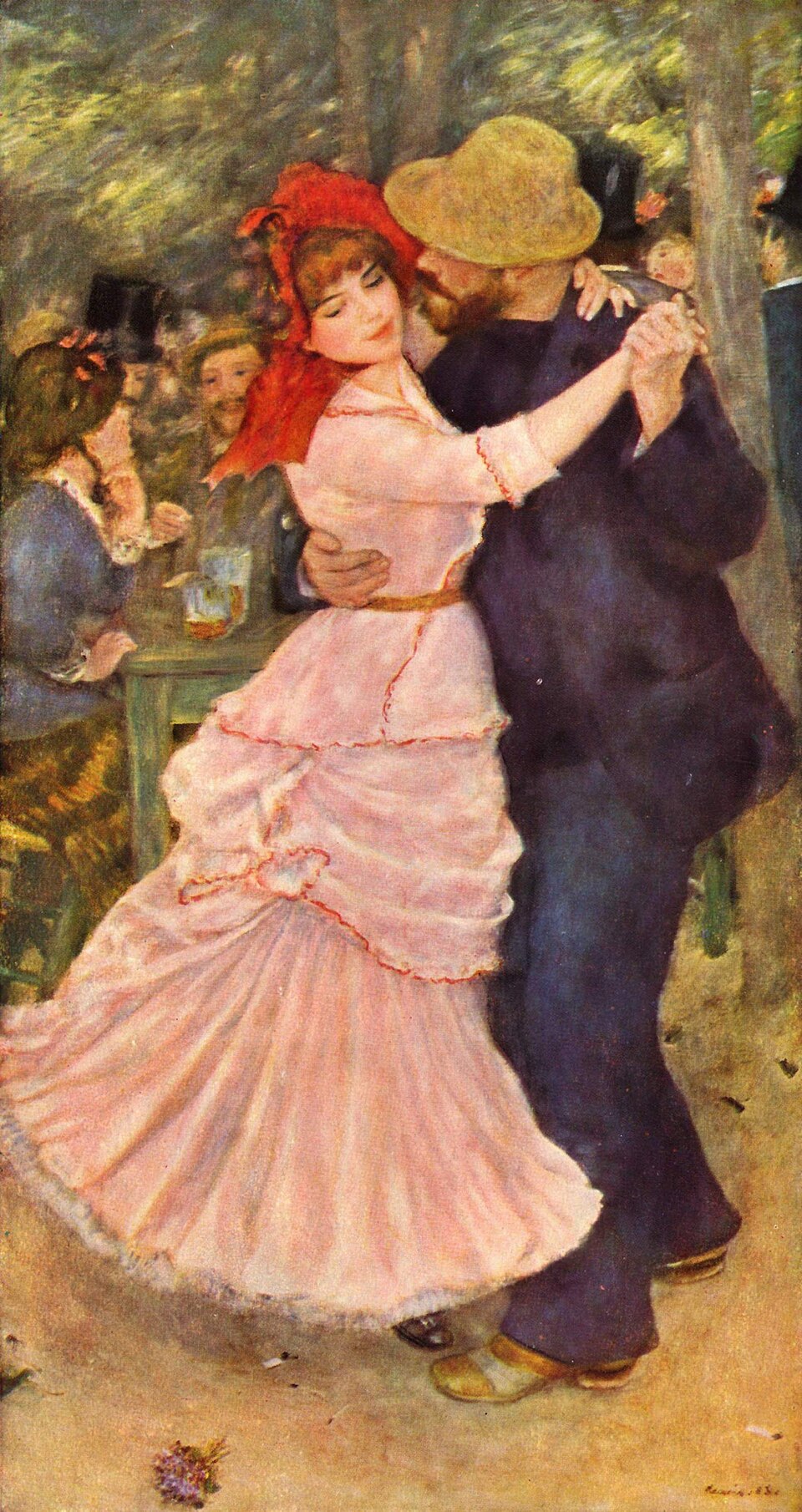
Dance at Bougival
Pierre-Auguste Renoir
public_domain
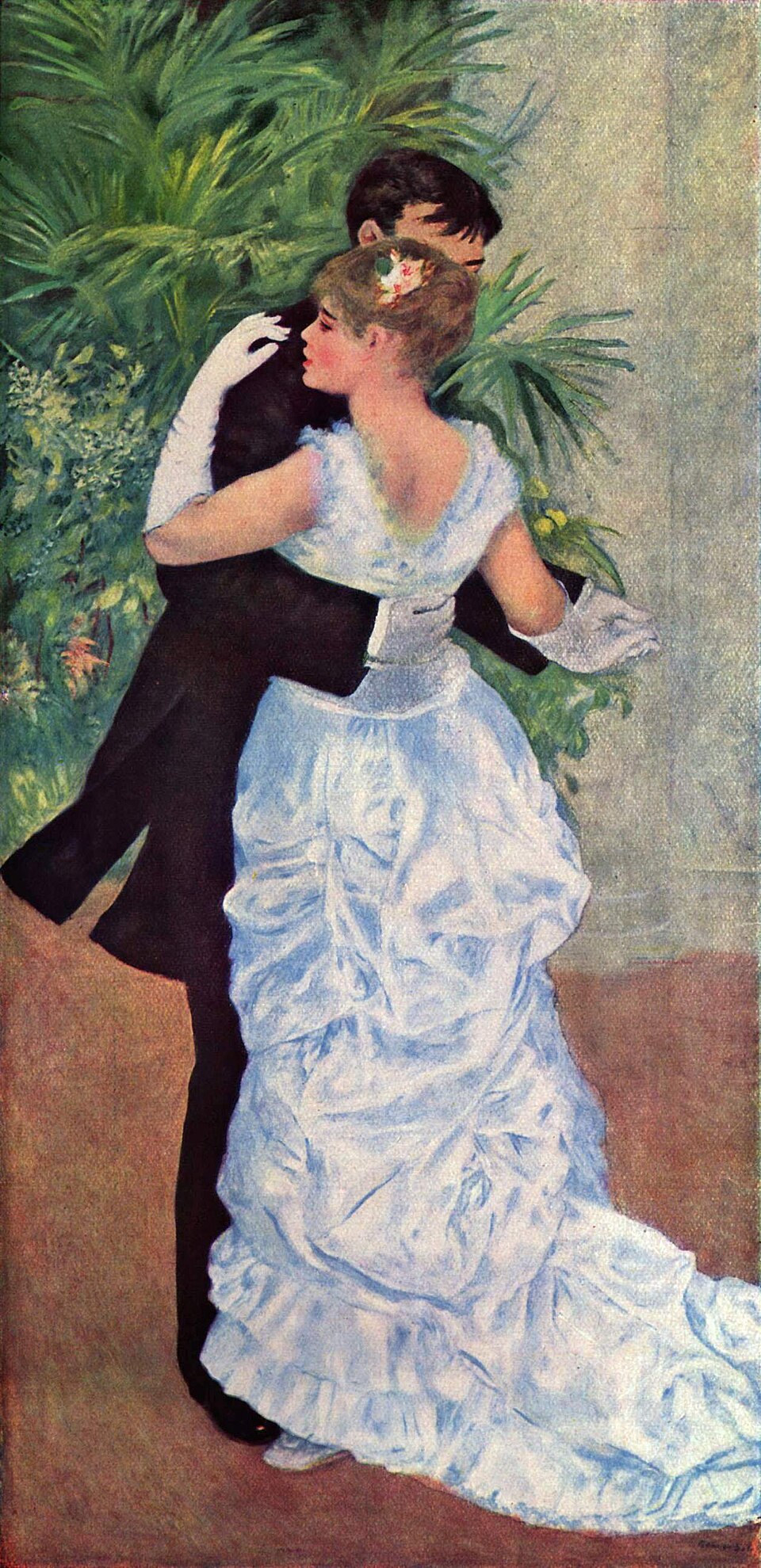
Dance in the City
Pierre-Auguste Renoir
public_domain
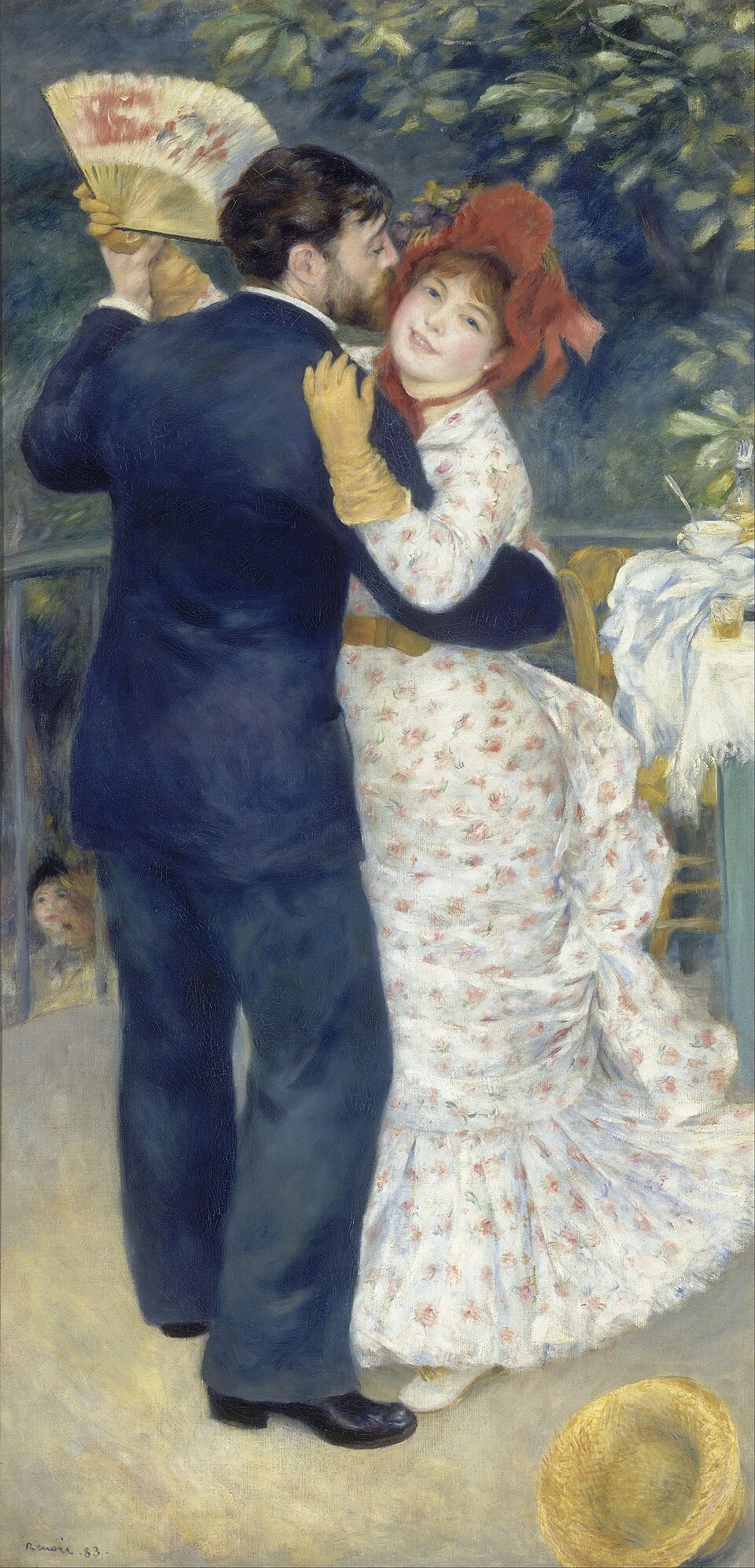
Dance in the Country
Pierre-Auguste Renoir
public_domain
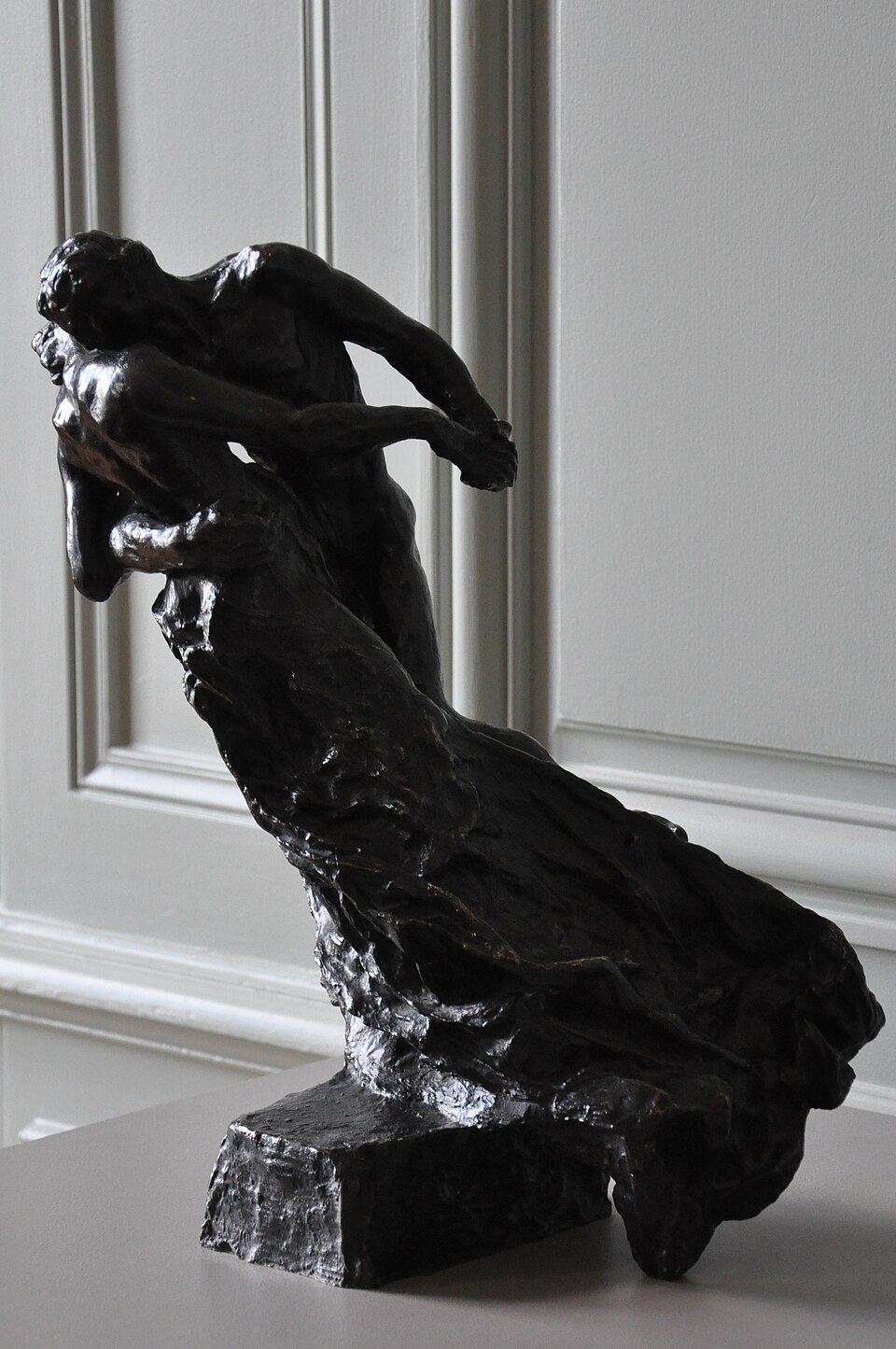
The Waltz
Camille Claudel
public_domain
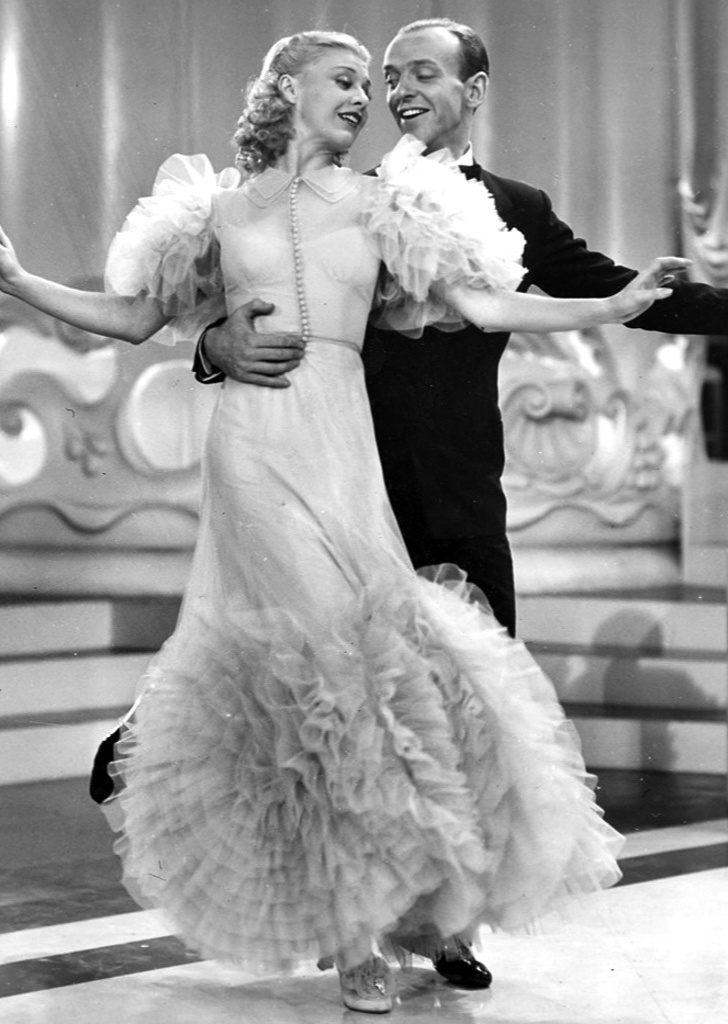
Fred Astaire and Ginger Rogers
Unknown artist
public_domain
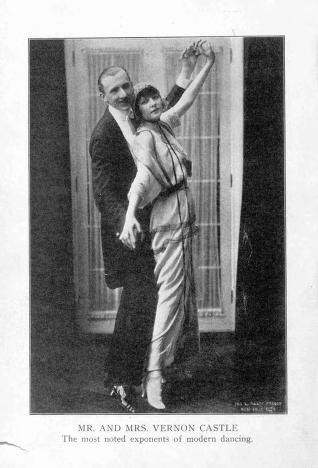
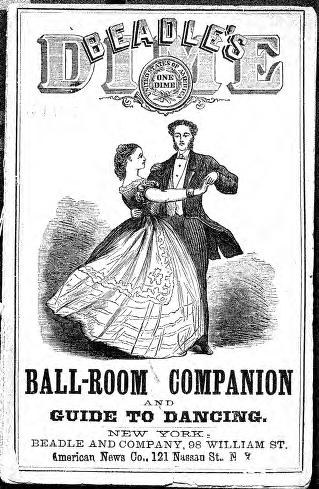
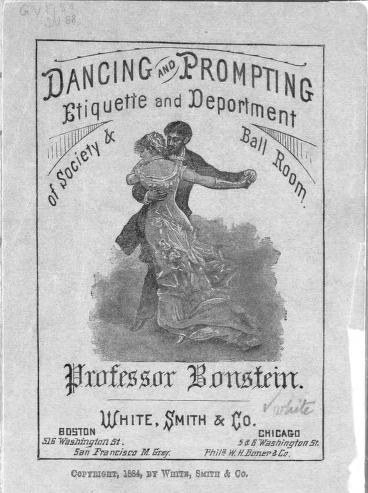
Dancing and prompting, etiquette and deportment of society and ball room
Unknown artist · 1884
public_domain
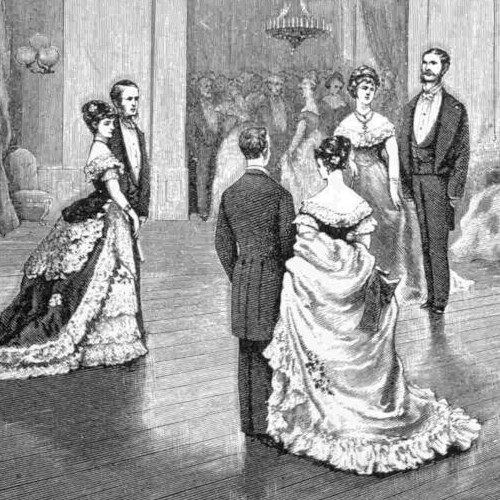
Antidance Literature | Western Social Dance: An Overview of the Collection | Articles and Essays | A
Unknown artist
public_domain
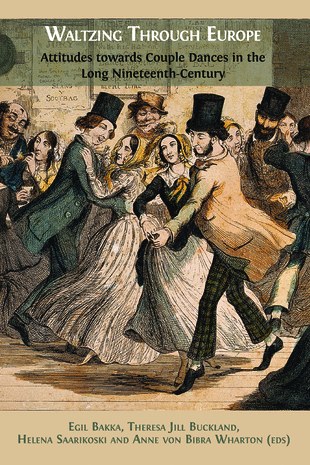
Waltzing through Europe : Attitudes towards couple dances in the long Nineteenth Century
Unknown artist · 2020
public_domain
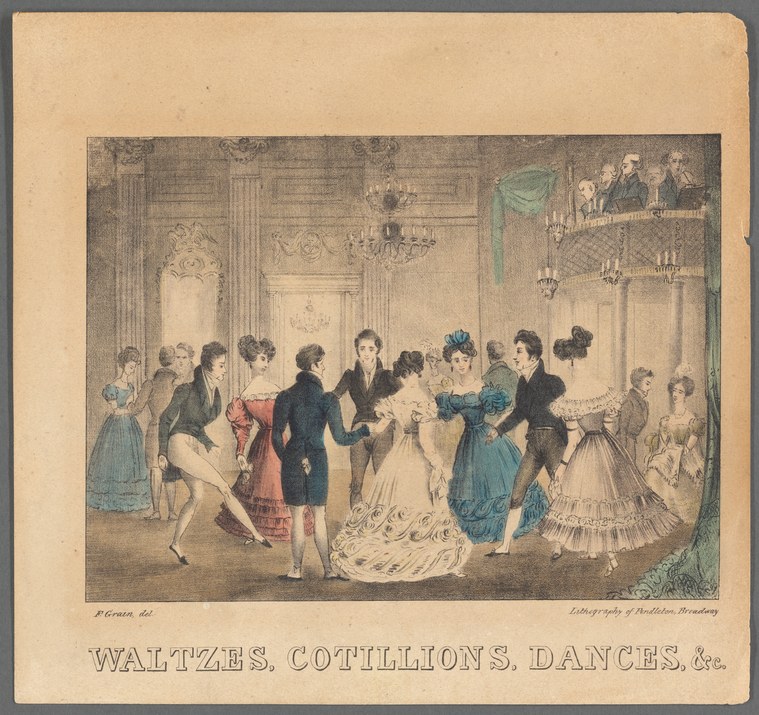
Waltzes, cotillions, dances, &c.
Unknown artist
public_domain