International Waltz
Also known as: Slow Waltz, English Waltz, Standard Waltz
- Origin
- Vienna, Austria
- Era
- 1770–1800
- Rhythm
- 3/4 time
- Tempo
- 84-90 BPM
- Character
- Elegant, flowing, romantic, graceful
History & Cultural Context
The Waltz developed in Vienna during the 1770s-1790s, evolving from peasant traditions (the Austrian Laendler) into the refined court dance of the Austro-Hungarian Empire. The turning action and closed position were revolutionary for the era, shocking conservative society with their intimacy while democratizing ballroom dancing. The dance spread rapidly across Europe—Paris, London, and Naples embraced it by the 1810s. By the 19th century, it dominated ballroom culture, with the Strauss family's compositions cementing its cultural significance. The modern International Standard Waltz was codified by the Imperial Society of Teachers of Dancing in the early 20th century, standardizing technique, figures, and competitive rules. Competition standardization transformed the fluid waltz into a precise technical dance while preserving its elegant character. The waltz remained a symbol of refined courtship and romantic expression throughout the 19th and 20th centuries. Its influence on ballroom traditions is immeasurable—nearly all subsequent Standard dances reference waltz technique.
Cultural Significance
The Waltz transformed ballroom culture in the 19th century, challenging societal norms by allowing couples to hold each other in close proximity. Metternich's Vienna embraced the dance as a symbol of imperial elegance. The dance was immortalized in Strauss family compositions and became central to Habsburg court life. In the 20th century, it remained the foundation of competitive ballroom dancing and a marker of refined social achievement.
Characteristic Movement & Technique
The International Waltz is defined by its distinctive rise and fall action combined with sway—a controlled leaning of the upper body that creates visual grace and reflects the musical phrases. Dancers travel continuously around the dance floor in a counterclockwise direction (line of dance), covering ground with smooth, flowing steps performed in closed position. The characteristic turning action, executed through the couple's axis rotation, creates the waltz's elegant rotational quality. Rise and fall occur as dancers extend upward on relevant beats through stretching of the legs and lowering on others, creating a vertical elasticity throughout the movement. Sway, achieved through upper body lean without bending at the waist, adds visual extension and partnering connectivity. The feet maintain parallelism and travel in specific geometric patterns—either parallel to the line of dance or perpendicular to it. The waltz's hallmark three-quarter time signature requires dancers to internalize a triple meter rhythm while maintaining continuous, fluid momentum across the floor. The overall quality emphasizes smoothness, grace, and the illusion of effortless gliding, despite the technical precision required.
Partnering Dynamics
International Waltz is danced exclusively in closed position, where partners maintain constant upper body contact at a slight angle—the man's right side and woman's left side connected throughout. This contact forms the foundation for lead and follow communication, with the man maintaining a firm but flexible frame that allows him to guide movement direction and timing. The frame provides stability while permitting the natural rise and fall and sway actions that characterize the dance. The lead is communicated primarily through frame and body contact rather than hand pressure, with subtle shifts in weight and body tension directing the follower. The connection must be maintained even as dancers execute turns and rotational figures, requiring both partners to maintain their frame integrity. The follower responds to the leader's direction by maintaining frame and interpreting the physical leads transmitted through the closed position. Posture must be independent—each partner supporting their own upper body weight—while frame remains connected. The partnership in waltz emphasizes unity and synchronized movement, creating the visual impression of one entity moving together despite the technique required to achieve this effect.
Competitive Context
International Waltz is one of the five International Standard dances competed at all levels of ballroom competition, from amateur preliminaries to professional championships. Competition is organized by major governing bodies including the World DanceSport Federation (WDSF), World Dance Council (WDC), and national organizations. Amateur competitors progress through bronze, silver, and gold proficiency levels, with separate competitions for beginners, intermediate, and advanced dancers. Professional championships offer prestigious competitions including the Blackpool Dance Festival and World Amateur Ballroom Dance Championships. Judges evaluate waltz on technical execution—correct figure performance, timing, frame, and footwork—as well as artistic presentation including musicality, choreography, floor craft, and partnering quality. Competition tempos for waltz range from 84-90 BPM, with specific repertoires of permitted figures and choreographic requirements at different levels. The waltz's elegance and technical foundation make it a favorite among judges and audiences, often featured as a championship dance. Successful competitive waltz requires years of training to develop the smooth rise and fall, refined sway, and musical interpretation that judges reward.
Regional Variations
While International Standard Waltz is globally standardized through WDSF rules, regional variations in competition culture and emphasis exist. British competitors, particularly those trained at the Imperial Society schools, emphasize classical technique and smooth, continuous action. European competitors often bring subtle stylistic influences in their interpretation of sway and rise and fall timing. American competitors, while following International Standard rules, often incorporate American aesthetic preferences in choreography. Some regions emphasize competition in strictly syllabus figures, while others reward choreographic creativity within the prescribed technical framework. The Waltz also exists in American Smooth style, which permits open positions and greater separation, creating a distinctly different dance despite shared fundamental technique. In social dance contexts, particularly in European salons and traditional ballroom venues, waltz maintains regional character—Viennese waltz variations and regional folk waltzes persist in their origins. The standardization of International Waltz has created remarkable consistency globally, though subtle regional coaching schools maintain distinct emphases on phrasing, timing, and musical interpretation.
Common Misconceptions
A frequent beginner mistake is attempting to create sway through bending the upper body sideways, producing 'broken sway' that creates disconnection from partners and loss of frame integrity. Proper sway requires upper body lean with the hips and lower body remaining stable. Another misconception is that rise and fall involves bouncing or jumping—in reality, it results from extending through stretched legs, creating a smooth, continuous vertical wave rather than staccato movement. Beginners often struggle with the concept of traveling through closed position, assuming the frame must rotate the body completely; in reality, the frame rotates while the lower body follows, creating the waltz's characteristic turning quality. Many new dancers rush the tempo or ignore the musical phrasing, treating the waltz as constant movement rather than recognizing musical phrases and variations in tempo. The closed position is sometimes misunderstood as a rigid connection; in reality, it requires flexibility and elasticity to permit the natural movements of rise, fall, and sway. Some dancers incorrectly believe waltz involves hip movement similar to Latin dances; in International Standard Waltz, hip movement is a natural consequence of leg action and rise and fall, not an intentional technique. Finally, beginners often underestimate the waltz's technical demands, viewing it as the 'easiest' standard dance due to its popularity; in reality, refinement of waltz technique requires years of dedicated practice.
Peak Popularity
Signature Figures
- Natural Turn
- Reverse Turn
- Whisk
- Chasse
- Telemark
- Closed Impetus
Notable Codifiers
- Imperial Society of Teachers of Dancing
- Alex Moore
- Bill Irvine
- Marcus Hilton
- ISTD (Imperial Society of Teachers of Dancing)
- WDSF (World DanceSport Federation)
- WDC (World Dance Council)
International Waltz Playlists
Curated collections on the LODance YouTube channel — performances to watch, lessons to learn from, and the right music to practice with. Tap a collection to play.
▶ Performances · Open on YouTube →
International Waltz Music & Tempo
Drawn from 1,910 International Waltz tracks in the LODance music library.
Example tracks at practice tempo
- Coming Home (Bonus Track) — Abracadabra88 BPM
- As Time Goes By — Michael Feinstein89 BPM
- Run for the Roses — Dan Fogelberg88 BPM
- The Wonderful World Of The Young — Cluck Band Orchestra90 BPM
- First Step (2023) (from 'Interstellar') [Slow Waltz 29BPM] — DJ Maksy87 BPM
- Heirlooms — Amy Grant87 BPM
Who governs International Waltz
Federations, councils and examining bodies with a recorded role in this style. No single organisation can tell you this — each one knows only itself.
Legends of International Waltz
Dancers, choreographers and teachers whose work shaped this style.
International Waltz on screen
Films and television where International Waltz appears, with the sequences worth watching for.
 Shall We Dance? (1996)5 sequences indexedMai's substitute Waltz class · chor. Tetsuya Sakurada (choreography for Tamiyo Kusakari); Toshio Watari (dance direction)Competition training — Waltz first step · chor. Tetsuya Sakurada (choreography for Tamiyo Kusakari); Toshio Watari (dance direction)Amateur competition — Sugiyama and Toyoko's Waltz · chor. Toshio Watari (dance direction)
 Shall We Dance? (2004)4 sequences indexedFirst lesson — Waltz basics · 00:12:25 · chor. John O'ConnellPaulina and Francesco's Moon River demonstration · 00:14:19 · chor. John O'ConnellPaulina substitutes for the beginner Waltz class · 00:35:18 · chor. John O'Connell
 Come Dancing (1949–1998)1 sequence indexedRepresentative archive anchor — ballroom team waltz
 The Fisher King (1991)1 sequence indexedGrand Central Station waltz
 Welcome to the Ballroom (2017)1 sequence indexed“Flower in a Frame” Waltz solo
Poster artwork from TMDB.
 This site uses TMDB and the TMDB APIs but is not endorsed, certified, or otherwise approved by TMDB.
What to Wear
Attire guidance for International Waltz and other International Standard dances. Each card below is sized to the moment — class, practice, social, or competition — because the wardrobe shifts as the stakes do.
Reading the cards
In Class
Smart practice wear. Women: a practice skirt that moves like a gown, or stretchy trousers. Men: a dress shirt (tucked) and trousers — maintaining frame is easier when dressed for it.
Social Dancing
Formal. Women: long flowing dresses. Men: suit and tie or tuxedo at formal events. Standard socials tend to be dressier than Latin nights.
Competition
Women: full ballgowns with extensive float, often decorated with Swarovski crystals. Standard gowns frequently feature "wings" — dramatic fabric panels attached at the wrists or arms that create stunning visual lines in the permanent closed hold. Wings work beautifully here because Standard never breaks frame. Men: custom-made tailsuits (white tie) with built-in stretch, specifically constructed for ballroom movement. These are not regular formalwear — a competition tailsuit is engineered for full range of motion in frame. The aesthetic is regal and disciplined.
Shoes
Women: closed-toe court shoes, 2–2.5" heel, flesh-toned or matching gown. Men: patent leather ballroom shoes with 1" heel. Suede soles for smooth movement.
In Practice
Smart practice wear that rehearses the line. Followers in a long practice skirt with real float so the gown becomes second nature. Leaders in a tucked dress shirt and trousers — frame discipline is easier when you are dressed for it. Many serious Standard couples train in light gloves to rehearse hand placement.
By Role
Leaders
Class: Tucked dress shirt and trousers. A practice vest helps lock the frame.
Competition: Custom tailsuit (white tie). Tailcoat with stretch panels in the back, under the arms, and along the trouser seat. Shoulders constructed slightly forward of neutral so seams sit correctly when arms come up. White waistcoat, white bow tie, suspenders (never a belt — a belt creates a horizontal break and shifts mass during movement). High-waisted trousers. Patent leather oxfords with 1" heel and suede sole. The aesthetic is consciously archaic — a callback to the Vienna and London ballrooms where these dances were codified.
Followers
Class: Fitted leotard or top with a practice gown skirt — long, soft, and weighted enough to teach gown management.
Competition: Long ballgown with extensive float and frequently with wings — large fabric panels attached at the wrists or upper arms creating a continuous line from fingertip to fingertip. Wings work in Standard for one reason: the frame never breaks. Heavy decoration: Swarovski rhinestones, pearls, occasional feather trim. Color skews dramatic — black, royal blue, deep red, ivory — for visual clarity at distance. Hair pulled back, often a chignon.
Tailsuit vs Smooth Suit · Wings vs No Wings
International Standard vs American Smooth
International Standard
- ◆Leader: Tailsuit (white tie). Tailcoat with stretch panels — not a tuxedo.
- ◆Follower: Ballgown with wings — fabric panels at wrist or upper arm.
- ◆Frame: Permanent closed hold — wings work because frame never breaks.
American Smooth
- ◆Leader: Smooth suit — stretch dance jacket, often without tails.
- ◆Follower: Ballgown without wings — arms must be free to leave the frame.
- ◆Frame: Opens for tandem walks, shadow positions, and free turns.
International Standard's wardrobe is the most architecturally specific in competitive ballroom because Standard's geometry is the most uncompromising. Permanent closed hold means tailsuit + winged gown create one sweeping shape moving as a single object. American Smooth, by contrast, opens the frame for tandem walks, shadow positions, and free turns — which is why Smooth uses a smooth suit (not a tailsuit) and a wingless gown. Putting a Standard tailsuit on a Smooth competitor — or a Smooth suit on a Standard competitor — gets the wardrobe wrong in both directions.
Common Pitfalls
- ✗Wearing an off-the-rack tuxedo to a Standard event — the single most expensive mistake a beginner can make. Shoulders bunch, chest tightens, frame collapses inward.
- ✗Substituting a Smooth suit for a tailsuit — the genres look similar from a distance and demand different garments.
- ✗Wearing rubber-soled shoes — they grab the floor and load the knee during heel turns.
- ✗Skipping suspenders for a belt — breaks the visual line and shifts trouser position during movement.
Price Range
- Budget: Practice skirt and shirt-and-trouser kit $150–300; entry-level Standard shoes $90–160.
- Mid: Off-the-rack tailsuits and gowns $1,500–4,000; mid-tier shoes $180–280.
- Premium: Bespoke tailsuit (Chrisanne Clover, DSI London, Aida) $2,500–5,500; competition gown with full crystalwork and wings $5,000–15,000+; premium patent leather ballroom shoes $300–450.
Key Terms
- Tailsuit
- Custom-engineered tailcoat with stretch panels and movement-aware shoulder construction. White tie, white waistcoat, black tailcoat. Not interchangeable with a normal tuxedo.
- Wings
- Fabric panels attached at wrist or upper arm extending the gown's silhouette outward. Possible in Standard because the closed hold never breaks.
- Float
- Multiple layers of soft fabric in the skirt that travel through the air in a controlled wake.
- Suspenders, not belt
- A belt creates a horizontal break in the line and shifts mass; suspenders preserve a continuous hip-to-shoulder silhouette.
Quick Tips
- •Suede-soled shoes allow controlled sliding and pivoting — essential for most partner dances.
- •Avoid rubber soles on dance floors; they grip too much and can cause knee injuries.
- •Bring a separate pair of clean shoes for the dance floor to keep it in good condition.
Recommended Gear for International Waltz
Essential equipment and apparel selected for dancers learning International Waltz.


International Ballroom | International Standard Tail Suit | Tales | For Men | RA01 | Taka Dance
Taka Dance
$400+


Steps & Threads Mens Ballroom Dance and American Smooth Tail Suit with Shirt
Steps & Threads


As an Amazon Associate, LODance earns from qualifying purchases. Affiliate disclosure
Sources & Further Reading
Syllabi (instructional standards, not citable sources)
Competitive technique and choreographic standards are maintained by:
- • ISTD (Imperial Society of Teachers of Dancing) and WDSF (World DanceSport Federation) official syllabi and technique manuals
- • DVIDA (Dance Vision International Dance Association) materials for American dance variants
- • USA Dance and other national governing body resources
- • WDC (World Dance Council) competition rules and adjudication standards
Cultural & Historical Context
International Waltz emerged from Vienna, Austria during the 1770s—1800s. Understanding the cultural roots, musical traditions, and social circumstances of this era enriches appreciation for the dance's characteristics and significance.
Formative Influences
Codifiers & Standardizers:
Imperial Society of Teachers of Dancing, Alex Moore, Bill Irvine, Marcus Hilton, ISTD (Imperial Society of Teachers of Dancing), WDSF (World DanceSport Federation), WDC (World Dance Council)
Signature Movement Vocabulary:
Natural Turn, Reverse Turn, Whisk, Chasse, Telemark, Closed Impetus
Primary Source Documents
The Library of Dance contains public-domain primary sources for dance history. Copyrighted modern syllabi are indexed with purchase links to their respective copyright owners. Search by dance name or codifier to discover primary source documents.
Last reviewed: October 2026 — This dance profile synthesizes historical research, cultural documentation, and contemporary practice knowledge to provide authoritative context.
More in International Standard
International Tango
It was codified for International Standard competition by the Imperial Society of Teachers of Dancing in the 1920s, and is characterized by staccato rhythms, sharp movements, and dramatic styling.
International Viennese Waltz
The Viennese Waltz is the faster, more rotational precursor to the Modern Waltz, characterized by rapid continuous turning and minimal use of other figures. It originated in early 19th century Vienna and remains closely associated with Viennese balls and tradition.
International Foxtrot
The Foxtrot emerged in the United States in 1914, derived from the one-step and danced to syncopated ragtime and early jazz. It became one of the most popular ballroom dances of the early 20th century, known for its smooth, traveling action.
International Quickstep
The Quickstep developed in 1920s England as an adaptation of the Foxtrot to fast jazz tempos, incorporating light hopping actions and rapid footwork. It became the fastest and most energetic of the Standard dances.
What did dancers wear?
International Waltz belongs to the Modern Competition (1950s–present) era. See how attire shaped the choreography — and the other way around.
Explore Modern Competition attire →Our Library of Dance corpus skews to historical public-domain sources (pre-1925). Modern competitive technique citations require additional rights-cleared sources — see roadmap.
International Waltz in art
Browse the gallery →Works our catalogue identifies as depicting international waltz.
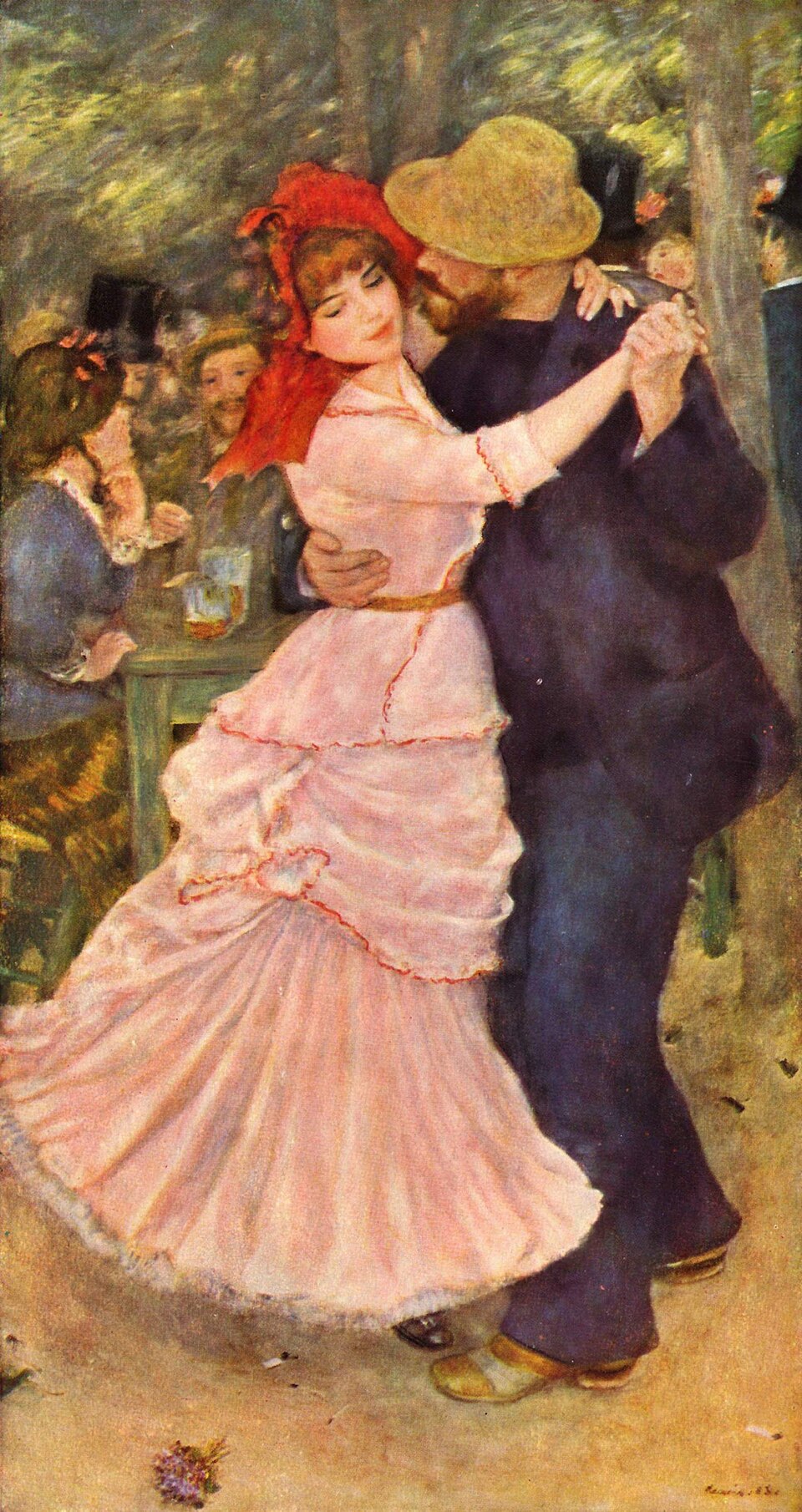
Dance at Bougival
Pierre-Auguste Renoir
public_domain
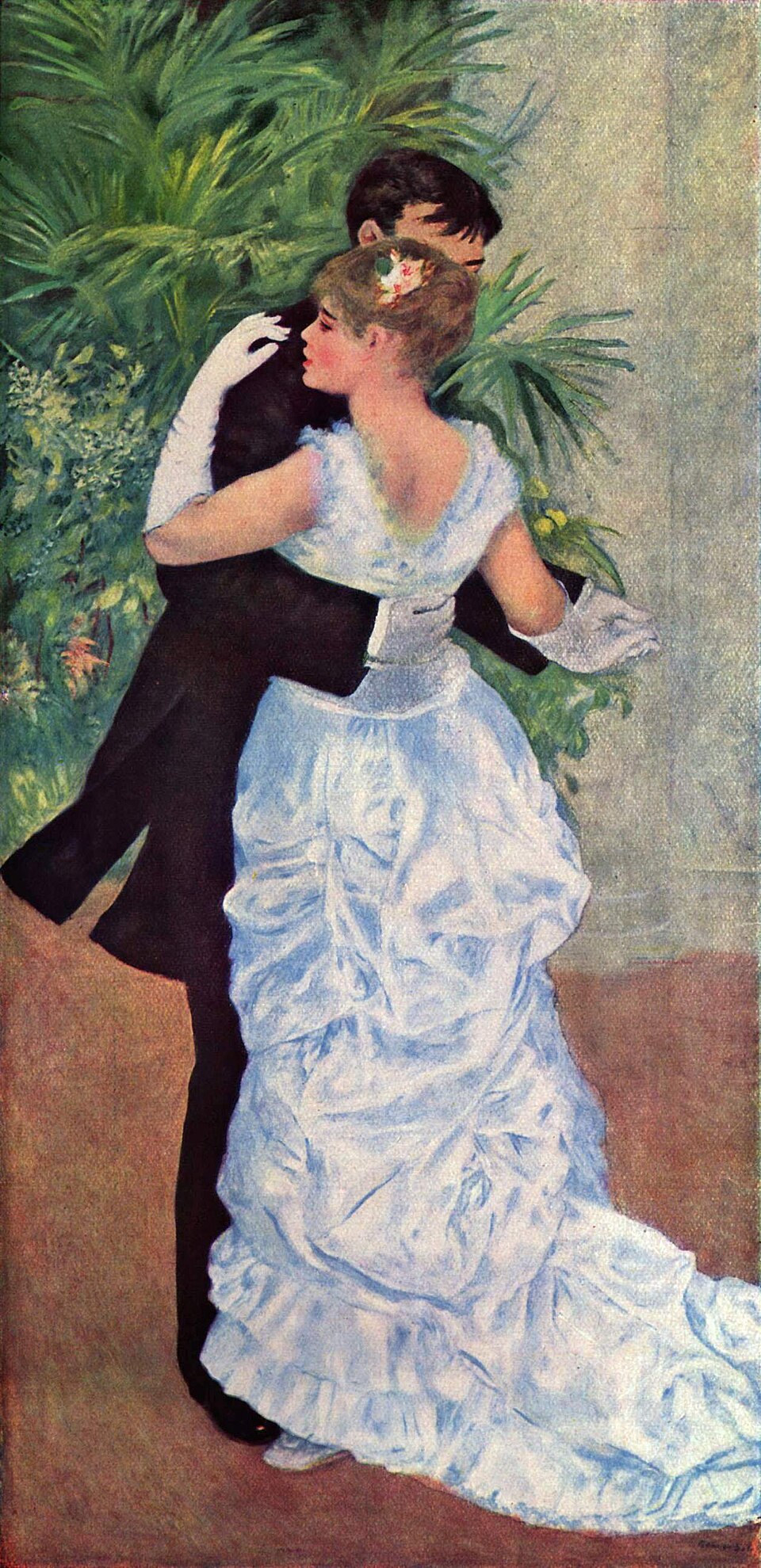
Dance in the City
Pierre-Auguste Renoir
public_domain
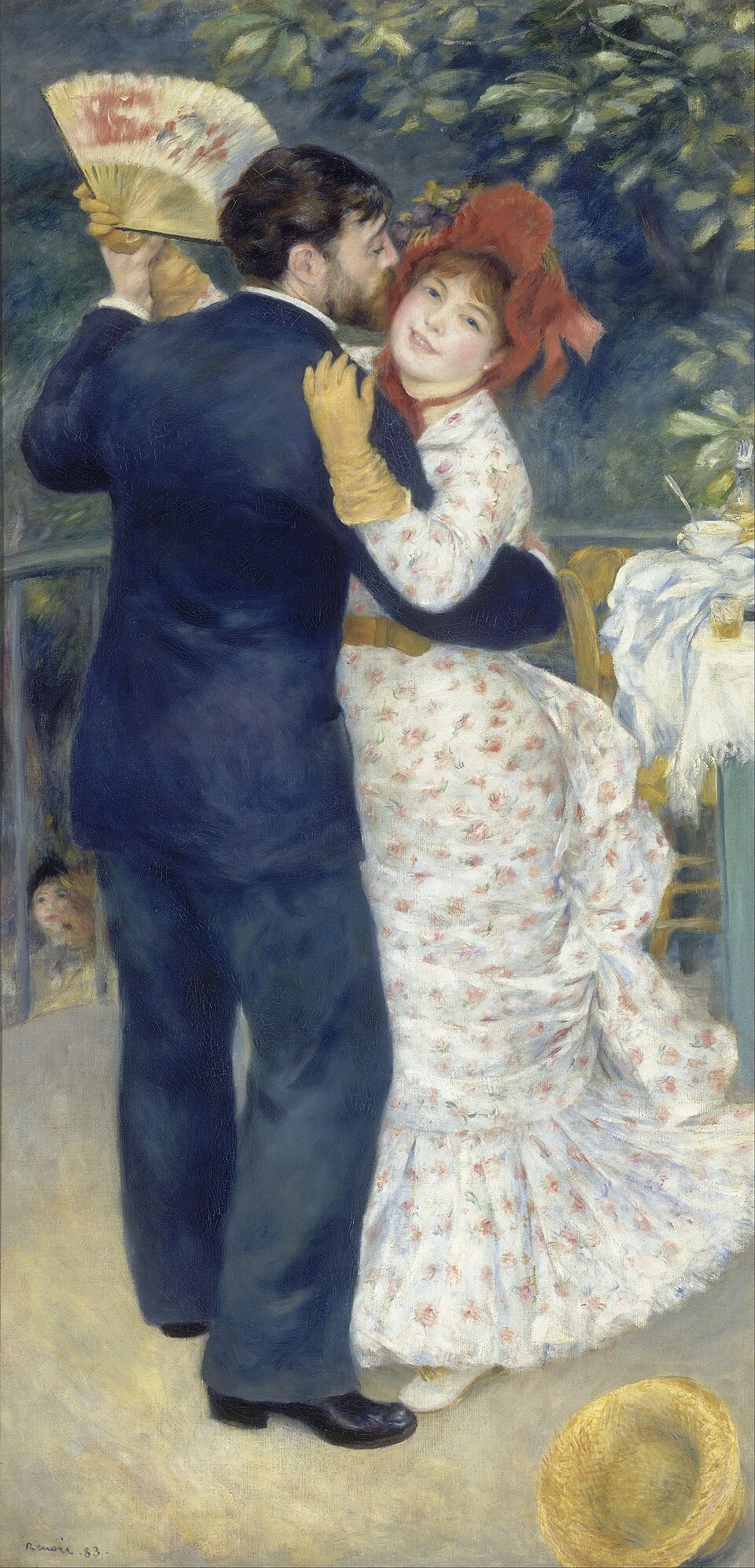
Dance in the Country
Pierre-Auguste Renoir
public_domain
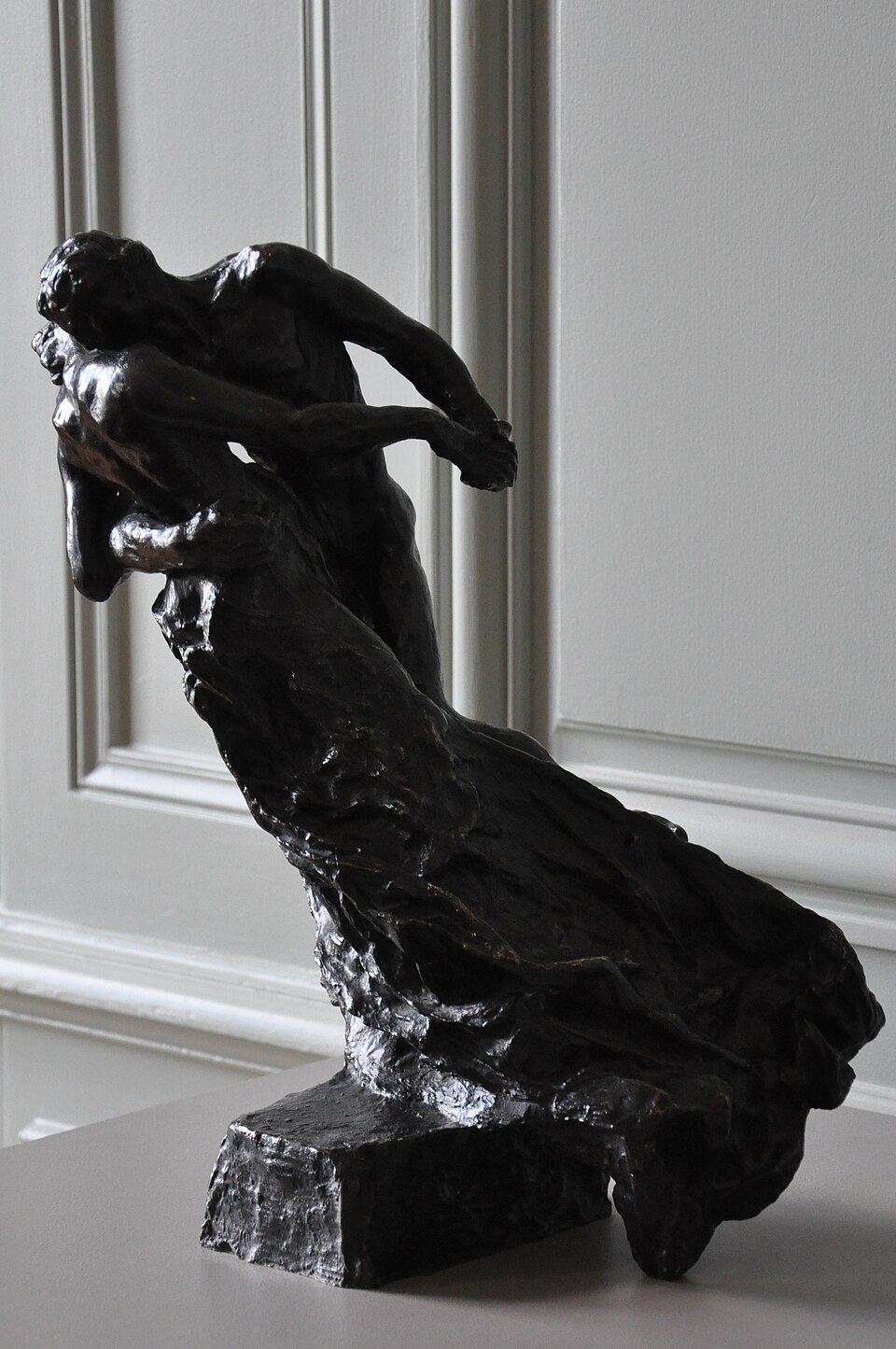
The Waltz
Camille Claudel
public_domain
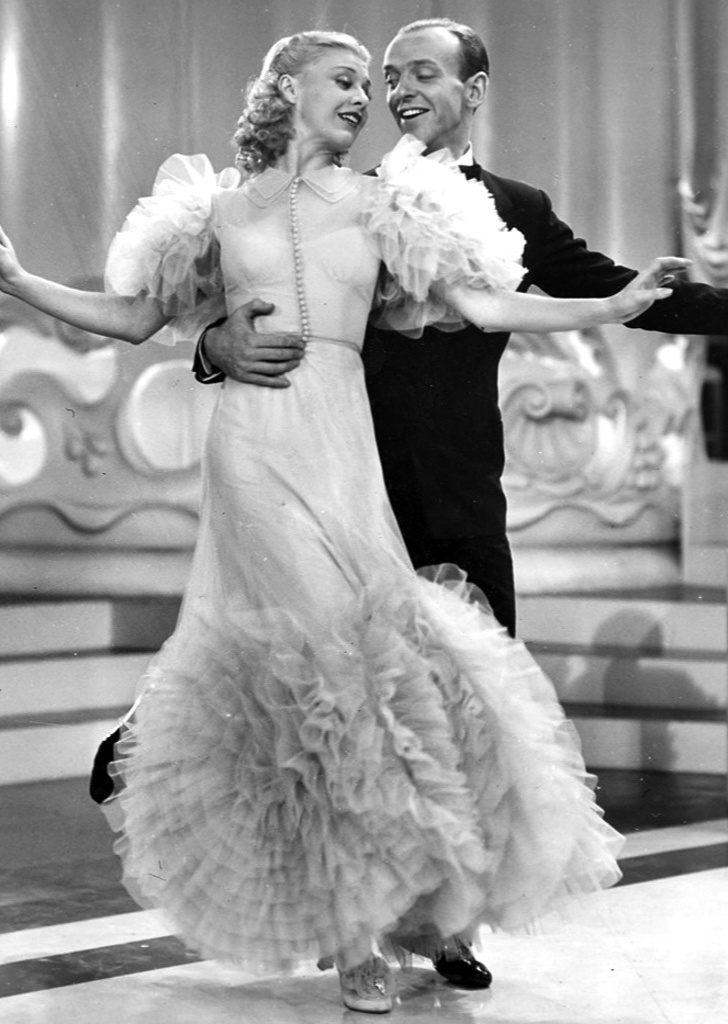
Fred Astaire and Ginger Rogers
Unknown artist
public_domain
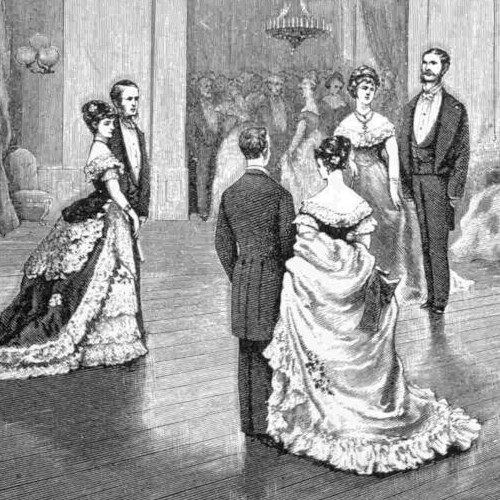
Antidance Literature | Western Social Dance: An Overview of the Collection | Articles and Essays | A
Unknown artist
public_domain
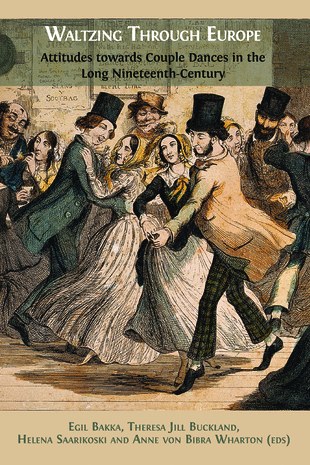
Waltzing through Europe : Attitudes towards couple dances in the long Nineteenth Century
Unknown artist · 2020
public_domain
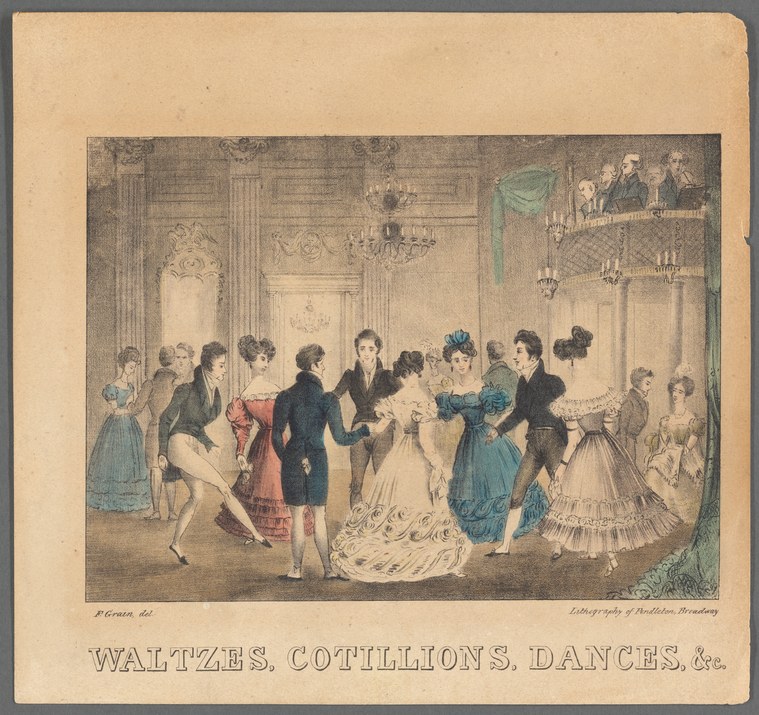
Waltzes, cotillions, dances, &c.
Unknown artist
public_domain
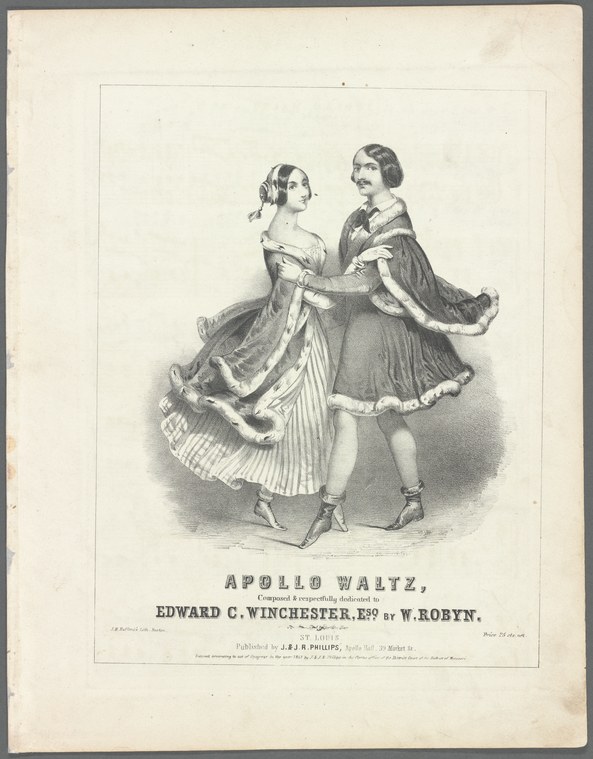
Apollo waltz
Unknown artist · 2019
public_domain
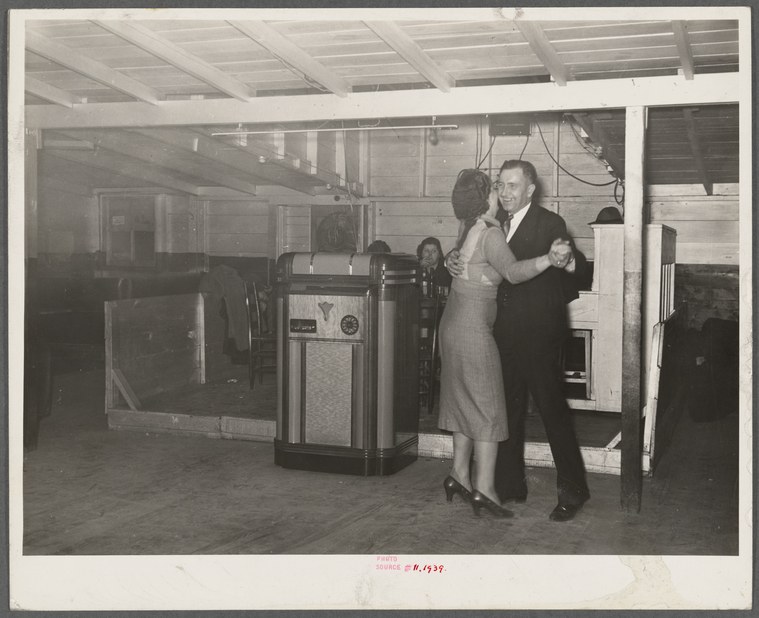
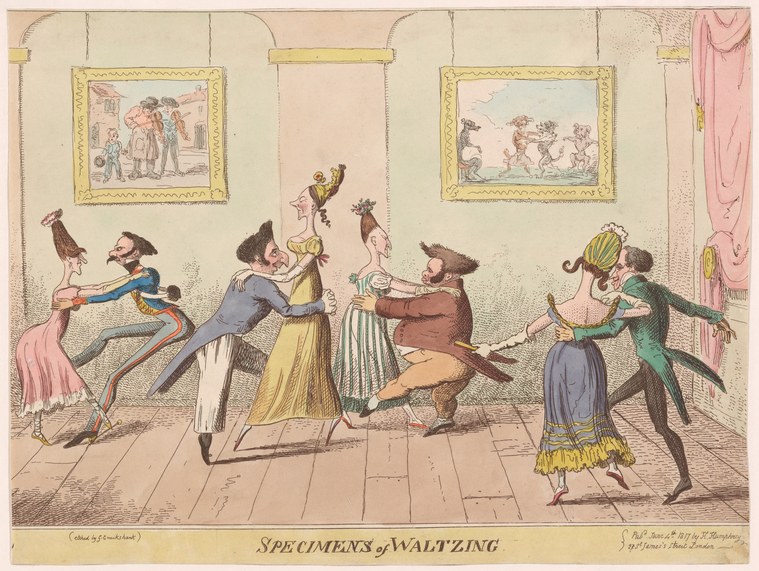
Specimens of waltzing
Unknown artist
public_domain
Continue Exploring
Lineage of Dance
500 years of dance evolution
Champions of Dance
Winners of marquee national & world titles
Language of Dance
161 dance terms & translations
Listening of Dance
Tempo, timing & musicality tools
Gallery of Dance
5,700+ artworks from museum collections
Attire of Dance
Evolution of dance dress across eras
Keep the thread going
Dance history, technique, and the occasional rabbit hole — in your inbox. Thoughtful, infrequent, unsubscribe anytime.
Free. No spam. One click to leave.