Tango Vals
Also known as: Vals Tango
- Origin
- Buenos Aires, Argentina
- Era
- 1900–1930
- Rhythm
- 3/4 time
- Tempo
- 120-180 BPM
- Character
- Flowing, musical, expressive, elegant
History & Cultural Context
Tango Vals emerged in Buenos Aires during the early 20th century as tango musicians and dancers adapted the waltz timing to Argentine tango character and expression. The result is a 3/4-timed dance with tango rhythmic interpretation and musical phrasing. Tango Vals remains part of traditional milonga music programming and social dancing. The dance showcases how Argentine tango traditions adapt and evolve while maintaining distinctive character.
Cultural Significance
Tango Vals integrates the European waltz's triple meter into Argentine tango. It remains part of milonga music programming and social dancing in Buenos Aires and in international tango communities.
Characteristic Movement & Technique
Tango Vals is danced in a tango embrace (close or open) using the same lead-and-follow connection as Argentine tango. The lead initiates traveling patterns and turns through the embrace and body movement; the follow responds with continuous weight changes that maintain flow across the 3/4 phrase. Because the dance keeps moving, both partners rely on clear connection and timing to coordinate rotation and changes of direction. Dancers generally need a working foundation in Argentine tango technique to dance vals.
Partnering Dynamics
Tango Vals partnerships maintain Tango's sophisticated frame work and intense connection while adapting to the three-beat rhythm. The leader guides the follower through traveling patterns using clear frame and body signals. The follower responds with precise timing and maintains the connection necessary to execute the dance's directional changes. Both partners exhibit Argentine Tango's passionate intensity while navigating the three-beat rhythm. Partnership quality is evident in the synchronization and the followers responsiveness to the leader's sophisticated frame work. The dance demands partners well-trained in Argentine Tango technique to execute authentically.
Competitive Context
Tango Vals is danced in Argentine-tango competition formats, where vals typically appears alongside tango and milonga in salon/pista (social-style) categories of major tango championships. It is distinct from the standardized Ballroom Tango contested in international DanceSport. Judging in these tango contexts emphasizes musicality, connection, floor navigation, and command of vals timing rather than a fixed figure syllabus.
Regional Variations
Tango Vals is primarily an Argentine tradition without significant regional variations in other parts of the world. Buenos Aires remains the cultural center for Tango Vals as it is for Argentine Tango generally. Contemporary Tango Vals evolves through Buenos Aires' milonga communities and competitive venues. International Tango dancers sometimes explore Tango Vals as an extension of their Argentine Tango training. Modern interpretations maintain respect for the form's cultural roots while incorporating contemporary musical choices.
Common Misconceptions
Many dancers mistakenly believe Tango Vals is simply 'Tango danced in 3/4 time' or that it is a lesser variation of Argentine Tango; Tango Vals is a distinct, sophisticated style representing an important tradition in Argentine Tango culture. Another misconception is that Tango Vals is easy for Tango dancers; the three-beat rhythm requires significant adaptation even for advanced Tango dancers. Some assume Tango Vals is primarily a performance or competitive dance; Tango Vals remains important in Argentine social dancing communities. Others believe the dance is rarely performed or irrelevant; contemporary Argentine Tango musicians and dancers keep the tradition vital.
Peak Popularity
Signature Figures
- Walk
- Balanceo
- Ochos
Notable Codifiers
- milonga traditions
Dance Lineage
Tango Vals Playlists
Curated collections on the LODance YouTube channel — performances to watch, lessons to learn from, and the right music to practice with. Tap a collection to play.
▶ Performances · Open on YouTube →
Tango Vals Music & Tempo
Drawn from 30 Tango Vals tracks in the LODance music library.
Who governs Tango Vals
Federations, councils and examining bodies with a recorded role in this style. No single organisation can tell you this — each one knows only itself.
Tango Vals on screen
Films and television where Tango Vals appears, with the sequences worth watching for.

Poster artwork from TMDB.
 This site uses TMDB and the TMDB APIs but is not endorsed, certified, or otherwise approved by TMDB.
What to Wear
Attire guidance for Tango Vals and other Argentine Tango dances. Each card below is sized to the moment — class, practice, social, or competition — because the wardrobe shifts as the stakes do.
Reading the cards
In Class
Elegant practice wear. Women: comfortable heels or flats, fitted pants or a practice skirt. Men: dress shoes, trousers, and a button-down. Tango culture values understated elegance even in class.
Social Dancing
The milonga has a dress code culture. Women: elegant dresses or separates, often with slit skirts for leg movement, quality tango shoes. Men: dress shirt, waistcoat optional, polished shoes. Dark, sophisticated colors dominate.
Competition
Women: glamorous but controlled — slit dresses, sometimes with sheer panels. Men: suits or sharp separates. Argentine tango stage competitions allow more theatrical costuming than social tango.
Shoes
Women: closed-toe or open-toe tango shoes with 3–4" heels, pivot points on the sole, snug fit. Men: leather-soled tango shoes. Brand names: Comme Il Faut, Madame Pivot, Neo Tango. Shoe quality matters enormously in tango.
In Practice
Tango practica is the dress rehearsal of the milonga — same shoes, slightly more relaxed clothing. Many practitioners keep one pair for class/practice and a second more glamorous pair for the milonga itself.
By Role
Leaders
Class: Button-down shirt and trousers, polished leather-soled shoes.
Competition: Suit or sharp separates. Stage tango allows more theatrical costuming than salon — but even then, restraint reads better than excess.
Followers
Class: Fitted pants or knee-length practice skirt, fitted top, tango shoes (no heels under 3" once at intermediate level — the geometry of tango assumes the heel).
Competition: Slit dresses for leg movement, sheer panels permitted. Salon tango stays understated and elegant; stage tango allows more drama.
Common Pitfalls
- ✗Salsa or ballroom Latin shoes — wrong sole flex, wrong toe box, no pivot point. Tango shoes are a separate category.
- ✗Bright club-Latin colors at a milonga — reads as someone who doesn't know the room.
- ✗Open-back heels without an ankle strap for fast milongas — the foot leaves the shoe.
Price Range
- Budget: Entry tango shoes (Tango Brujo, low-end Comme Il Faut) $130–200; thrifted dark separates.
- Mid: Comme Il Faut, Madame Pivot, Neo Tango $200–350; milonga-appropriate dresses and suits $150–500.
- Premium: Custom tango shoes $400–700; bespoke stage tango costumes $1,500–5,000+.
Key Terms
- Pivot point
- Reinforced point on the sole of a tango shoe directly under the ball of the foot — supports the pivots and ochos that define the dance.
- Milonga
- The social tango event. Has its own dress-code culture: elegant, understated, dark colors, real tango shoes.
Quick Tips
- •Suede-soled shoes allow controlled sliding and pivoting — essential for most partner dances.
- •Avoid rubber soles on dance floors; they grip too much and can cause knee injuries.
- •Bring a separate pair of clean shoes for the dance floor to keep it in good condition.
Recommended Gear for Tango Vals
Essential equipment and apparel selected for dancers learning Tango Vals.

Women's Ballroom, Latin, American Rhythm, Tango, Salsa Dress Top
Lets Dance Store
$100–$200

Women's Ballroom, Latin, American Rhythm, Tango, Salsa, Practice Demure Powermesh Top
Lets Dance Store
$100–$200

Argentine Tango Dance Shoes for Men Black Patent & Black Leather
Lets Dance Store
$100–$200

Women's Practice, Argentine Tango Red Nubuck & Red Knit Mesh Dance Shoes
Lets Dance Store
$100–$200


Style A-Line Lace and Mesh Tango Skirt - Dancewear
Blue Moon Ballroom Dance Supply
$50–$100
As an Amazon Associate, LODance earns from qualifying purchases. Affiliate disclosure
Sources & Further Reading
Where This Dance Is Documented
Traditional tango pedagogy; no universal syllabus
An editor's note on where the technique for this dance is actually written down — sometimes a named book, sometimes the fact that no such book exists. A judgement, not a count of what we hold.
Cultural & Historical Context
Tango Vals emerged from Buenos Aires, Argentina during the 1900s—1930s. Understanding the cultural roots, musical traditions, and social circumstances of this era enriches appreciation for the dance's characteristics and significance.
Formative Influences
Codifiers & Standardizers:
milonga traditions
Signature Movement Vocabulary:
Walk, Balanceo, Ochos
Primary Source Documents
The Library of Dance contains public-domain primary sources for dance history. Copyrighted modern syllabi are indexed with purchase links to their respective copyright owners. Search by dance name or codifier to discover primary source documents.
Last reviewed: October 2026 — This dance profile synthesizes historical research, cultural documentation, and contemporary practice knowledge to provide authoritative context.
Related Dances
More in Argentine Tango
Argentine Tango
Argentine Tango is the traditional, improvisational form of tango emphasizing the close embrace, varied rhythmic interpretations, and improvisational movement. It represents tango's street and salon origins.
Milonga
Milonga is a faster, rhythmic Argentine social dance that developed from tango traditions. It emphasizes quick rhythmic patterns and playful character while maintaining tango connection.
What did dancers wear?
Tango Vals belongs to the Early Twentieth Century (1900–1945) era. See how attire shaped the choreography — and the other way around.
Explore Early Twentieth Century attire →Argentine Tango in art
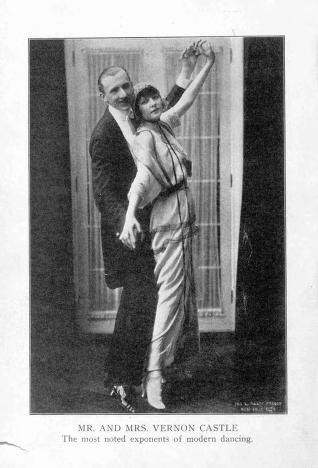
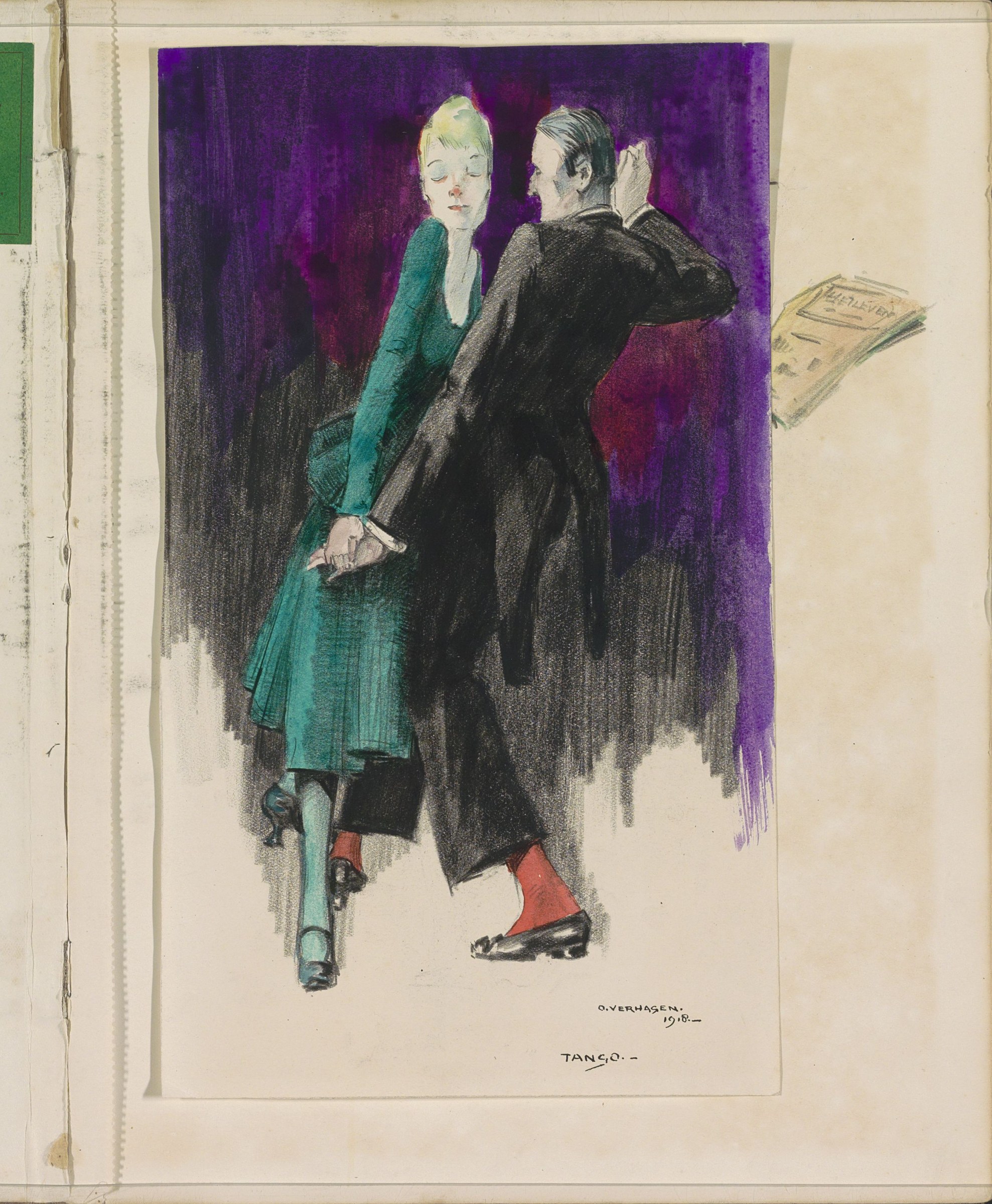
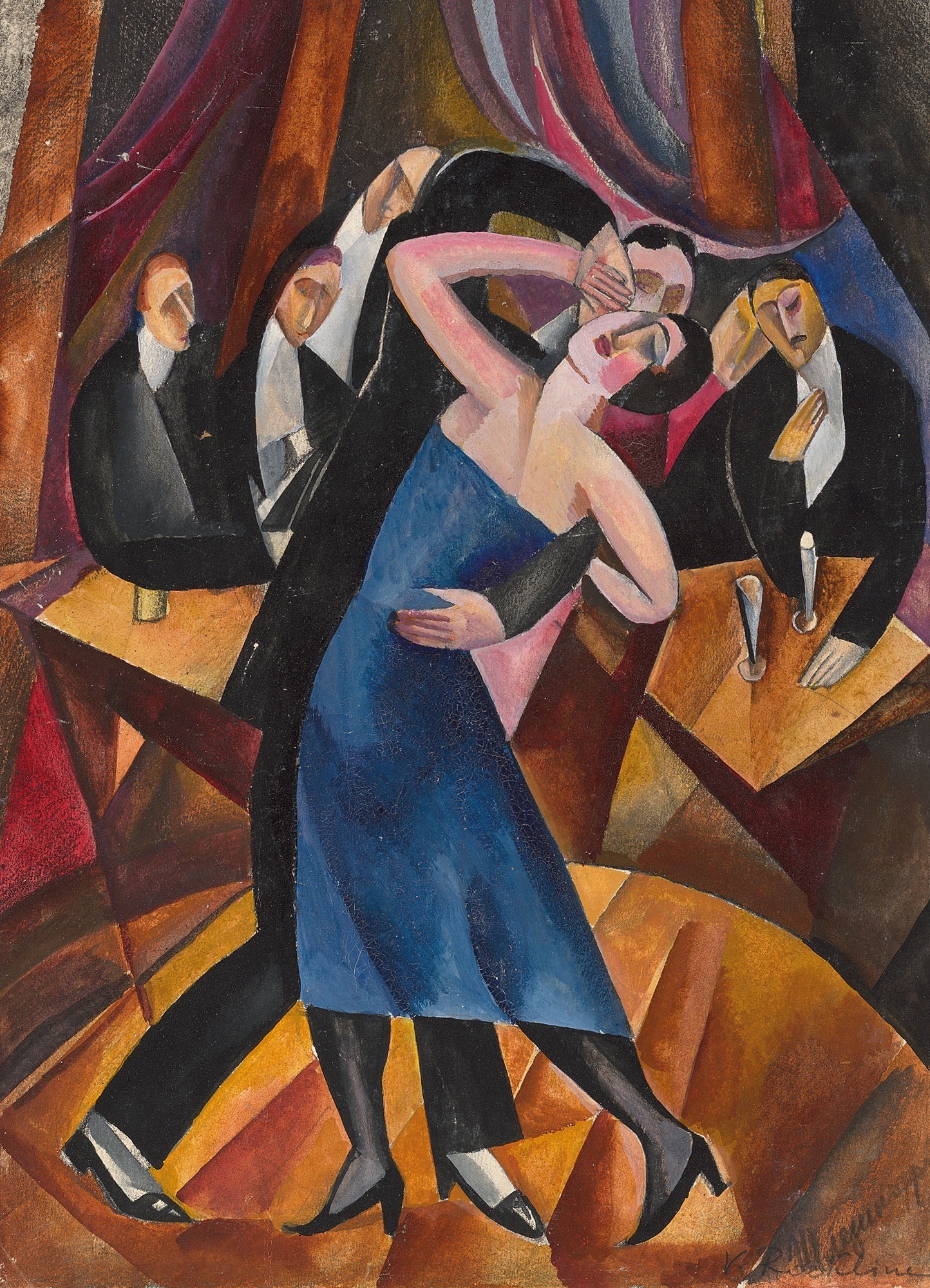
Browse the gallery →Works from the wider Argentine Tango tradition — we have not yet identified enough that depict Tango Vals specifically.
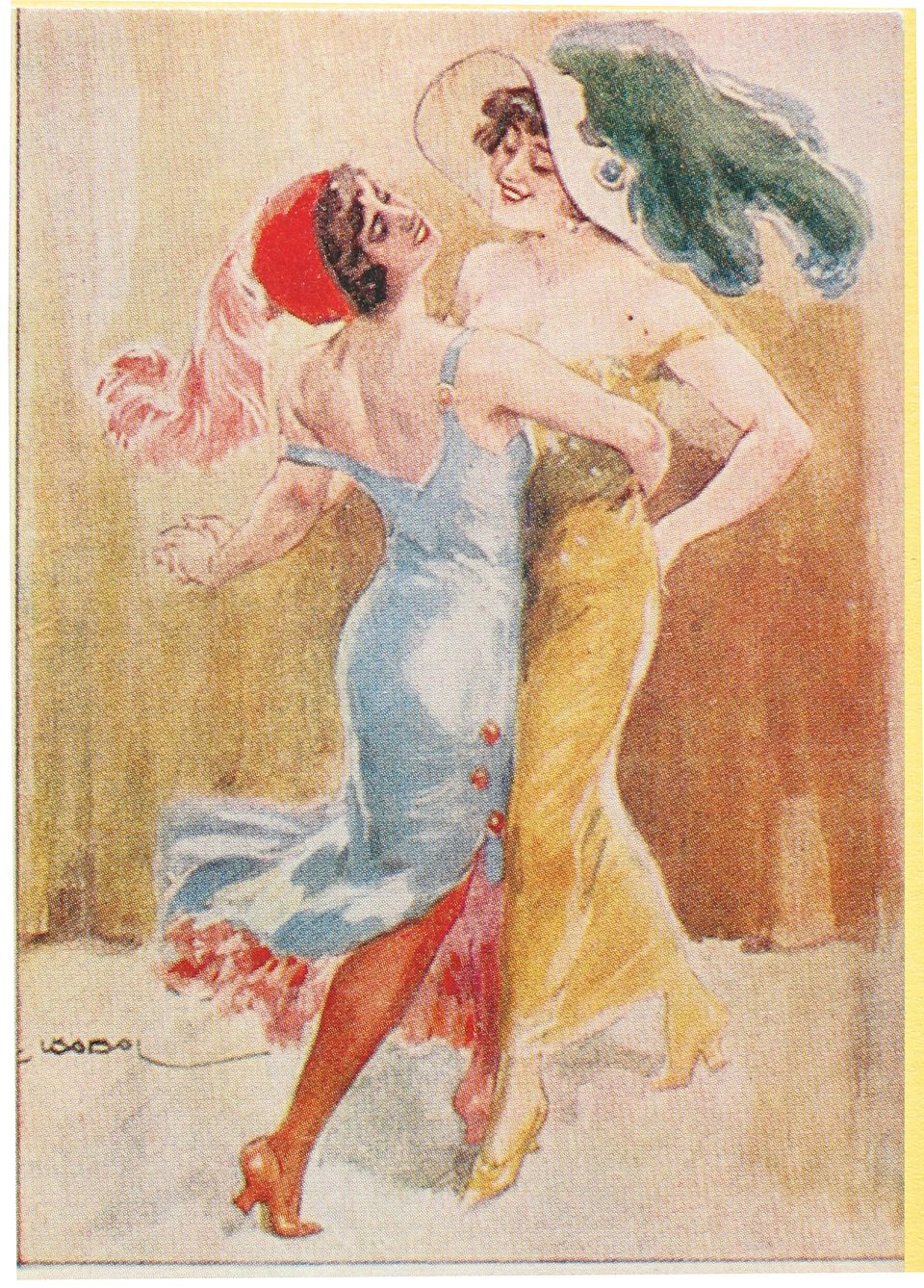
Tango at the Street Cafe
Unknown
public_domain
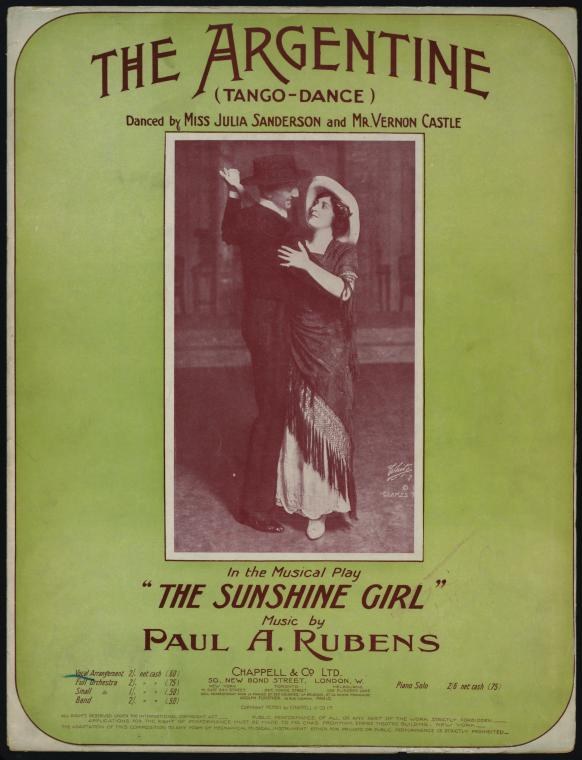
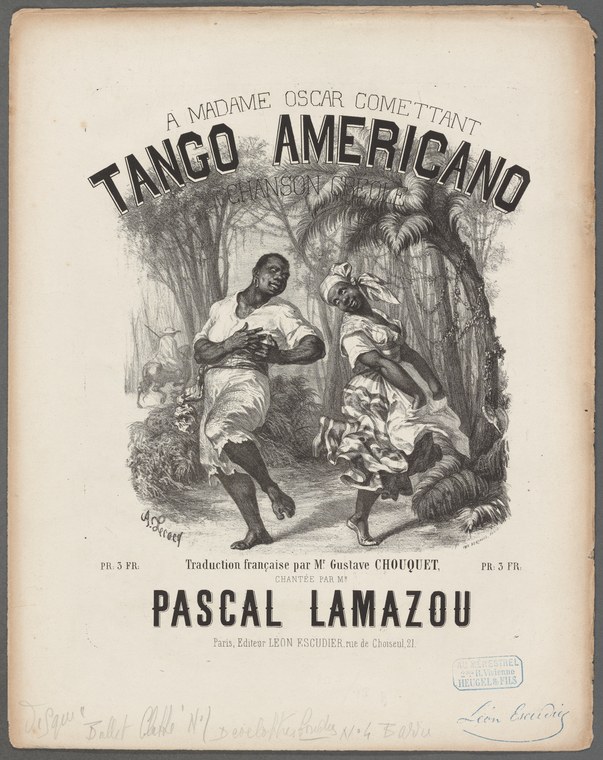
Tango americano
Unknown artist · 2019
public_domain
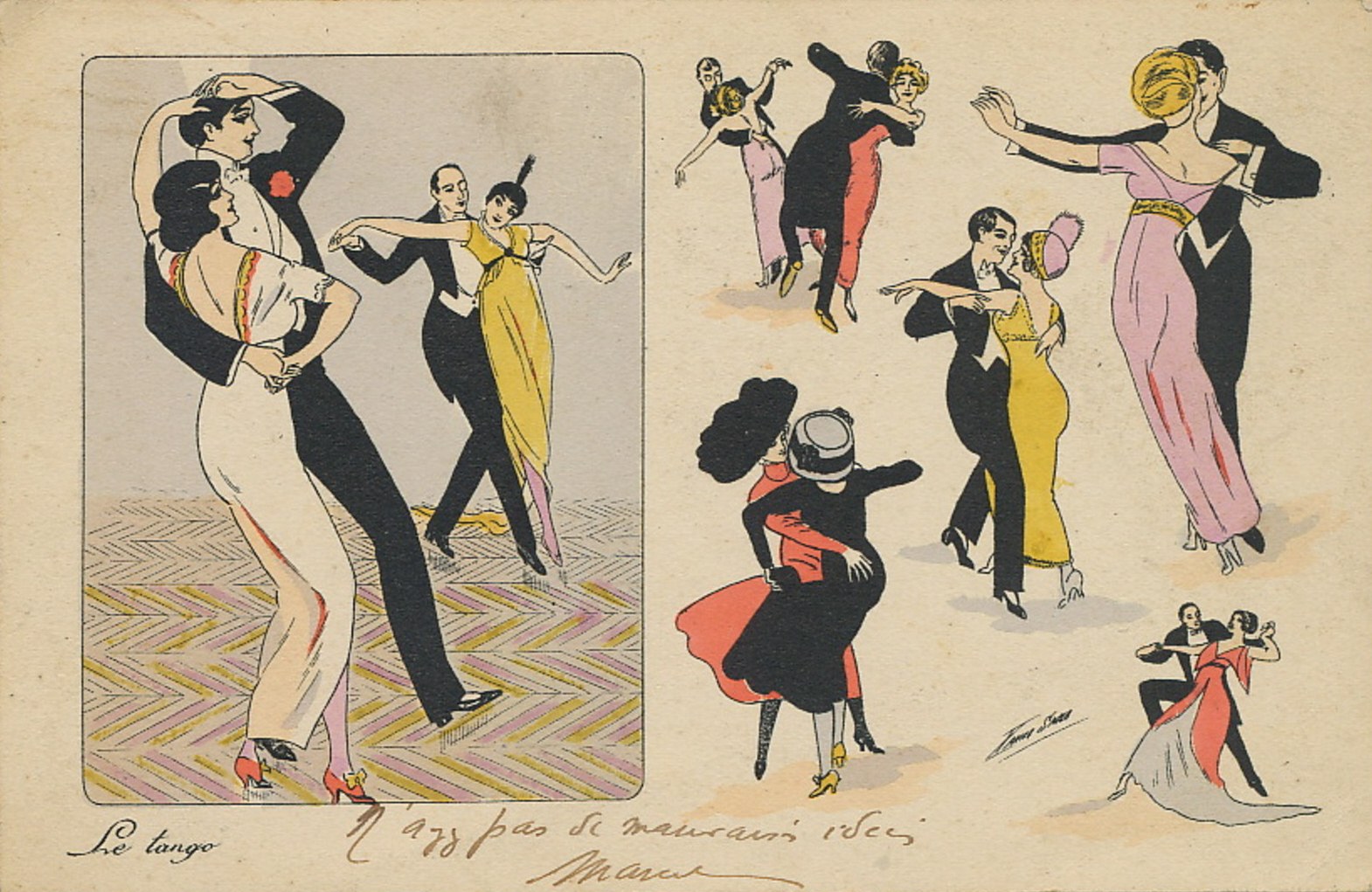
Xavier Sager Le Tango 4
Xavier Sager · 1930
Public Domain
Tango tee
Unknown artist · 1914
Public Domain
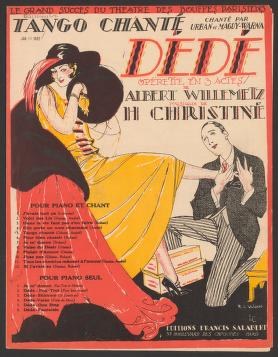
Tango chante
Unknown artist · 1921
Public Domain
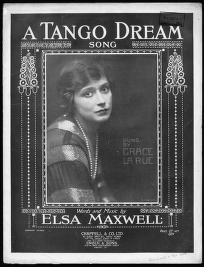
A tango dream
Unknown artist · 1913
Public Domain
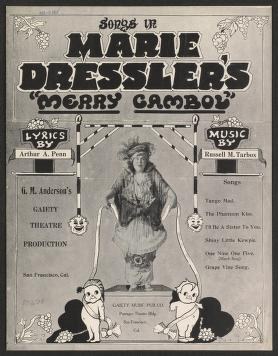
Tango mad
Unknown artist · 1914
Public Domain
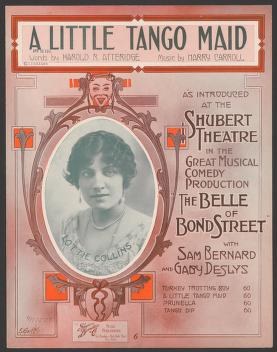
A Little tango maid
Unknown artist · 1914
Public Domain
Continue Exploring
Lineage of Dance
500 years of dance evolution
Champions of Dance
Winners of marquee national & world titles
Language of Dance
161 dance terms & translations
Listening of Dance
Tempo, timing & musicality tools
Gallery of Dance
5,700+ artworks from museum collections
Attire of Dance
Evolution of dance dress across eras
Keep the thread going
Dance history, technique, and the occasional rabbit hole — in your inbox. Thoughtful, infrequent, unsubscribe anytime.
Free. No spam. One click to leave.