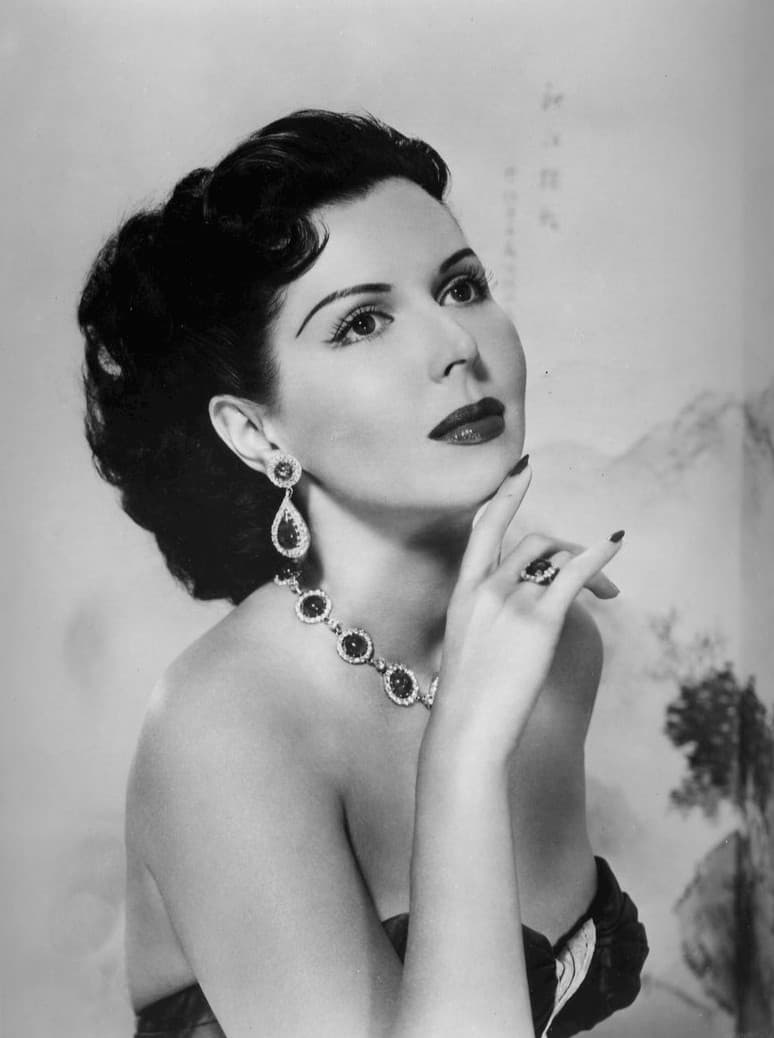
Ann Miller
Legend of Dance
Why They Matter
Miller matters because her career makes visible how tap technique was re-scaled for twentieth-century mass entertainment without losing its rhythmic identity. Her MGM numbers helped encode a glamorous, forceful screen image of the female tap soloist, while Sugar Babies demonstrated that the same per
Biography
Ann Miller, born Johnnie Lucille Collier in Chireno, Texas, on April 12, 1923, became one of the most distinctive tap dancers of Hollywood's golden age and beyond. Childhood rickets led her mother to enroll her in dance lessons, a therapeutic intervention that would shape her entire life. After her parents separated, Miller and her mother moved to California, where she performed in clubs while presenting herself as older than her actual age, eventually adopting the professional name Ann Miller.
Miller's screen career took flight in 1937 when an introduction through Lucille Ball and Benny Rubin led to her appearance in RKO's *Stage Door*. The following year she danced and acted in Frank Capra's *You Can't Take It with You*, establishing the pattern that would define her public image: crisp tap articulation delivered with the scale, speed, and facial projection demanded by film comedy and the studio musical. She made her Broadway debut in *George White's Scandals* in 1939.
After work at RKO and Columbia, Miller reached the height of her powers at MGM in the postwar years. She appeared in *Easter Parade* (1948), *On the Town* (1949), and *Kiss Me Kate* (1953), dancing opposite major performers, choreographers, and directors of the era. These films did not simply document nightclub tap; they framed her technique through camera placement, orchestration, costume, and ensemble staging, transforming rhythmic footwork into emphatic screen spectacle.
When large-scale film musicals declined in the 1960s, Miller moved fluidly between television, touring, and the stage. She took over the title role in Broadway's *Mame* in 1969. A decade later, she returned to Broadway opposite Mickey Rooney in *Sugar Babies*, a burlesque-inspired revue that opened in 1979 and earned her Tony and Drama Desk nominations in 1980, launching an extended touring life.
Miller continued to perform selectively in her later decades, including a 1998 production of *Follies* and an appearance in David Lynch's *Mulholland Drive* (2001). She died of lung cancer at Cedars-Sinai Medical Center in Los Angeles on January 22, 2004. Her career bridges two histories often treated separately: the industrially engineered dance image of classical Hollywood and the persistence of tap as a live theatrical practice across changing entertainment economies.
Career Highlights
Appeared in RKO's Stage Door, an early major screen credit. TCM
Performed in Frank Capra's You Can't Take It with You. TCM
Made her Broadway debut as a performer in George White's Scandals. IBDB
Featured in MGM's Easter Parade. CBS/AP
Appeared in MGM's On the Town. CBS/AP
Played Lois Lane/Bianca in the MGM musical Kiss Me Kate. TCM
Took over the title role in Broadway's Mame from May through December. IBDB
Opened on Broadway in Sugar Babies, starring with Mickey Rooney. IBDB
Received Tony and Drama Desk nominations for Sugar Babies. IBDB
Made her final film appearance in Mulholland Drive. TCM
Gallery
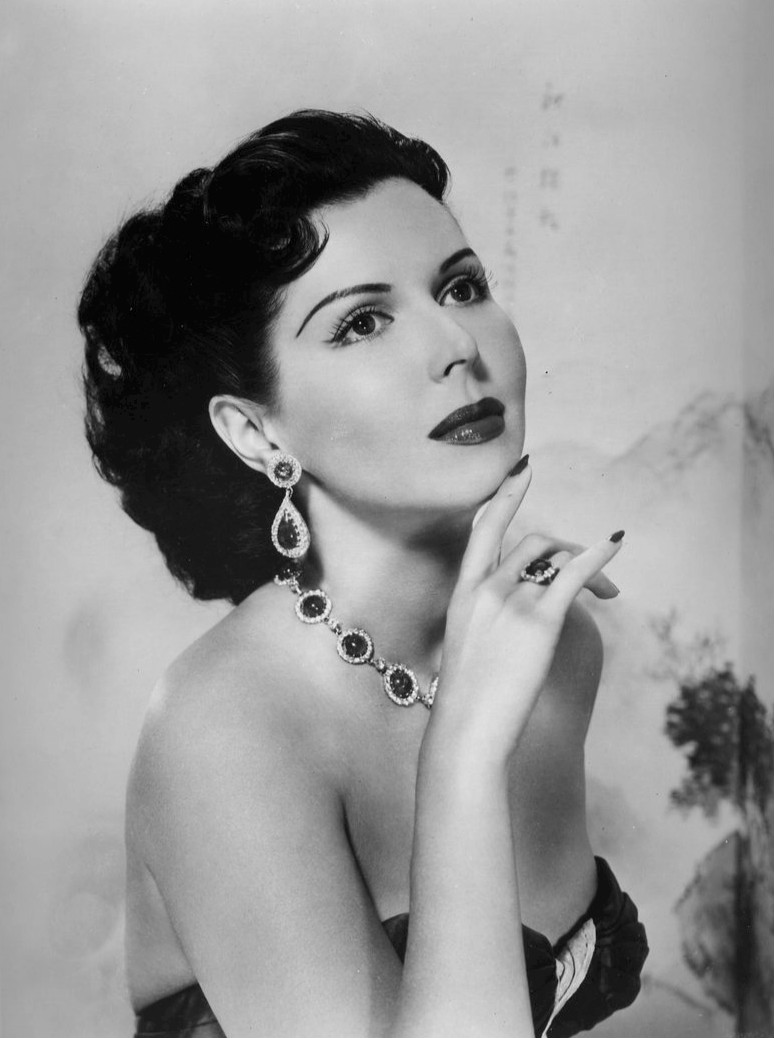
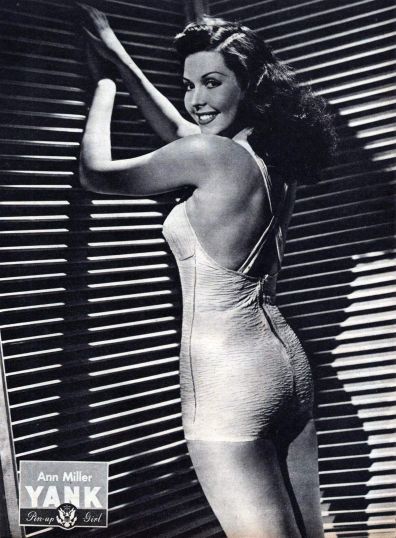
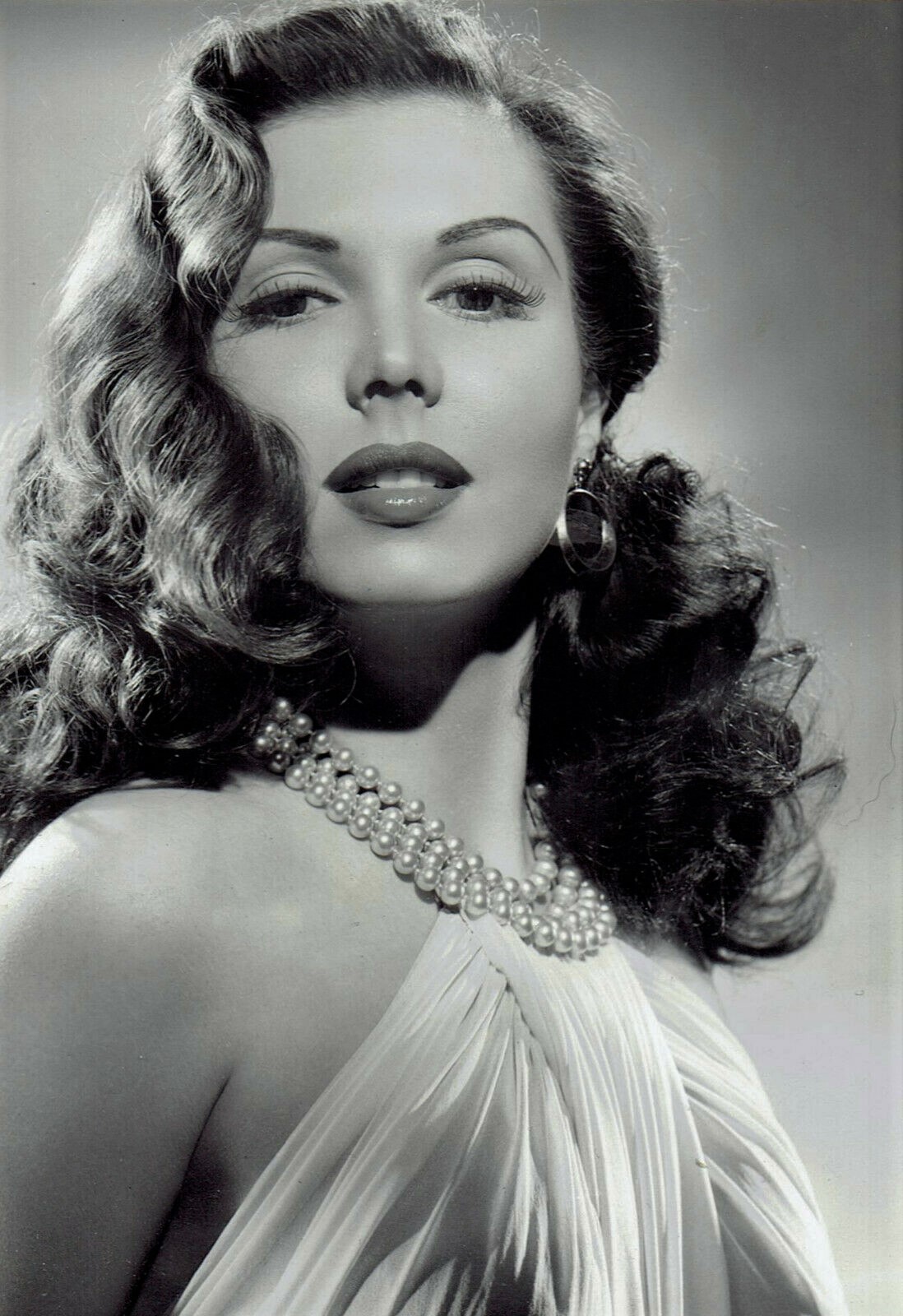
Legacy & Impact
Miller remains essential to tap history because her career demonstrates how tap technique was rescaled for twentieth-century mass entertainment without losing its rhythmic identity. Her MGM numbers helped establish the visual grammar of the female tap soloist as a glamorous, forceful screen presence, while *Sugar Babies* proved that the same performer could still command live audiences decades later. Her longevity across studio musicals, Broadway revue, touring theater, and film offers dancers a model of career adaptation and persistence across shifting entertainment industries.

Explore More Legends
Discover the dancers, teachers, choreographers, and cultural icons who shaped how the world moves.
Keep the thread going
Dance history, technique, and the occasional rabbit hole — in your inbox. Thoughtful, infrequent, unsubscribe anytime.
Free. No spam. One click to leave.