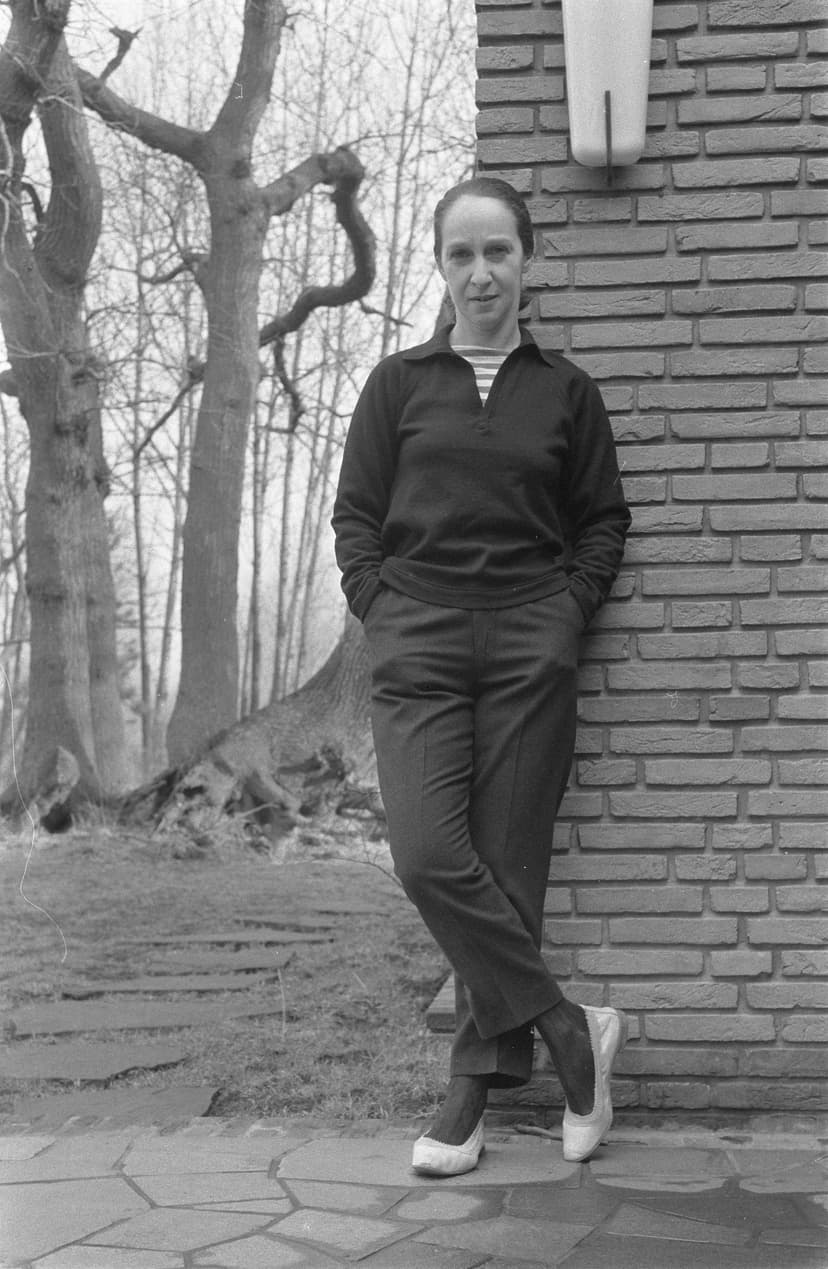
Anna Sokolow
Legend of Dance
Why They Matter
Sokolow matters because she refused the split between formal craft and moral attention. Her dances demonstrate that modernist abstraction, theatrical characterization, and political witness can coexist without reducing choreography to a slogan. Her cross-border practice also helped shape modern-danc
Styles Anna Sokolow shaped
Each one links to the style’s own page — its origins, music, tempo and video.
Watch
Anna Sokolow & the Reimagined Roots of Anti-fascist Dance
Library of Congress
Official Library of Congress program connects archival research, original scores, and reconstructed performance.
ANNA SOKOLOW Rooms: Desire (Excerpt from Rooms2020)
Sokolow Theatre/Dance Ensemble
A lineage organization presents a focused excerpt from Sokolow's signature 1955 work.
Restaging Sokolow's Rooms with Dance Archives
The Ohio State University Libraries
Institutional documentation shows how Rooms is researched and restaged rather than treating a revival as transparent access to 1955.
Biography
Anna Sokolow was born in Hartford, Connecticut, in 1910 and grew up in a Russian-Jewish immigrant family on New York's Lower East Side. As a teenager she entered the Neighborhood Playhouse, where dance training brought her into the orbit of Martha Graham and the influential music teacher Louis Horst. That environment joined technical discipline to an idea that choreography could speak urgently about contemporary life.
In 1930 Sokolow joined Graham's company and remained associated with it through 1937. At the same time she developed an independent political voice within New York's radical-dance movement. She performed with the Dance Unit and made compressed, dramatic works concerned with labor, fascism, war, and human suffering. The Library of Congress documents her performance of *Homage to Lenin* in 1933 and her 1934 visit to the Soviet Union with composer Alex North.
Sokolow organized her own ensemble in 1934. Her work soon expanded beyond the American concert stage: an invitation to Mexico in 1939 began a sustained relationship with Mexican dancers and artists, including the company La Paloma Azul. Rather than exporting a fixed school, she encouraged performers to draw on their own culture and circumstances, an approach that helped modern dance develop locally.
Her mid-century repertory brought private psychological pressure into stark theatrical form. *Lyric Suite* (1953) used modernist music and sculptural ensemble design; *Rooms* (1955) placed isolated people in an urban rooming-house world, making loneliness visible through repeated gestures, chairs, and sharply bounded space. She also taught at the Juilliard School and worked in Broadway theatre, widening the reach of her choreographic intelligence beyond a single company.
Jewish history and the catastrophe of the Holocaust became central to later works. *Dreams* (1961) approached persecution and terror through an expressionistic sequence of human images. Sokolow also helped establish the Lyric Theatre in Israel in 1962 and later worked with Batsheva Dance Company, continuing the international exchange that marked her career.
Sokolow kept choreographing, coaching, and teaching into the 1990s, including *Frida* (1997), a late return to her long artistic relationship with Mexico. She died in New York City on March 29, 2000. Her repertory survives through archival collections, notation, reconstruction, and the Sokolow Theatre/Dance Ensemble, whose performances continue to test these historically rooted works against present-day audiences.
Career Highlights
Joined Martha Graham's company, beginning a performing association that lasted through 1937. University of Washington University of Washington
Created and performed politically engaged work with the Dance Unit; a Library of Congress program documents Homage to Lenin. Library of Congress Library of Congress
Formed her own company and traveled to the Soviet Union with composer Alex North. University of Washington; Library of Congress University of Washington
Made her Broadway choreographic debut, opening a sustained connection with theatrical production. Jewish Women's Archive Jewish Women's Archive
Began her consequential work in Mexico, later associated with La Paloma Azul. University of Washington University of Washington
Created Lyric Suite, a major work in her concert repertory. University of Washington University of Washington
Premiered Rooms, her influential study of urban isolation. University of Washington University of Washington
Created Dreams, an expressionistic confrontation with Holocaust terror and persecution. Jewish Women's Archive Jewish Women's Archive
Helped establish the Lyric Theatre in Israel. University of Washington University of Washington
Created Ballade, a work that the University of Washington identifies among her notable repertory. University of Washington University of Washington
Created Frida, reflecting her decades-long artistic relationship with Mexico. ConnecticutHistory.org ConnecticutHistory.org
Died in New York City on March 29. EBSCO Research Starters EBSCO Research Starters
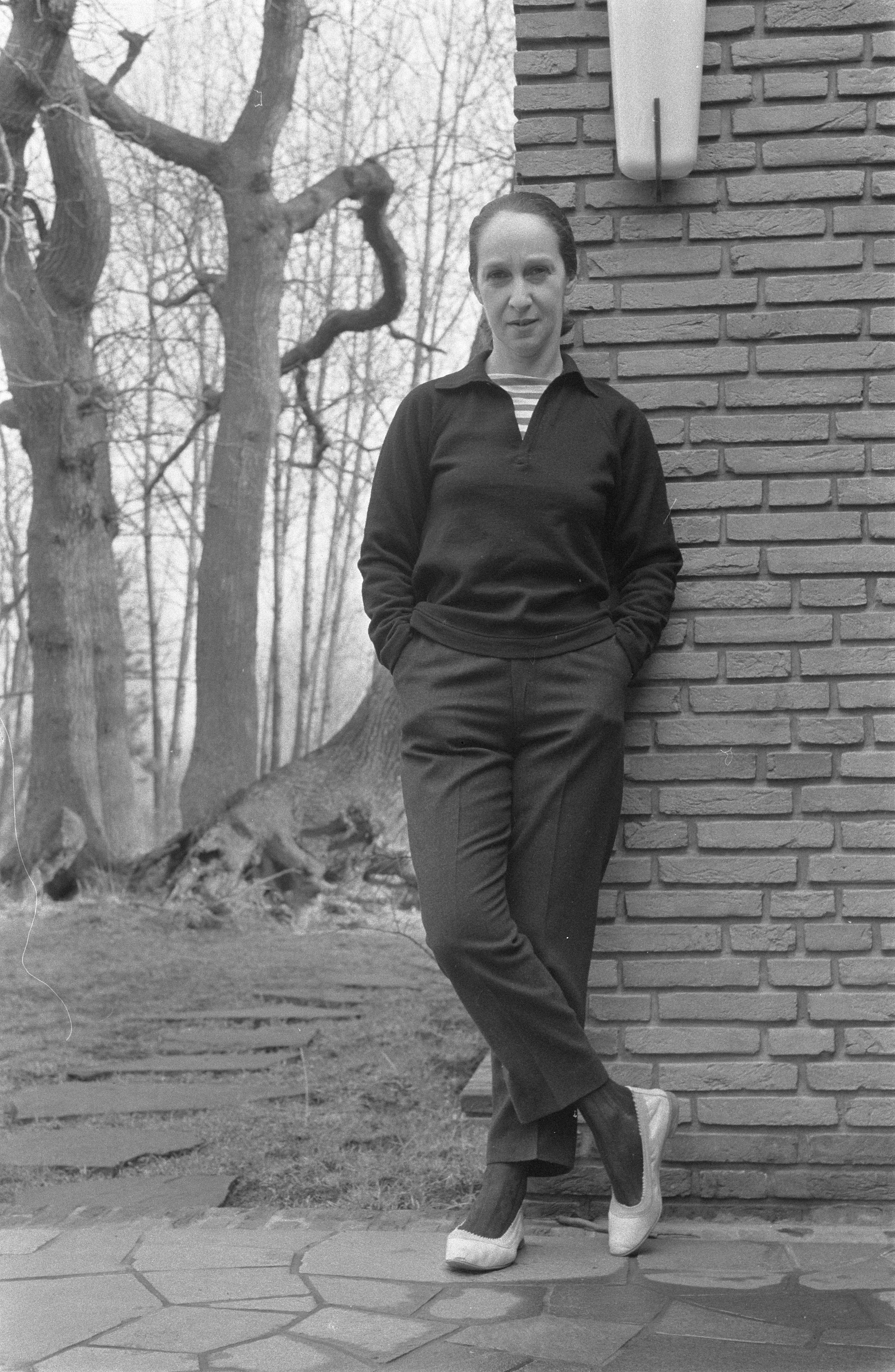
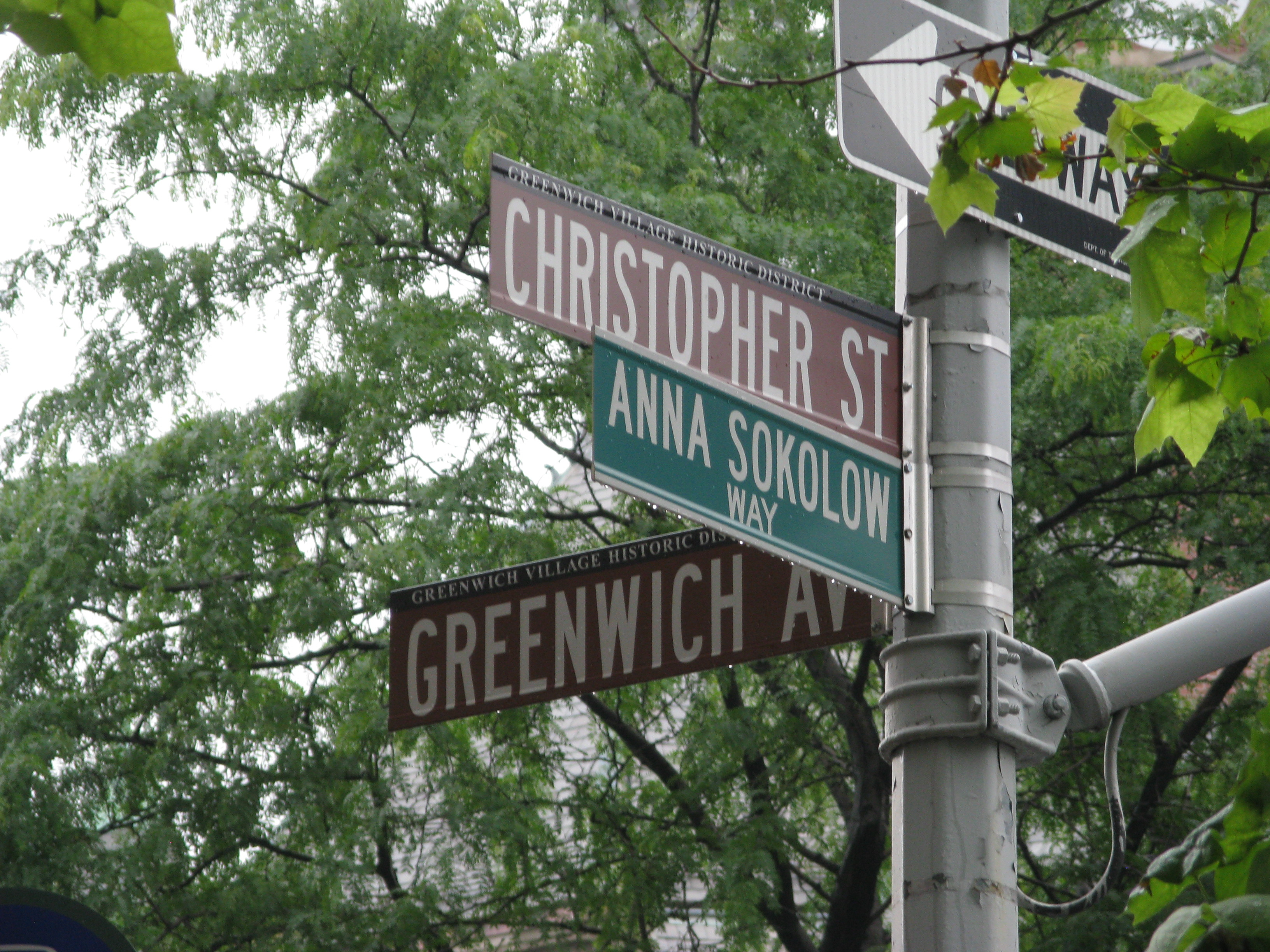
Legacy & Impact
Sokolow matters because she refused the split between formal craft and moral attention. Her dances demonstrate that modernist abstraction, theatrical characterization, and social witness can coexist without reducing choreography to ideology. Her cross-border practice shaped modern-dance institutions and artists in Mexico and Israel, while her teaching and reconstructed repertory gave later generations direct access to a movement language built from urgency, weight, isolation, and collective pressure.

Explore More Legends
Discover the dancers, teachers, choreographers, and cultural icons who shaped how the world moves.
Keep the thread going
Dance history, technique, and the occasional rabbit hole — in your inbox. Thoughtful, infrequent, unsubscribe anytime.
Free. No spam. One click to leave.