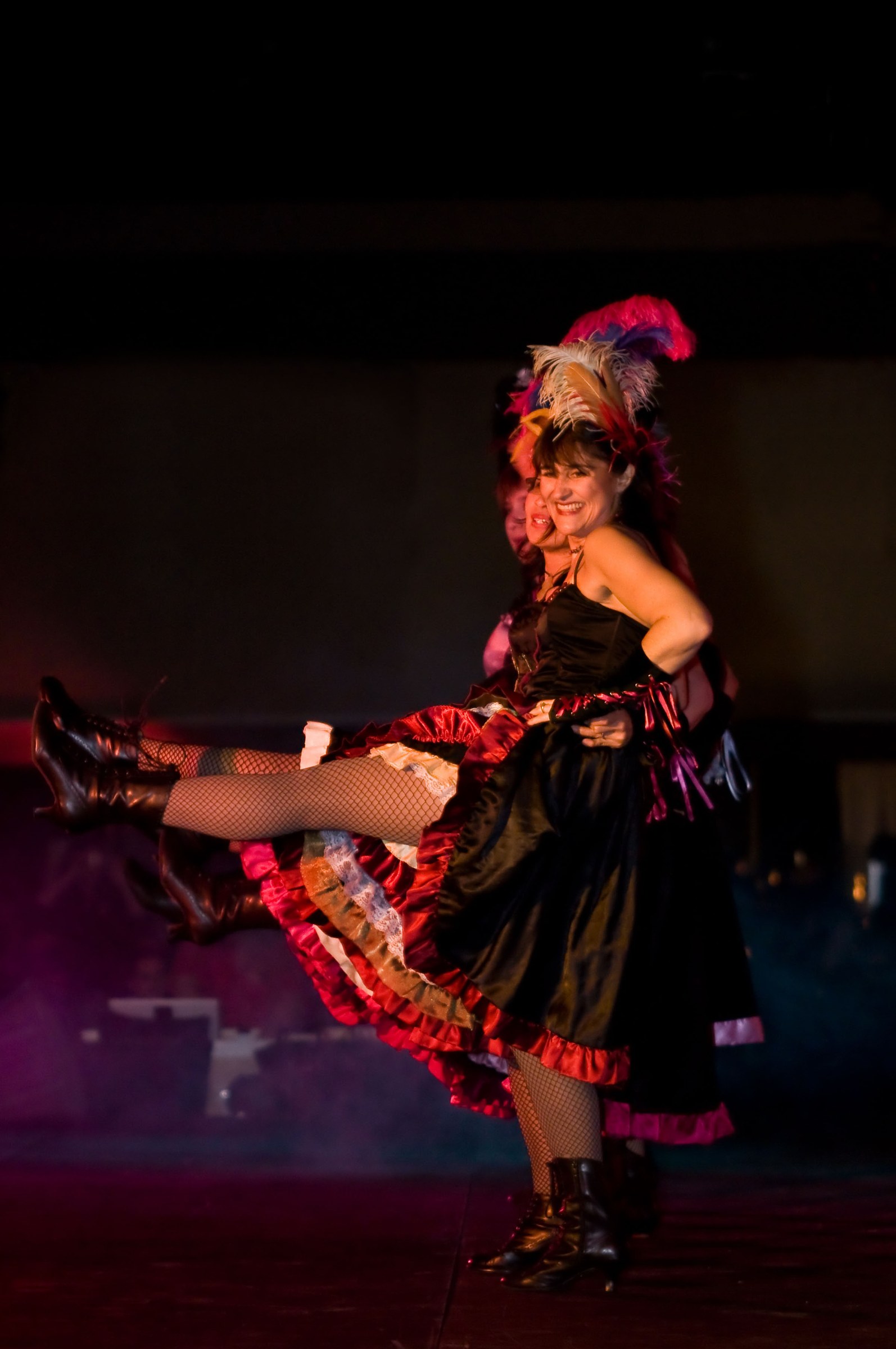
Jazz Dance
A family of American performance dance rooted in African American vernacular movement and jazz music—its 'trunk' the Charleston and Lindy Hop—branching into theatrical (Broadway) jazz, lyrical jazz, jazz funk, the Afro-Caribbean Dunham technique, and much commercial and street-influenced dance.
7 dance styles in this genre
Historical Origins
Jazz dance arose in the United States in the early 20th century as the movement counterpart to jazz music, expanding on African American vernacular dance. Dance scholars often picture the form as a tree: the trunk is vernacular social dance shaped by African and European influences and exemplified by the Charleston (1920s) and the Lindy Hop (1930s); the branches include theatrical jazz, tap, Broadway, funk, club and street styles, and Afro-Caribbean fusions. From the 1940s the term increasingly described the staged choreography of Hollywood and Broadway. Jack Cole, often called the father of theatrical jazz dance, fused American vernacular jazz with East Indian and Caribbean movement and influenced Matt Mattox, Gwen Verdon, Bob Fosse, and Jerome Robbins. Katherine Dunham—anthropologist, choreographer, and pioneer of Black concert dance—developed the Dunham technique, drawing on Caribbean and African dance to bring torso isolations and polyrhythm into the codified jazz vocabulary. Later branches—lyrical jazz, jazz funk, and contemporary commercial jazz—emerged as jazz dance absorbed ballet, contemporary, and street styles in the late 20th century.
Cultural Significance
Jazz dance is one of the central American contributions to world dance, carrying African American vernacular movement—isolations, syncopation, grounded weight, improvisation—from social settings onto the concert, musical-theater, film, and commercial stage. Its history is also a history of appropriation and credit: vernacular forms created in Black communities were widely commercialized, and recovering that lineage (the Whitman Sisters, Frankie Manning, Norma Miller, Katherine Dunham, and others) is an active project of dance scholarship. There is no single governing body; jazz dance is transmitted through studios, musical theater, choreographers' companies, and the competition circuit, which has strongly shaped the contemporary commercial style.
Musical Characteristics
Classic jazz dance is set to jazz and swing music in 4/4 with strong syncopation and a sense of swing, but the modern branches follow their music: lyrical jazz uses slower, melodic pop and ballads; jazz funk uses contemporary hip-hop, R&B, and pop; vernacular jazz tracks early jazz and big-band repertoire. The common thread is musical responsiveness—accenting offbeats, riding the swing, and matching movement quality to the feel of the song rather than to a single prescribed tempo.
Core Movement Principles
Jazz dance is built on body isolations (moving head, shoulders, ribcage, and hips independently), syncopation and rhythmic accent, a grounded use of weight, and a blend of sharp attack with fluid transitions. The vocabulary includes signature steps and shapes—jazz square, pivot turns, kicks, layouts, jazz hands, contractions borrowed from modern dance—typically performed with ballet-derived placement and turnout as a technical base. Styling differs by branch: Dunham technique foregrounds polyrhythmic torso isolations; theatrical jazz prizes presentation, attack, and line; lyrical jazz emphasizes continuous, emotionally driven movement; jazz funk leans into street-style groove and texture.
Modern Usage
Jazz dance is a staple of dance studios, musical theater, music videos, televised competition, and commercial choreography worldwide. Most recreational and pre-professional dancers study some form of jazz alongside ballet and contemporary, and the competition circuit has made lyrical and jazz-funk styles especially prominent. The vernacular and Dunham roots remain alive through specialist teachers and the swing-dance revival, even as the commercial mainstream continues to evolve.
Dance Styles
Vernacular Jazz
Also known as: Authentic jazz, Jazz roots
The African American social-dance 'trunk' of jazz dance—ragtime steps, the Charleston, and the Lindy Hop—from which the theatrical branches grew.
Broadway / Theatrical Jazz
Also known as: Theatre jazz, Show jazz
The presentational, musical-theater branch of jazz dance shaped by choreographers such as Jack Cole, Jerome Robbins, and Bob Fosse.
Lyrical Jazz
Also known as: Lyrical
A late-20th-century fusion branch combining jazz technique with the continuity and emotional expression of ballet and contemporary dance, danced to lyrics-driven music.
Jazz Funk
Also known as: Commercial jazz
A commercial, street-influenced branch of jazz dance set to hip-hop, R&B, and pop, prominent in music videos and concert choreography.
Dunham Technique
Also known as: Katherine Dunham technique, Afro-Caribbean jazz
Katherine Dunham's codified technique drawing on Caribbean and African dance, foregrounding torso isolations, polyrhythm, and a wider rhythmic range than other Western dance of its time.
Latin Jazz
Also known as: Afro-Cuban jazz dance, Latin jazz dance, Afro-Caribbean jazz, mambo jazz
The branch of American theatrical jazz dance whose rhythmic and movement basis is Afro-Cuban and Afro-Caribbean rather than Anglo-American swing. It took shape as Cuban musicians and dancers, and researchers who had worked in the Caribbean, brought clave-based rhythm and a mobile pelvis and torso into jazz dance from the 1940s onward. It matters because it is one of the few places in commercial jazz training where the African diasporic source is still explicit in the movement itself.
Vaudeville Jazz
Also known as: vaudeville dance, variety stage dance, vaudeville tap and specialty dance, early American theatrical jazz dance
The dance of the American variety stage from roughly the 1880s to the 1930s, where tap, eccentric dance, acrobatic and flash acts, and much of the vocabulary later called jazz dance were invented, tested nightly and professionalised. It was a working system as much as an art form: acts refined material across thousands of performances under booking agents who controlled where and for how much a dancer could work. Most of the vocabulary that survives in tap and musical theatre today was created by Black performers inside a segregated industry that paid them least and credited them last.
Legends of Jazz Dance
Dancers, choreographers and teachers whose work shaped the styles in this genre.
7 more jazz dance figures have pages — browse all legends.
Jazz Dance on screen
Films and television where jazz dance appears, with the sequences worth watching for.
 Flashdance (1983)6 sequences indexedLoft rehearsal — ‘Maniac’ · chor. Jeffrey HornadayTina Tech’s ‘Manhunt’ number · chor. Jeffrey HornadayMawby’s mime number — ‘Imagination’ · chor. Jeffrey Hornaday
 Carnival of Rhythm (1941)4 sequences indexedCiudad Maravillosa · chor. Katherine DunhamLos Indios · chor. Katherine DunhamBatucada · chor. Katherine Dunham
 Chicago (2002)4 sequences indexedWhen You're Good to Mama · 00:17:38 · chor. Rob Marshall; John DeLuca (choreographic supervisor)Razzle Dazzle · 01:19:25 · chor. Rob Marshall; John DeLuca (choreographic supervisor)Nowadays solo audition · 01:37:18 · chor. Rob Marshall; John DeLuca (choreographic supervisor)
 Feel the Beat (2020)3 sequences indexedCounty competition routine · chor. Mia MichaelsWaupaca tween-angst number · chor. Mia MichaelsSarah practices alone · chor. Mia Michaels
 Center Stage (2000)2 sequences indexedCooper’s ballet: “Canned Heat” red-shoe finale · chor. Susan StromanJazz class · chor. Susan Stroman
 Bunheads (2012–2013)1 sequence indexedMichelle's Joffrey audition simulation · chor. Marguerite Derricks
 Dance Moms (2011–2019)1 sequence indexedRepresentative anchor — Cry solo
 Hit the Floor (2013–2018)1 sequence indexedRepresentative anchor — arena halftime routine · chor. Michael Rooney (series choreographer)
 Swing Kids (1993)1 sequence indexedArvid's ‘Flat Foot Floogee’ solo · 00:39:38 · chor. Otis Sallid
 Uprooted: The Journey of Jazz Dance (2020)1 sequence indexedKatherine Dunham profile and archival work · 00:31:11 · chor. Katherine Dunham
Poster artwork from TMDB.
 This site uses TMDB and the TMDB APIs but is not endorsed, certified, or otherwise approved by TMDB.
Jazz Dance FAQs
Jazz Dance in art
Browse the gallery →Works our catalogue identifies as depicting jazz dance.
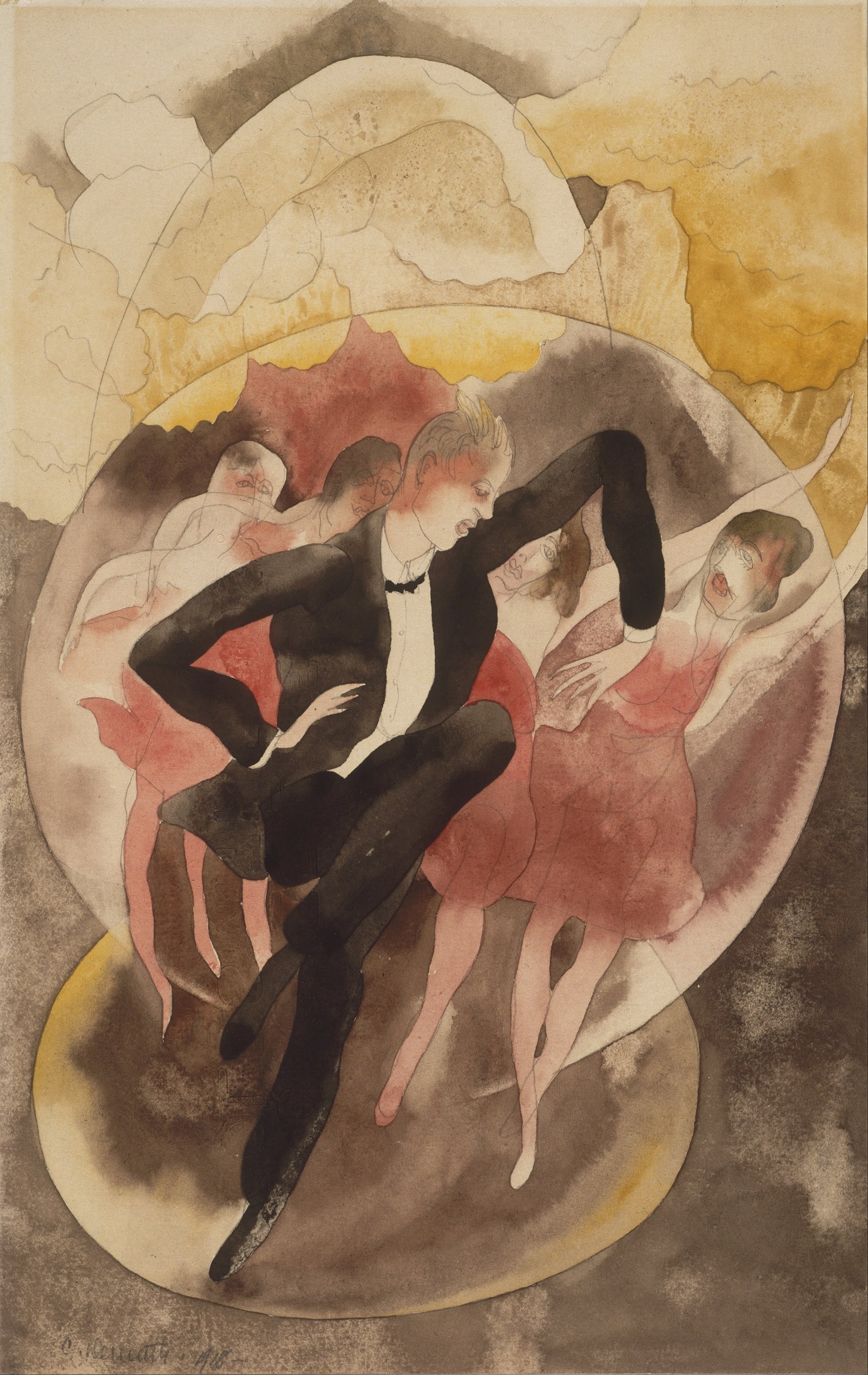
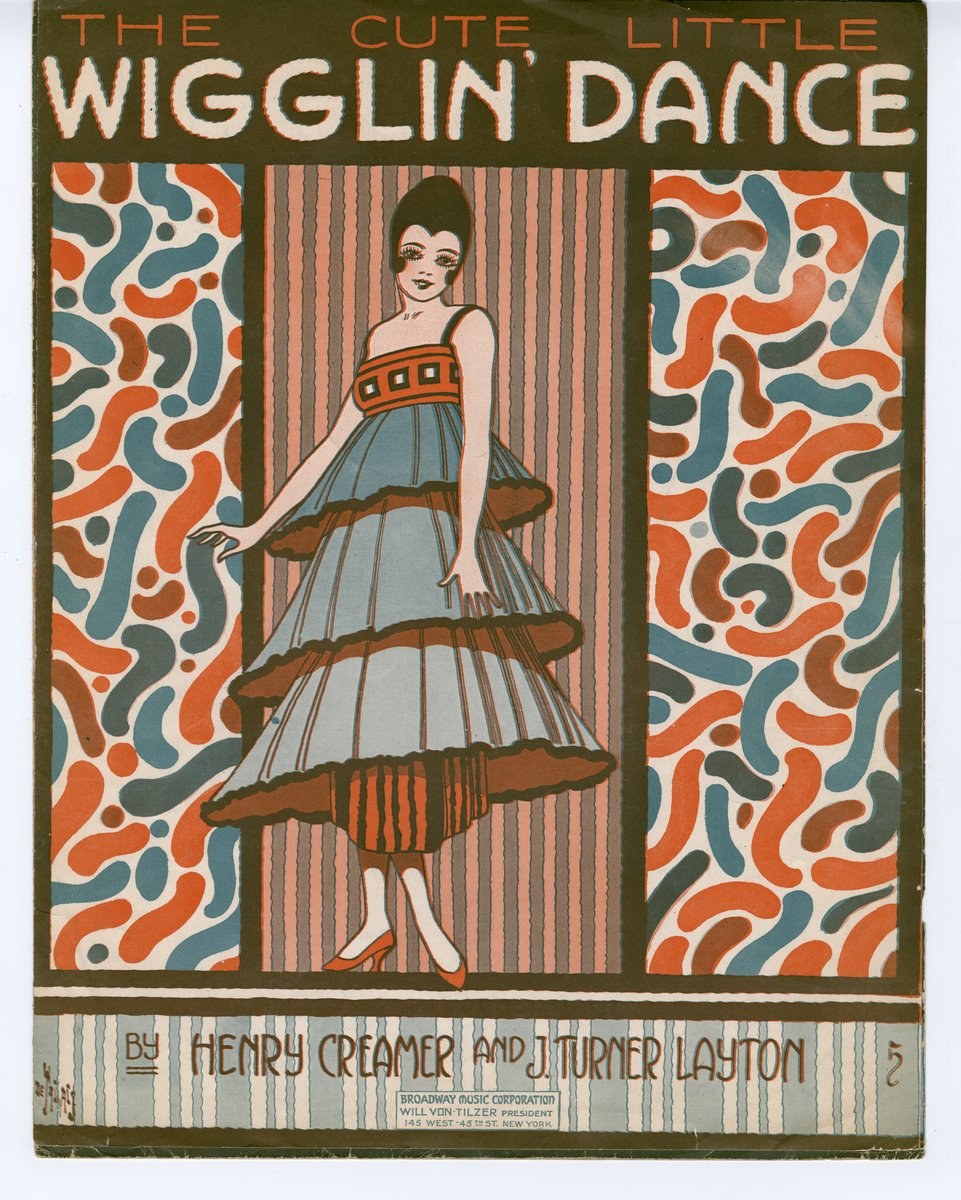
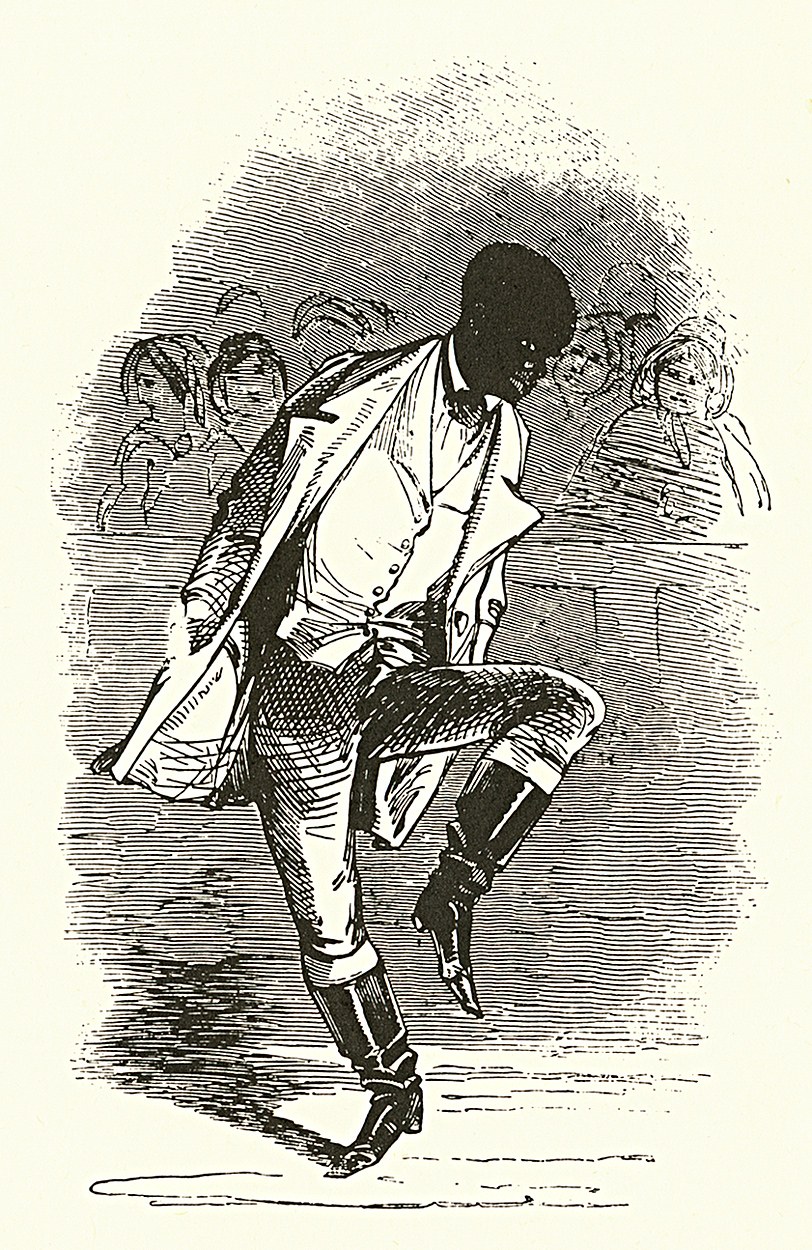
Master Juba
Hans Nathan · 1848
Public Domain
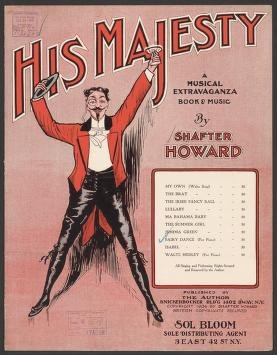
Fairy dance : Valse lente
Unknown artist · 1904
Public Domain
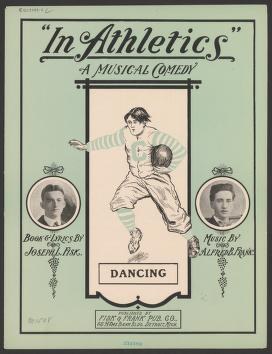
Dancing
Unknown artist · 1910
Public Domain