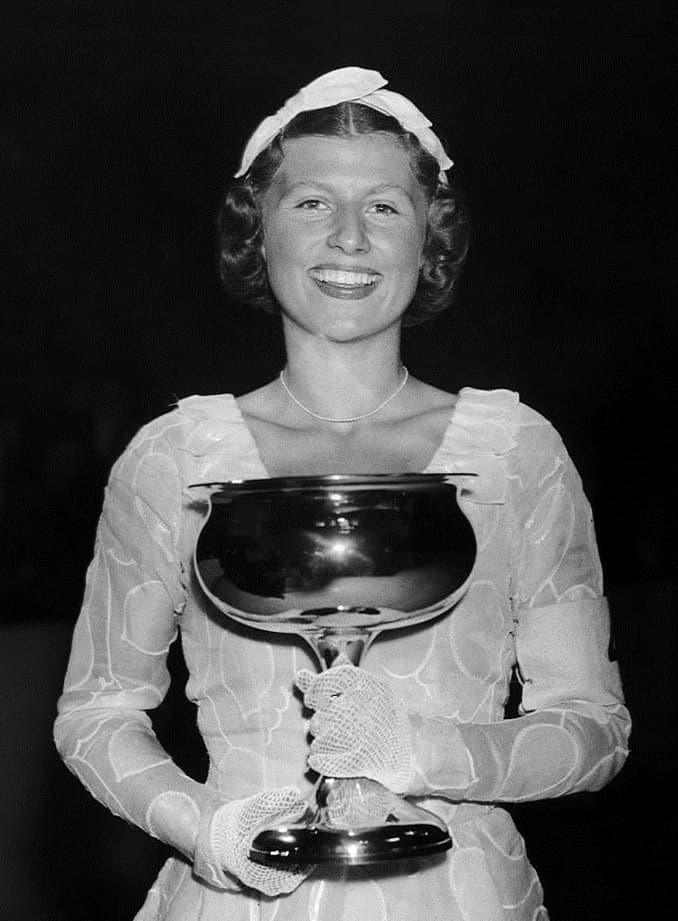
Magdalena Cecilia Colledge
Legend of Dance
Why They Matter
Colledge matters not only because she reached the Olympic and world podiums, but because her skating helped redefine what women’s singles could contain. The first competition double Salchow attributed to a woman pushed jumping difficulty forward, while the camel/parallel and layback shapes made flex
Biography
Magdalena Cecilia Colledge was a British figure skater whose innovations in jumping and spin technique fundamentally expanded the technical and expressive vocabulary of women's singles skating. Born in London on 28 November 1920, Colledge attended the 1928 World Figure Skating Championships with her mother, an experience that set her on a competitive path. She trained in Norway and then in London under Swiss coach Jacques Gerschwiler, incorporating ballet and acrobatic stretching into her preparation—a combination that gave her unusual spinal range and a strong sense of line alongside competitive discipline.
Colledge entered competition rapidly. In her first competitive season she placed third at the 1931 British ladies' championship, a result that took her to the 1932 Winter Olympics at Lake Placid at just 11 years and 73 days old, where she finished eighth and became Team GB's youngest-ever Olympian. By the mid-1930s she had established herself as Britain's leading challenger to Norway's Sonja Henie, finishing second at the 1935 World Championships and securing her first British senior title that same year.
Colledge's most consequential breakthrough came in 1936. At the European Championships that year, she landed a double Salchow—the first double jump completed by a woman in documented competition. Later that same year she won Olympic silver in women's singles at Garmisch-Partenkirchen. After Henie turned professional, Colledge completed a championship sweep in 1937, winning the British, European, and world titles. She retained the European crown in 1938 and 1939, though a world silver in 1938 and an injury before the 1939 worlds closed her prewar amateur career. Beyond jumping, Colledge developed the camel spin (then called the parallel spin), the layback spin, and a one-foot Axel that came to bear her name.
During the Second World War, competition ceased. Colledge joined the Mechanised Transport Corps and drove an ambulance in London during air raids. She returned to competitive skating after the war, winning a sixth British title in May 1946, then transitioned to professional skating in revues and won the British Open professional title in 1947 and 1948.
Colledge eventually settled in the United States and built a decades-long coaching career in the Boston area, teaching at the Skating Club of Boston and working with skaters including Albertina Noyes and Paul McGrath. She was inducted into the U.S. Figure Skating Hall of Fame in 1980 and is also listed in the World Figure Skating Hall of Fame. She died in Cambridge, Massachusetts, on 12 April 2008, at age 87.
Career Highlights
Placed third in the British ladies’ championship in her first competitive season. The Guardian
Finished eighth at the Lake Placid Winter Olympics at 11 years and 73 days old, becoming Team GB’s youngest Olympian. Team GB
Won world silver behind Sonja Henie and secured her first British senior title. The Guardian
Landed a double Salchow at the European Championships, reported as the first double jump by a woman in competition. The Guardian
Won Olympic silver in women’s singles at Garmisch-Partenkirchen. Olympics.com
Completed a British–European–World championship sweep. The Guardian
Won three consecutive European titles. Team GB
Returned after the wartime interruption to win a sixth British title, then ended her amateur career. The Guardian
Won the British Open professional skating title in consecutive years. The Guardian
Was inducted into the U.S. Figure Skating Hall of Fame; skating references also place her in the World Figure Skating Hall of Fame. The Guardian
Gallery
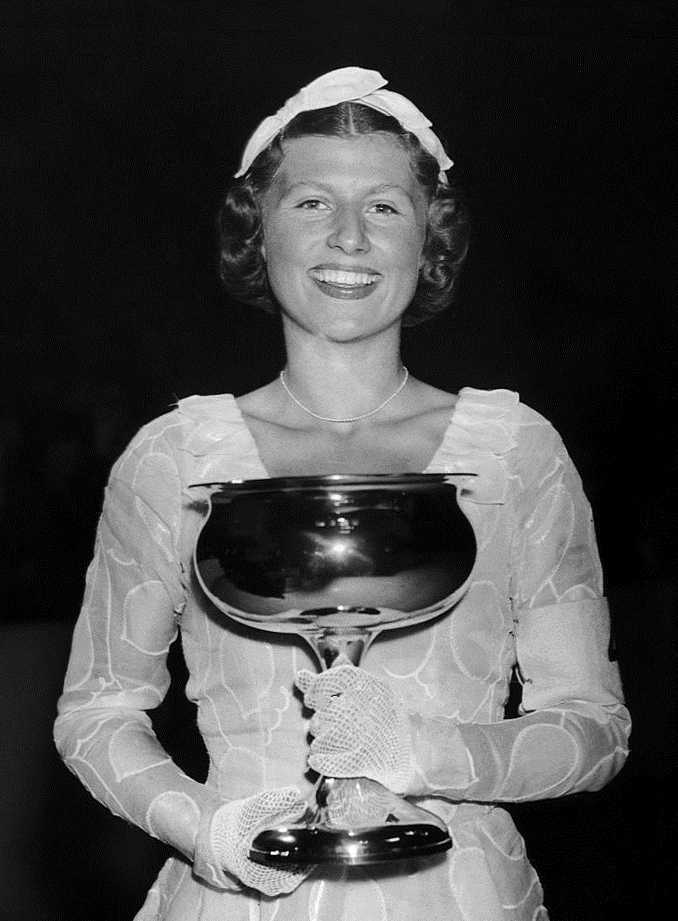
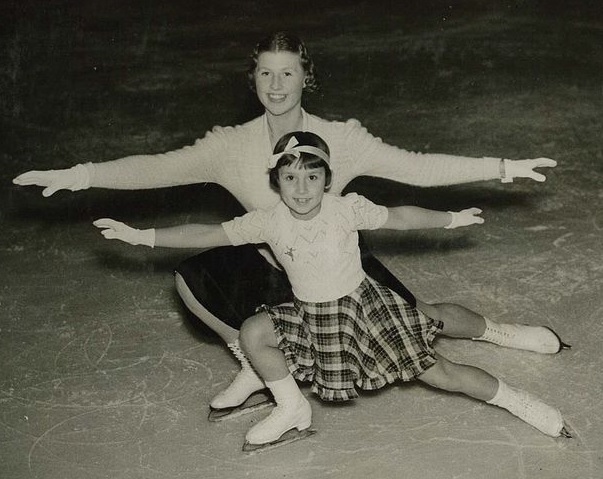
Legacy & Impact
Colledge remains significant to contemporary figure skating because she established technical and aesthetic possibilities that still structure the sport. The first documented woman's double jump pushed jumping difficulty forward at a moment when women's skating was considered primarily a display of elegance rather than athletic complexity. Her innovations in spins—particularly the camel and layback shapes—created lasting visual and kinetic languages that dancers and skaters still use to express extension, suspension, and sculptural line. Her later decades as a coach ensured that this union of technical escalation and theatrical clarity transmitted forward to generations of skaters.


Explore More Legends
Discover the dancers, teachers, choreographers, and cultural icons who shaped how the world moves.
Keep the thread going
Dance history, technique, and the occasional rabbit hole — in your inbox. Thoughtful, infrequent, unsubscribe anytime.
Free. No spam. One click to leave.