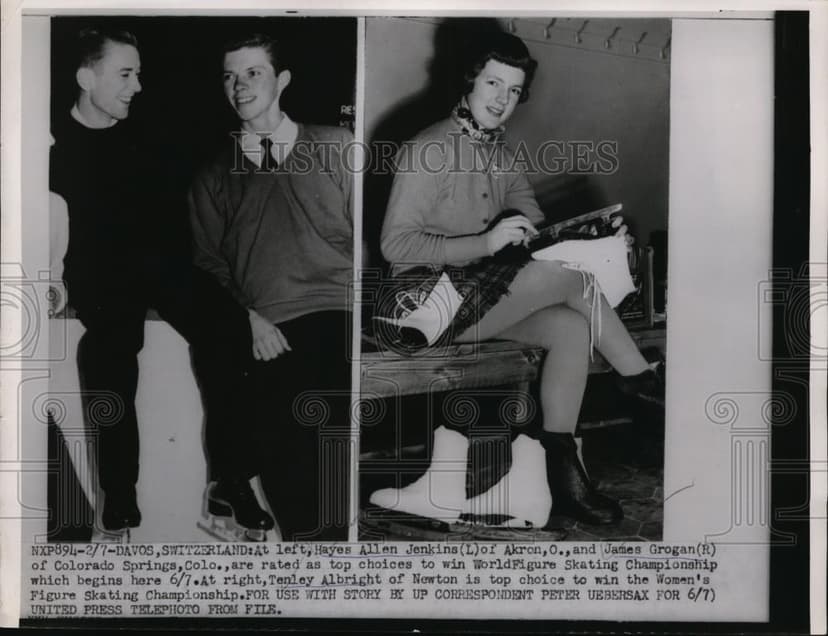
Hayes Alan Jenkins
Legend of Dance
Why They Matter
Jenkins matters to dance history because elite figure skating organizes edges, line, rhythm, balance, spatial pattern and musical presentation into choreography on ice. His championships capture a vanished competitive structure in which the quiet accuracy of traced figures carried greater weight tha
Biography
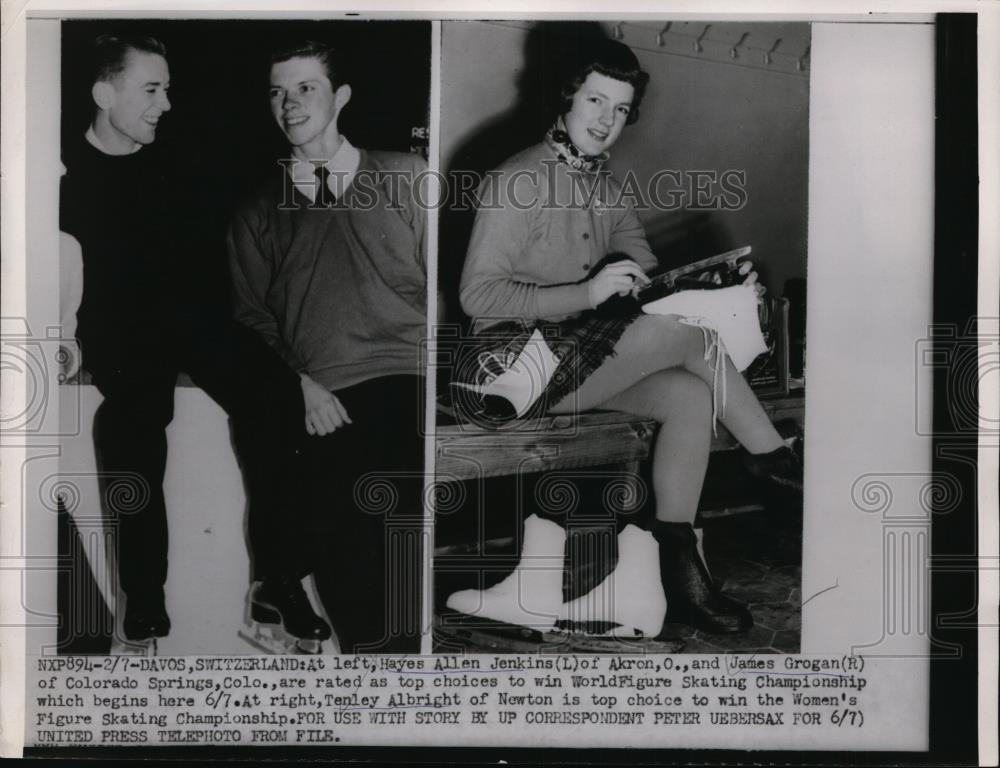
Hayes Alan Jenkins was born in Akron, Ohio, on March 23, 1933, and became one of the dominant figure skaters of the 1950s. According to a retrospective in *SKATING* magazine, he began skating around age eight after following his older sister Nancy to the rink, initially experimenting with pairs and ice dance before focusing on singles competition. He won the U.S. junior men's championship in 1948 and reached the World podium in 1950 with a bronze medal. At the 1952 Oslo Olympics, Jenkins finished fourth, a result that preceded his move to Colorado, where he trained at the Broadmoor Ice Palace under Edi Scholdan while attending Colorado College.
From 1953 through 1956, Jenkins won four consecutive U.S. championships and four consecutive World championships, establishing himself as the strongest all-around skater of his era. During this period, he also claimed North American titles in 1953 and 1955. The postwar competitive structure that defined his dominance weighted compulsory figures at sixty percent and free skating at forty percent—a demanding balance that rewarded technical precision and control across all elements of the sport.
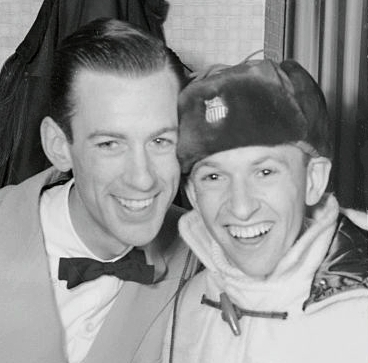
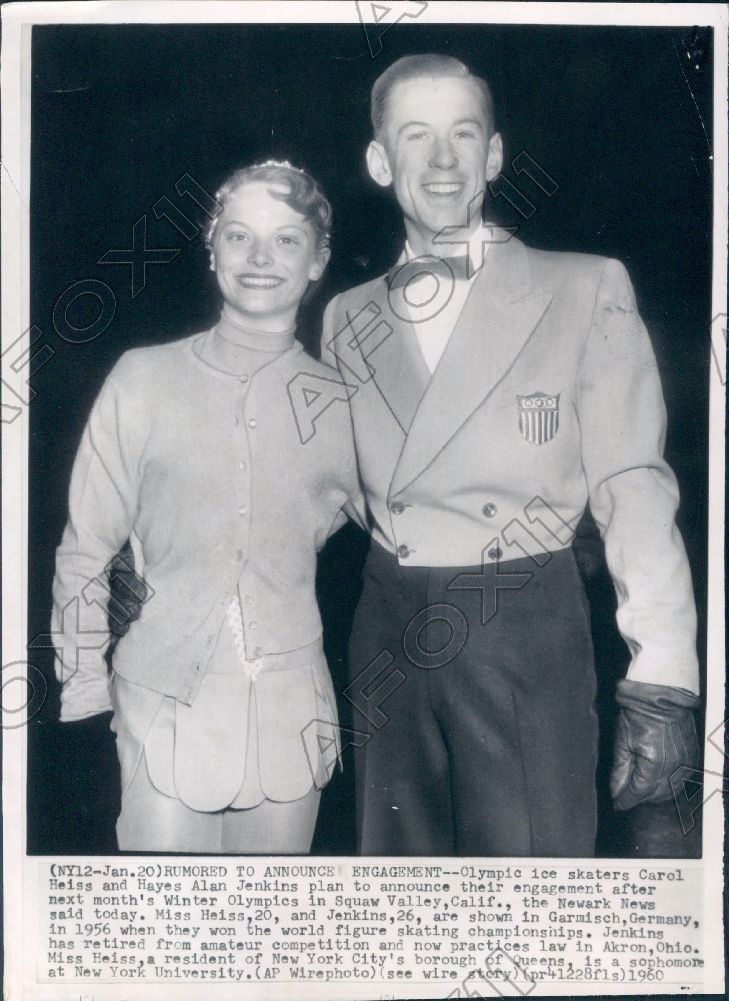
At Cortina d'Ampezzo in 1956, Jenkins won Olympic gold in a United States sweep of the men's podium, with his younger brother David Jenkins and Ronald Robertson completing the medals. Contemporary records place him first in compulsory figures and second in free skating, sufficient for the overall victory. He retained his World title later that year before retiring from competition. Jenkins graduated from Colorado College with high academic honors and later earned a law degree from Harvard. In 1961 he married Carol Heiss, the 1960 Olympic women's champion. His competitive legacy is part of a broader lineage: his brother David succeeded him as World champion and won the 1960 Olympic title, while Scholdan's Broadmoor program helped establish Colorado Springs as a major figure skating center. Jenkins entered the Colorado Sports Hall of Fame in 1969 and is honored in the U.S. Figure Skating Hall of Fame.
Career Highlights
Won the U.S. junior men’s championship. Cleveland Sports Hall of Fame Cleveland Sports Hall of Fame
Earned a World Championships bronze medal, establishing himself on the senior international podium. Hayes Alan Jenkins biography Hayes Alan Jenkins biography
Finished fourth in men’s singles at the Oslo Olympic Winter Games and won World bronze. Cleveland Sports Hall of Fame; Hayes Alan Jenkins biography Cleveland Sports Hall of Fame
Won his first U.S. and World senior titles and a North American championship. Olympics athlete profile Olympics athlete profile
Retained both the U.S. and World championships. Olympics athlete profile Olympics athlete profile
Won a third consecutive U.S. title, a third consecutive World title, and a second North American title. Olympics athlete profile Olympics athlete profile
Won Olympic gold at Cortina d’Ampezzo, leading a U.S. sweep with Ronald Robertson and David Jenkins. official 1956 Olympic results official 1956 Olympic results
Completed four straight U.S. and World titles, then retired from competition. Olympics athlete profile; Cleveland Magazine retrospective Olympics athlete profile
Entered the Colorado Sports Hall of Fame. Colorado Sports Hall of Fame Colorado Sports Hall of Fame
Gallery
Legacy & Impact
Jenkins remains significant to figure skating and dance history because his championships document a vanished competitive era in which compulsory figures—the quiet, precise tracing of edges on ice—determined champions. His dominance in that technical segment, combined with his command of free skating, illustrates how movement mastery built on edge security, centered posture and repeatable control can define performance. Understanding Jenkins' record helps audiences recognize how skating organizes line, rhythm, balance and spatial pattern into choreography, and why sustained precision in foundational technique can carry the artistic force of restrained, phrased movement.


Explore More Legends
Discover the dancers, teachers, choreographers, and cultural icons who shaped how the world moves.
Keep the thread going
Dance history, technique, and the occasional rabbit hole — in your inbox. Thoughtful, infrequent, unsubscribe anytime.
Free. No spam. One click to leave.