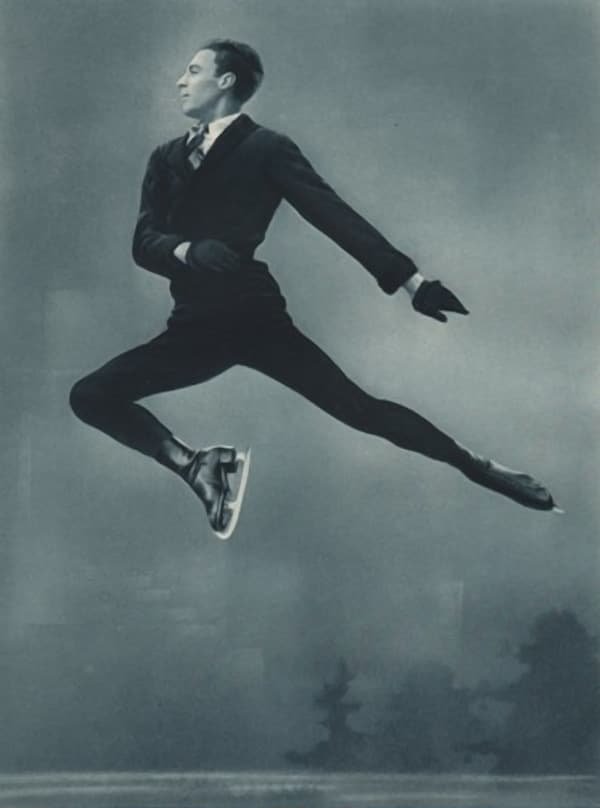
Karl Schäfer
Men’s singles figure skating
Why They Matter
Schäfer matters as the skater who carried men’s singles from Grafström’s era into a faster, more openly athletic and theatrical 1930s style. His championship consistency rests on compulsory-figure mastery, but reducing him to figures misses the breadth of his free skating and professional stage work
Watch
Karl Schäfer AUT - World Championships Zürich 1933 Practice - ISU Archives
International Skating Union
Direct institutional archival footage from the middle of Schäfer's seven-title world championship run
III Olympic Winter Games - Men's Figure Skating - Lake Placid 1932 - ISU Archives
International Skating Union
Institutional context for Schäfer's first Olympic title and rivalry with Gillis Grafström
Biography
Karl Schäfer was born in Vienna in 1909 and became the dominant men's figure skater of the 1930s, succeeding Gillis Grafström as the central figure of his discipline. Before claiming supremacy on ice, Schäfer represented Austria in breaststroke at the 1928 Amsterdam Summer Olympics and won Austrian swimming titles, a two-sport background that shaped the extension, endurance, and upper-body control evident in his skating.
Schäfer finished fourth in men's singles at the 1928 St. Moritz Winter Olympics, but his rise was swift. Beginning in 1929, he won eight consecutive European figure-skating championships. That same year he finished second to the aging Grafström at the World Championships, signaling the transition ahead. From 1930 through 1936, Schäfer won every World Championship he entered—seven consecutive titles. His dominance under a system weighted heavily toward compulsory figures was complemented by contemporary footage showing speed, spread-eagle positions, jumps, spins, and confident theatrical presence.
At Lake Placid in 1932, Schäfer defeated Grafström for Olympic gold, a result that symbolized generational succession: the thirty-eight-year-old Grafström took silver after three earlier victories. Schäfer entered the 1936 Garmisch-Partenkirchen Games as an overwhelming favorite, having been unbeaten at Europeans since 1929 and Worlds since 1930. He defended his Olympic title ahead of Germany's Ernst Baier and fellow Austrian Felix Kaspar, then left eligible competition after one of the most concentrated championship records in skating history.
Schäfer's career extended into professional ice performance and teaching. He co-founded the Karl-Schäfer-Eisrevue with Herta Wächter around 1940, helping carry elite skating technique into commercial ice theater. He was inducted into the World Figure Skating Hall of Fame in its inaugural 1976 class, the year of his death in Vienna. His record of two Olympic gold medals, seven world titles, and eight European titles remains a benchmark, while his legacy connects Viennese skating culture, compulsory-figure precision, musicality, and professional ice spectacle.
Career Highlights
Finished fourth in men’s singles at the St. Moritz Winter Olympics. Olympedia Olympedia
Represented Austria in breaststroke at the Amsterdam Summer Olympics. Olympedia Olympedia
Won the first of eight consecutive European figure-skating championships. Olympedia Olympedia
Finished second to Gillis Grafström at the World Championships. Olympedia Olympedia
Won the first of seven consecutive world championships. Olympedia Olympedia
Won Olympic gold in men’s singles at Lake Placid. Official Olympic results Official Olympic results
Won an eighth consecutive European championship. Olympedia Olympedia
Won a seventh consecutive World Championship. U.S. Figure Skating archive U.S. Figure Skating archive
Defended his Olympic title at Garmisch-Partenkirchen. Olympedia Olympedia
Co-founded the Karl-Schäfer-Eisrevue with Herta Wächter, according to later biographical records. ISU Archives video context ISU Archives video context
Entered the inaugural class of the World Figure Skating Hall of Fame. World Figure Skating Hall of Fame World Figure Skating Hall of Fame
Gallery
Legacy & Impact
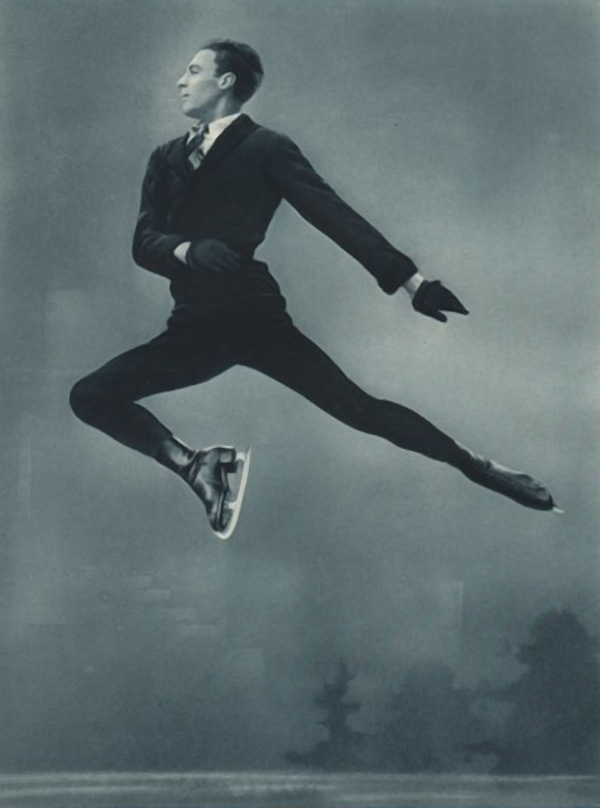
Schäfer matters as the skater who carried men's singles from Grafström's era into a faster, more openly athletic and theatrical 1930s style. His championship consistency rests on compulsory-figure mastery, but his free skating and professional stage work reveal a broader artistry. His career also situates Vienna as a major center of ice culture linking sport, music, outdoor artificial rinks, instruction, and revue.


Explore More Legends
Discover the dancers, teachers, choreographers, and cultural icons who shaped how the world moves.
Keep the thread going
Dance history, technique, and the occasional rabbit hole — in your inbox. Thoughtful, infrequent, unsubscribe anytime.
Free. No spam. One click to leave.