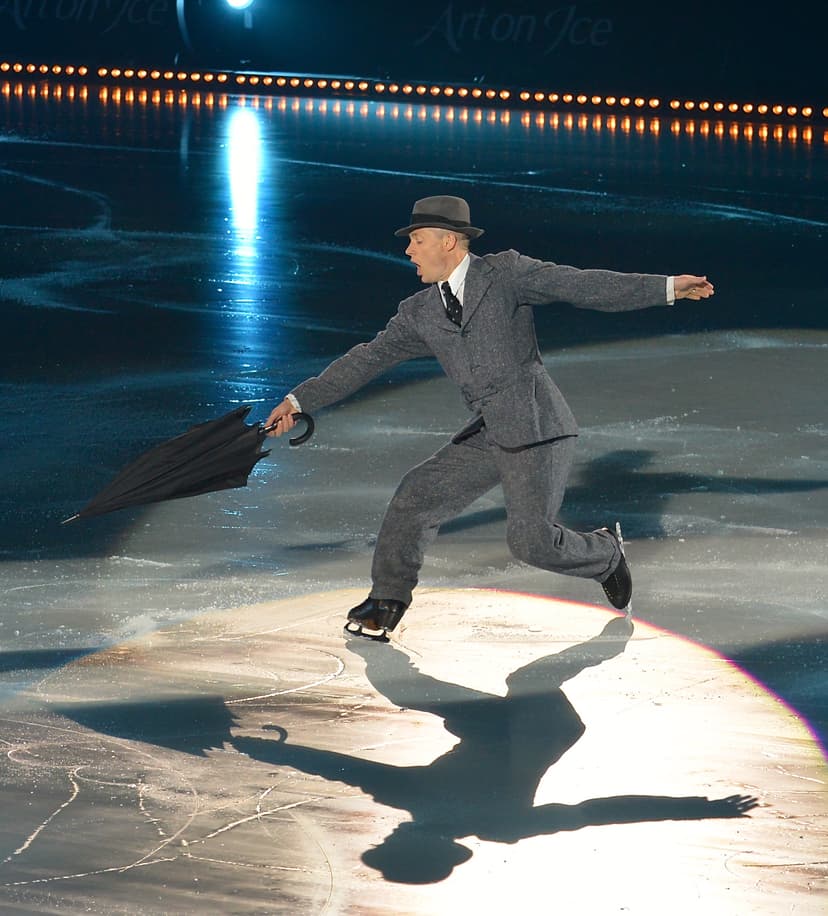
Kurt Browning
Legend of Dance
Why They Matter
Browning’s legacy operates on three connected levels. Technically, the 1988 ratified quad toe established a threshold that later generations turned into a central competitive demand. Competitively, four World titles—three consecutive—place him among Canada’s defining singles skaters even though an O
Biography
Kurt Browning is a Canadian figure skater whose competitive career redefined men's singles skating through technical innovation and whose professional work established character and theatrical storytelling as central to the sport. Born on 18 June 1966 in Rocky Mountain House and raised in Caroline, Alberta, Browning emerged as a dominant force in international competition during the late 1980s and early 1990s.
Browning's most consequential technical achievement came at the 1988 World Championships in Budapest, weeks after his Olympic debut in Calgary. There he landed the first ratified quadruple jump in World competition—a quadruple toe loop—while placing sixth overall in the free skate. That breakthrough established a technical threshold that later generations would build upon, though Browning's own competitive excellence soon followed through other means. Between 1989 and 1993, he won four World Championships: consecutive titles in 1989, 1990, and 1991, followed by a fourth in 1993. His 1990 victory came before a home crowd in Halifax. Skate Canada identifies him as the first Canadian man to capture three consecutive World titles. He also won four senior Canadian national championships in those same years, and by Team Canada's accounting, he remains the only figure skater to win World titles both with and without compulsory figures, which were removed from senior international competition during his career.
Olympic medals, however, eluded him. Browning competed for Canada at three Winter Games: he finished eighth in 1988 at Calgary, sixth in 1992 at Albertville, and fifth in 1994 at Lillehammer, where he carried the Canadian flag at the opening ceremony. His 1993 program *Casablanca* accompanied his return to both the Canadian and World podiums that year.
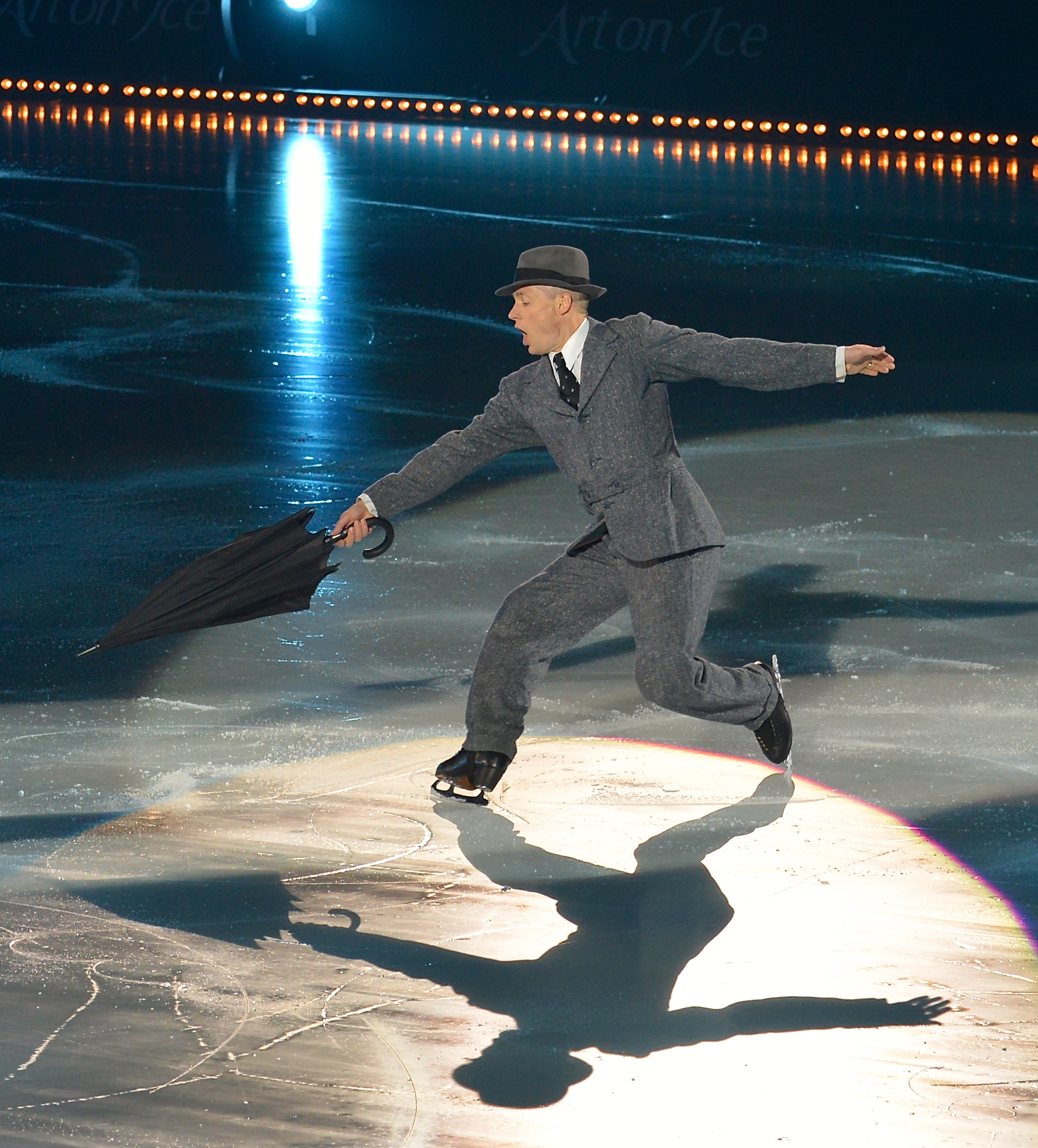
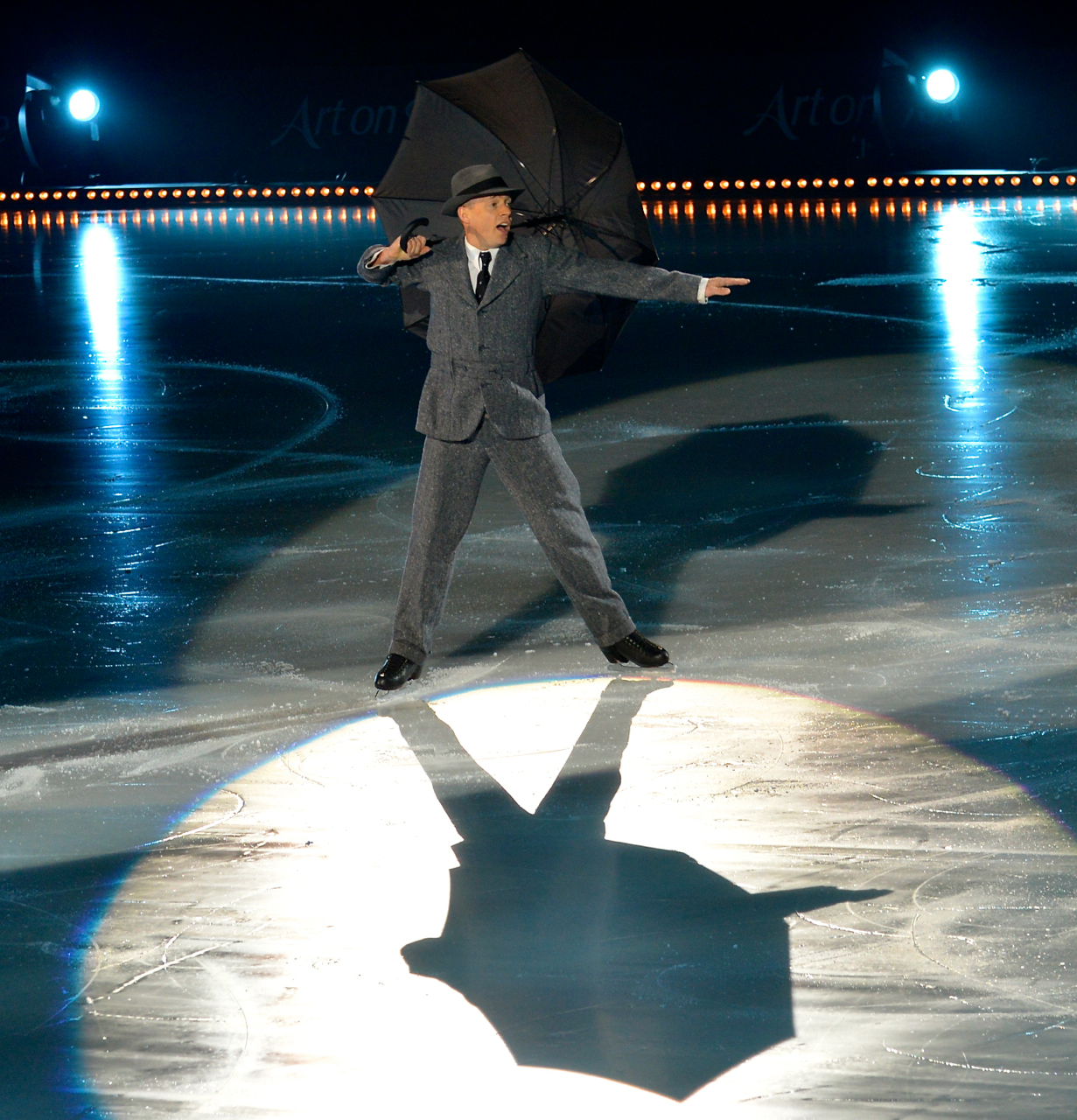
Browning turned professional in 1994 and built a second career that expanded the theatrical and characterological qualities already visible in his competitive skating. He became the anchor of Stars on Ice, the touring production where he performed across 937 shows before his final tour in 2023—a record tenure. His professional work was marked by fast, rhythmically exact footwork, precise characterization that ranged from comic to dramatic, and an approach to props and gesture that integrated them fully into his skating vocabulary rather than treating them as ornament. In 2024, Stars on Ice named him director and choreographer, a role documented on the organization's current tour schedule.
Career Highlights
Browning placed eighth at the Calgary Olympics. Team Canada Team Canada
At the World Championships in Budapest, he landed the first ratified quadruple jump in competition, a quad toe loop, while finishing sixth overall. Team Canada; Skate Canada Team Canada
He won his first Canadian senior and World men’s titles. Skate Canada Skate Canada
He defended both titles and won the World Championship in Halifax before a Canadian crowd. Team Canada Team Canada
He won a third straight World title, the first Canadian man to do so. Skate Canada Skate Canada
He finished sixth at the Albertville Olympics and won World silver later that season. Stars on Ice Canada; Olympics.com Stars on Ice Canada
His Casablanca program accompanied a fourth Canadian title and fourth World title. Skate Canada Skate Canada
He carried the Canadian flag at the Lillehammer opening ceremony and placed fifth in men’s singles. Stars on Ice Canada Stars on Ice Canada
He entered the professional ranks and expanded his work in touring, television and professional competition. Skate Canada Skate Canada
He was inducted into Canada’s Walk of Fame. Wikidata authority record Wikidata authority record
He completed his final Stars on Ice tour after a record 937 performances with the production. Stars on Ice history; CBC Sports Stars on Ice history
Stars on Ice named him director/choreographer, a role shown again on the organization’s 2026 tour listing. Stars on Ice history; creative team Stars on Ice history
Gallery
Legacy & Impact
Browning's legacy rests on three interconnected contributions. Technically, his 1988 ratified quadruple jump established a competitive standard that transformed men's singles into a discipline built on increasingly difficult rotations. Competitively, four World titles place him among Canada's defining skaters despite his Olympic placing rather than medals. Artistically, his long professional career—particularly his 937 Stars on Ice performances and subsequent directing role—demonstrated that elite skating could be built from character work, musical timing, small gesture, and prop integration rather than from jump difficulty alone, expanding what theatrical figure skating could express.


Explore More Legends
Discover the dancers, teachers, choreographers, and cultural icons who shaped how the world moves.
Keep the thread going
Dance history, technique, and the occasional rabbit hole — in your inbox. Thoughtful, infrequent, unsubscribe anytime.
Free. No spam. One click to leave.