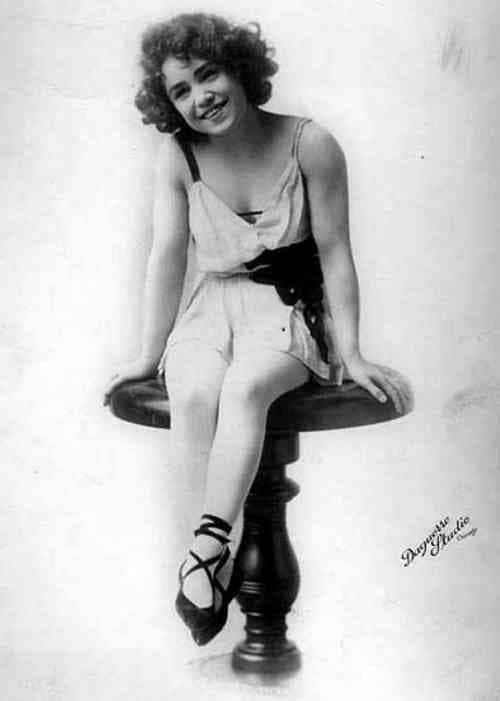
Lillian Leitzel
Legend of Dance
Why They Matter
Leitzel matters to dance history because aerial performance organizes the body through line, rhythm, phrasing, suspension and relation to space—even when its institutional home is the circus rather than the concert stage. Her act joined extreme upper-body strength to repeatable musical structure and
Biography
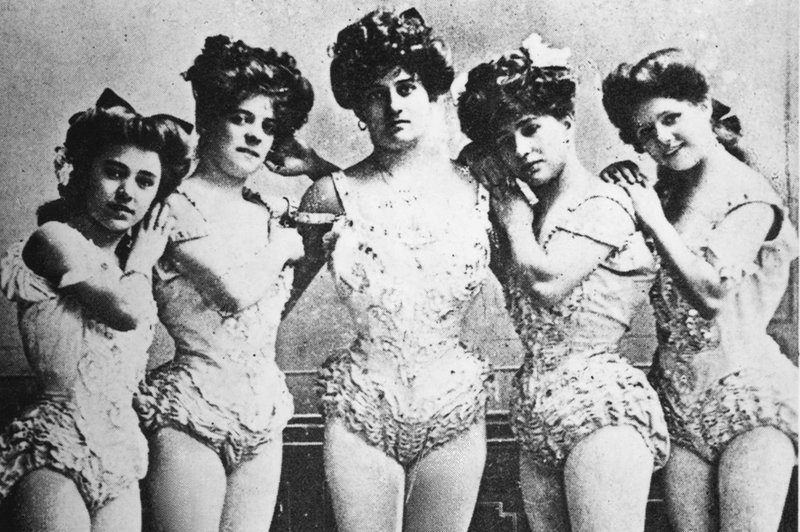
Lillian Leitzel was born Leopoldina Alitza Pelikan on 2 January 1892 in Breslau, German Empire (now Wrocław, Poland), into a circus family. Her mother, Nellie Pelikan, performed as an aerialist, and Leitzel received musical training while being raised largely by relatives. A 1905 company photograph documents her with the Leamy Ladies—a touring troupe that included her mother and aunts Tina and Toni Pelikan, along with Lily Simpson—performing across Europe and into the American market.
After the Leamy Ladies dissolved, Leitzel worked the American vaudeville circuit as a specialist aerialist and acrobat. A 1914 Ringling scout saw her perform in South Bend, Indiana, and offered her a contract. She opened as a center-ring feature for Ringling Brothers at Chicago Coliseum on 17 April 1915, a position she maintained through the subsequent consolidation with Barnum & Bailey.
Leitzel's signature act consisted of two contrasting sequences. The first was a flying-rings performance showcasing gymnastic control, suspended shapes and forceful movement. After descending, she returned under a concentrated spotlight for her defining act: single-rope swingovers. With one wrist looped beneath a swivel, she rotated her body repeatedly over the supporting shoulder while drums and the audience counted. More than one hundred rotations became a regular feature of her performances.
Her celebrity rested on the fusion of physical risk and theatrical presence. The aerial height—generally without modern safety systems—paired with intimate spotlit presentation directed toward a vast audience. Contemporary billing emphasized a "dainty" persona, yet the act demanded exceptional grip, shoulder tolerance, timing and endurance. This tension between appearance and demonstrated power defined her stage identity.
Leitzel remained a visible headliner through American and European variety theatres. In 1928 she married flying-trapeze artist Alfredo Codona; both were independently famous, and each maintained a separate specialty and star act. On 13 February 1931, during an engagement at the Valencia Music Hall in Copenhagen, part of her rigging failed and she fell. She died from her injuries on 15 February. In 1958, she became the first and sole inductee selected that year for the Circus Hall of Fame.
Career Highlights
Toured Europe with the Leamy Ladies, alongside her mother Nellie Pelikan and other family members. NPR NPR
Appeared in the United States with the Leamy Ladies before continuing independently in American vaudeville. Circuses and Sideshows Circuses and Sideshows
Was noticed during a South Bend vaudeville engagement and offered a Ringling contract. LillianLeitzel.com research chronology LillianLeitzel.com research chronology
Debuted as a Ringling Brothers center-ring feature at Chicago Coliseum on 17 April. LillianLeitzel.com research chronology LillianLeitzel.com research chronology
Continued as a star after Ringling's circus was combined with Barnum & Bailey. Circuses and Sideshows Circuses and Sideshows
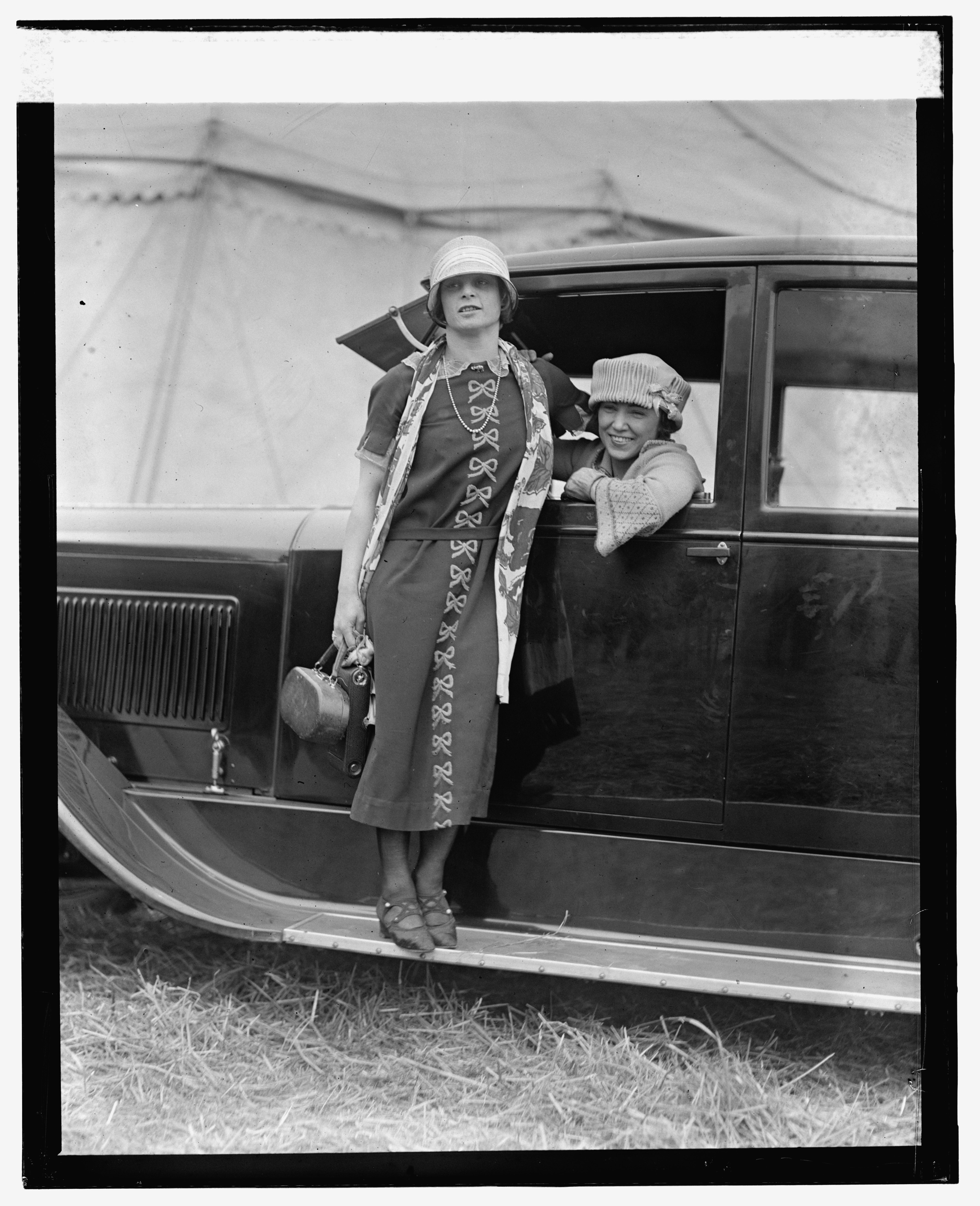
Was photographed in Washington with fellow circus star May Wirth, an image now preserved through the Library of Congress's National Photo Company collection. Wikimedia Commons file page Wikimedia Commons file page
Married celebrated flying-trapeze artist Alfredo Codona while each retained a separate headlining act. International Circus Hall of Fame International Circus Hall of Fame
Suffered a fatal fall during a Copenhagen engagement on 13 February and died on 15 February. Cornell Daily Sun archive Cornell Daily Sun archive
Became the inaugural and sole inductee chosen that year for the Circus Hall of Fame. International Circus Hall of Fame International Circus Hall of Fame
Gallery
Legacy & Impact
Leitzel matters to dance and movement history because aerial performance organizes the body through line, rhythm, suspension and spatial relation—qualities central to dance whether the institutional context is circus or concert stage. Her act joined extreme upper-body strength to repeatable musical structure and audience participation, creating a model of female aerial virtuosity. She stands as evidence that circus women were central, not peripheral, to twentieth-century movement culture and continues to shape how contemporary aerialists approach the integration of strength, endurance and artistic presence.

Explore More Legends
Discover the dancers, teachers, choreographers, and cultural icons who shaped how the world moves.
Keep the thread going
Dance history, technique, and the occasional rabbit hole — in your inbox. Thoughtful, infrequent, unsubscribe anytime.
Free. No spam. One click to leave.