Teacher · Community Builder · Cultural Preserver
Marie Rambert
Mother of British Ballet
Why They Matter
She created the infrastructure for British dance, discovering and developing talents like Frederick Ashton and Antony Tudor who shaped ballet for the century.
Known For
Watch
Vintage Rambert: Behind-the-scenes documentary
Rambert
Official Rambert project inspired by the public and private life of the company founder
Dancers (1978)
BFI
BFI portrait of life inside Ballet Rambert during a later institutional phase
Marie Rambert Archive Clip
Rambert Archive
Direct archival testimony connected to Rambert and the early company
Rambert Archive: Primary School Workshops
Rambert
Shows how the present institution activates its archive pedagogically
Rambert perform Richard Alston's Strong Language (1987)
Rambert
Demonstrates the later contemporary company that grew from Rambert's institution
From the studio: Remembrance choreographed by Wayne Eagling
English National Ballet
A later choreographic response to Rambert's First World War experience
Biography
Marie Rambert, born Cyvia Ramberg in Warsaw in 1888 when the city belonged to the Russian Empire, became one of Britain's most consequential dance figures. She moved to Paris after school, where she studied rhythmic movement with Émile Jaques-Dalcroze and appeared in productions connected to Raymond Duncan. That training made musical structure a practical, embodied discipline—a skill that placed her at the center of modernism's most pivotal dance moments.
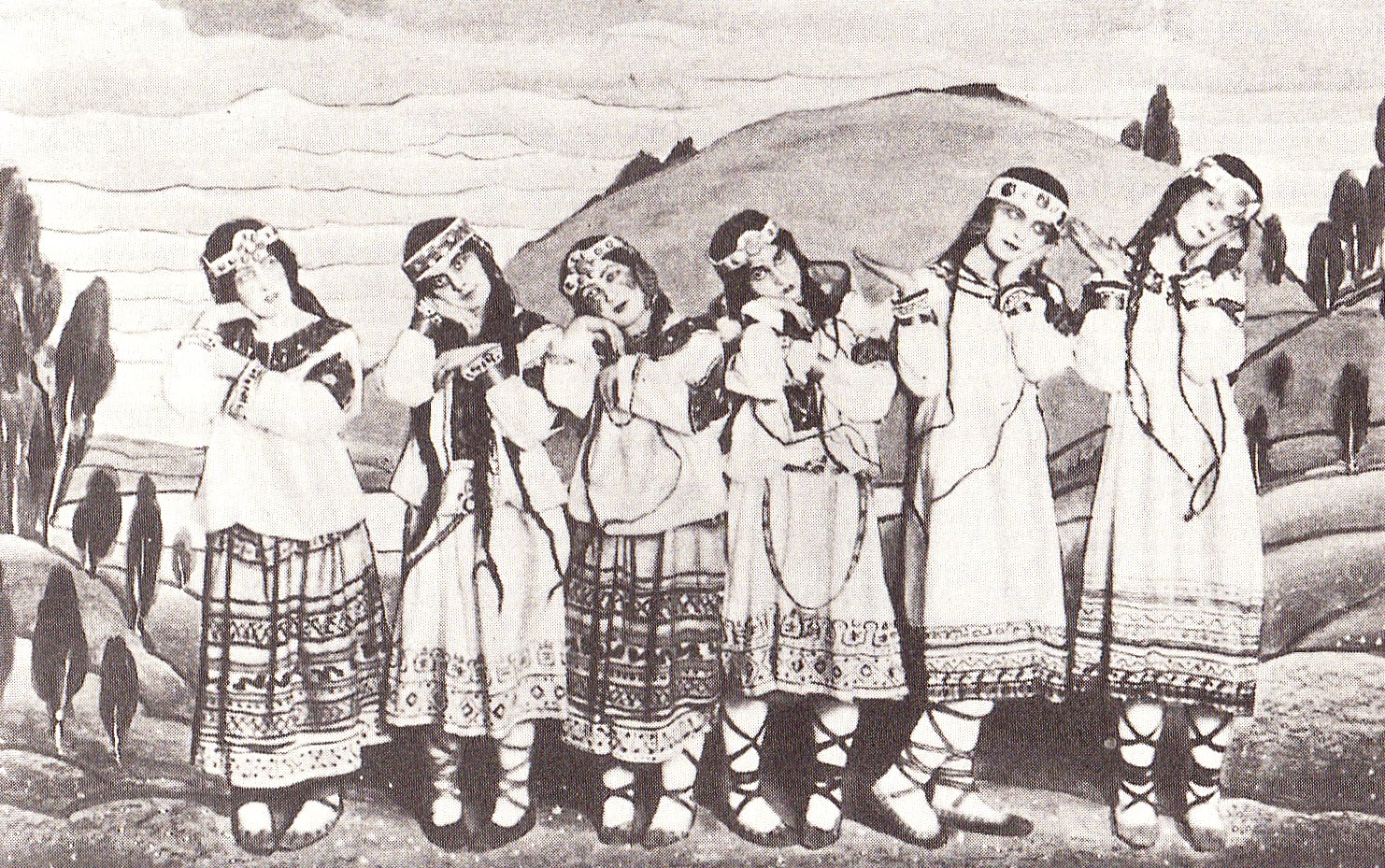
In 1912, Serge Diaghilev engaged Rambert to help Vaslav Nijinsky and the Ballets Russes dancers navigate the difficult accents of Igor Stravinsky's score for *Le Sacre du printemps*. She also danced in the work's Paris premiere on 29 May 1913. Her contribution was crucial but specific: she was a rhythmic assistant and cast member while Nijinsky choreographed, Stravinsky composed, and Nicholas Roerich designed.
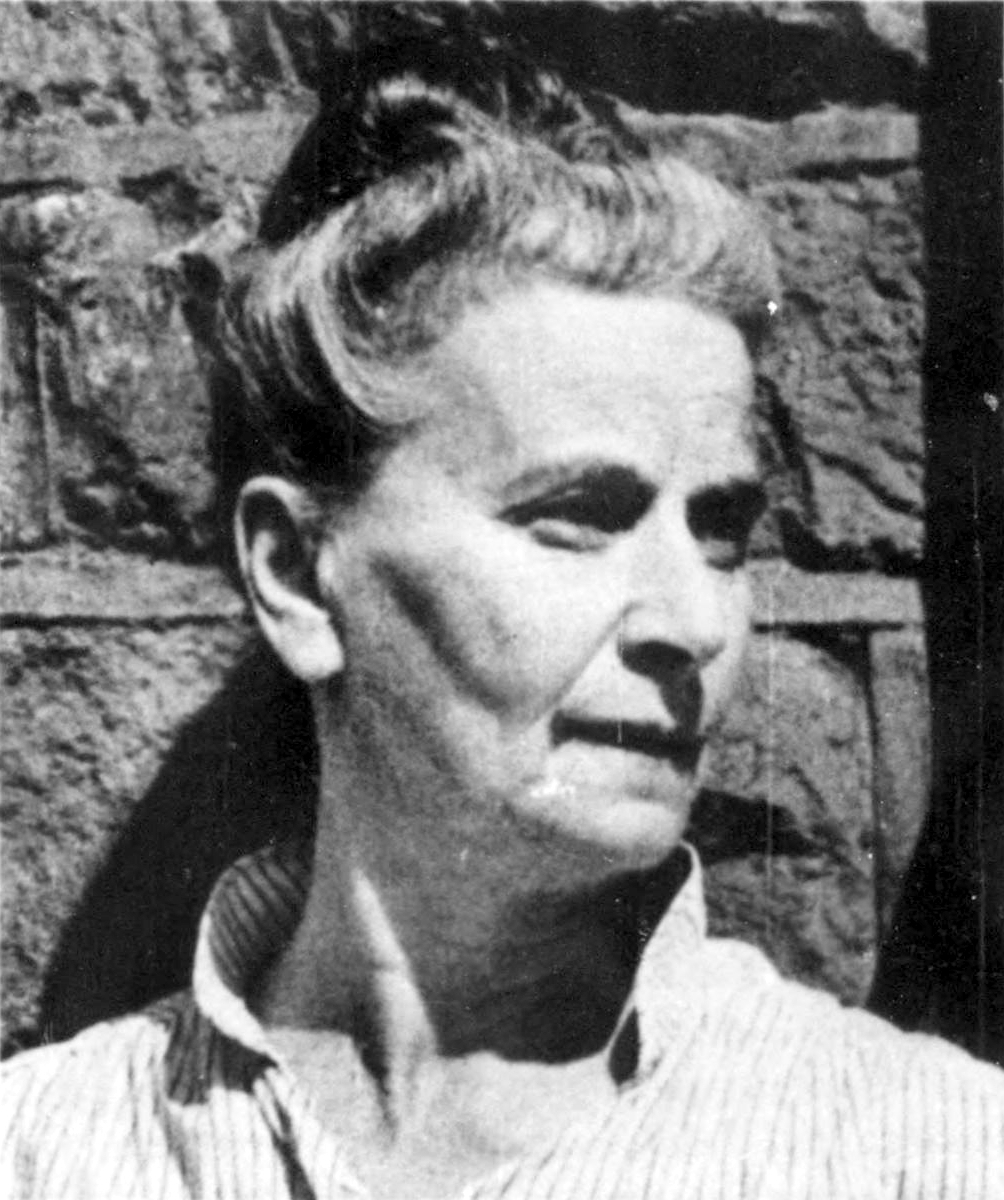
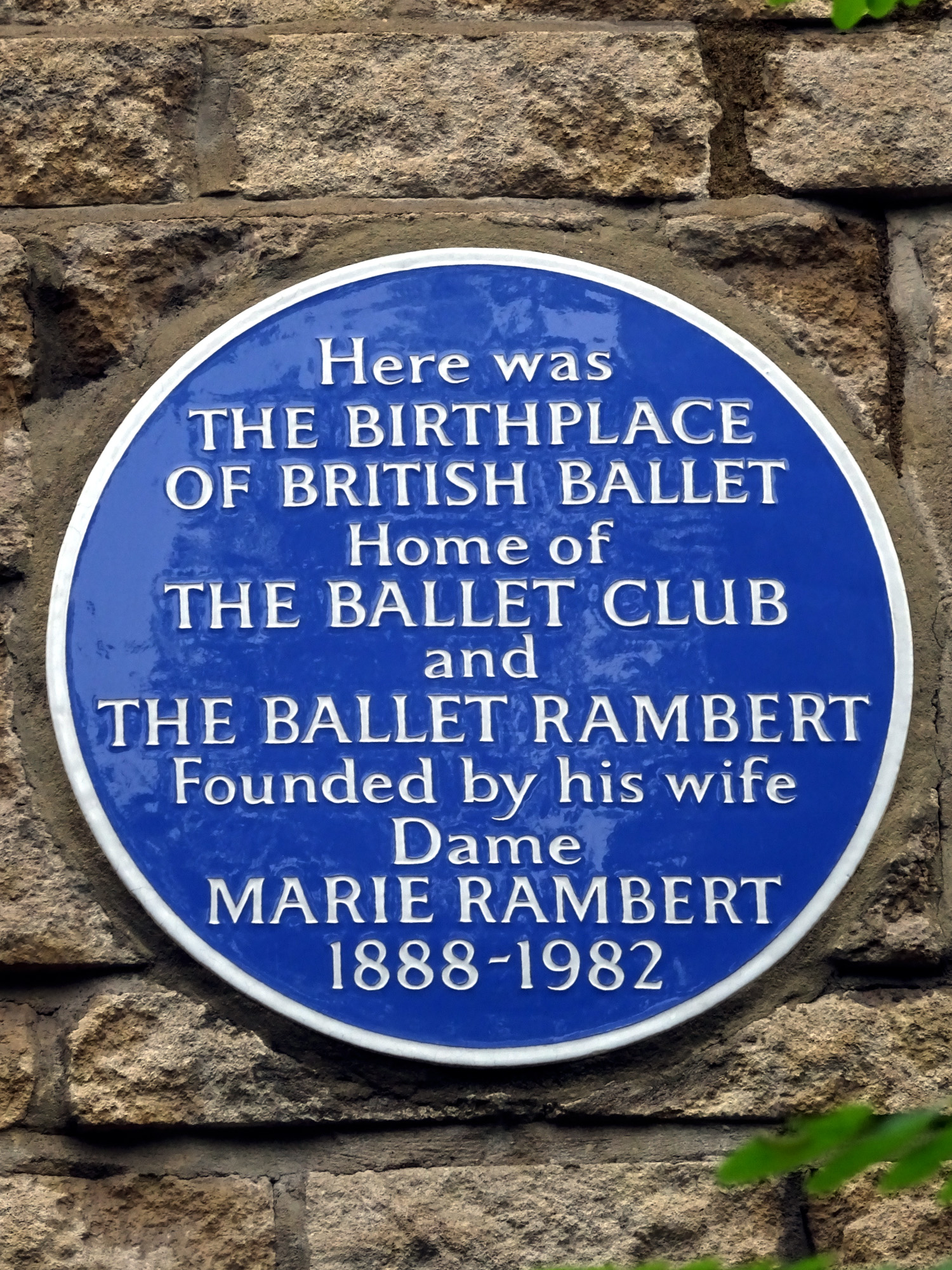
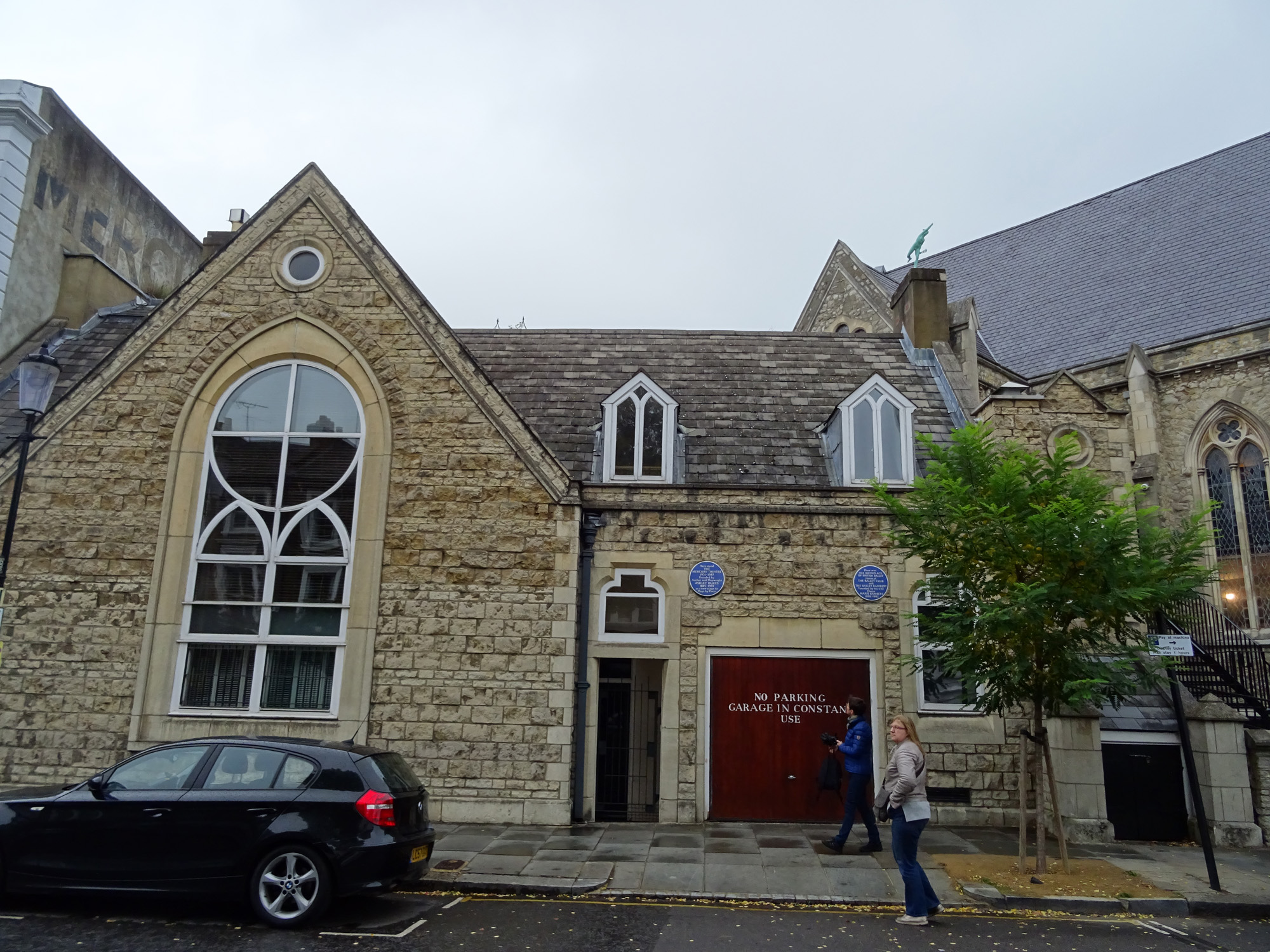
Rambert reached London during the First World War and made Britain her permanent base. She married playwright and theatre manager Ashley Dukes in 1918 and trained in Enrico Cecchetti's codified ballet method alongside teaching eurhythmics. After receiving her Cecchetti teaching certificate, she opened her school in 1920. That school became an incubator for British choreography. In 1926, she encouraged her student Frederick Ashton to make *A Tragedy of Fashion*—a work Rambert later identified as foundational to her company's history. What began as occasional presentations grew into the Ballet Club in 1930, with Sunday performances at the Mercury Theatre, the small Notting Hill venue owned by Dukes. The organization adopted the name Ballet Rambert in 1935.
Rambert performed, staged, taught and selected artists, but her most durable authorship was institutional: she created a setting in which Ashton, Antony Tudor, Andrée Howard and others could develop choreography. During the Second World War, Ballet Rambert became a full-time touring company, performing in theatres, factory canteens and other wartime settings. After 1946 it appeared frequently at Sadler's Wells. The repertory combined revivals and major British stagings of nineteenth-century ballets with new works—a bridge between Ballets Russes modernism and a distinct British choreographic culture.
By the late 1950s, the economics of touring a large classical company and the need for artistic renewal created pressure for change. Norman Morrice's *Two Brothers* in 1958 pointed toward a more contemporary repertory. Rambert encouraged Morrice's study in the United States, and in 1966 he became associate artistic director as Ballet Rambert reorganized into a smaller ensemble devoted to new work. The transformation was collaborative, shaped by artistic vision, Norman Morrice's leadership, and the practical demands of touring and survival.
Rambert received France's Légion d'honneur in 1957 and was appointed Dame Commander of the Order of the British Empire in 1962. She remained a defining presence in the organization until her death in London on 12 June 1982. The company became Rambert Dance Company in 1987 and Rambert in 2013. In 2026, the organization marks one hundred years from the 1926 founding performance.
Career Highlights
Serge Diaghilev engaged Rambert to assist Nijinsky and the Ballets Russes dancers with the rhythmic demands of Stravinsky’s Le Sacre du printemps. Source Source
She danced in the Paris premiere of Le Sacre du printemps on 29 May. Source Source
She married Ashley Dukes, whose Mercury Theatre later housed the Ballet Club’s Sunday performances. Source Source
After Cecchetti-method training and certification, she opened her London ballet school; see the date caution below. Source Source
Frederick Ashton choreographed A Tragedy of Fashion at Rambert’s encouragement, the performance from which Rambert dates the company’s founding. Source Source
The Ballet Club formed and began regular Sunday performances at the Mercury Theatre. Source Source
The organization adopted the name Ballet Rambert. Source Source
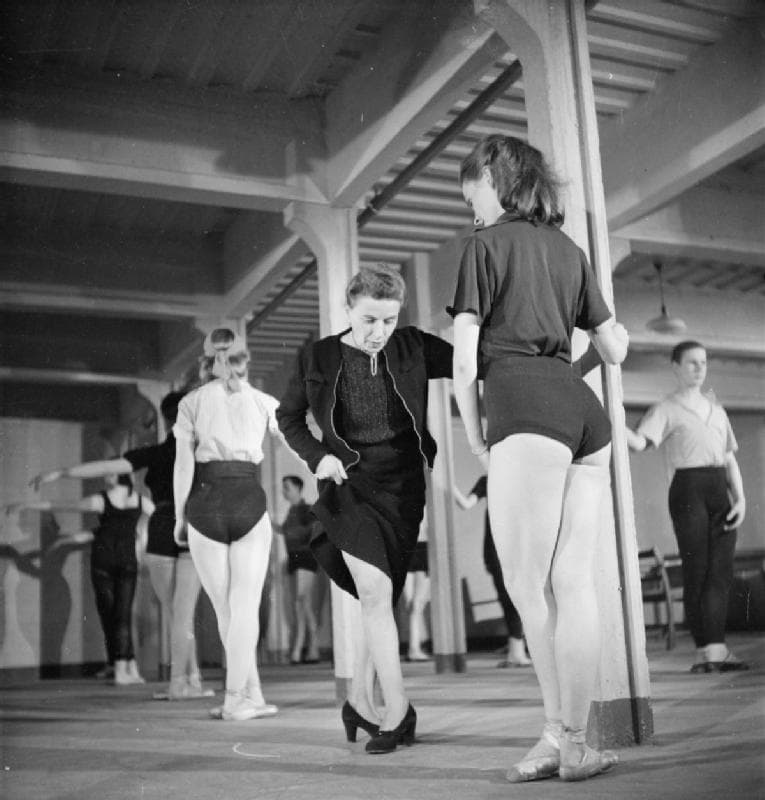
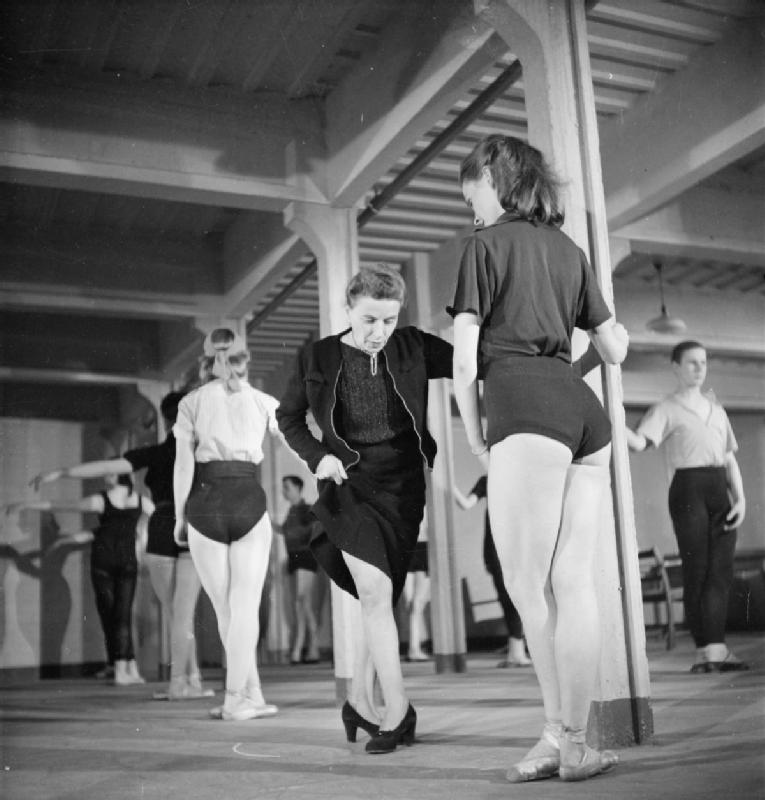
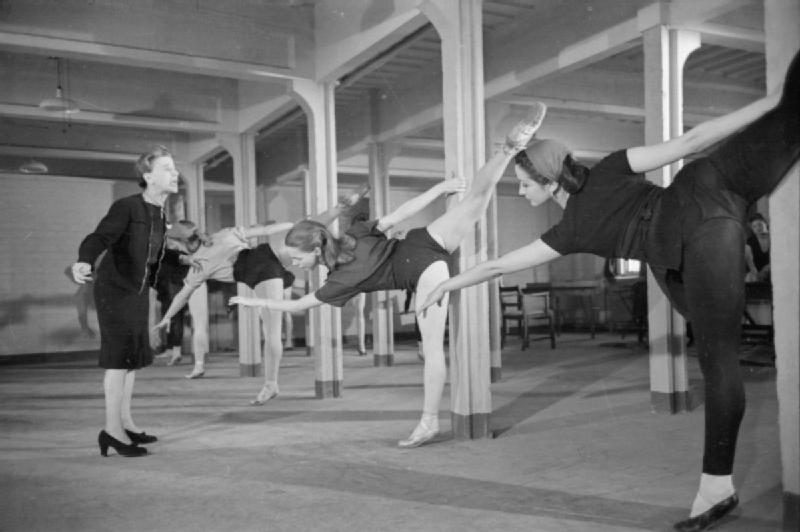
Wartime photographs documented Rambert directing and teaching dancers at a factory hostel, part of the company’s touring work. Source Source
France appointed her to the Légion d’honneur. Source Source
Norman Morrice’s Two Brothers signaled a renewed commitment to contemporary choreography. Source Source
Rambert was appointed DBE and encouraged Morrice to investigate American modern-dance practice. Source Source
Morrice became associate artistic director as Ballet Rambert reorganized as a smaller contemporary ensemble. Source Source
Gallery
Legacy & Impact
Rambert matters because she treated a dance company as a living ecology in which training, repertory, experiment, performance and artist development supported one another. Her Dalcroze and Cecchetti backgrounds connected radical musical thinking with disciplined classical technique. Her school and theatre gave emerging British choreographers practical opportunities to create. Her willingness to support structural change—particularly the 1966 shift toward contemporary work—helped the institution outlive its original form and remain vital across a century. The centenary company is evidence of the unusually durable creative infrastructure she established.


Explore More Legends
Discover the dancers, teachers, choreographers, and cultural icons who shaped how the world moves.
Keep the thread going
Dance history, technique, and the occasional rabbit hole — in your inbox. Thoughtful, infrequent, unsubscribe anytime.
Free. No spam. One click to leave.