Ballet
The codified Western theatrical dance form that grew out of Italian and French Renaissance court spectacle, acquired its five positions and turnout under Louis XIV, and evolved through Romantic, Classical, Neoclassical, and Contemporary eras into a global concert art with several distinct training methods.
11 dance styles in this genre
Historical Origins
Ballet began as court spectacle in the Italian Renaissance and was carried to France through aristocratic marriage festivities; the Ballet Comique de la Reine (Paris, 1581) is conventionally cited as the first integrated ballet de cour. Under Louis XIV the form was institutionalized: he founded the Académie Royale de Danse in 1661, and his ballet master Pierre Beauchamp codified the five basic positions of the feet and the principle of turnout (en dehors) that still anchor classical technique. In 1672 the dance academy was folded into the Académie Royale de Musique (today the Paris Opera), shifting ballet from the ballroom toward the proscenium stage. The Romantic era (c.1830–1850), exemplified by La Sylphide (1832) and Giselle (1841), introduced pointe work, the ethereal 'white' ballet, and the ballerina as central figure. The Classical era crystallized in Imperial Russia, where Marius Petipa choreographed the full-evening story ballets (The Sleeping Beauty 1890, Swan Lake revival 1895, The Nutcracker 1892) that define the repertory. In the 20th century George Balanchine's Apollo (1928) is widely regarded as the first Neoclassical ballet, stripping narrative for speed, line, and music; he founded the School of American Ballet (1934) and New York City Ballet (1948). Contemporary ballet, from the late 20th century onward (William Forsythe, Jiří Kylián, and others), fuses the classical vocabulary with modern and contemporary idioms.
Cultural Significance
For four centuries ballet has functioned as both an aristocratic art of state and a touchstone of Western concert dance, supplying the foundational vocabulary—positions, turnout, port de bras, pointe—on which jazz, contemporary, and much commercial dance build. National schools developed distinct pedagogies that remain in active use: the Russian Vaganova method (Agrippina Vaganova, codified in Basic Principles of Classical Ballet, 1934), the Italian Cecchetti method (Enrico Cecchetti; Cecchetti Society founded in London, 1922), the Danish Bournonville school, the French school of the Paris Opera, the American Balanchine method, and the syllabus-and-examination system of the Royal Academy of Dance (RAD, founded in London 1920). These methods differ in epaulement, arm carriage, and approach to allegro, and students and companies are often identifiable by the school in which they trained.
Musical Characteristics
Ballet is danced to composed concert and theatrical scores rather than to a fixed dance rhythm; tempo, meter, and phrasing are set by the music and the choreography. The Romantic and Classical repertory drew on purpose-written scores by composers such as Adolphe Adam (Giselle), Léo Delibes (Coppélia, Sylvia), and above all Pyotr Ilyich Tchaikovsky, whose Swan Lake, The Sleeping Beauty, and The Nutcracker remain central. The 20th century brought collaborations with Igor Stravinsky (The Firebird, The Rite of Spring, Apollo, Agon) and Sergei Prokofiev (Romeo and Juliet, Cinderella). Class itself is conducted to piano accompaniment structured around the standard exercise sequence (plié, tendu, adagio, allegro), with the accompanist matching tempo and meter to each exercise.
Core Movement Principles
Classical ballet rests on turnout (rotation of the legs outward from the hips), the five positions of the feet and arms codified under Beauchamp, an aspiration to verticality and lightness, and a precise vocabulary of named steps performed in French terminology (plié, tendu, jeté, pirouette, arabesque, grand allegro). Pointe work, in which female dancers (and some male dancers) support themselves on the tips of reinforced shoes, entered in the Romantic era. The training methods diverge in detail—Vaganova emphasizes a coordinated, expressive upper body and plush plié; Cecchetti prescribes set daily exercise sequences and economical, anatomically grounded movement; Balanchine favors speed, extreme extension, and off-balance attack; RAD and the French school each set their own graded syllabi—but all share the same underlying classical grammar.
Modern Usage
Ballet is taught and performed worldwide, from vocational academies feeding major companies (Paris Opera Ballet, the Bolshoi and Mariinsky, The Royal Ballet, New York City Ballet, American Ballet Theatre) to recreational and pre-professional schools using the RAD, Cecchetti, Vaganova, or Balanchine syllabi. The repertory spans the surviving Romantic and Petipa classics, the Neoclassical canon, and a continuous stream of new contemporary-ballet creation. Ballet training also serves as a technical foundation for dancers who go on to jazz, contemporary, and commercial work, and the form has wide cultural reach through touring productions, filmed performances, and the seasonal ubiquity of The Nutcracker.
Dance Styles
Ballet de Cour (Court Ballet)
Also known as: Court ballet, Ballet de cour
The aristocratic court spectacle from which ballet grew, danced by nobles (including Louis XIV) and codified into the five positions and turnout under Beauchamp at the Académie Royale de Danse (1661).
Romantic Ballet
Also known as: Ballet blanc
The early-19th-century era that introduced pointe work, the ethereal 'white ballet,' and the ballerina as central figure, exemplified by La Sylphide (1832) and Giselle (1841).
Classical Ballet
Also known as: Imperial ballet, Petipa ballet
The full-evening story-ballet style perfected by Marius Petipa in Imperial Russia—Swan Lake, The Sleeping Beauty, The Nutcracker—that defines the core ballet repertory and codified virtuoso classical technique.
Neoclassical Ballet
Also known as: Balanchine ballet
The 20th-century style—pioneered by George Balanchine with Apollo (1928)—that retained classical technique while stripping narrative and scenery for speed, line, extension, and pure response to music.
Contemporary Ballet
Also known as: Modern ballet
The late-20th-century-onward fusion of classical ballet technique with modern and contemporary dance, associated with choreographers such as William Forsythe and Jiří Kylián.
Pre-Ballet & Creative Movement
Also known as: Creative Movement, Creative Dance, Pre-Primary Ballet, Baby Ballet, Movement and Music
The early-childhood foundation class that introduces rhythm, spatial awareness and basic ballet vocabulary through imaginative, imagery-led movement rather than formal syllabus work.
Vaganova Method
Also known as: Russian Method, Vaganova system, Leningrad school, Russian school of classical ballet
A pedagogical system for training classical ballet dancers, not a choreographic style or a period repertoire. Agrippina Vaganova built it by analysing what the French, Italian and older Russian teachers of the Imperial school had each done well, and fixing the result as a progressive year-by-year course. It is the training behind the Kirov and Bolshoi companies and, in diluted or borrowed form, behind a large share of ballet teaching worldwide.
Cecchetti Method
Also known as: Cecchetti technique, Cecchetti system, the Italian method, ISTD Cecchetti
A training method rather than a style of choreography, built on a fixed weekly cycle of set exercises so that the whole vocabulary is covered every six days and no muscle group is overworked. Enrico Cecchetti taught it to a generation that included Pavlova, Nijinsky and Karsavina; it was written down by his London pupils and admirers in the 1920s. Its concern is anatomical economy: strength built without strain, and the same effort available on the sixth day as on the first.
Royal Academy of Dance (RAD) Method
Also known as: Royal Academy of Dancing, Association of Operatic Dancing of Great Britain, RAD syllabus, the English style
A graded teaching and examination syllabus rather than a technical school descended from one master, assembled in 1920 by teachers of five different national traditions who wanted a common standard for ballet teaching in Britain. Its structure is a ladder of examined levels, each with set exercises, taken by children and by vocational students. It is now the most widely examined ballet syllabus in the world.
Balanchine Method
Also known as: Balanchine technique, the SAB style, New York City Ballet style, American neoclassical training
A way of training dancers for a specific body of choreography, developed by George Balanchine at the School of American Ballet from 1934 and refined over five decades to serve New York City Ballet. It prizes speed, clarity at high tempo, extreme range of movement and a willingness to go off the vertical and recover. Unlike the older European schools it was never written into a syllabus by its founder, and is transmitted by teachers who danced for him.
Bournonville Method
Also known as: Danish school, Bournonville school, Bournonville tradition, Royal Danish Ballet training
The training developed by August Bournonville for the Royal Danish Ballet, built to serve his own ballets and preserved in Copenhagen long after the French style it descends from had disappeared in Paris. It trains a jump that appears to cost nothing, intricate beaten footwork, and an upper body that stays modest while the legs do difficult things. It is the closest surviving link to early nineteenth-century French classroom practice.
Legends of Ballet
Dancers, choreographers and teachers whose work shaped the styles in this genre.
16 more ballet figures have pages — browse all legends.
Ballet on screen
Films and television where ballet appears, with the sequences worth watching for.
 First Position (2011)24 sequences indexedAran Bell rehearsalMichaela DePrince competition soloJoan Sebastian Zamora variation
 The Turning Point (1977)24 sequences indexedRomeo and Juliet balcony rehearsal — first cast · 00:43:39 · chor. Kenneth MacMillanDon Quixote Act III pas de deux and final variations · 01:47:22 · chor. Marius Petipa; Frederick Ashton (Leslie Browne's final solo)Emilia joins company class and Ethan takes scholarship class · 00:24:48
 Black Swan (2010)21 sequences indexedOpening dream ballet — Rothbart's spell · chor. Benjamin MillepiedMorning ballet exercises in the apartment · chor. Benjamin MillepiedCompany class and Swan Queen selection · chor. Benjamin Millepied
 Center Stage (2000)20 sequences indexedOrchestra dress rehearsal and Erik’s injury · 01:18:46 · chor. Susan StromanCooper’s ballet: Nutcracker line and motorcycle entrance · 01:33:26 · chor. Susan StromanCooper's contemporary class · chor. Christopher Wheeldon
 Billy Elliot (2000)16 sequences indexedBilly joins his first ballet class · 00:11:28 · chor. Peter DarlingArabesque and pirouette spotting practice · 00:20:36 · chor. Peter DarlingPas-de-bourrée class interrupted by Jackie · 00:26:04 · chor. Peter Darling
 The Red Shoes (1948)16 sequences indexedThe Red Shoes — studio rehearsal with the Shoemaker · 00:54:03 · chor. Robert Helpmann; Léonide Massine (Shoemaker role)Morning-after company class · 01:24:06 · chor. Robert HelpmannTour montage — La Boutique Fantasque · 01:28:19 · chor. Robert Helpmann
 Restless Creature: Wendy Whelan (2016)12 sequences indexedConditional Sentences duet · chor. Joshua BeamishLouisville childhood and student-era dance archiveEgo et Tu duet · chor. Alejandro Cerrudo
 Step Up (2006)7 sequences indexedMaryland School ballet rehearsal · chor. Anne Fletcher; Rosero McCoy; Jamal Sims; Zachary WoodleeOpening cross-cut — MSA ballet phrase · chor. Anne FletcherMSA class — Nora and Andrew's counted combination · 00:14:31 · chor. Anne Fletcher
 Angel's Last Mission: Love (2019)6 sequences indexedSwan Lake opening performance · chor. Choi Soo-jinOpening “Swan Lake” solo and corps · chor. Choi Soo-jinGiselle lead-role audition · chor. Choi Soo-jin
 High Strung (2016)6 sequences indexedKyle and April’s competition entry · chor. Dave ScottRuby’s first ballet class · 00:19:01 · chor. Dave ScottMorning ballet class after Killarney’s · 00:43:40 · chor. Dave Scott
 In Balanchine's Classroom (2021)6 sequences indexedBalanchine teaches company class · chor. George BalanchineSerenade (1973 performance excerpt) · chor. George BalanchineEdward Villella coaches Carlos Guerra (2011) · chor. George Balanchine
 La Danse: The Paris Opera Ballet (2009)6 sequences indexedCasse-Noisette performance duet · 02:02:04 · chor. Rudolf NureyevPaquita rehearsal · 01:41:54 · chor. Pierre LacotteRoméo et Juliette performance · 00:55:57 · chor. Sasha Waltz
Poster artwork from TMDB.
 This site uses TMDB and the TMDB APIs but is not endorsed, certified, or otherwise approved by TMDB.
Showing the 12 most-documented of 69 titles — browse the full library.
Ballet FAQs
Ballet in art
Browse the gallery →Works our catalogue identifies as depicting ballet.
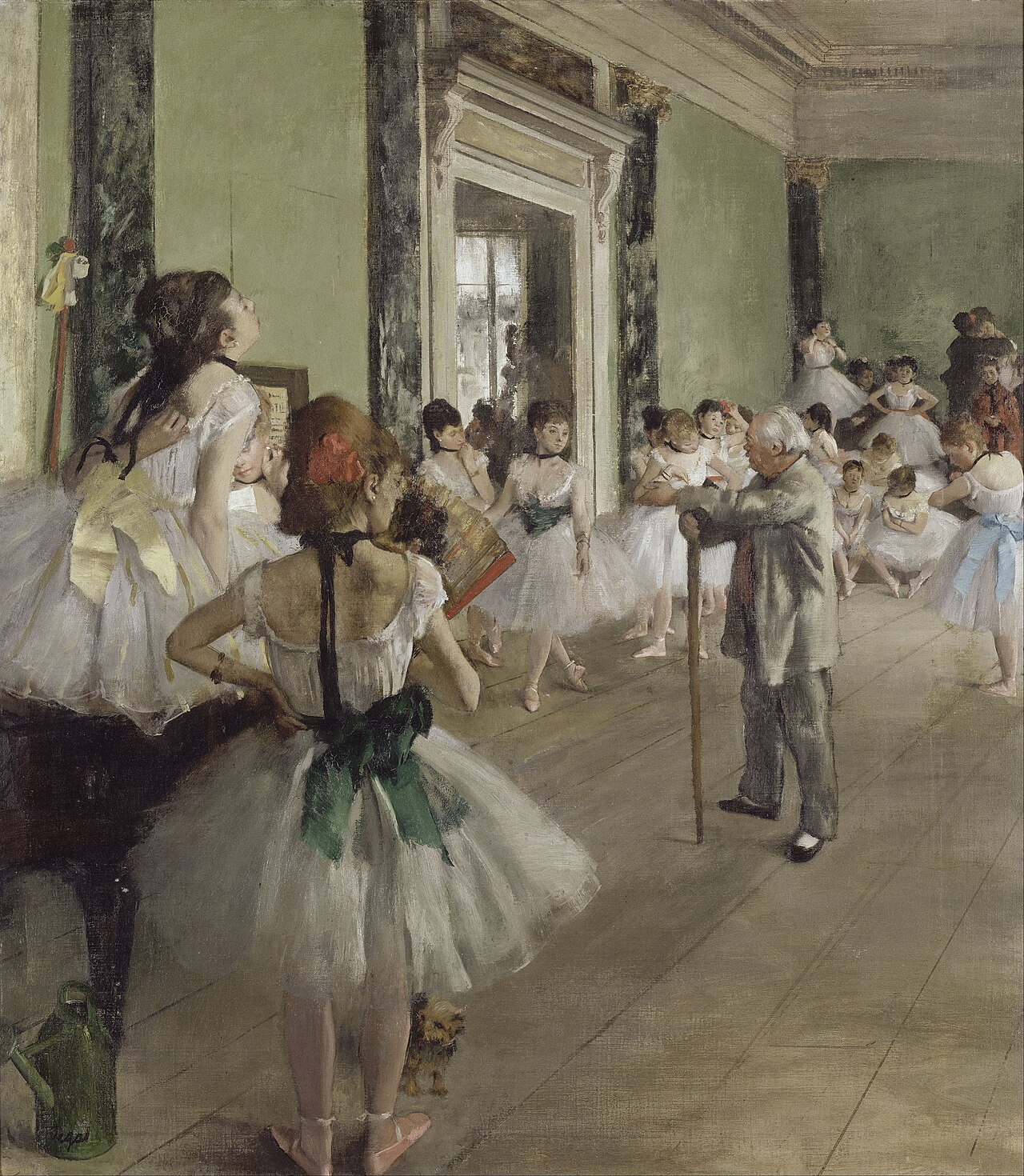
The Dance Class
Edgar Degas
public_domain
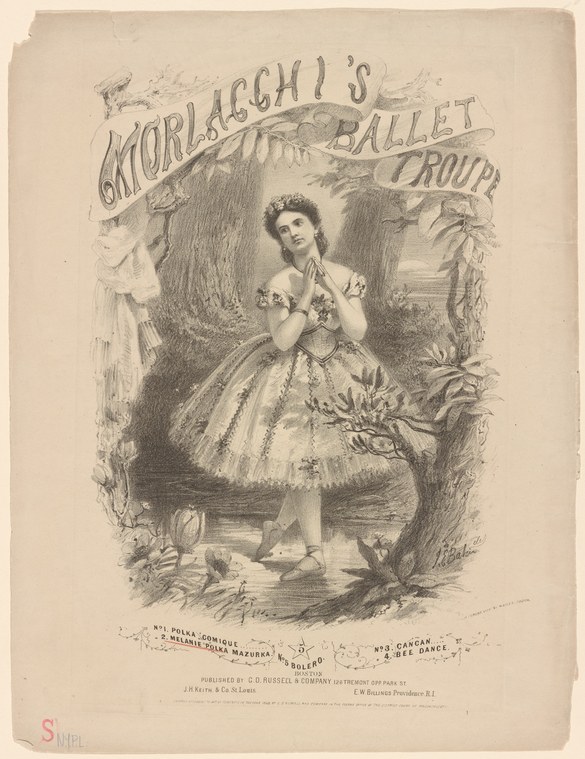
Morlacchi's Ballet Troupe
Unknown artist · 2019
public_domain
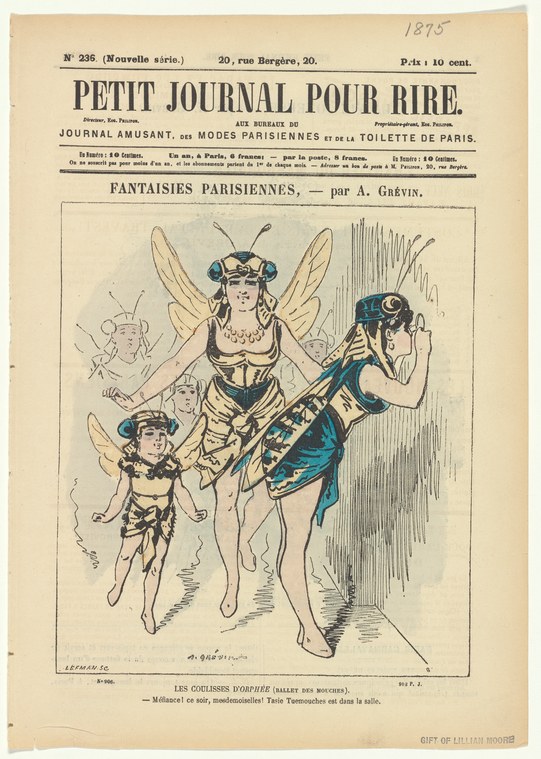
Dance cartoons
Unknown artist · 2019
public_domain
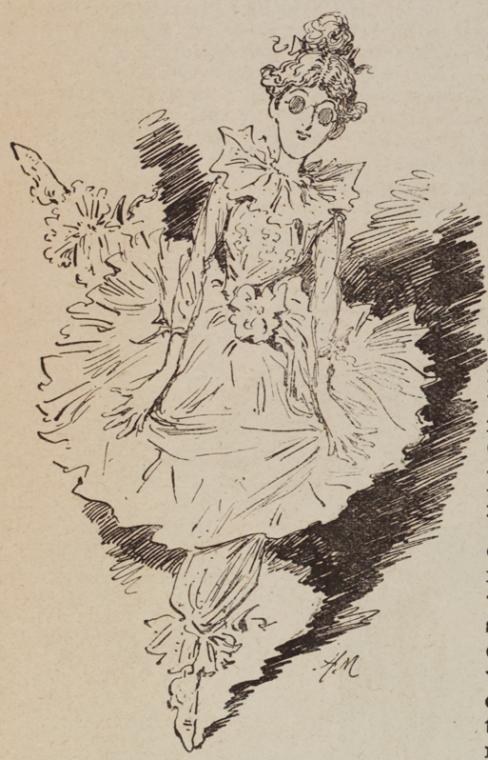
Ballet dancer
Unknown artist
public_domain
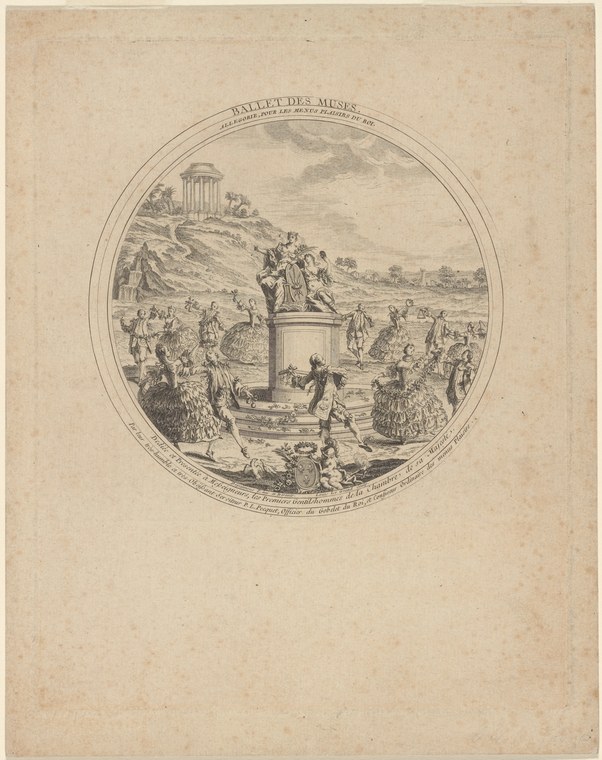
Ballet des muses
Unknown artist
public_domain
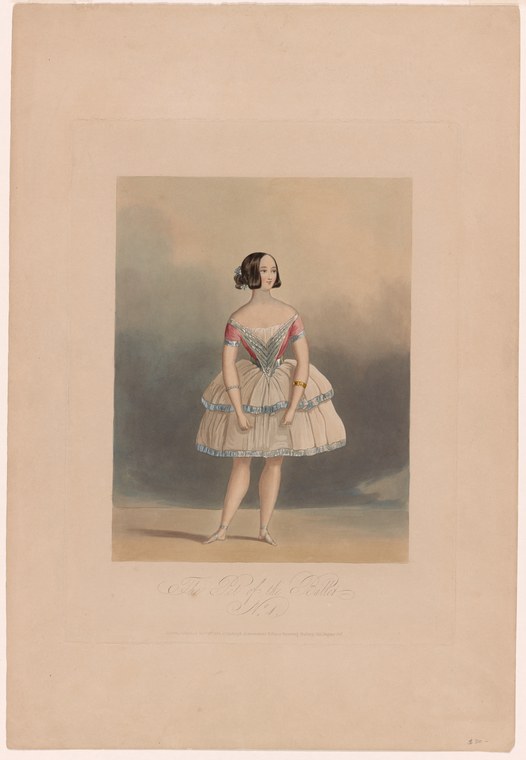
The Pet of the Ballet
Unknown artist · 2023
public_domain
Ballet des muses
Unknown artist · 2013
public_domain
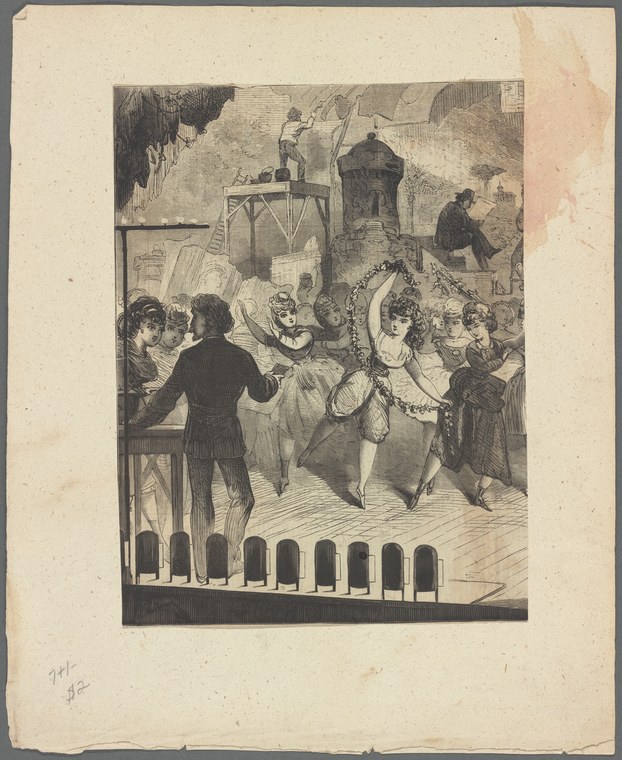
Ballet rehearsal onstage
Unknown artist
public_domain
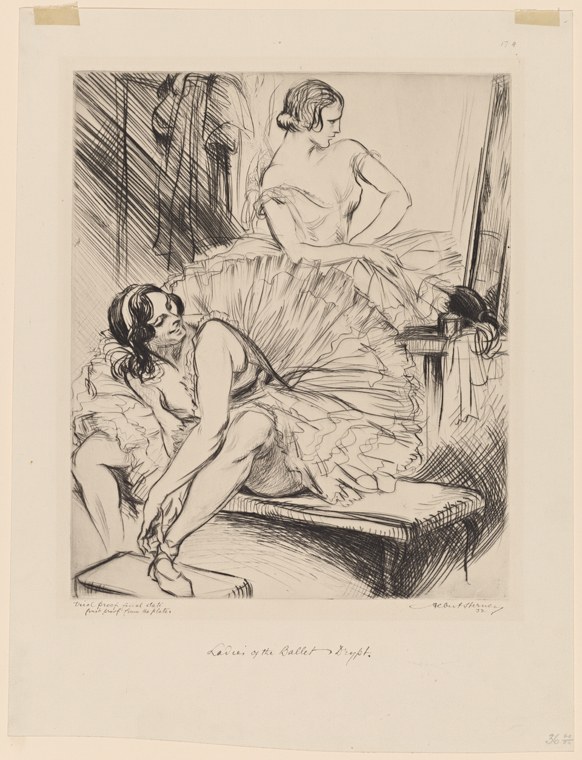
Ladies of the ballet
Unknown artist
public_domain
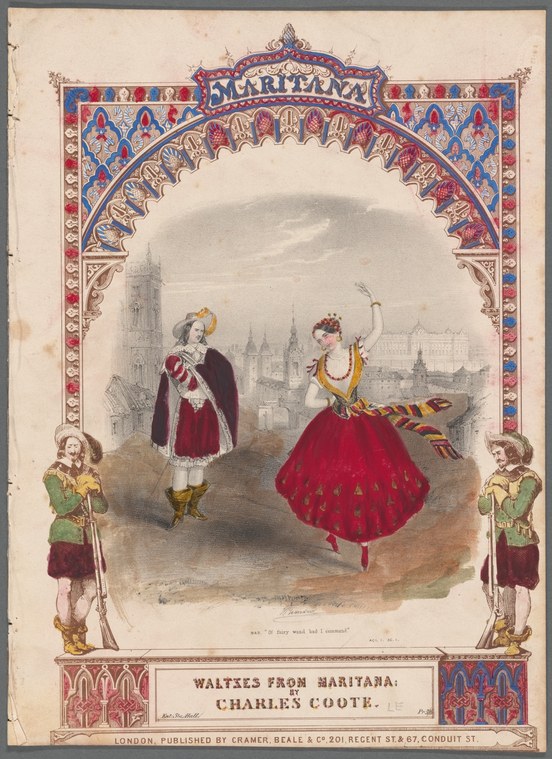
Waltzes from Maritana
Unknown artist
public_domain
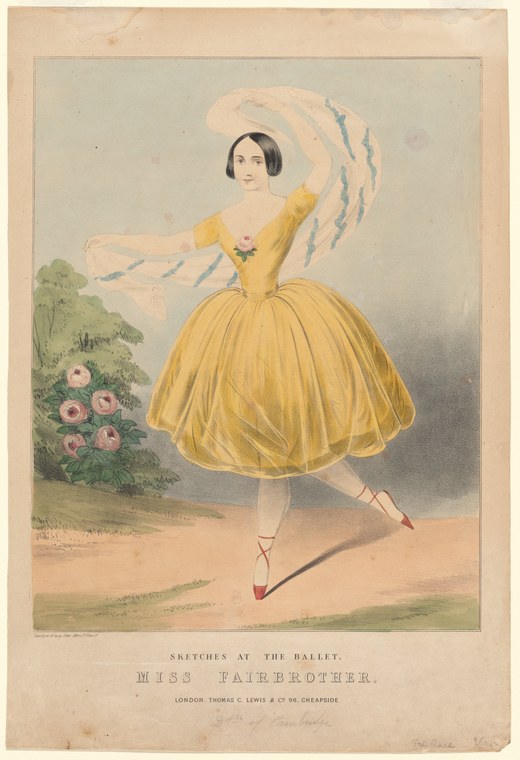
Sketches at the ballet
Unknown artist · 2019
public_domain
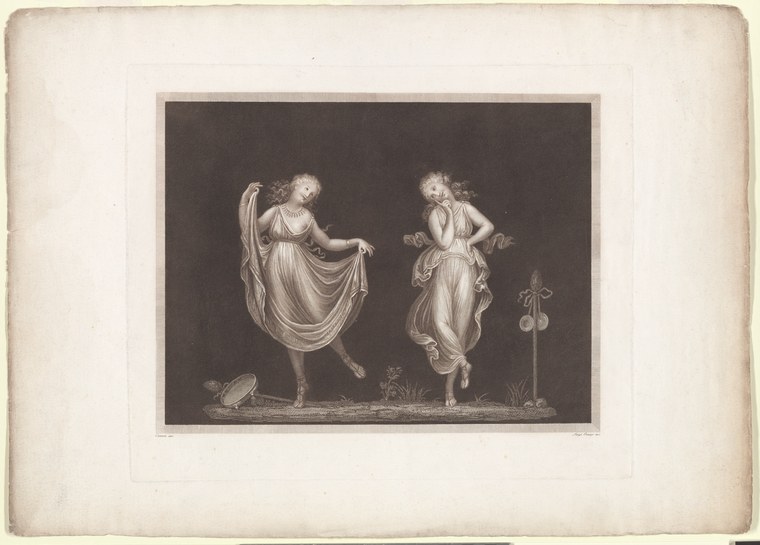
Ancient dancing
Unknown artist · 2019
public_domain