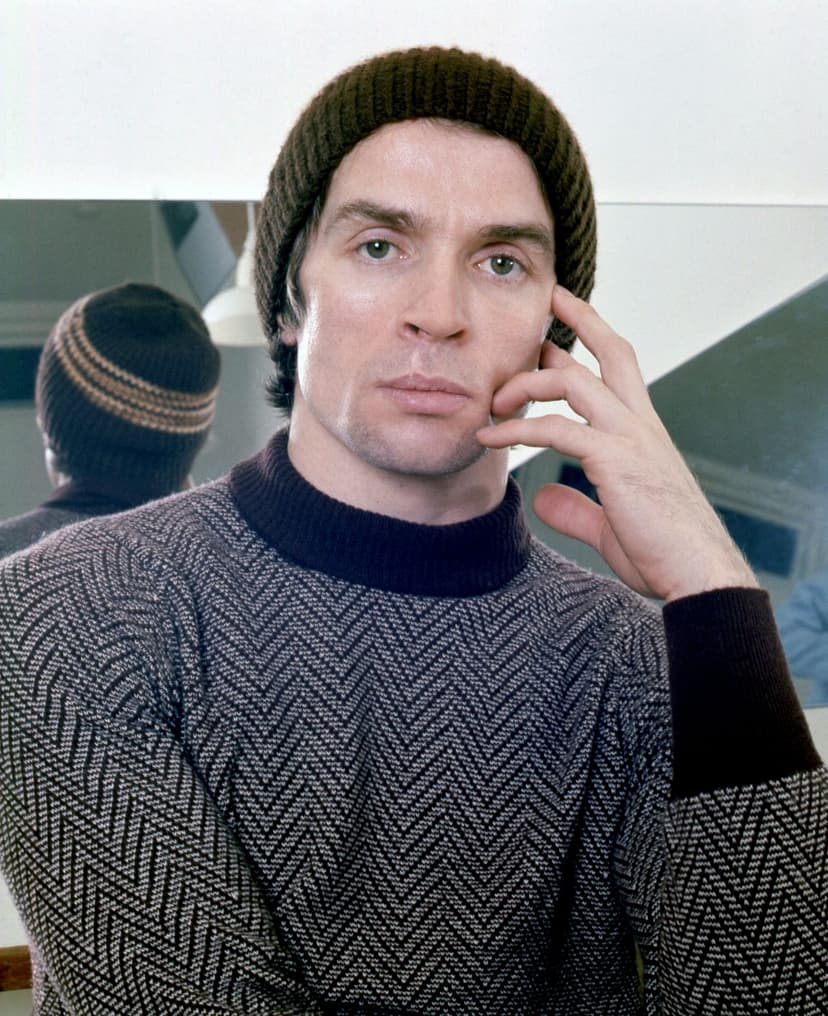
Performer · Stage Icon · Innovator
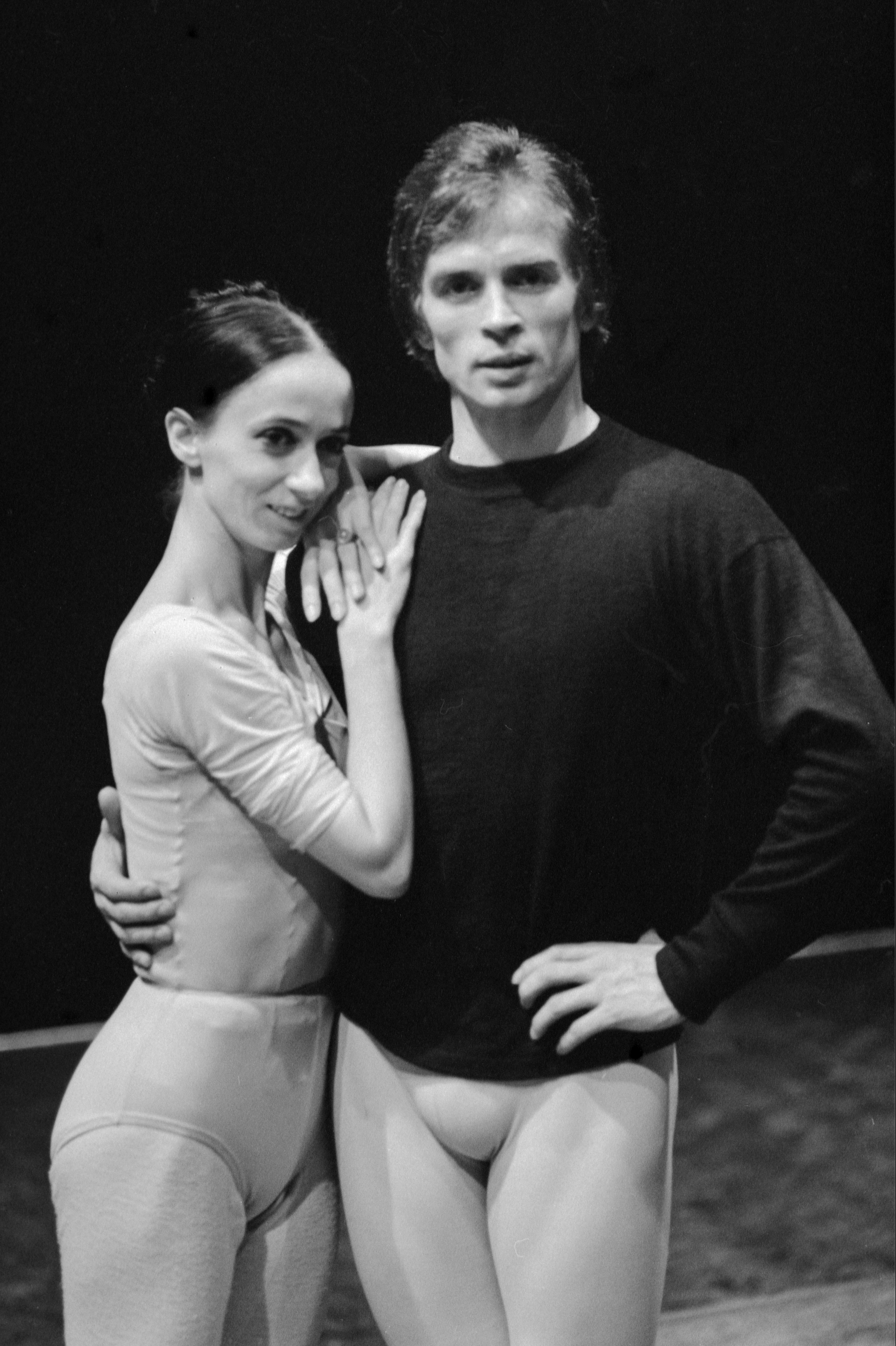
Rudolf Nureyev
Ballet's Fiery Rebel
Why They Matter
He elevated the role of the male dancer in ballet and brought volcanic intensity to classical partnerships.
Known For
Watch
Rudolf Nureyev’s Romeo & Juliet — trailer (English National Ballet)
A look at his acclaimed staging of Romeo and Juliet, still performed by English National Ballet — dense dancing and dramatic motivation in the Nureyev manner.
Romeo & Juliet: Dance of the Knights (English National Ballet)
The great ensemble set-piece from Nureyev’s production — his taste for theatrical scale and substantial work for men.
Learning Nureyev’s choreography in the studio
Dancers working through his classical choreography — a close look at the sharply articulated detail of his style.
ENB 70: Michael Coleman on working with Rudolf Nureyev
English National Ballet
A first-person institutional recollection of working with Nureyev, useful for contextualizing his rehearsal-room legacy.
Romeo & Juliet: James Streeter on Tybalt | Rudolf Nureyev | English National Ballet
English National Ballet
Explains a dancer's approach to Tybalt and helps separate dramatic characterization from pure step analysis.
Biography
Rudolf Khametovich Nureyev was born on March 17, 1938, aboard a Trans-Siberian train near Lake Baikal, as his Tatar mother travelled to join his father. The family settled in Ufa, where a wartime childhood was materially hard; a 1945 performance at Ufa’s opera house gave him a decisive image of the life he wanted. He danced first in school and folk ensembles before local teachers urged him toward professional training in Leningrad.
He arrived late by elite-ballet standards, entering the Vaganova Academy in 1955 to study with Alexander Pushkin. At his 1958 graduation he partnered Alla Sizova in the Le Corsaire pas de deux and joined the Kirov Ballet as a soloist rather than serving a long corps apprenticeship — an unusually fast ascent that reflected both his stage force and his hunger to learn.
The hinge of his life came on the Kirov’s 1961 Paris tour: on June 16, at Le Bourget airport, rather than board the flight home to the Soviet Union, he requested political asylum from French authorities. Stateless for the next two decades (he took Austrian nationality in 1982), he soon met the Danish star Erik Bruhn, whose artistry he revered, and in 1962 went to Copenhagen to study the Bournonville style with him.
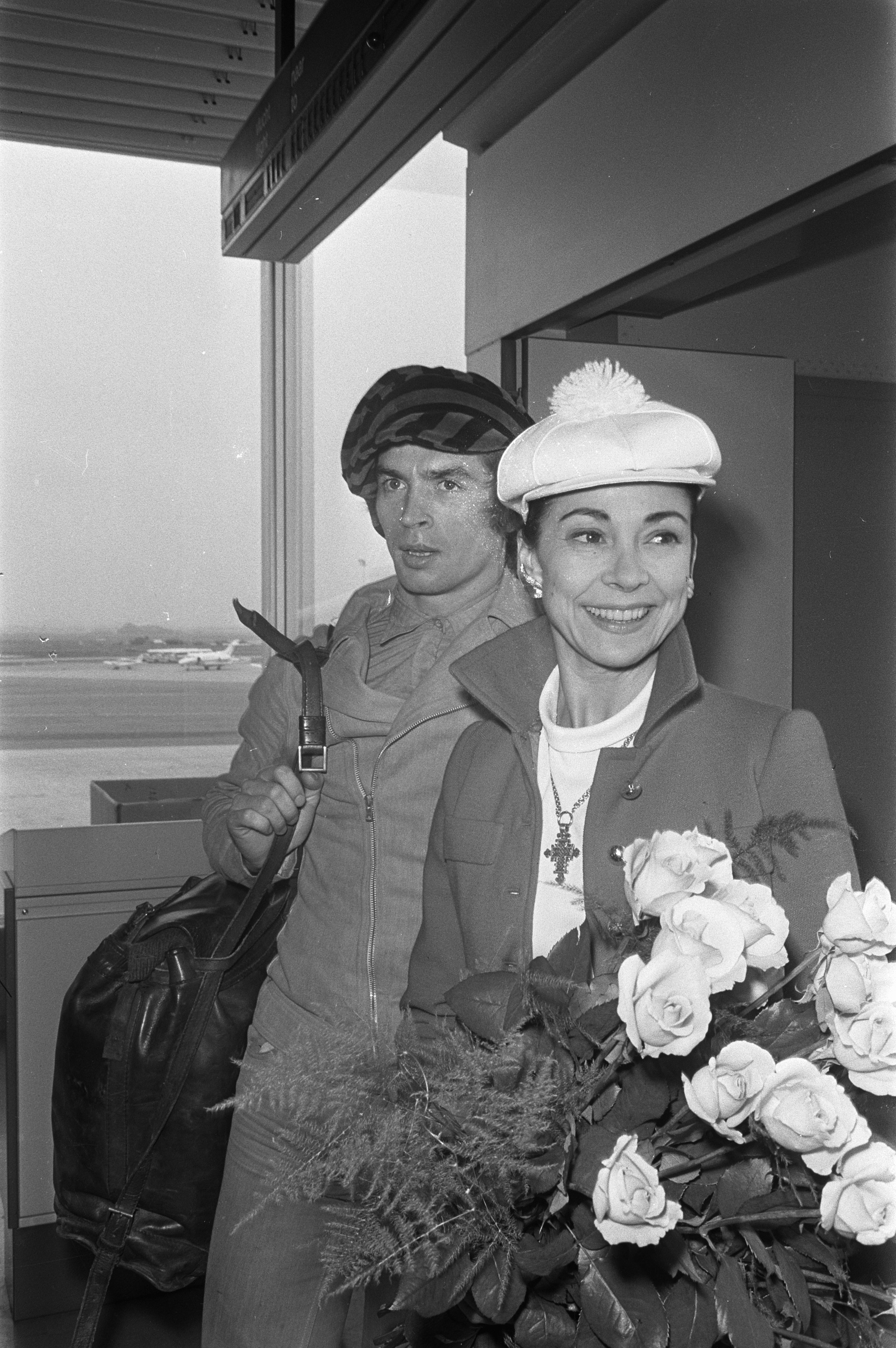
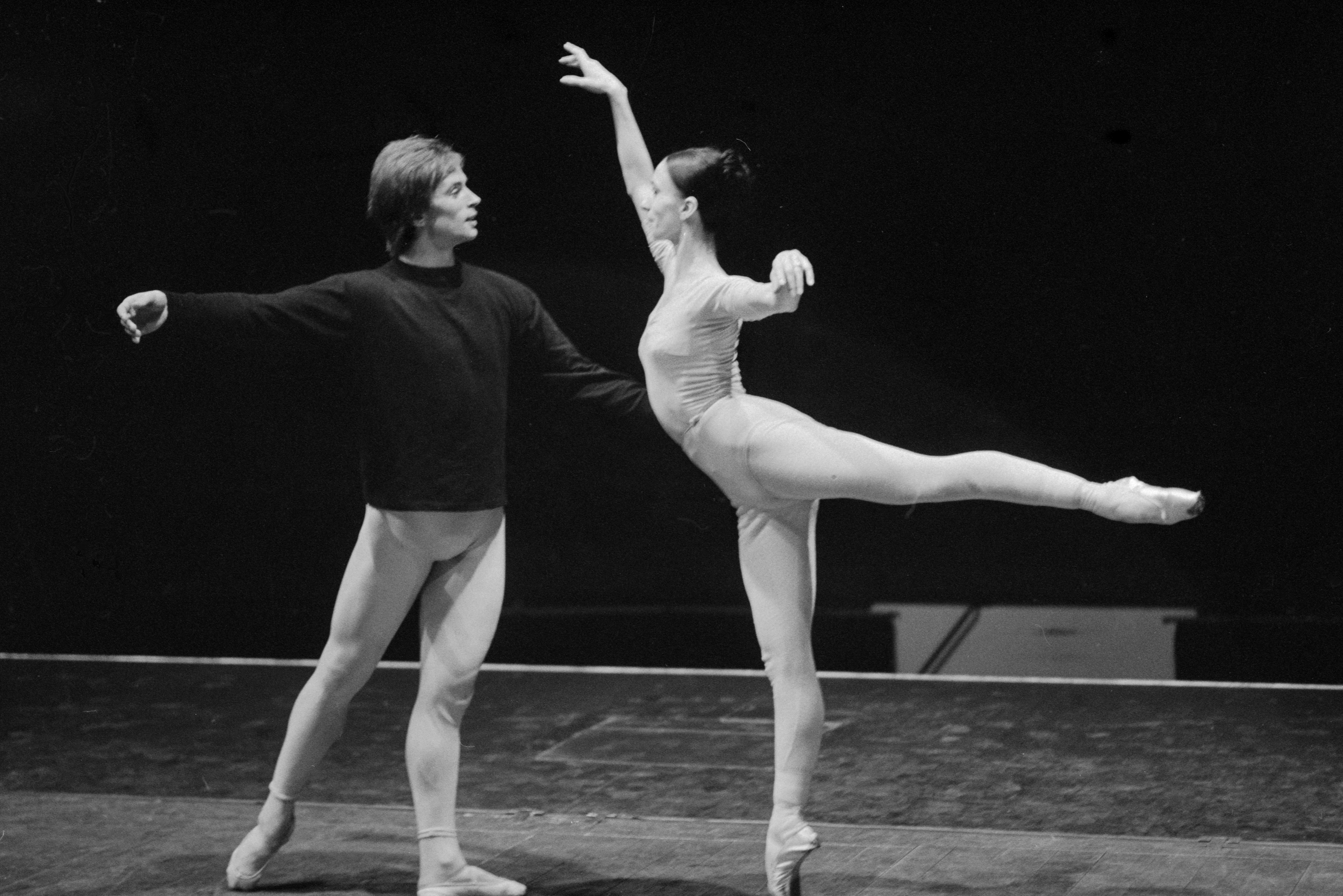
London became an artistic home. In February 1962 he danced Giselle with Margot Fonteyn at Covent Garden, beginning a Royal Ballet partnership that ran through 1977 — she bringing refinement and dramatic poise, he urgency, risk and momentum; Frederick Ashton created Marguerite and Armand for them in 1963. Nureyev refused to be contained by one company, working across repertories associated with Ashton, MacMillan, Balanchine, Béjart, van Dantzig, Tetley and Martha Graham.
He became a determined producer of ballets, repeatedly revisiting the Petipa-era classics — Swan Lake, Raymonda, Don Quixote, The Nutcracker, La Bayadère — expanding the male roles and treating the prince as a dramatic protagonist rather than merely a partner, alongside original works like Tancredi and his own Romeo and Juliet. His versions are interpretive stagings, not neutral reconstructions, marked by dense dancing, psychological motivation, and substantial work for men and ensembles.
From 1983 to 1989 he directed the Paris Opera Ballet, widening its repertory, inviting contemporary choreographers, advancing young dancers, and returning the company to major touring; Paris still performs his productions. In 1989 he was allowed to return to the Kirov stage to dance La Sylphide. As illness narrowed his dancing he turned to conducting; his final production, a three-act La Bayadère after Petipa, premiered at the Palais Garnier in October 1992, and he died near Paris on January 6, 1993, at 54.
Career Highlights
Entered the Vaganova Academy in Leningrad, studying with Alexander Pushkin.
Graduated in the Le Corsaire pas de deux with Alla Sizova and joined the Kirov Ballet as a soloist.
Made his Palais Garnier debut on the Kirov tour and requested political asylum at Le Bourget on June 16.
First danced Giselle with Margot Fonteyn at Covent Garden, beginning his Royal Ballet partnership.
Frederick Ashton created Marguerite and Armand for Fonteyn and Nureyev.
Staged a revised Raymonda and a new Swan Lake for the Vienna State Opera.
Created Tancredi in Vienna, his first wholly original choreography.
Obtained Austrian nationality, ending more than two decades of statelessness.
Became Dance Director of the Paris Opera Ballet (through 1989). Paris Opera tribute
Returned to the Kirov stage in Leningrad to dance La Sylphide.
Premiered his final production, La Bayadère, at the Palais Garnier on October 8.
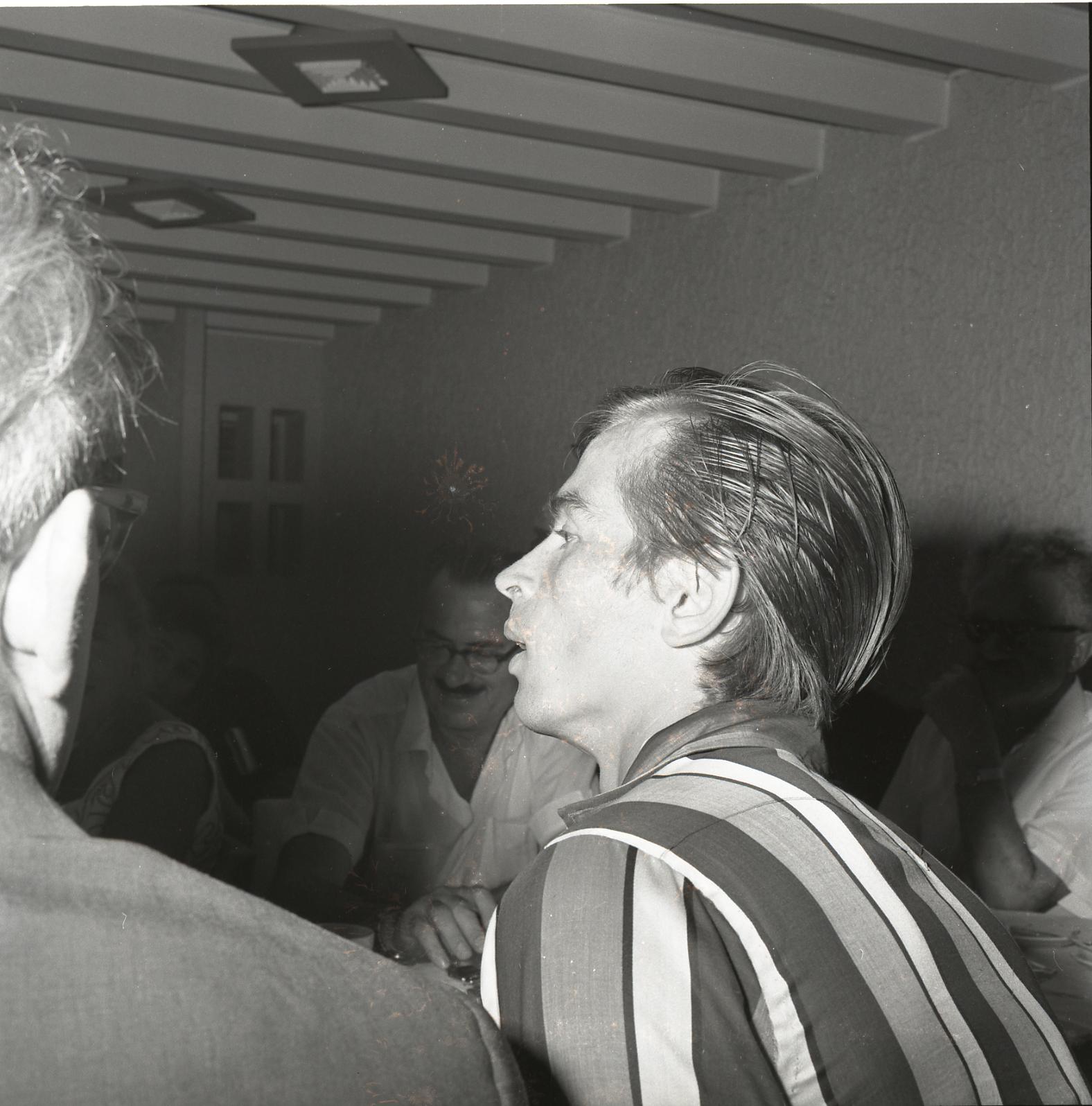
Follow & Links
Legacy & Impact
Nureyev matters because he joined virtuosity, dramatic hunger and celebrity without treating ballet as a museum object. His example raised expectations for male dancing in the West; his appetite for guest work linked companies and traditions; and his productions gave princes, male soloists and ensembles far more choreographic agency. The continuing presence of his Swan Lake, Don Quixote, Romeo and Juliet, The Nutcracker and La Bayadère in major repertories keeps his legacy tangible — as does the Paris Opera Ballet generation he helped form. He is best described not with empty superlatives but as one of the most influential and celebrated male ballet dancers of the twentieth century.


Explore More Legends
Discover the dancers, teachers, choreographers, and cultural icons who shaped how the world moves.
Keep the thread going
Dance history, technique, and the occasional rabbit hole — in your inbox. Thoughtful, infrequent, unsubscribe anytime.
Free. No spam. One click to leave.