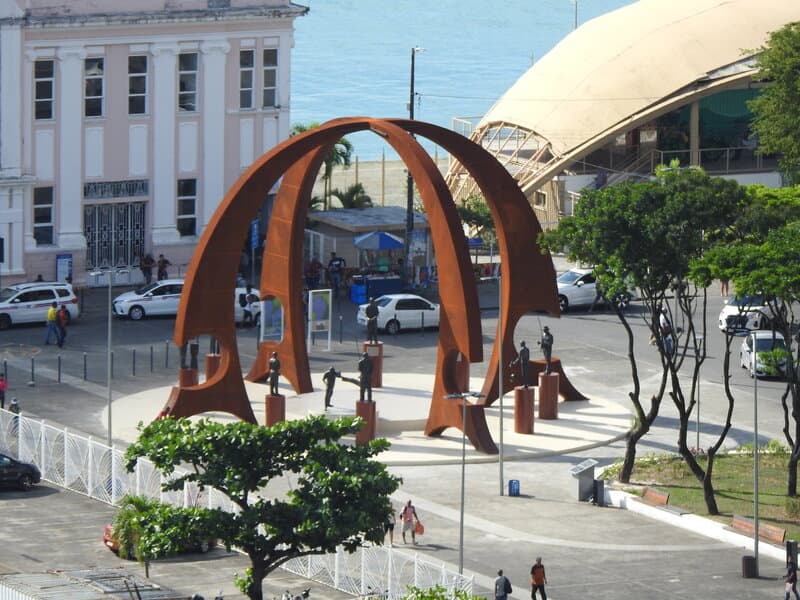
Cultural Preserver · Teacher · Community Builder
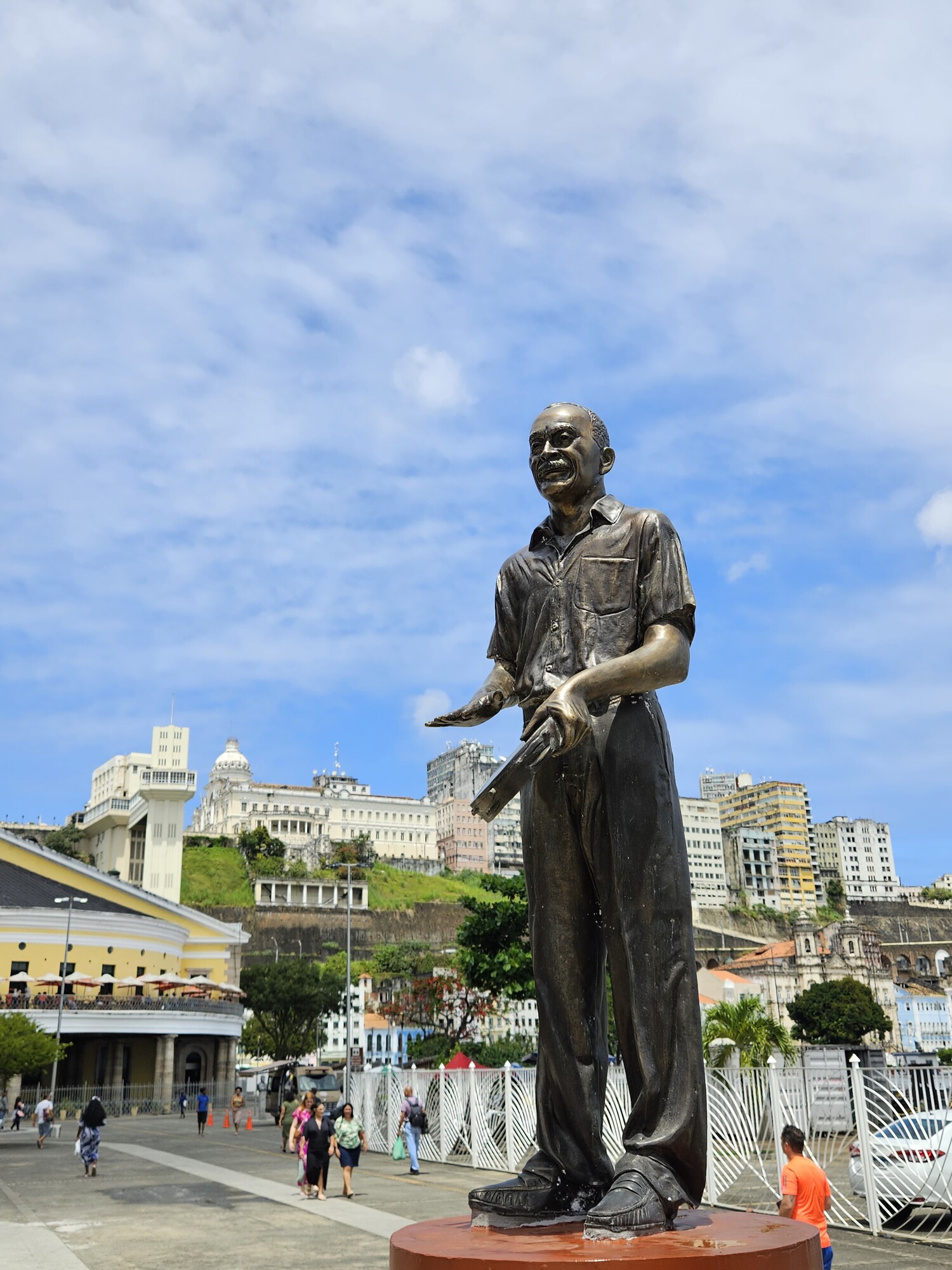
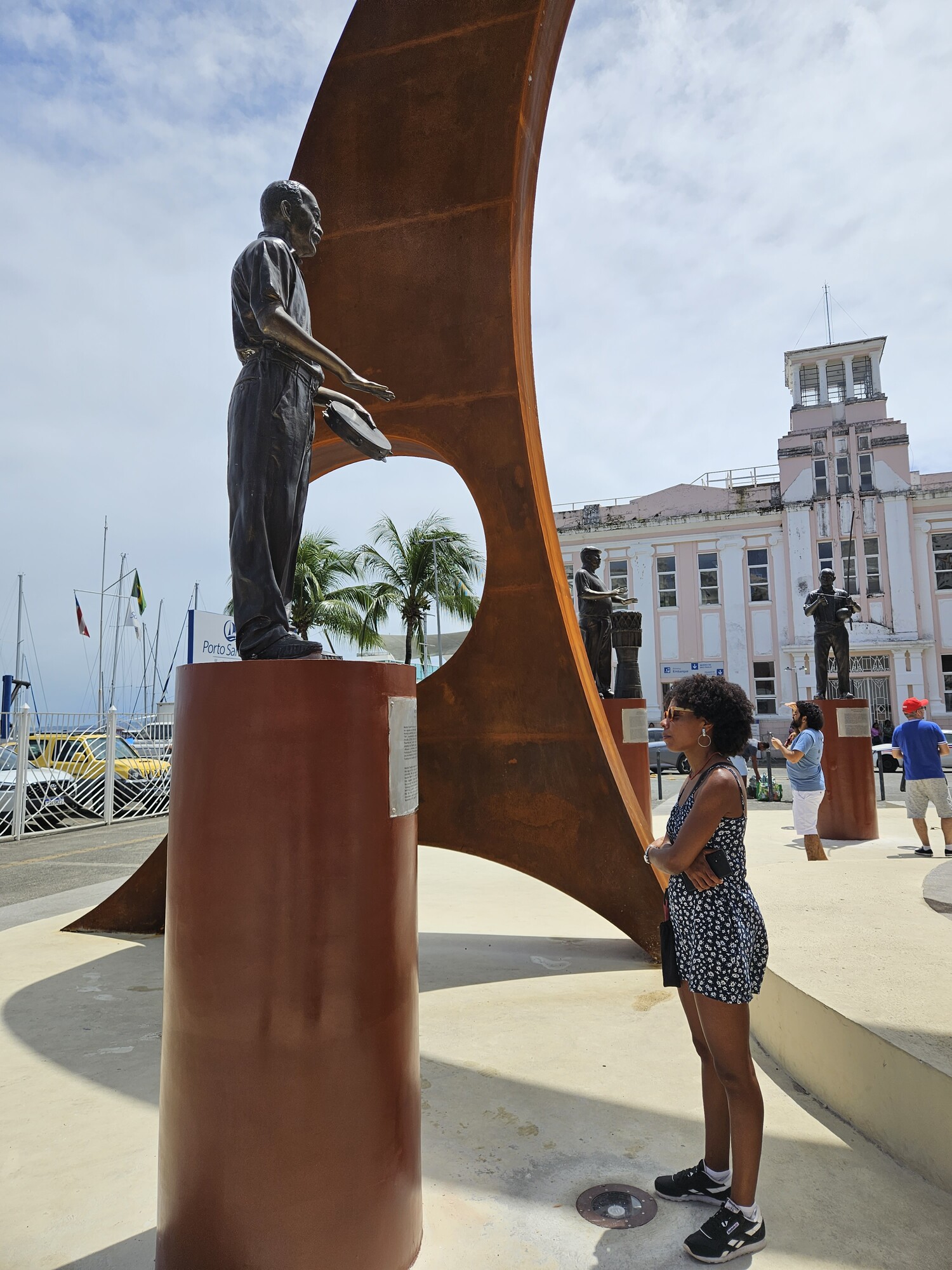
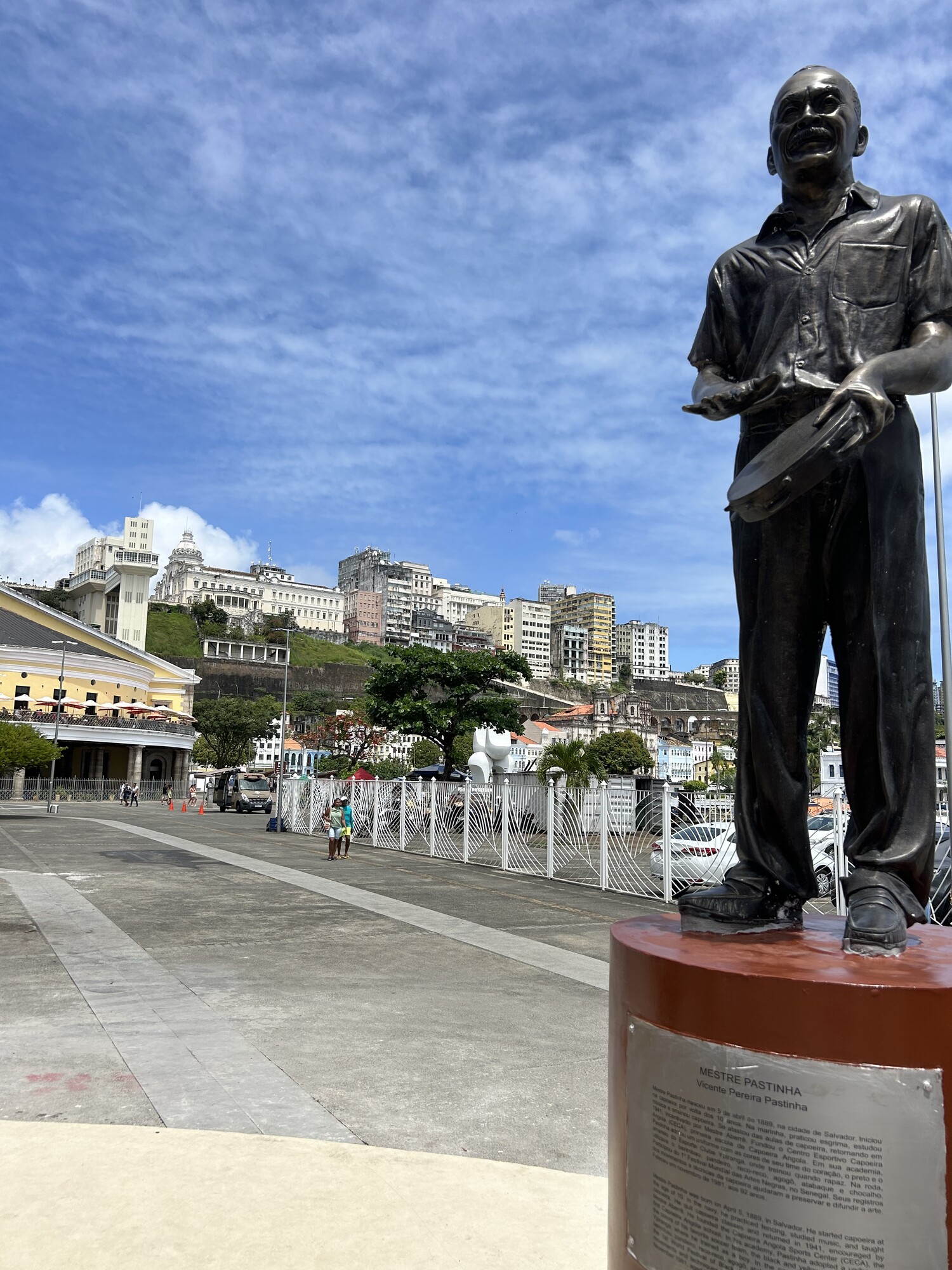
Mestre Pastinha
Guardian of Capoeira Angola
“Capoeira is for men, women, and children. The only ones who don't learn it are those who don't want to.”
Why They Matter
He ensured that the original African-rooted tradition of capoeira was not lost to modernization, preserving the movement vocabulary, rituals, and philosophy that connect the art to its Afro-Brazilian origins.
Known For
Watch
MESTRE PASTINHA, REI DA CAPOEIRA | DOCUMENTÁRIO
TVE Bahia
First-party broadcaster documentary combining archive material and interviews
MASTER PASTINHA, THE KING OF CAPOEIRA | DOCUMENTARY (ENGLISH SUBTITLES)
TVE Bahia
Makes the TVE Bahia documentary accessible to English-speaking readers
PASTINHA! A LIFE FOR CAPOEIRA - ENGLISH SUBTITLES
Toninho Muricy
Feature documentary from the film's director/uploader with testimony and historical footage
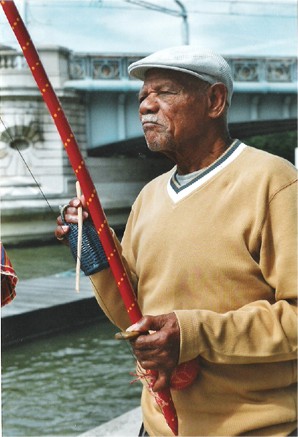
Capoeira circle
UNESCO
Authoritative context for UNESCO's 2014 inscription of the collective Capoeira Circle
Roda de Capoeira - Patrimonio Cultural Imaterial da Humanidade
IPHAN RJ
Brazilian heritage context for the roda and the work of capoeira mestres
Unesco reconhece as tradicionais rodas de capoeira como patrimônio cultural imaterial da humanidade
TV Brasil
Contemporary reporting on the 2014 UNESCO decision and its collective scope
Biography
Vicente Ferreira Pastinha was born in Salvador, Bahia, on 5 April 1889, the son of a Spanish merchant and a Bahian woman who had been enslaved. By his own account, he began learning capoeira around age ten after an African man named Benedito saw him repeatedly bullied and taught him through observation and participation rather than formal instruction. In 1902 Pastinha entered Bahia's naval-apprentice school, where he studied fencing and music and reportedly taught capoeira to fellow apprentices. He left the service around age twenty and spent roughly two decades in various occupations—shoeshining, newspaper selling, mining, port construction—during the era when capoeira remained criminalized and its practitioners subject to policing.
Pastinha's decisive return to capoeira came through the circle of older practitioners associated with Gengibirra in Salvador's Liberdade district. In 1941 he took leadership of the Centro Esportivo de Capoeira Angola, or CECA, giving Capoeira Angola a highly visible institutional home. He established defined teaching roles for advanced practitioners, musicians, instructors, contramestres and mestres; adopted yellow shirts and black trousers associated with the Ypiranga football club; and placed music, singing, etiquette and ritual at the center of instruction. An ensemble of three berimbaus, two pandeiros, atabaque, agogô and reco-reco anchored his mature academy practice. His project did not preserve an untouched survival but rather translated distributed street and neighborhood practices into an academy while defending qualities he believed sportization could erase: play, malícia, beauty, continuity, individual expression and ethical responsibility.
Pastinha was also an author and recording artist. He published *Capoeira Angola* in 1964 from Salvador, a 78-page illustrated edition documenting the practice. A 1969 Philips LP, *Capoeira Angola*, credited to Mestre Pastinha e Sua Academia, recorded ladainhas, corridos and instrumental practice in long medleys and stands among the influential commercial capoeira albums of the 1960s. In April 1966 Pastinha led a Capoeira Angola group within Brazil's delegation to the first World Festival of Negro Arts in Dakar, Senegal—a journey that publicly connected Bahian capoeira with Africa and expanded CECA's symbolic reach at a moment when the academy was attracting artists, intellectuals, tourists and students.
The final decade of Pastinha's life brought material hardship. In 1971 the Pelourinho academy space was vacated during government-led work and was not returned to him. Contemporary newspaper records documented that by October 1971 Pastinha was already in difficulty. He lived with declining eyesight, illness and poverty while remaining a recognized authority in major Brazilian newspapers. Pastinha died in Salvador on 13 November 1981 at age ninety-two.
His teaching continued through students and through the broader Capoeira Angola community that was never confined to CECA. João Pequeno and João Grande became especially visible carriers of its lineages, while many other Bahian mestres maintained independent practices. The roda's transmission remained collective: mestre to learner, musician to singer, player to player. Pastinha's historical stature rests on how powerfully his academy, writings, recordings and public example articulated a way for Capoeira Angola to be practiced, taught and defended.
Career Highlights
Entered Bahia’s naval-apprentice school, where institutional biographies say he studied fencing and music and later reported teaching capoeira to colleagues.
Left naval service and entered a varied working life during the era in which capoeira remained criminalized.
Assumed leadership of the Centro Esportivo de Capoeira Angola in the Gengibirra milieu and began building the institution associated with his name.
Established CECA’s mature academy identity, including defined teaching roles, black-and-yellow uniforms and a strongly musical, ritualized roda.
Published Capoeira Angola in Salvador; the CNFCP catalogue records a 78-page illustrated edition.
Led a Capoeira Angola group in Brazil’s delegation to the first World Festival of Negro Arts in Dakar.
Released the Philips LP Capoeira Angola with his academy, documenting sung and instrumental capoeira practice.
Lost use of CECA’s famous Pelourinho premises amid government-led redevelopment; a contemporary newspaper record documents his hardship that October.
Continued to be profiled in major Brazilian newspapers as a living authority on capoeira despite ill health and material hardship.
Died in Salvador on 13 November at age ninety-two.
Brazil’s IPHAN registered the Roda de Capoeira and the Ofício dos Mestres de Capoeira as national intangible cultural heritage; this was recognition of collective practices, not a personal award to Pastinha.
UNESCO inscribed the Capoeira Circle on the Representative List of the Intangible Cultural Heritage of Humanity, extending global recognition to the living communal form Pastinha had helped make visible.
Gallery
Legacy & Impact
Pastinha demonstrated that institutionalization need not reduce capoeira to competitive technique alone. CECA became a durable model for teaching a practice in which movement, music, strategy, memory, social conduct and theatrical play are inseparable. His writings and recordings created rare first-person and sonic records of the tradition, while his students carried identifiable pedagogical lineages far beyond Salvador. His influence extended globally through the students and communities he inspired, and the collective practices he helped make visible were recognized in Brazil's 2008 IPHAN registration of the Roda de Capoeira and the Ofício dos Mestres, and in UNESCO's 2014 inscription of the Capoeira Circle on the Representative List of Intangible Cultural Heritage of Humanity.


Explore More Legends
Discover the dancers, teachers, choreographers, and cultural icons who shaped how the world moves.
Keep the thread going
Dance history, technique, and the occasional rabbit hole — in your inbox. Thoughtful, infrequent, unsubscribe anytime.
Free. No spam. One click to leave.