Partnership Icon · Popularizer · Social Dance Icon · Innovator
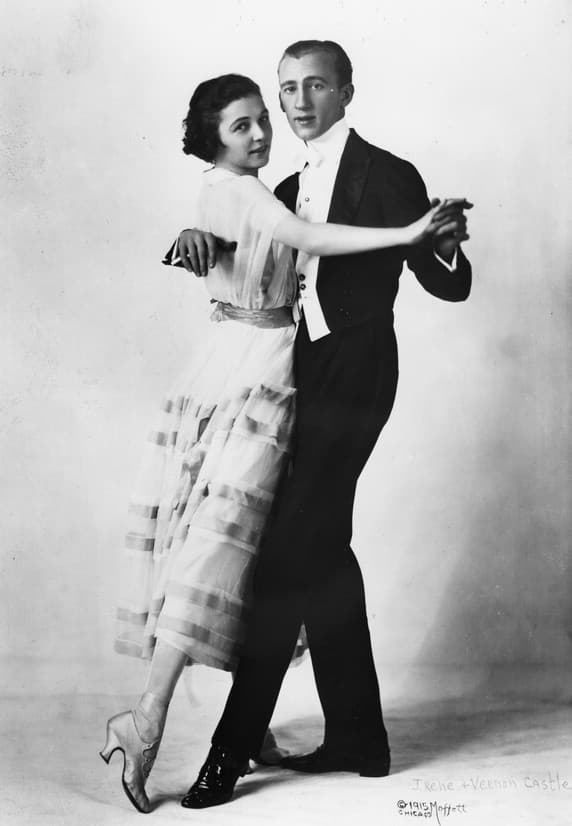
Vernon & Irene Castle
The Couple Who Made America Dance
Why They Matter
They made social partner dance respectable and fashionable in America, transforming it from a lower-class pastime to an upper-class pursuit.
Known For
Styles Vernon & Irene Castle shaped
Each one links to the style’s own page — its origins, music, tempo and video.
Biography
Vernon Castle was born William Vernon Blyth in Norwich, Norfolk, in 1887. A British vaudeville performer trained in comedy, singing, dance, and conjuring, he came to New York in the early twentieth century and built a career in theatrical entertainment. Irene Foote, born in New Rochelle, New York, in 1893, grew up surrounded by amateur theatricals. The two met in 1910 and married on 28 May 1911 in New Rochelle, beginning a partnership that was at once domestic and professional. Irene entered the stage world through Vernon, but their shared dance act quickly became the work that transformed both their lives.
After an initial theatrical engagement took them to France, the couple found an audience for fashionable American ragtime dances in Paris and nearby resort venues. When they returned to the United States in 1912, they arrived with the social prestige of European success. In clubs, private lessons, vaudeville, and Broadway appearances, they presented partner dancing as upright, controlled, and socially respectable. Their fame helped remove some of the moral stigma that reformers had attached to close dancing, even while the act repackaged movement and music whose roots lay well beyond elite white ballrooms.
The indispensable musical collaborator in that ascent was the Black bandleader and composer James Reese Europe. Europe became the Castles' musical director; his Society Orchestra supplied the rhythmic precision and distinctive sound for their dancing, and recordings such as "Castle House Rag" carried the partnership beyond the stage. The Castles' celebrity opened high-status venues and recording opportunities to Europe, but the exchange was not equal: publicity often centered the white dancers while obscuring the Black musicians and vernacular sources that powered the craze.
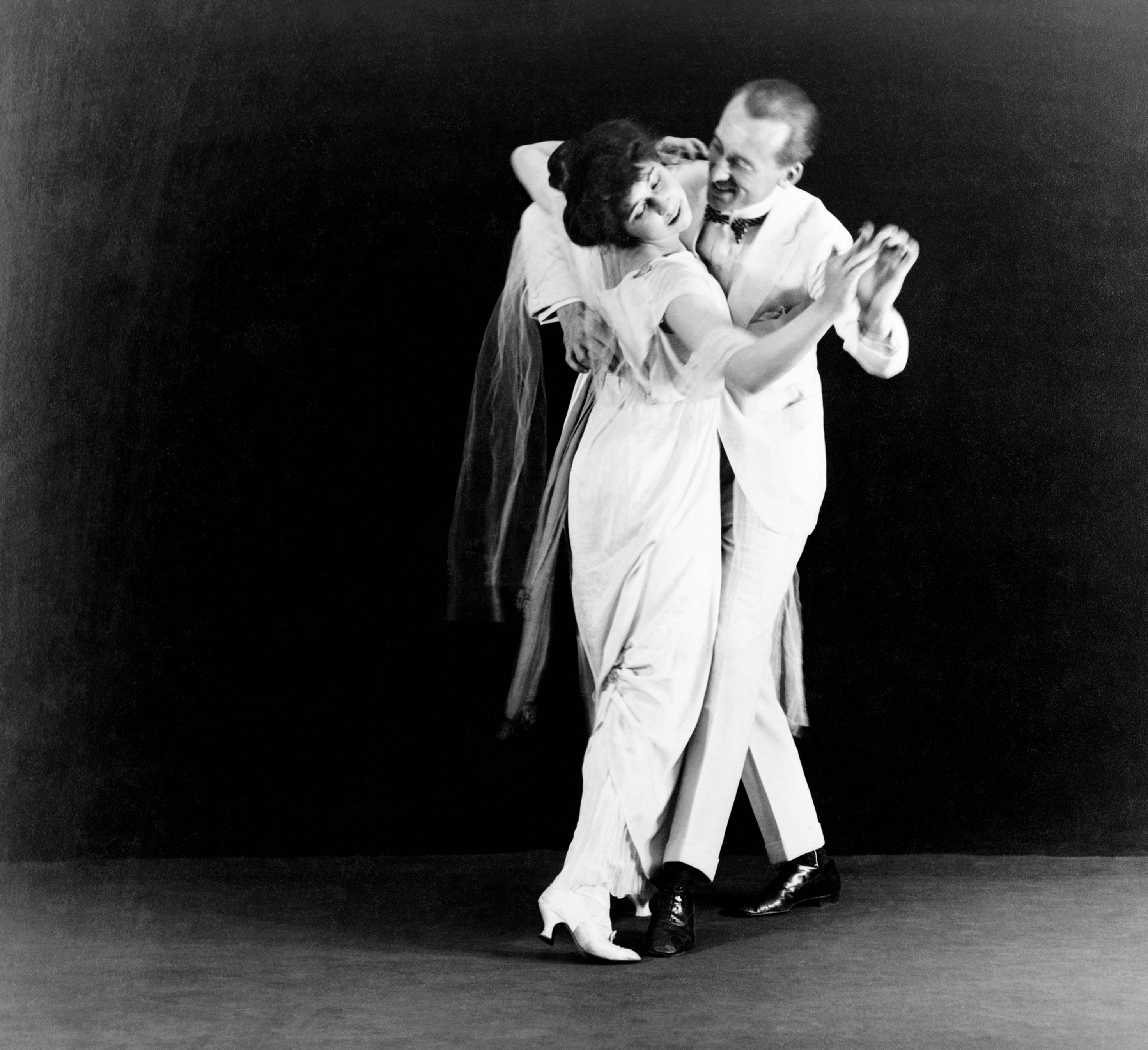
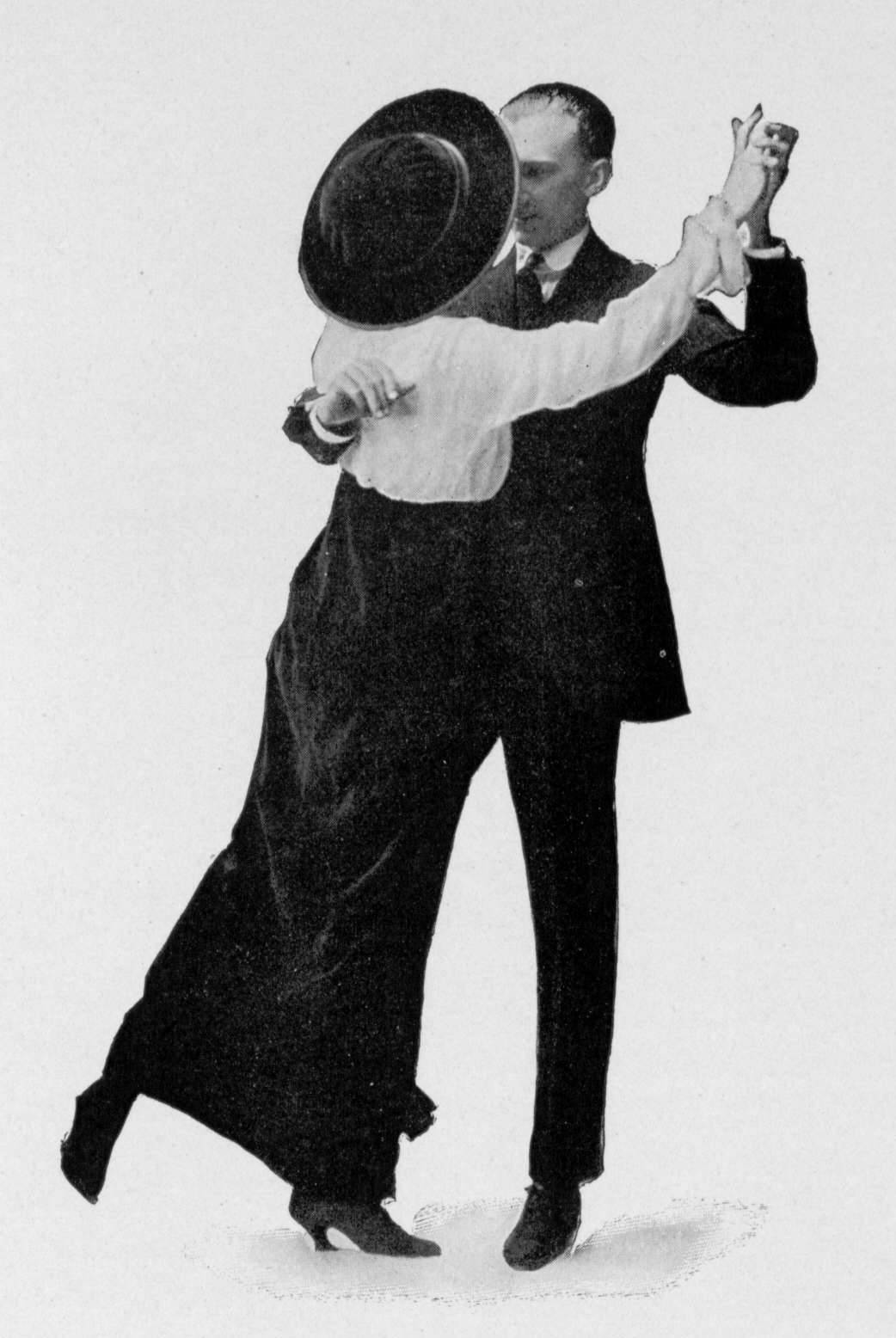
By 1913–1915, the Castles had built a cross-media enterprise. Their ventures included Castle House, a New York dance school; stage work including *The Sunshine Girl* and Irving Berlin's *Watch Your Step*; the 1914 instruction book *Modern Dancing*; and the 1915 silent feature *The Whirl of Life*. They became strongly associated with the Castle Walk, one-step, tango, maxixe, hesitation waltz, and foxtrot. They refined, codified, demonstrated, and popularized these forms. Claims that they single-handedly invented any of these dances collapse complicated histories that involved multiple performers and Black vernacular sources.
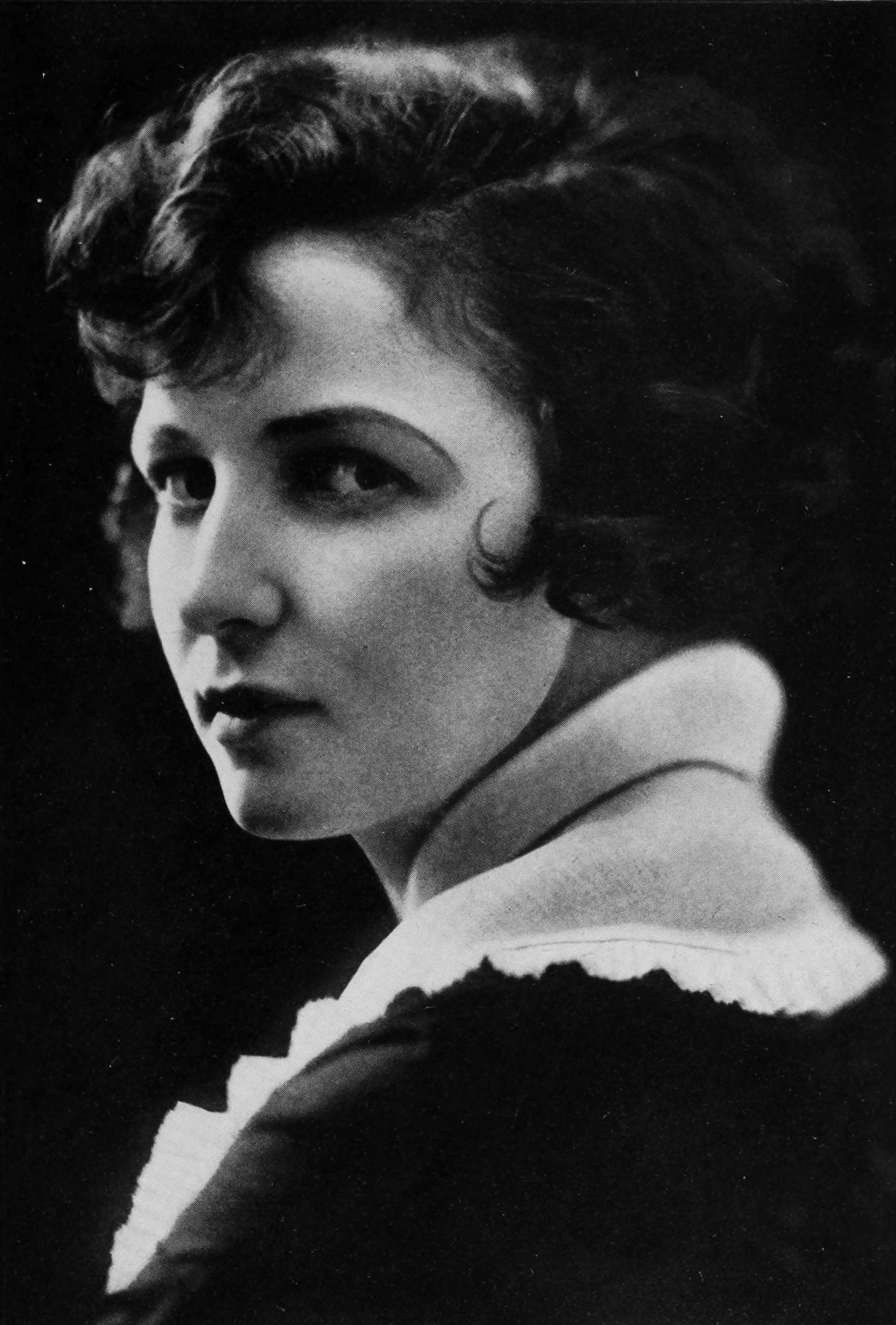
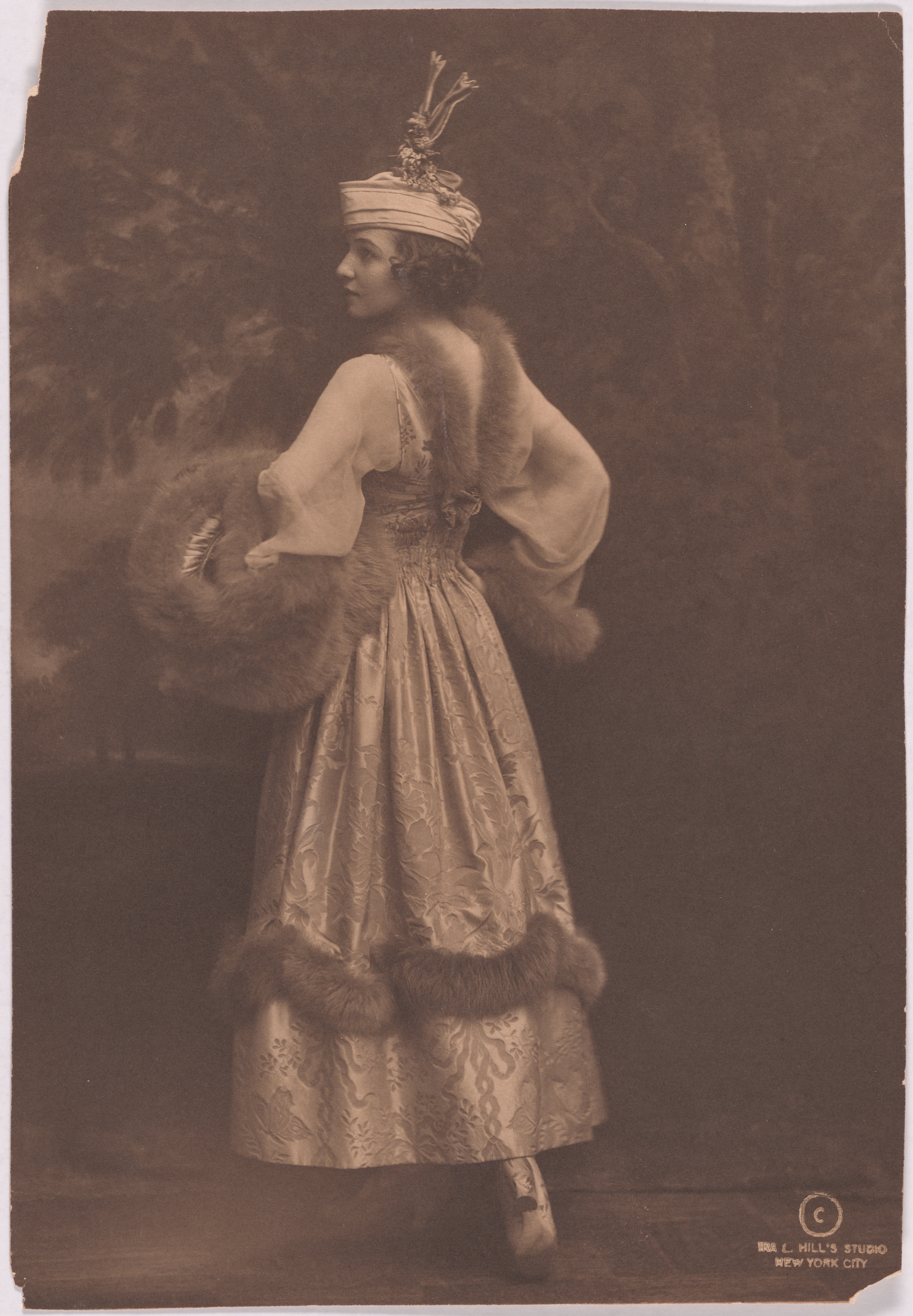
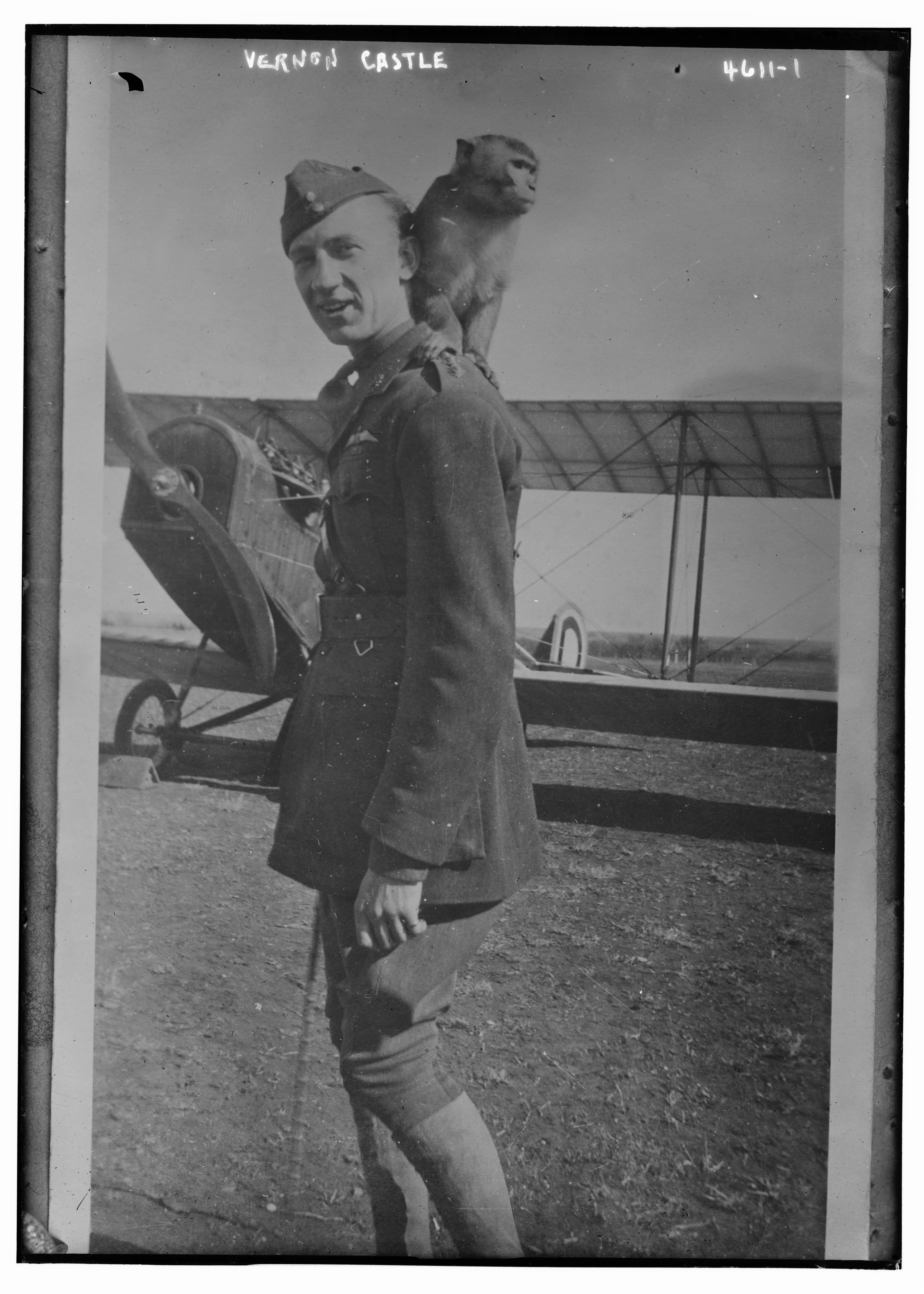
The act also turned Irene into a fashion authority. Her short hair, loose corseting, flowing dresses, and visible dance wardrobe were reproduced in photographs and magazines, making movement style and consumer style reinforce one another. During the First World War, Vernon left the stage and joined the Royal Flying Corps. After operational service he became an instructor. On 15 February 1918, while flying with a cadet near Benbrook, Texas, he took emergency action to avoid another aircraft; the plane crashed and he died from his injuries.
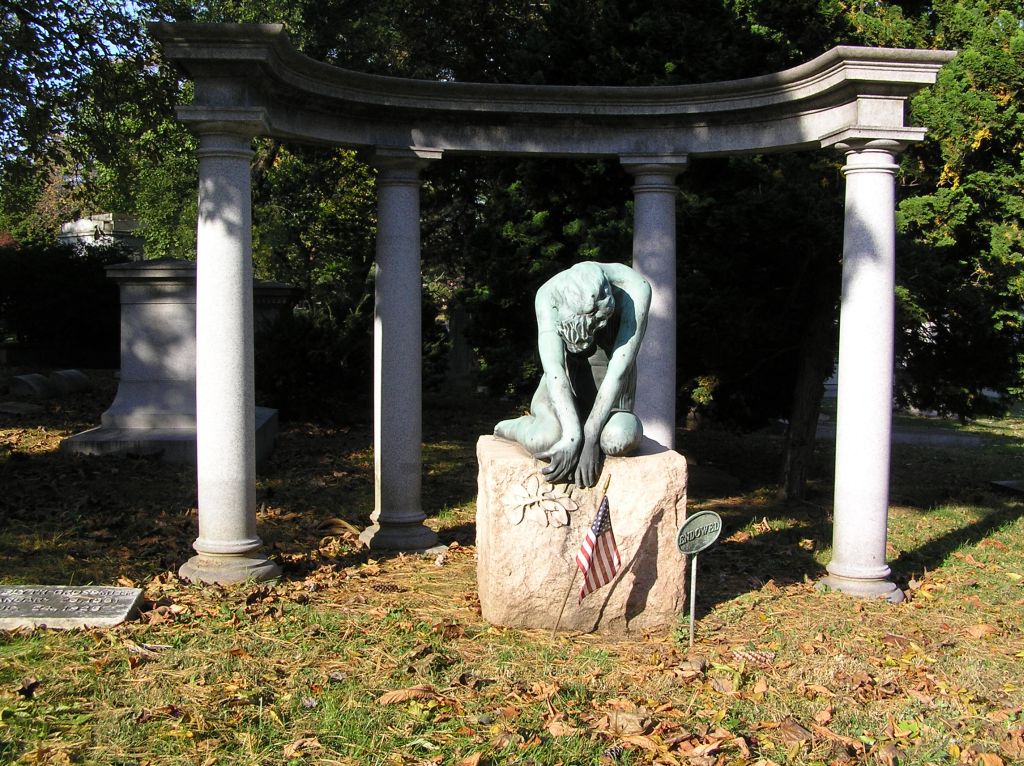
Irene continued in silent films, including the serial *Patria*, and later married Robert E. Treman, Frederic McLaughlin, and George Enzinger. She advised on the 1939 Astaire–Rogers film *The Story of Vernon and Irene Castle* but objected to its fictionalization. Her later public identity centered increasingly on animal welfare. She helped establish Orphans of the Storm in Illinois and maintained that this work mattered more to her than celebrity. Irene died in Eureka Springs on 25 January 1969 and was buried beside Vernon at Woodlawn Cemetery in the Bronx.
Career Highlights
Irene Foote met the British vaudeville performer Vernon Castle, beginning the personal and professional partnership later documented by the Smithsonian. Smithsonian SOVA
Vernon and Irene married in New Rochelle on 28 May and soon traveled to France for stage work. Encyclopedia of Arkansas
Their success performing American ragtime dances in France helped prepare a celebrated return to the United States. Smithsonian SOVA
The Castles appeared in the Broadway musical The Sunshine Girl, while their teaching and club work expanded their influence over social dancing. IBDB
James Reese Europe became their musical director, and his Society Orchestra was integral to their performances and recorded dance repertory. Library of Congress
They published Modern Dancing, an illustrated manual covering the tango, one-step, hesitation waltz, and maxixe. Library of Congress
Europe’s Society Orchestra recorded “Castle House Rag,” a landmark document of the Castles–Europe collaboration. Library of Congress National Recording Preservation Board
The Castles were featured in Irving Berlin’s Watch Your Step, a major platform for their ballroom style and the foxtrot craze. NYPL research catalog
The Whirl of Life, a semi-biographical silent feature starring the couple, premiered in October. New York Public Library
Vernon left the stage for Royal Flying Corps service, later serving as a flight instructor in Canada and Texas. Deseronto Archives
Vernon died in a training crash near Benbrook, Texas, on 15 February. City of Benbrook
Irene advised the Astaire–Rogers biographical film The Story of Vernon and Irene Castle, while objecting to its fictional departures. Encyclopedia of Arkansas
Gallery
Legacy & Impact
The Castles matter because they helped turn social dancing into a modern media system in which live exhibition, instruction, nightclub culture, fashion, sheet music, recorded sound, publishing, Broadway, and film all amplified one another. Their poised partnership supplied an influential model of couple dancing and helped normalize ragtime-era movement for middle- and upper-class audiences. That achievement should be narrated alongside its limits: their fame depended on Black musical innovation and on vernacular dances whose originators were less visible and less rewarded. James Reese Europe's authorship and leadership are therefore part of the legacy, not a supporting detail.


Explore More Legends
Discover the dancers, teachers, choreographers, and cultural icons who shaped how the world moves.
Keep the thread going
Dance history, technique, and the occasional rabbit hole — in your inbox. Thoughtful, infrequent, unsubscribe anytime.
Free. No spam. One click to leave.