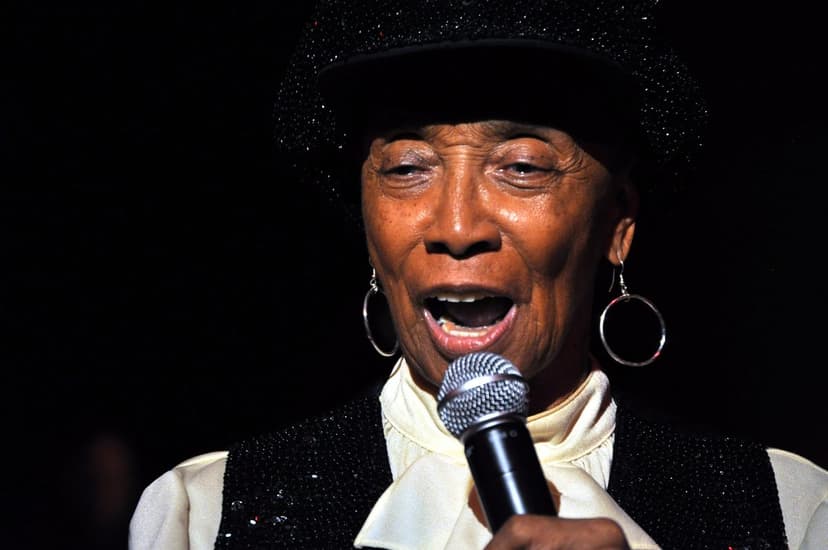
Performer · Cultural Preserver · Social Dance Icon · Community Builder
Norma Miller
Queen of Swing
Why They Matter
She was a living link to the original Savoy Ballroom era and tirelessly advocated for swing dance recognition throughout her life.
Styles Norma Miller shaped
Each one links to the style’s own page — its origins, music, tempo and video.
Watch
Help Mark Norma Miller's Place in Jazz History!
Frankie Manning Foundation
First-party foundation account of Miller's centenary and memorial project
Interview with Norma Miller by LaTasha Barnes
Yehoodi / Frankie Manning Foundation collaborator
Extended first-person interview conducted by dancer and educator LaTasha Barnes at Herräng in 2016
Thank You Message from Norma Miller
Frankie Manning Foundation
Short first-person message that conveys Miller's public voice and connection to the swing community
Frankie Manning Media Archive: A Night at the Village Gate
Frankie Manning Foundation
Shows Miller performing with Billy Ricker, Al Minns and Frankie Manning in an authorized foundation archive context
ILHC 2020: Norma Miller Headstone Unveiling
Frankie Manning Foundation / International Lindy Hop Championships
Documents the community's memorialization of Miller and includes an original song associated with her
Frankie in His Own Words — Hellzapoppin
Frankie Manning Foundation
Provides first-party foundation context for Manning's choreography and the credit history of the famous sequence
Biography
Norma Adele Miller was born in Harlem on 2 December 1919 to parents from Barbados. Her father died before her birth, and her mother supported Norma and her older sister through domestic work. When the family lived near the Savoy Ballroom, the young Miller watched dancers from a fire escape and practiced what she saw. She was noticed dancing outside the Savoy around age twelve, an origin story that would become central to swing history.
In 1934, after winning a contest with Sonny Ashby, Miller joined Herbert "Whitey" White's professional ensemble, Whitey's Lindy Hoppers, as its youngest member. The group transformed social movement from the Savoy into precision ensemble performance without erasing the improvisation, rhythmic individuality and competitive energy that shaped it on the ballroom floor. Miller was one of the creators of the acrobatic style of Lindy Hop—a form that emerged through a community of Black dancers, musicians and organizers rather than from a single inventor.
Film made Miller's dancing visible beyond the ballroom. She appeared with Whitey's dancers in the Marx Brothers feature *A Day at the Races* (1937) and in *Hellzapoppin'* (1941), where she danced in the celebrated Lindy Hop sequence choreographed by Frankie Manning. She also appears in the 1939 short *Keep Punchin'*, an important surviving record of ensemble vernacular jazz. These films document speed, ensemble timing and aerial performance, though their segregated production contexts and stereotyped servant costumes require historical framing.
After Whitey's troupe dissolved in the early 1940s, Miller became a producer and company leader. She formed the Norma Miller Dancers, produced her own Club Alabam show in Los Angeles and toured nationally and internationally. Later groups included Norma Miller and Her Jazzmen, with performers such as Billy Ricker and Chazz Young. In Las Vegas she expanded into stand-up comedy and worked with Redd Foxx, later appearing on *Sanford and Son* as both performer and choreographer. Her career moved through Black nightclub production, touring revues, television, comedy and dance rather than following a single institutional path.
From the 1980s onward Miller became a central voice in the international swing revival. She taught, coached, appeared at camps and festivals, and challenged new dancers to understand Lindy Hop as Black cultural history. Her interviews—including material in Ken Burns's *Jazz* and the PBS *American Masters* archive—preserved first-person accounts of the Savoy and the professional world of Whitey's company. Her memoir, *Swingin' at the Savoy*, written with Evette Jensen and published by Temple University Press in 1996, gave that oral authority a durable print form.
Recognition followed steadily. The World Swing Dance Council inducted Miller into its Hall of Fame in 2002. In 2003 the National Endowment for the Arts awarded her a National Heritage Fellowship, the United States government's highest honor in folk and traditional arts. The award recognized not only a long performing career but her work as a historian and transmitter of dance. Miller continued creating late in life. Working in Italy with the Billy Bros. Swing Orchestra, she recorded *A Swingin' Love Fest* in 2016, which included five songs written by Miller. She continued performing and teaching internationally into her late nineties. Miller died at her Fort Myers home on 5 May 2019, aged ninety-nine.
Career Highlights
Miller won a Savoy-area Lindy Hop contest and joined Whitey’s Lindy Hoppers as its youngest member.
She joined an extended European tour with Whitey’s dancers, according to the NEA and later biographical accounts.
She appeared with the Lindy Hoppers in the Marx Brothers film A Day at the Races.
She danced in the short known as Keep Punchin’ or The Big Apple, an important surviving record of ensemble vernacular jazz.
She appeared as a dancing cook in the celebrated Lindy Hop sequence in Hellzapoppin’.
After Whitey’s group disbanded, she formed the Norma Miller Dancers and produced a show at Club Alabam in Los Angeles.
Miller toured with her own ensembles, including Norma Miller and Her Jazzmen, and expanded into comedy and Las Vegas entertainment.
The NEA dates the beginning of her work with comedian Redd Foxx to this year.
She contributed to Debbie Allen’s television film Stompin’ at the Savoy; the precise on-screen and choreography credits require program-level confirmation.
Temple University Press published Swingin’ at the Savoy: The Memoir of a Jazz Dancer, written with Evette Jensen.
Miller received an NEA National Heritage Fellowship for her Lindy Hop artistry and historical stewardship.
She recorded A Swingin’ Love Fest with Italy’s Billy Bros. Swing Orchestra, including five self-written songs.
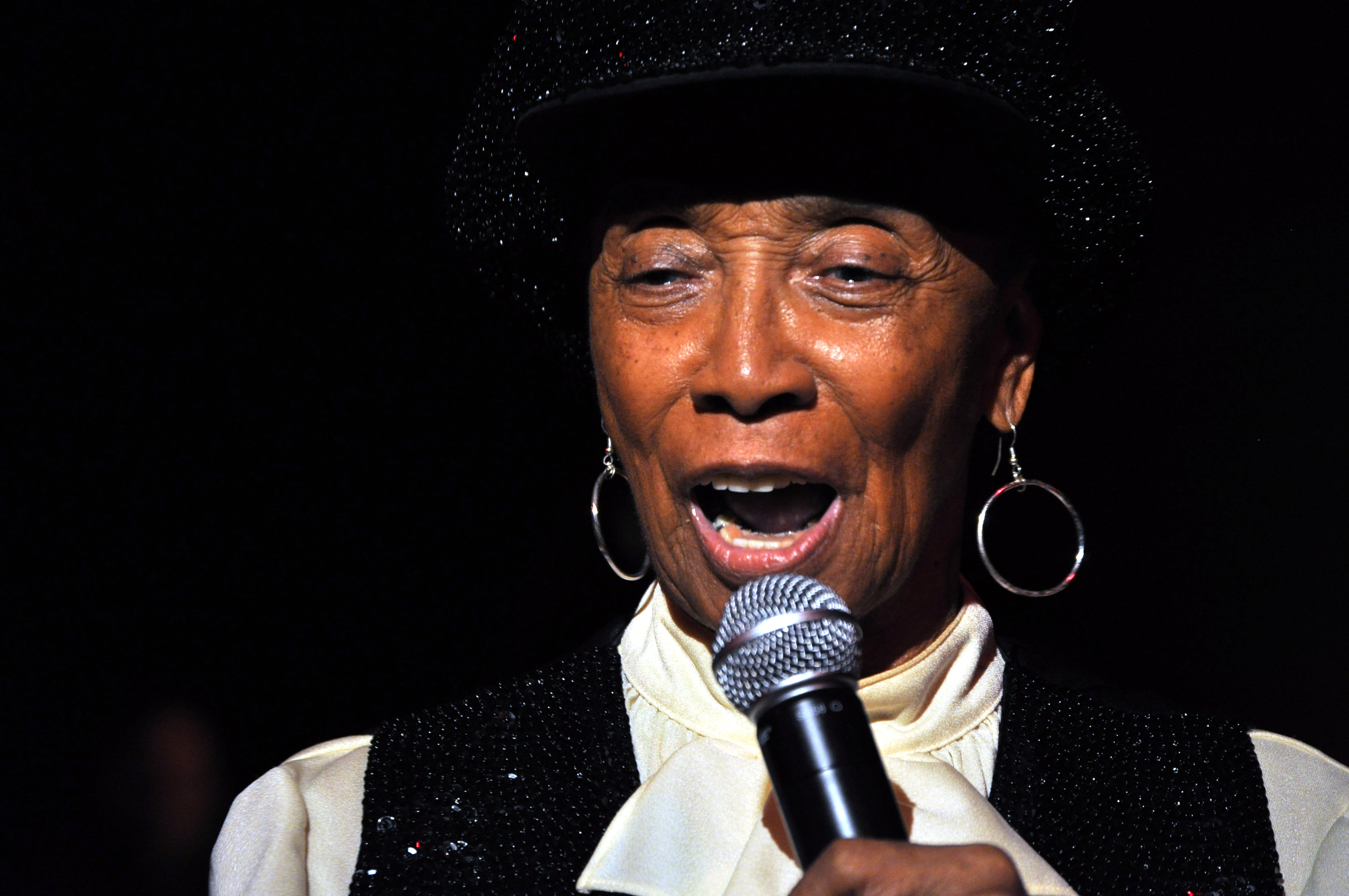
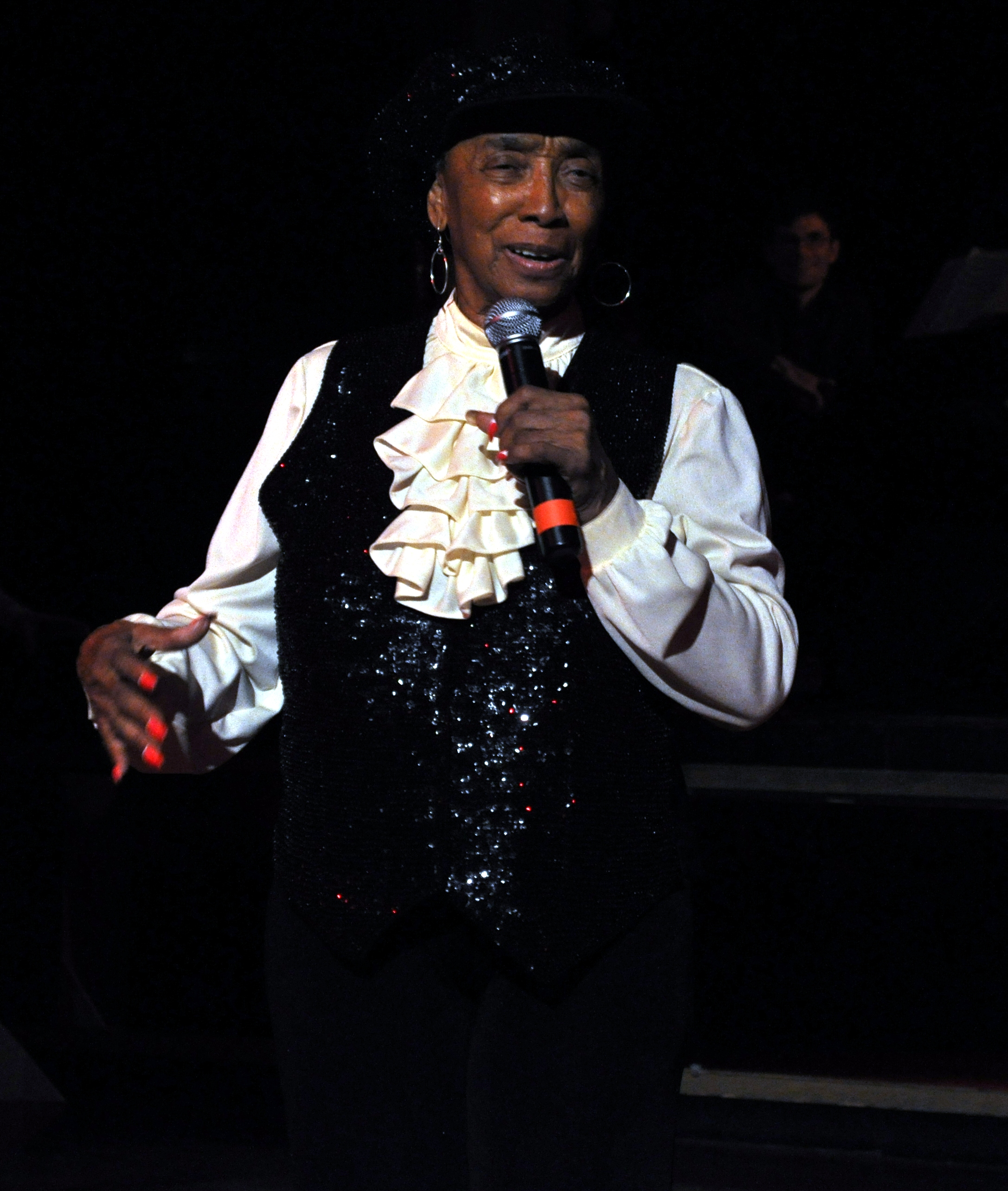
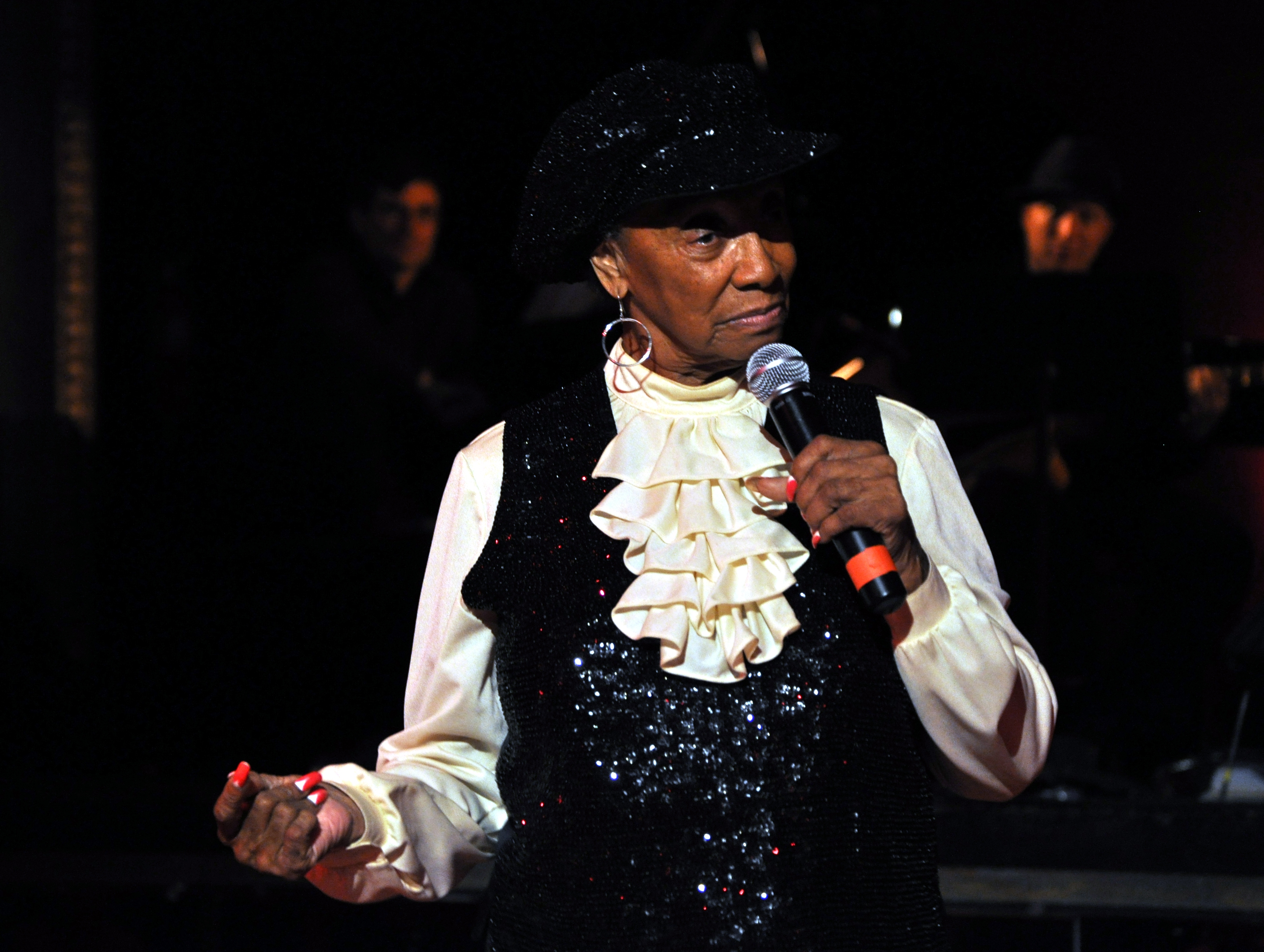
Gallery
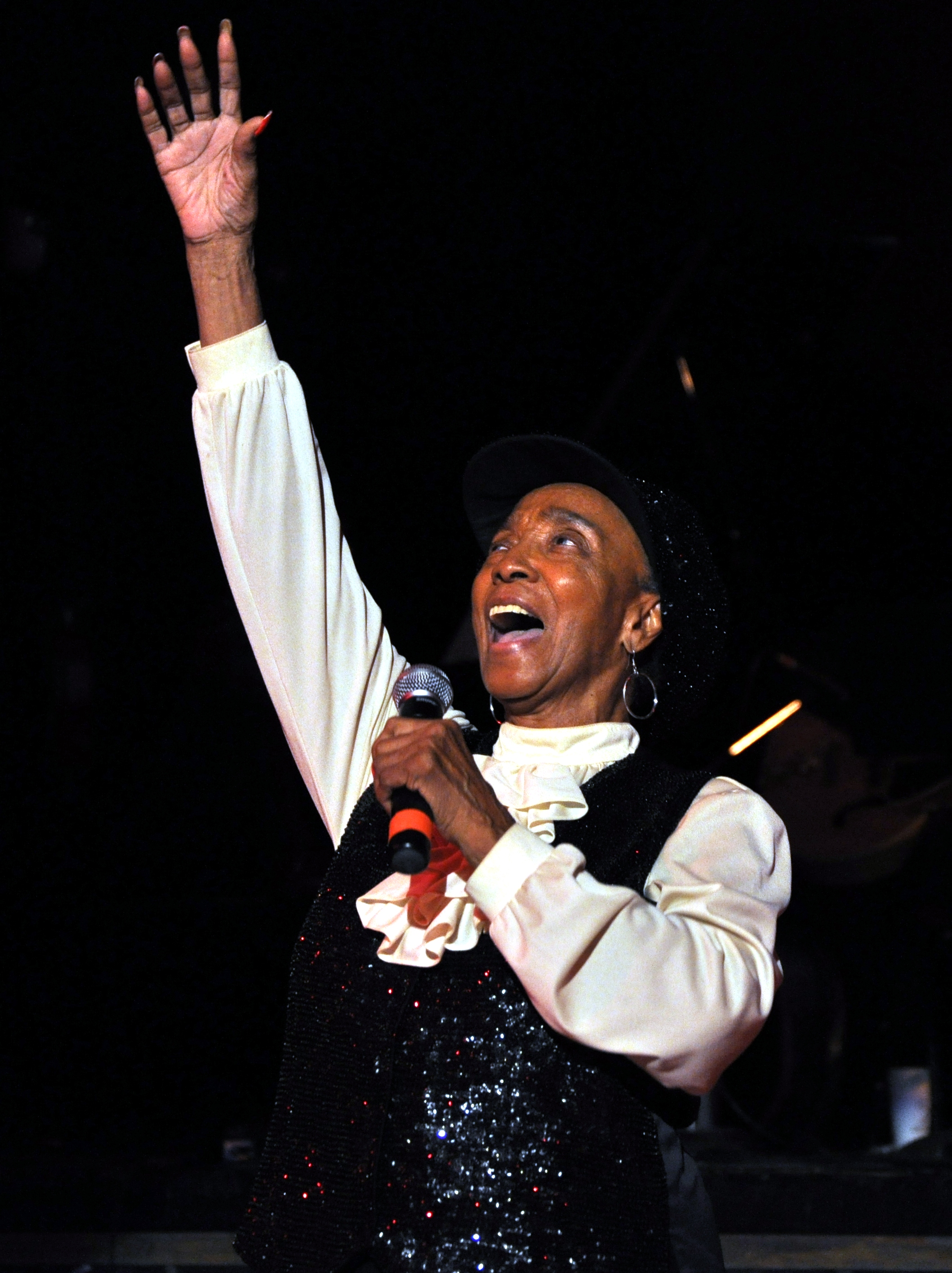
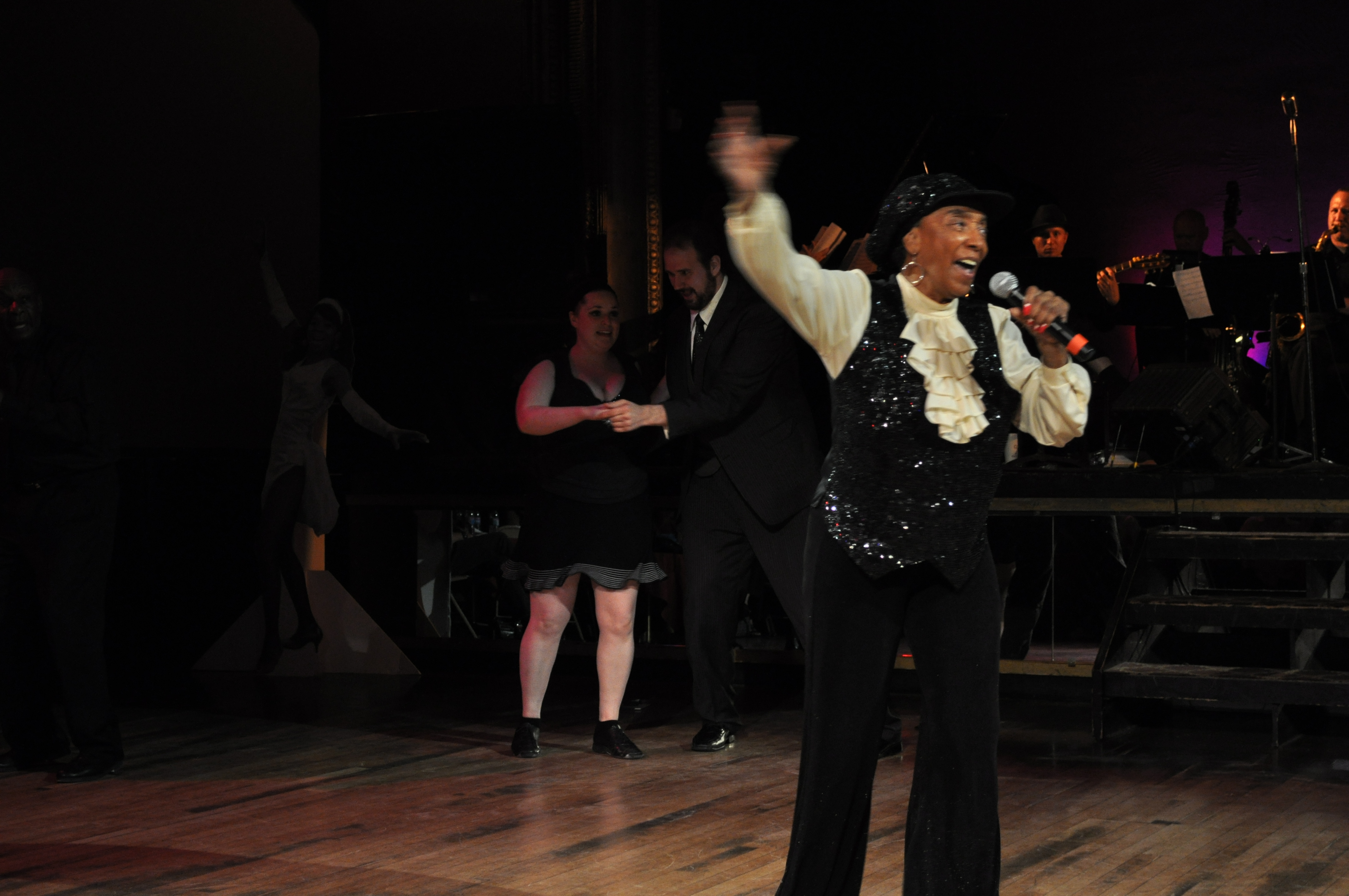
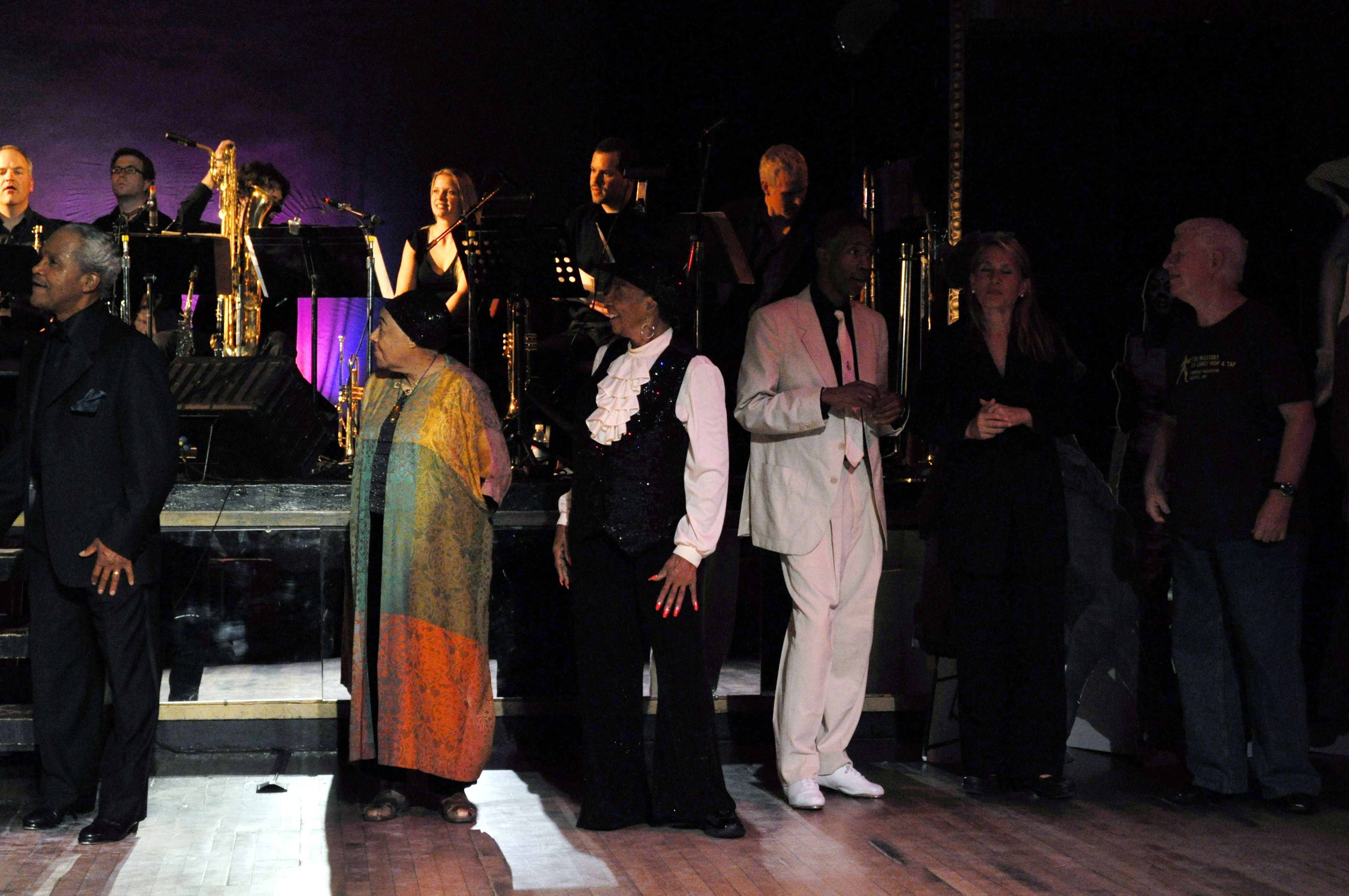
Norma Miller on screen
Films and television featuring Norma Miller, with the sequences we have indexed.
Poster artwork from TMDB.
 This site uses TMDB and the TMDB APIs but is not endorsed, certified, or otherwise approved by TMDB.
Legacy & Impact
Norma Miller's significance joins kinetic brilliance to historical agency. She was not merely present in foundational Lindy Hop films: she built companies, produced shows, worked in comedy and television, taught revival-era dancers, wrote a memoir and submitted to extensive interviews. That breadth matters especially for the history of Black women in popular entertainment, where managerial and authorial labor is often obscured. Her testimony links the Savoy's integrated floor and competitive culture to the global Lindy Hop community, while her late-life work insists that the dance remain connected to the Black communities and jazz music that made it.


Explore More Legends
Discover the dancers, teachers, choreographers, and cultural icons who shaped how the world moves.
Keep the thread going
Dance history, technique, and the occasional rabbit hole — in your inbox. Thoughtful, infrequent, unsubscribe anytime.
Free. No spam. One click to leave.