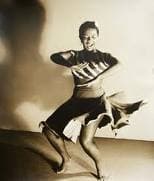
Pearl Primus
Legend of Dance
Why They Matter
Pearl Primus matters because she made scholarship, cultural exchange, pedagogy, and stage performance parts of one dance practice. She used the physical scale and immediacy of modern dance to confront racism and to center Black literature and history, while her fieldwork and teaching challenged the
Biography
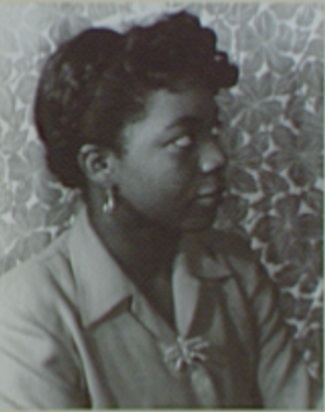
Pearl Eileen Primus was born on November 29, 1919, in Port of Spain, Trinidad, and moved to New York City with her family in 1921. Before becoming a dancer, she studied biology and pre-medical science at Hunter College—a scientific grounding that would shape her later approach to dance as both performance and research. In 1941, Primus joined the New Dance Group, an organization that connected modern-dance training with socially engaged performance. There she developed formidable stage technique alongside an explicit concern with racial injustice.
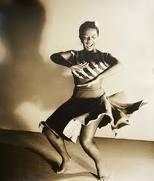
In February 1943, Primus presented *Strange Fruit* at the 92nd Street YMHA, a solo made in response to lynching that became central to her early reputation. She subsequently performed it at Café Society. Her early repertory drew on Black literature, music, labor, and resistance. *The Negro Speaks of Rivers* (1944), based on Langston Hughes's poem, linked individual dancing to a long historical imagination of Black life and heritage. Works such as *Hard Time Blues* used the concert stage to embody social pressure and historical weight. Primus's athletic elevation, grounded weight, and dramatic focus made these concerns physically immediate.
Primus pursued field research in the American South and in Africa, including extended work in Liberia and other parts of West and Central Africa. This research enlarged her movement knowledge through sustained study and relationships rather than abstract acquisition. She collaborated closely with dancer and choreographer Percival Borde, whom she married; their professional partnership became central to performance, teaching, and cultural exchange. Together they directed the Konoma Kende Performing Arts Center in Liberia from 1959 to 1961.
Primus's academic work continued alongside performance and choreography. She earned a master's degree in education from New York University in 1959 and a doctorate in dance education from NYU in 1978. In 1979 she established the Pearl Primus Dance Language Institute, whose curriculum brought African, African American, Caribbean, modern, and ballet practices into a structured educational setting. Throughout several decades, Primus taught, choreographed, lectured, and performed across universities and community institutions, carrying her research into both settings. In 1991 she received the National Medal of Arts. She died in New Rochelle, New York, on October 29, 1994. Her surviving papers and films preserve not only a celebrated performer but also the research methods, correspondence, teaching structures, and collaborative labor behind her public work.
Career Highlights
Primus began training and performing with the New Dance Group in New York. Source Source
She debuted Strange Fruit at the 92nd Street YMHA in February and later performed it at Café Society. Source Source
She created The Negro Speaks of Rivers, drawing on Langston Hughes's poem to address Black history and heritage. Source Source
Fanga entered her repertory, becoming one of the works most closely associated with her study and staging of African-derived movement. Source Source
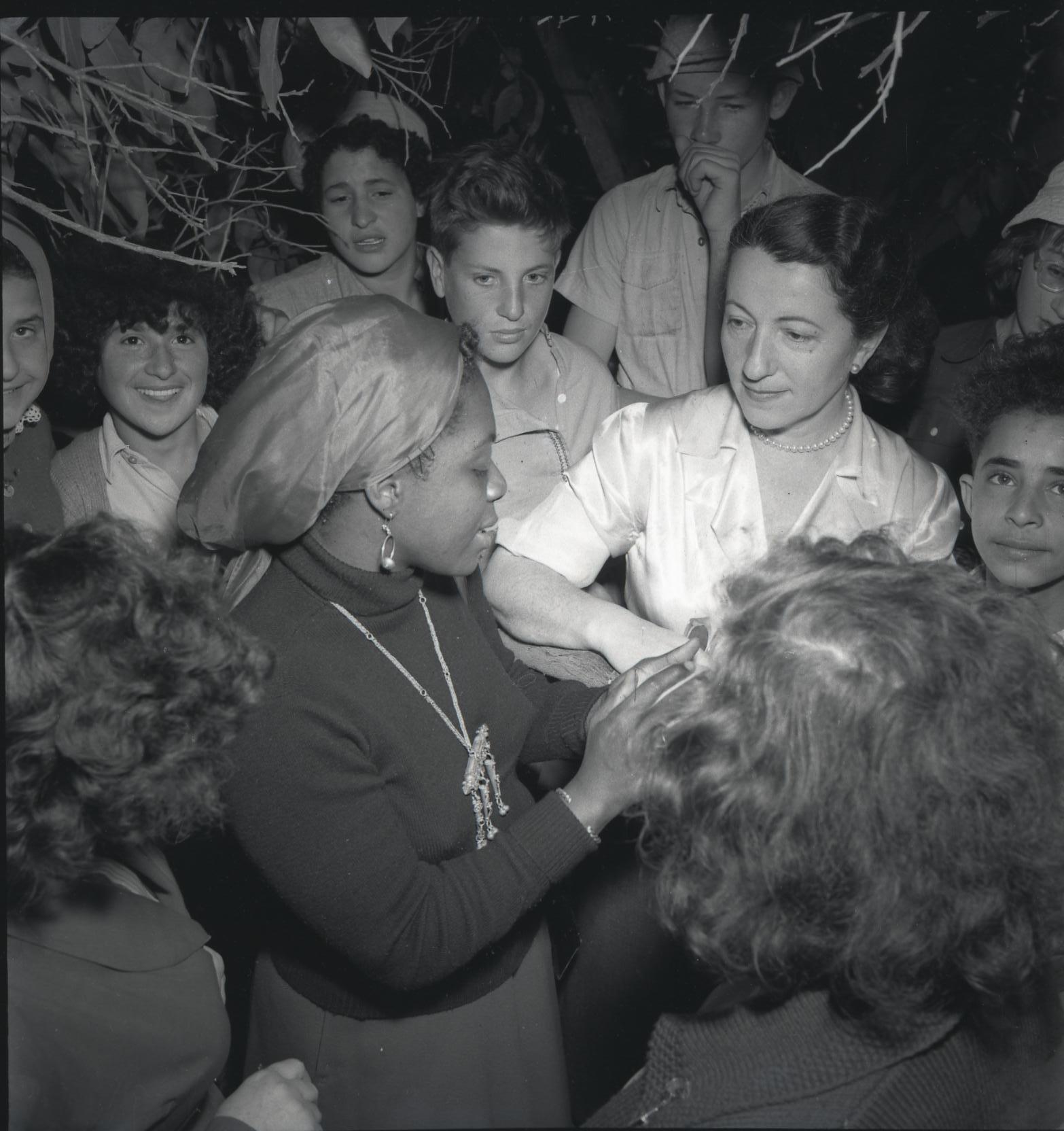
Primus traveled in Israel; a rights-cleared Boris Carmi photograph documents the visit. Source.jpg) Source
She earned an M.A. in education from New York University. Source Source
Primus and Percival Borde directed the Konoma Kende Performing Arts Center in Liberia. Source Source
The Wedding became part of her choreographic record, reflecting the performance and research partnership she shared with Borde. Source Source
She completed a Ph.D. in dance education at New York University. Source Source
She founded the Pearl Primus Dance Language Institute. Source Source
Primus received the National Medal of Arts. Source Source
Legacy & Impact
Pearl Primus matters because she made scholarship, cultural exchange, pedagogy, and stage performance parts of one coherent dance practice. She used the physical scale and immediacy of modern dance to confront racism and center Black literature and history, while her fieldwork and teaching challenged the American concert world to take African and African-diasporic movement knowledge seriously. Her archives also preserve a model of the dancer as researcher—someone accountable to sources, collaborators, communities, and the meanings carried by movement.


Explore More Legends
Discover the dancers, teachers, choreographers, and cultural icons who shaped how the world moves.
Keep the thread going
Dance history, technique, and the occasional rabbit hole — in your inbox. Thoughtful, infrequent, unsubscribe anytime.
Free. No spam. One click to leave.