Contemporary Dance
The lineage of Western concert dance that broke from ballet in the early 20th century—through the modern-dance pioneers and the codified techniques of Graham, Humphrey–Limón, and others—then passed through postmodern experimentation (Cunningham, release technique, contact improvisation) into today's hybrid contemporary practice.
6 dance styles in this genre
Historical Origins
Contemporary dance descends from the modern-dance revolt against ballet's formal conventions at the turn of the 20th century, led by figures such as Isadora Duncan, Ruth St. Denis, and Ted Shawn in the United States and the Ausdruckstanz movement (Rudolf Laban, Mary Wigman) in Germany. The first fully codified modern techniques emerged in the 1920s–1930s: Martha Graham built a system on the opposition of 'contraction and release' and on movement initiated from the breath and torso; Doris Humphrey and Charles Weidman explored 'fall and recovery,' a line continued and systematized by José Limón. In the 1950s Merce Cunningham, a former Graham dancer, decentralized the stage, separated dance from musical narrative, and used chance procedures in collaboration with composer John Cage—inaugurating what is usually called postmodern dance. The 1960s and 1970s Judson Dance Theater generation, along with the development of release technique and contact improvisation, further loosened technique toward efficiency, weight, and everyday movement. From the 1980s, choreographers such as William Forsythe, Jiří Kylián, and Pina Bausch (Tanztheater) fused these strands with ballet and theater into the broad, plural practice now called contemporary dance.
Cultural Significance
Modern and contemporary dance reframed dance as a vehicle for individual artistic expression, social commentary, and abstraction rather than courtly display or narrative spectacle, and it opened the concert stage to choreographers and bodies excluded from the ballet tradition. Graham's company (founded 1926) is among the oldest in America and trained generations of dancers and choreographers; Cunningham's collaborations with Cage, Robert Rauschenberg, and Jasper Johns linked dance to the mid-century avant-garde. The field is institutionally plural—there is no single governing body or fixed syllabus—so 'contemporary dance' names a family of related techniques and aesthetics rather than one codified system.
Musical Characteristics
Contemporary dance has no fixed meter or tempo; accompaniment ranges from commissioned scores and electronic and experimental music to silence, spoken text, and found sound. Cunningham's practice deliberately made dance and music independent—created separately and combined only in performance—while other choreographers work in close rhythmic counterpoint to a score. Class accompaniment varies widely, from live percussion or piano to recorded tracks, chosen to support the particular technique being taught.
Core Movement Principles
The codified techniques each rest on a distinct principle: Graham on contraction and release and a grounded, torso-driven attack; Humphrey–Limón on fall and recovery, weight, breath, and the swinging momentum of the body through gravity; Cunningham on clarity of the spine and legs, multidirectional use of space, and rhythmic independence from music. Release technique emphasizes minimizing unnecessary muscular effort, using breath and skeletal alignment to move efficiently, and contact improvisation builds movement from shared weight and points of contact between dancers. Contemporary training typically blends several of these with ballet, floorwork, and improvisation, prizing versatility, weight-sharing, and individual movement signature over a single codified line.
Modern Usage
Contemporary dance is the dominant idiom of the concert-dance world and of university and conservatory dance programs, and it is widely taught in commercial and competition studios (often blended with jazz and lyrical styles). Major repertory companies and festivals worldwide commission new contemporary work, and the techniques described here—Graham, Limón, Cunningham, release, contact improvisation—remain active training methods. Because the field is open and continually evolving, 'contemporary' is best understood as a living, plural practice rather than a closed repertory.
Dance Styles
Graham Technique
Also known as: Martha Graham technique
Martha Graham's foundational modern-dance technique built on 'contraction and release' and movement initiated from the breath and torso.
Cunningham Technique
Also known as: Merce Cunningham technique
Merce Cunningham's postmodern technique emphasizing clarity of spine and legs, multidirectional use of space, chance procedures, and the independence of dance from music.
Limón Technique
Also known as: Humphrey-Limon technique
José Limón's technique, extending Doris Humphrey's 'fall and recovery,' centered on weight, gravity, breath, and the momentum of falling, rebounding, and suspension.
Release Technique
Also known as: Release-based technique
A family of postmodern training approaches that minimize unnecessary muscular effort, using breath, imagery, and skeletal alignment to move efficiently and fluidly; often paired with contact improvisation.
Forsythe Improvisation Technologies
Also known as: Forsythe technique
William Forsythe's contemporary-ballet approach from the 1980s, extending and deconstructing classical line through work on lines, angles, points, and the full range of motion.
Gaga Movement Language
Also known as: Gaga, Gaga/people, Gaga/dancers, Gaga movement research
A movement language and daily research practice developed by Ohad Naharin at Batsheva Dance Company, built on sensation, imagery and continuous movement rather than fixed positions or a graded vocabulary. It is taught in two streams, one for people with no dance background and one for professional dancers, and it works on availability, efficiency and range rather than on shapes an observer could name. Its influence on contemporary dance since the 2000s is out of proportion to its size, because it changed how many dancers train rather than what they perform.
Legends of Contemporary Dance
Dancers, choreographers and teachers whose work shaped the styles in this genre.
Contemporary Dance on screen
Films and television where contemporary dance appears, with the sequences worth watching for.
 Cunningham (2019)15 sequences indexedIdyllic Song (1944) · chor. Merce CunninghamTotem Ancestor (1942) · chor. Merce CunninghamSuite for Two (1950s) · chor. Merce CunninghamMartha Graham: The Dancer Revealed (1994)8 sequences indexedFinal company class: Graham rises to teach · chor. Martha GrahamRare archival films of Martha Graham dancing · chor. Martha GrahamCompany performance excerpts across generations · chor. Martha Graham
 Ailey (2021)5 sequences indexedArchival Blues Suite performance · chor. Alvin AileyArchival Revelations performance · chor. Alvin AileyArchival Masekela Langage performance · chor. Alvin Ailey
 Appalachian Spring (1958)4 sequences indexedNewlyweds’ barn-dance duet · chor. Martha GrahamRevivalist’s warning solo · chor. Martha GrahamPioneering Woman’s reassurance solo · chor. Martha GrahamHeretic (1931)4 sequences indexedFinal kneeling and prone collapse · chor. Martha GrahamBlack semicircle and solitary woman in white · chor. Martha GrahamRepeated approaches to the closed chorus · chor. Martha Graham
 If the Dancer Dances (2018)4 sequences indexedFirst studio rehearsal: a new Cunningham physicality · chor. Merce CunninghamGino Grenek learns Cunningham's role · chor. Merce CunninghamRainForest at The Joyce: Silver Clouds performance · chor. Merce Cunningham
 Night Journey (1961)4 sequences indexedJocasta's interrupted suicide and Tiresias's summons · chor. Martha GrahamDaughters of the Night chorus · chor. Martha GrahamJocasta and Oedipus rope pas de deux · chor. Martha Graham
 A Study in Choreography for Camera (1945)3 sequences indexedForest openingMatched movement across forest and interiorsExtended grand jeté finale
 Beach Birds for Camera (1992)3 sequences indexedBlack-and-white opening reveal · chor. Merce CunninghamAsynchronous flock groupings · chor. Merce CunninghamDecentralized camera-space passage · chor. Merce Cunningham
 Can You Bring It: Bill T. Jones and D-Man in the Waters (2020)3 sequences indexedJones asks the students to find the AIDS-era stakes · chor. Bill T. JonesJones recalls carrying Demian Acquavella onto the Joyce stage · chor. Bill T. JonesYoung dancers reconstruct D-Man in the Waters · chor. Bill T. JonesFrontier (1976)3 sequences indexedFence-rail horizon survey · chor. Martha GrahamMarch, kicks, and kneeling hinge · chor. Martha GrahamSquare pathway and final salute · chor. Martha Graham
 Rise (2022)3 sequences indexedFinal contemporary performance at La Villette · chor. Hofesh ShechterTrust exercises beside the sea · chor. Hofesh ShechterWatching the company’s grounded daily class · chor. Hofesh Shechter
Poster artwork from TMDB.
 This site uses TMDB and the TMDB APIs but is not endorsed, certified, or otherwise approved by TMDB.
Showing the 12 most-documented of 26 titles — browse the full library.
Contemporary Dance FAQs
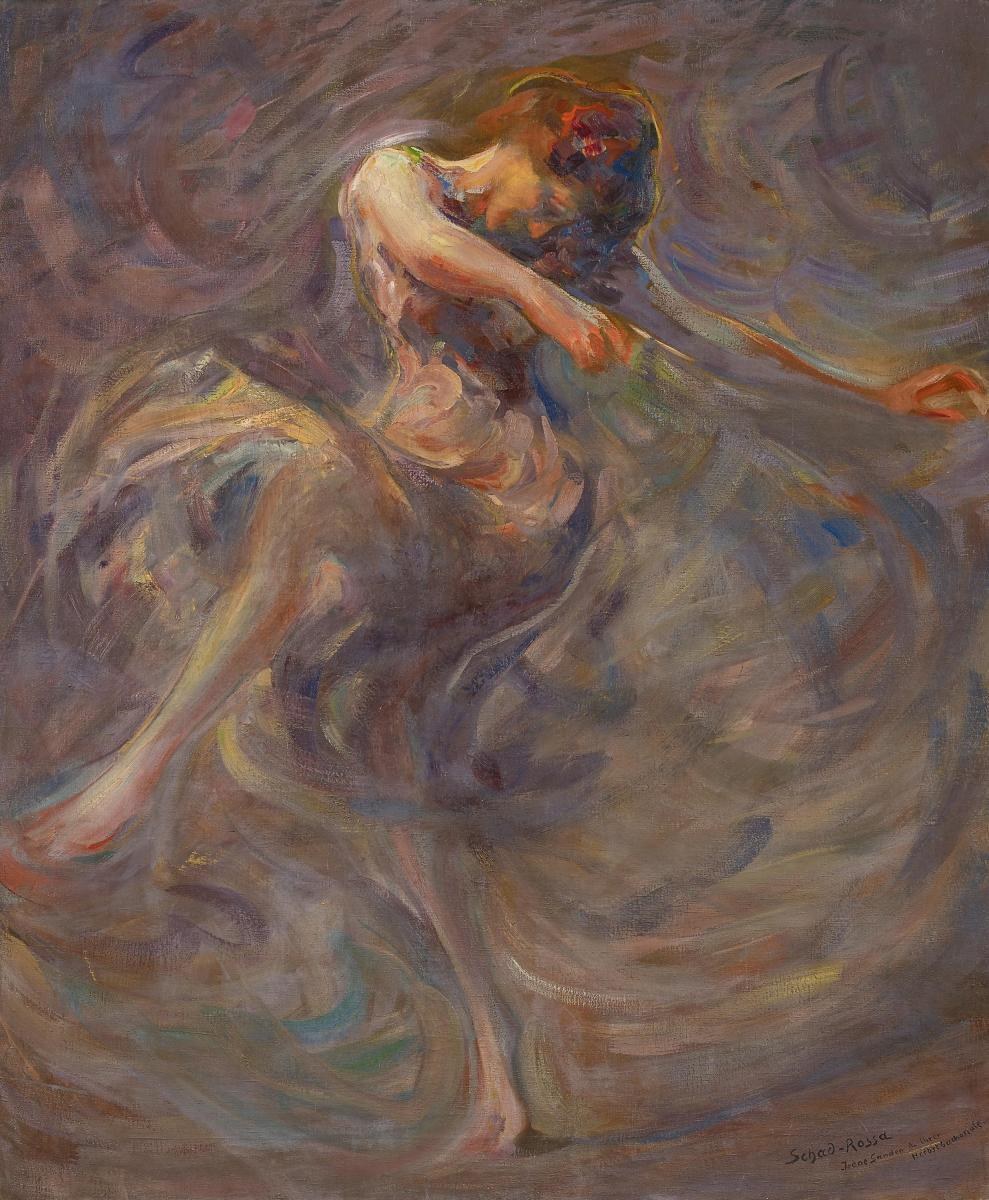
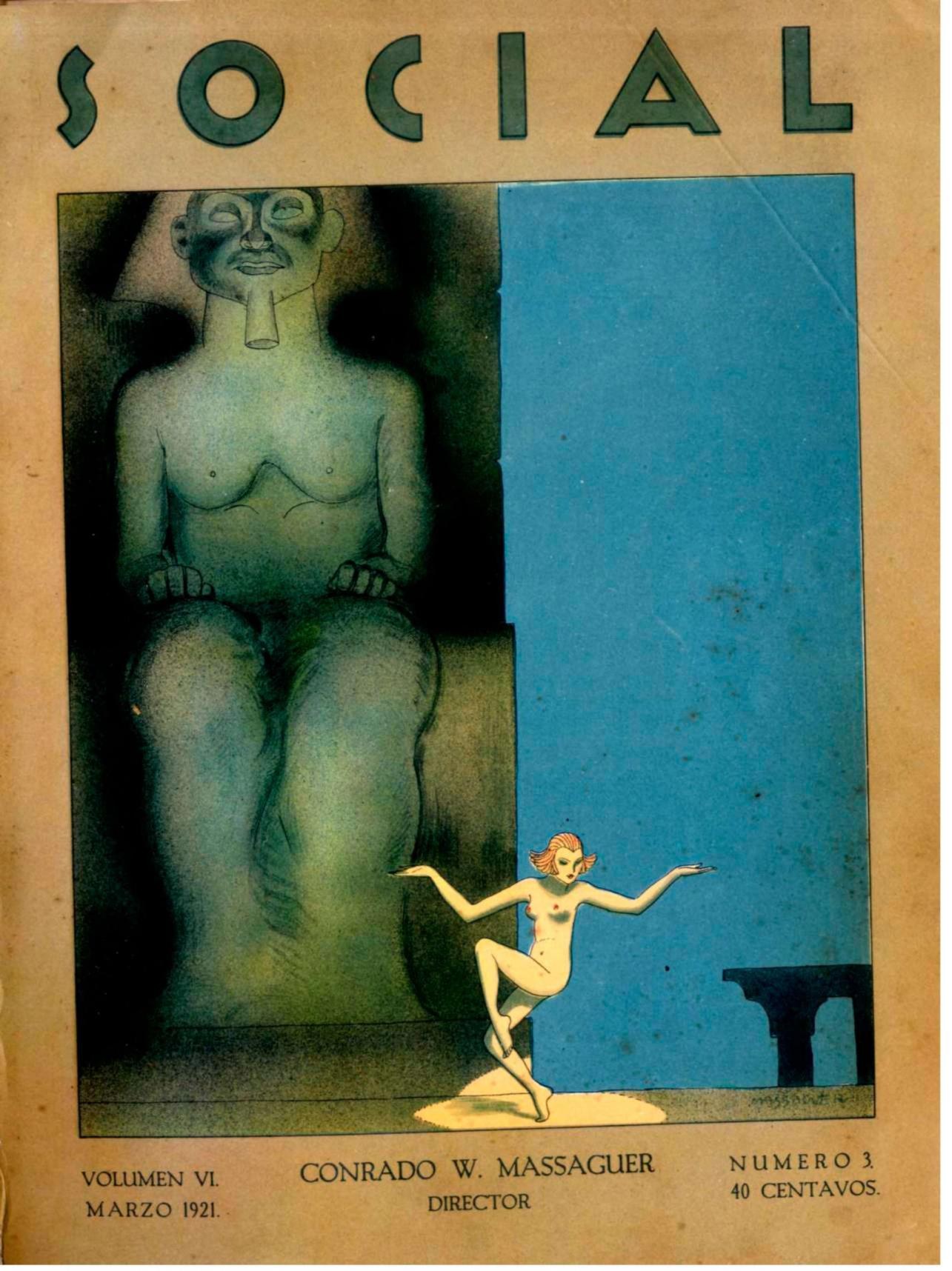
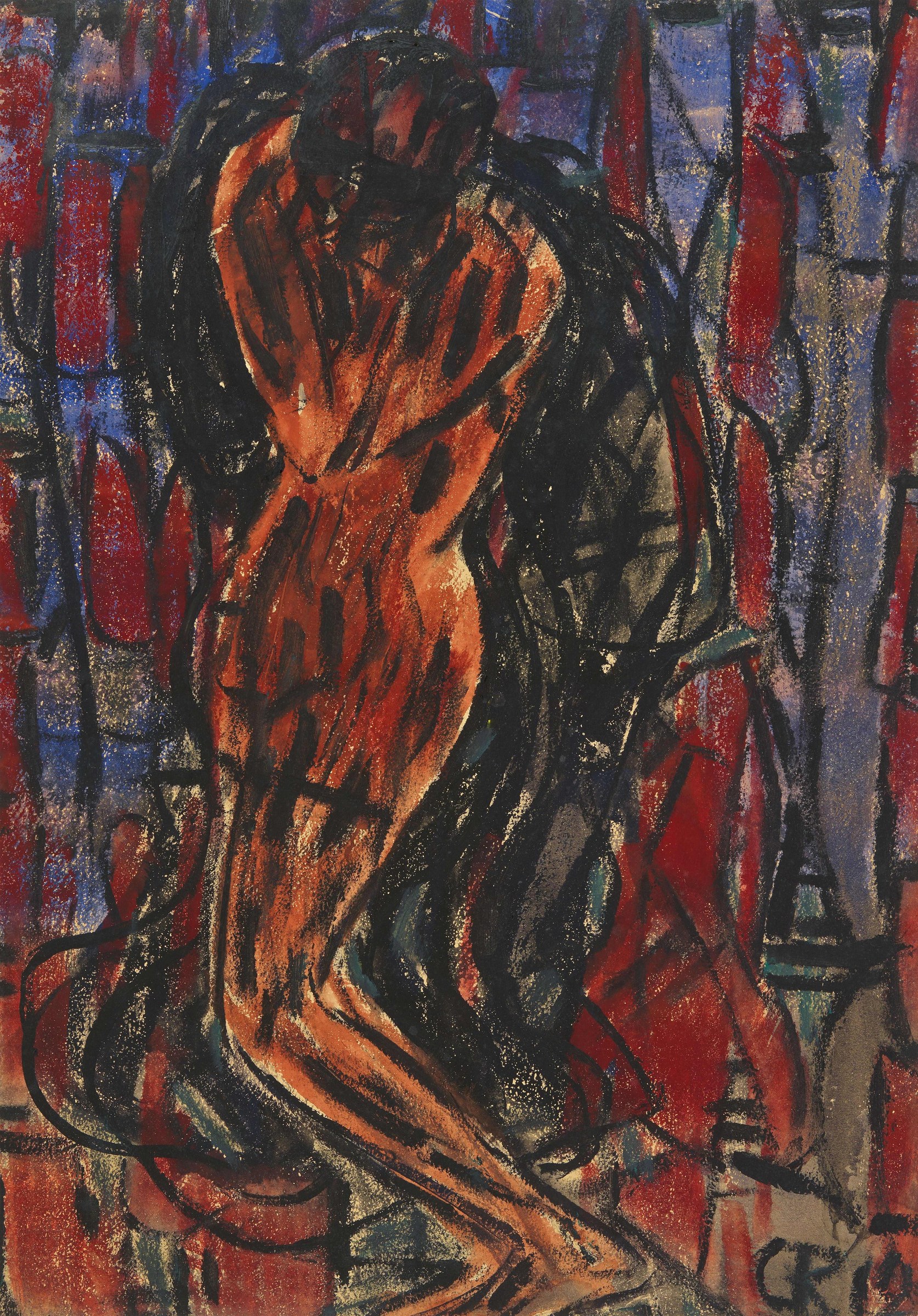
Contemporary Dance in art
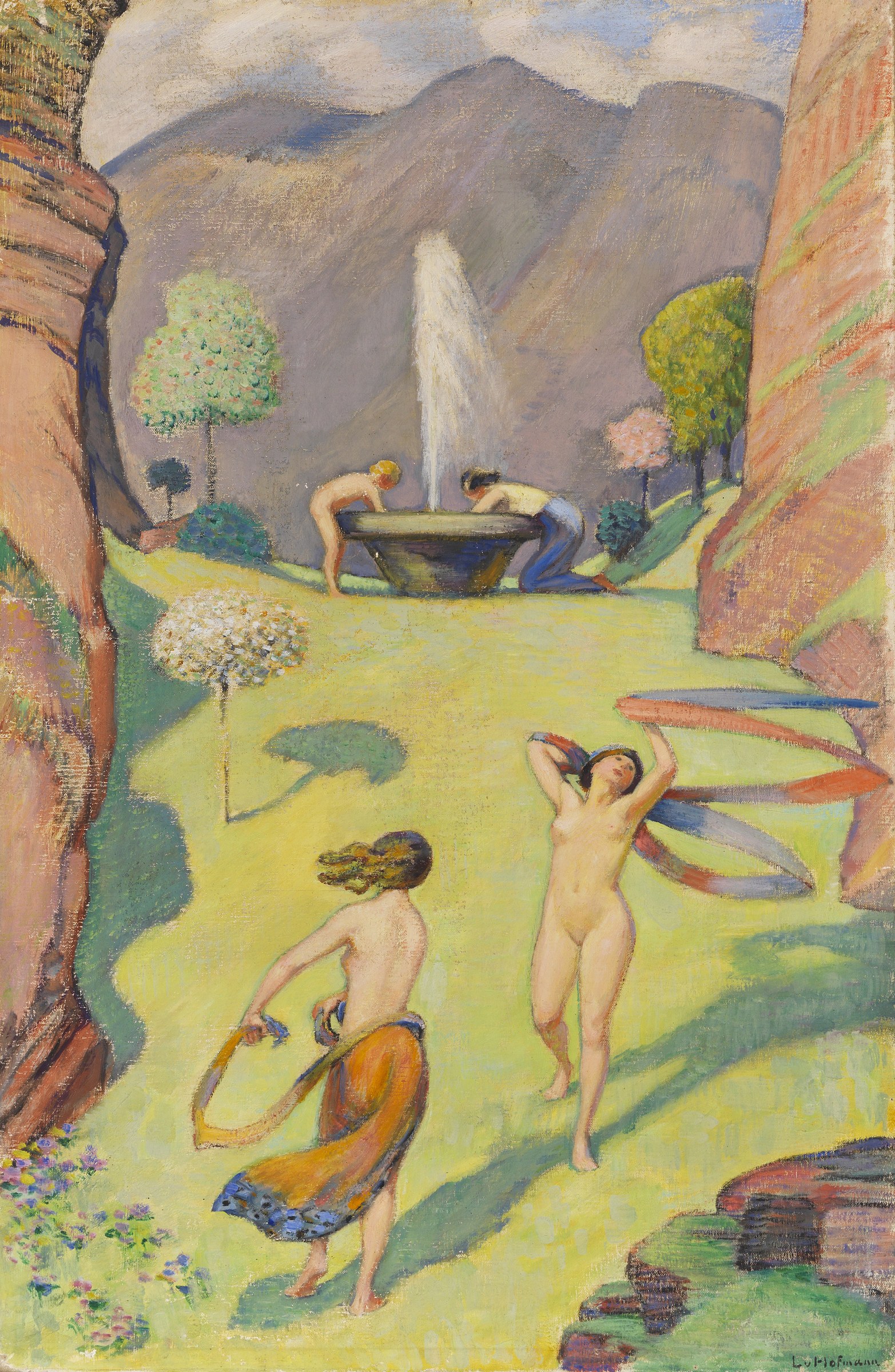
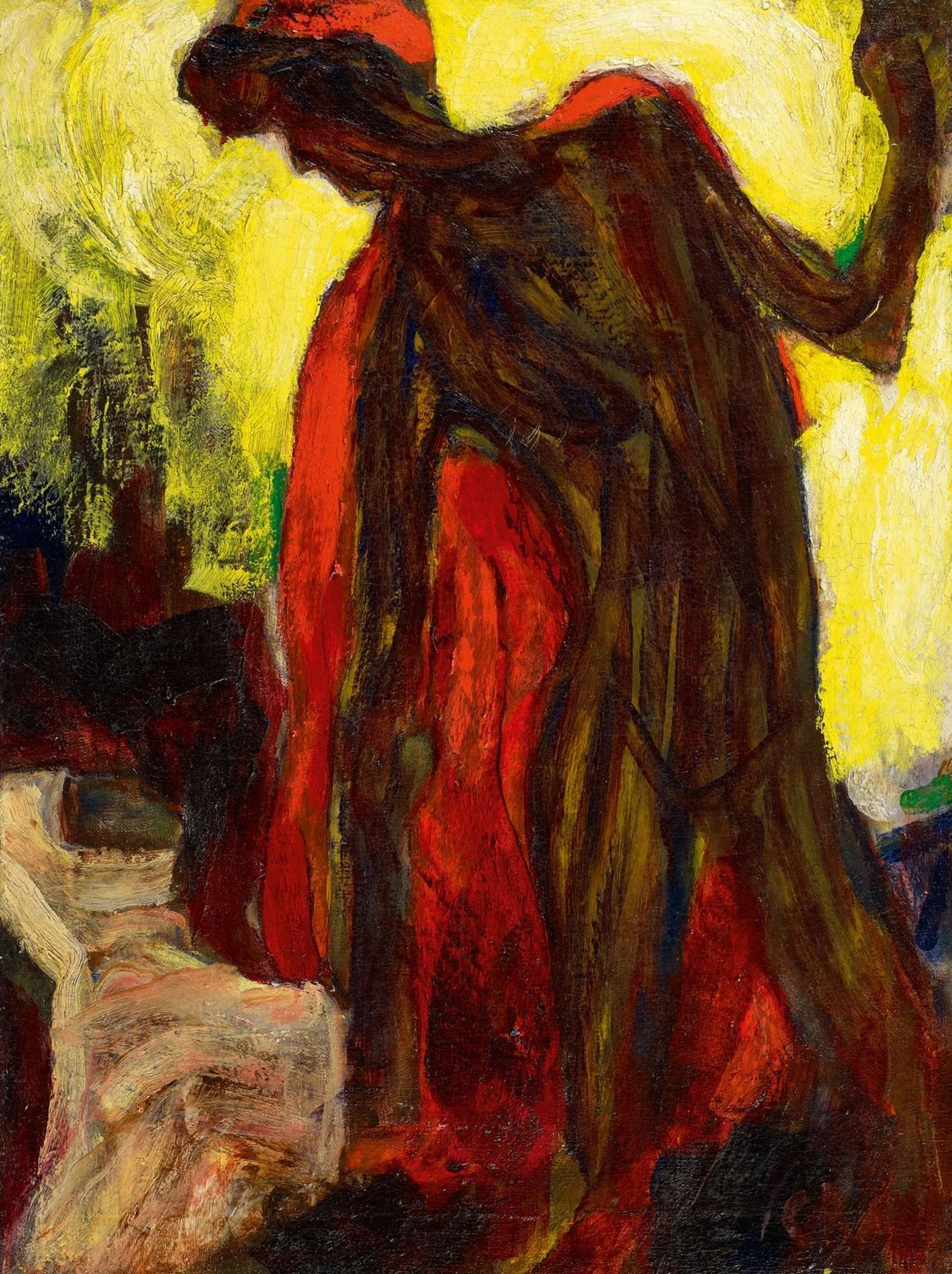
Browse the gallery →Works our catalogue identifies as depicting contemporary dance.
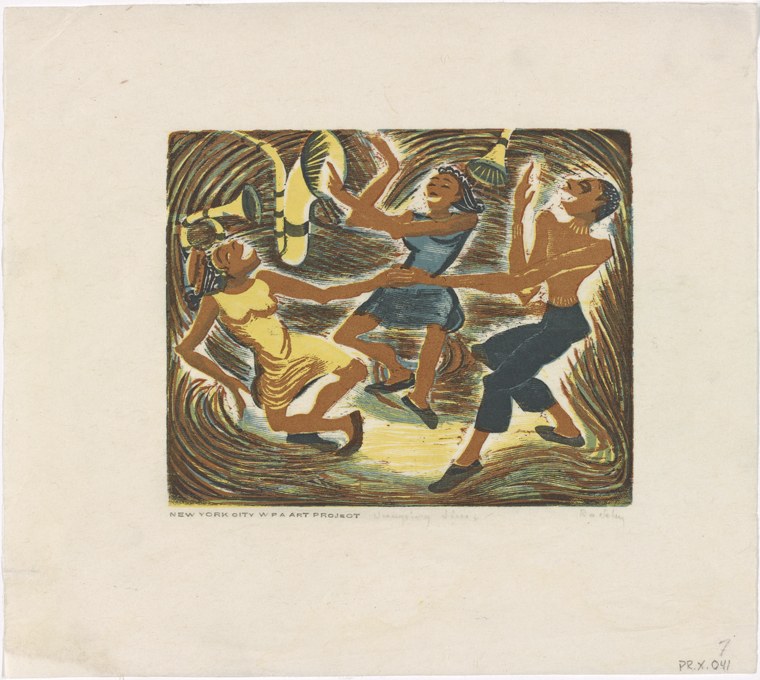
Dancing
Unknown artist
public_domain
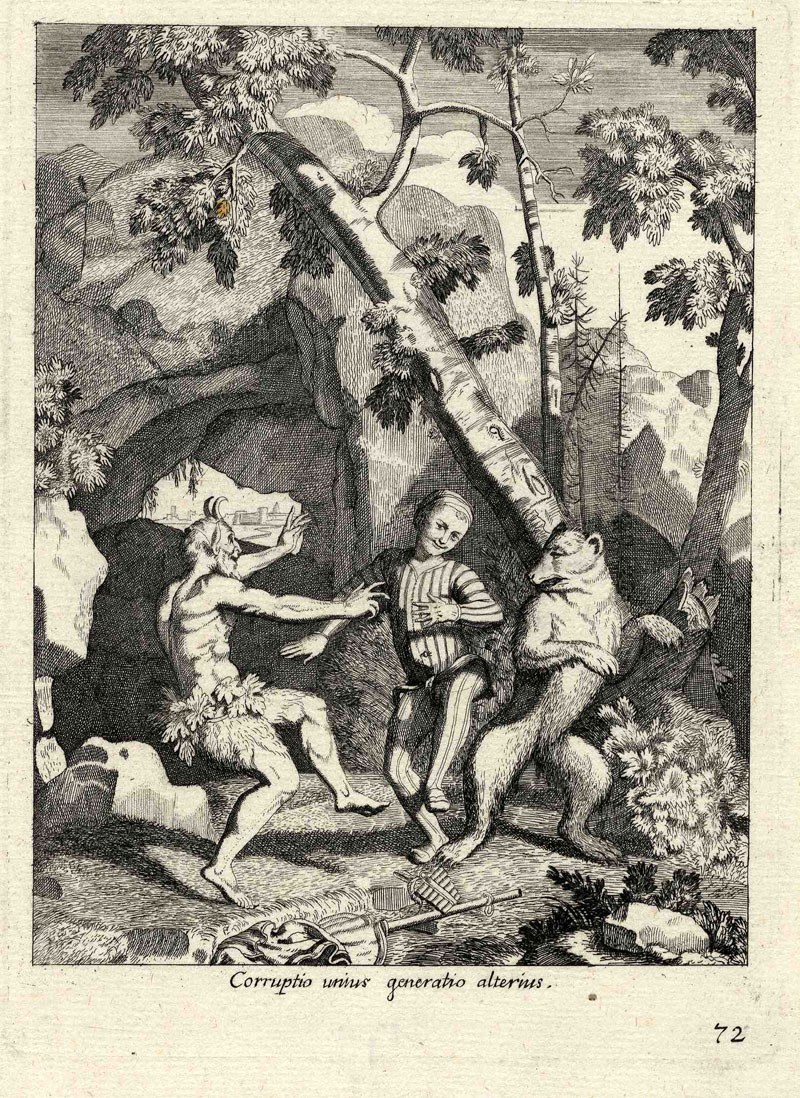
Harlekinade c1700 ubs G 0855 II 02
Anonymous · 1700
Public Domain
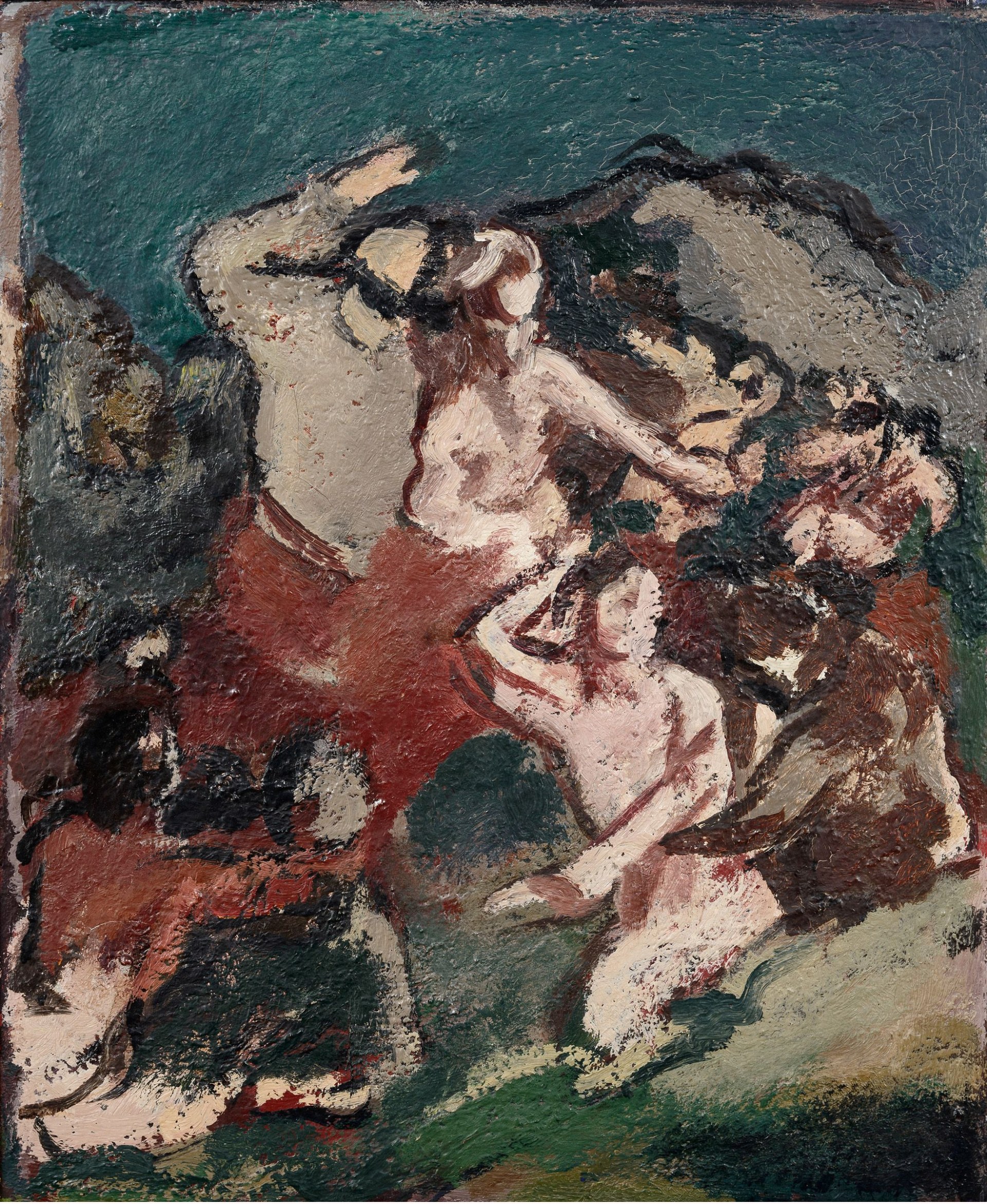
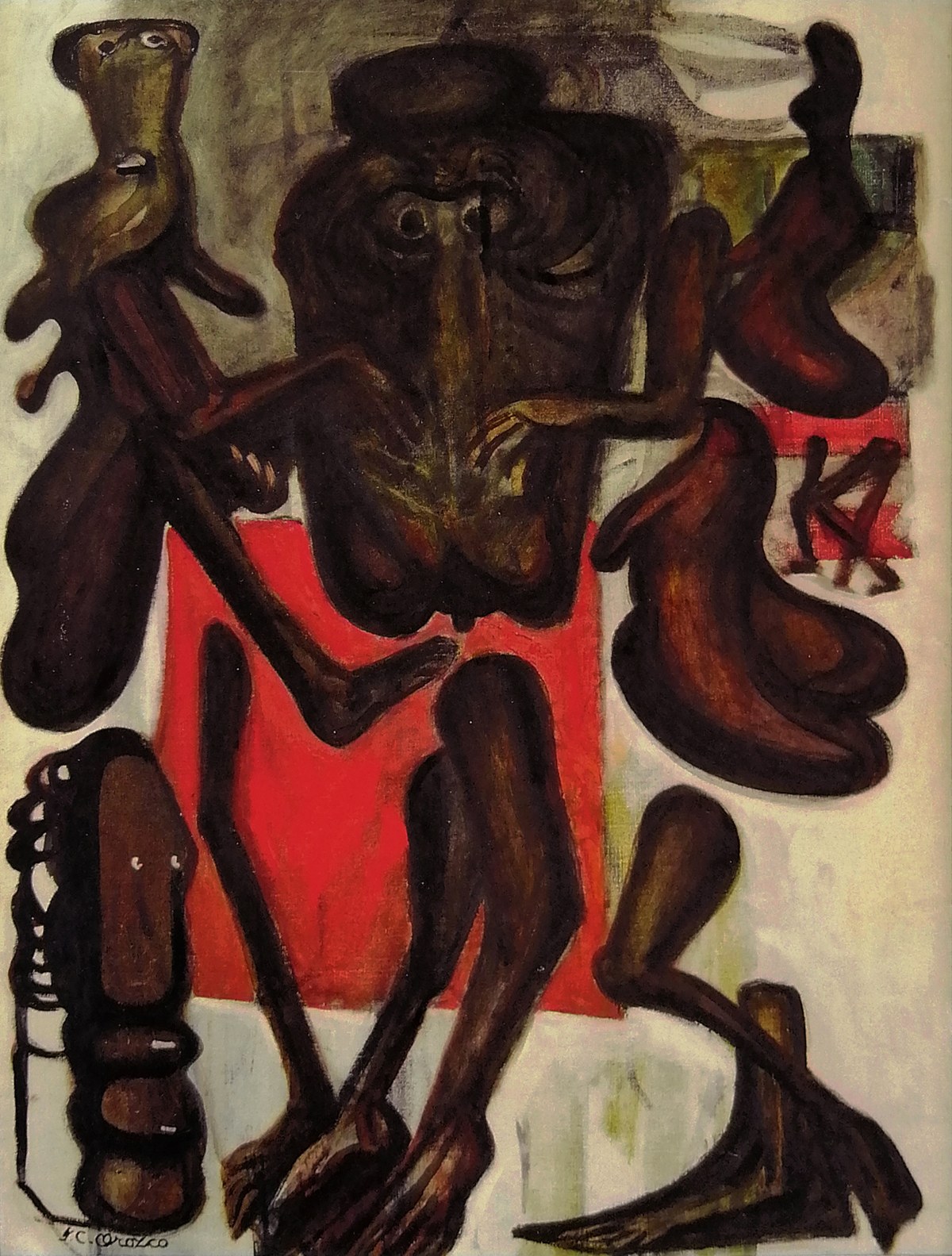
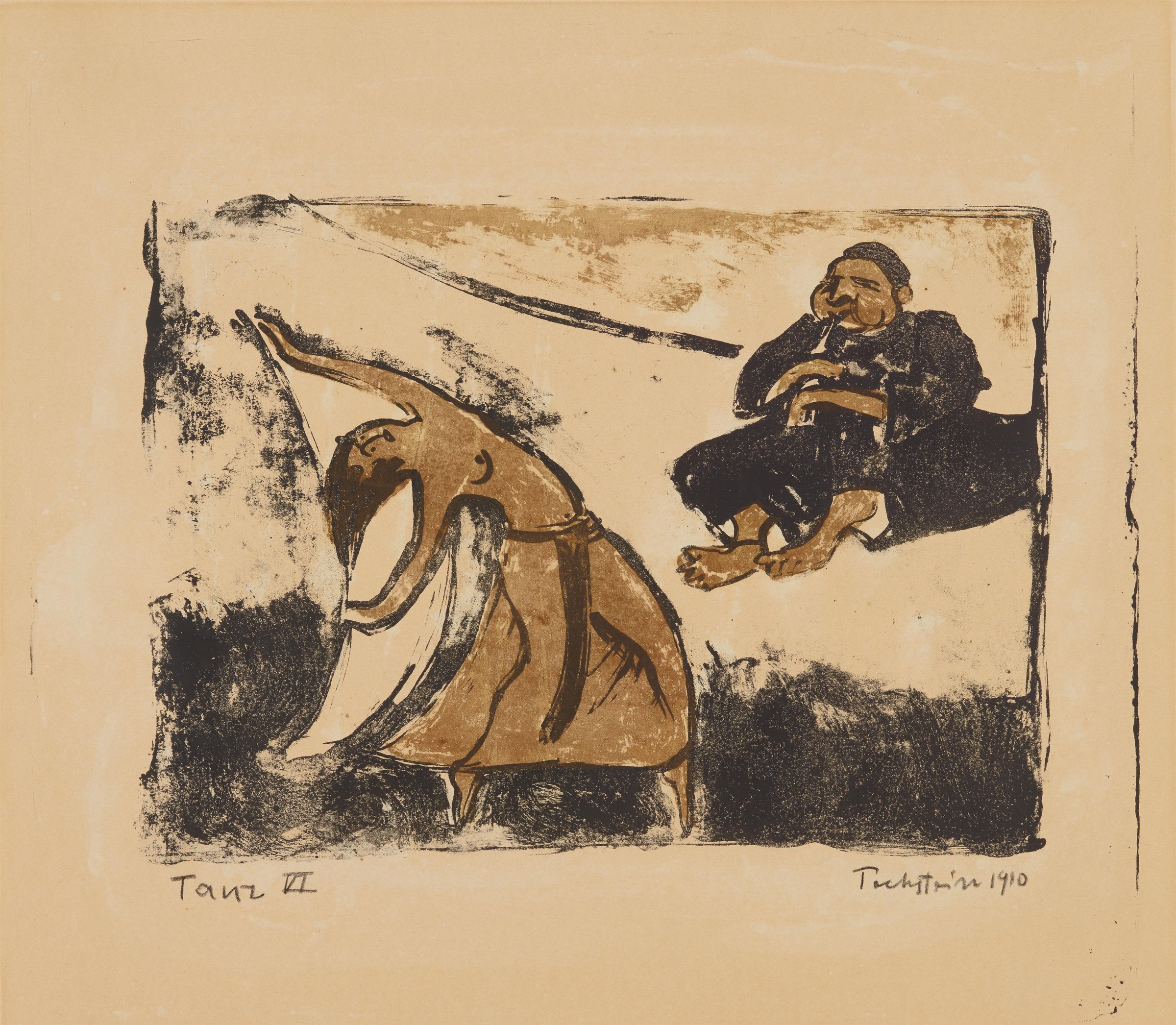
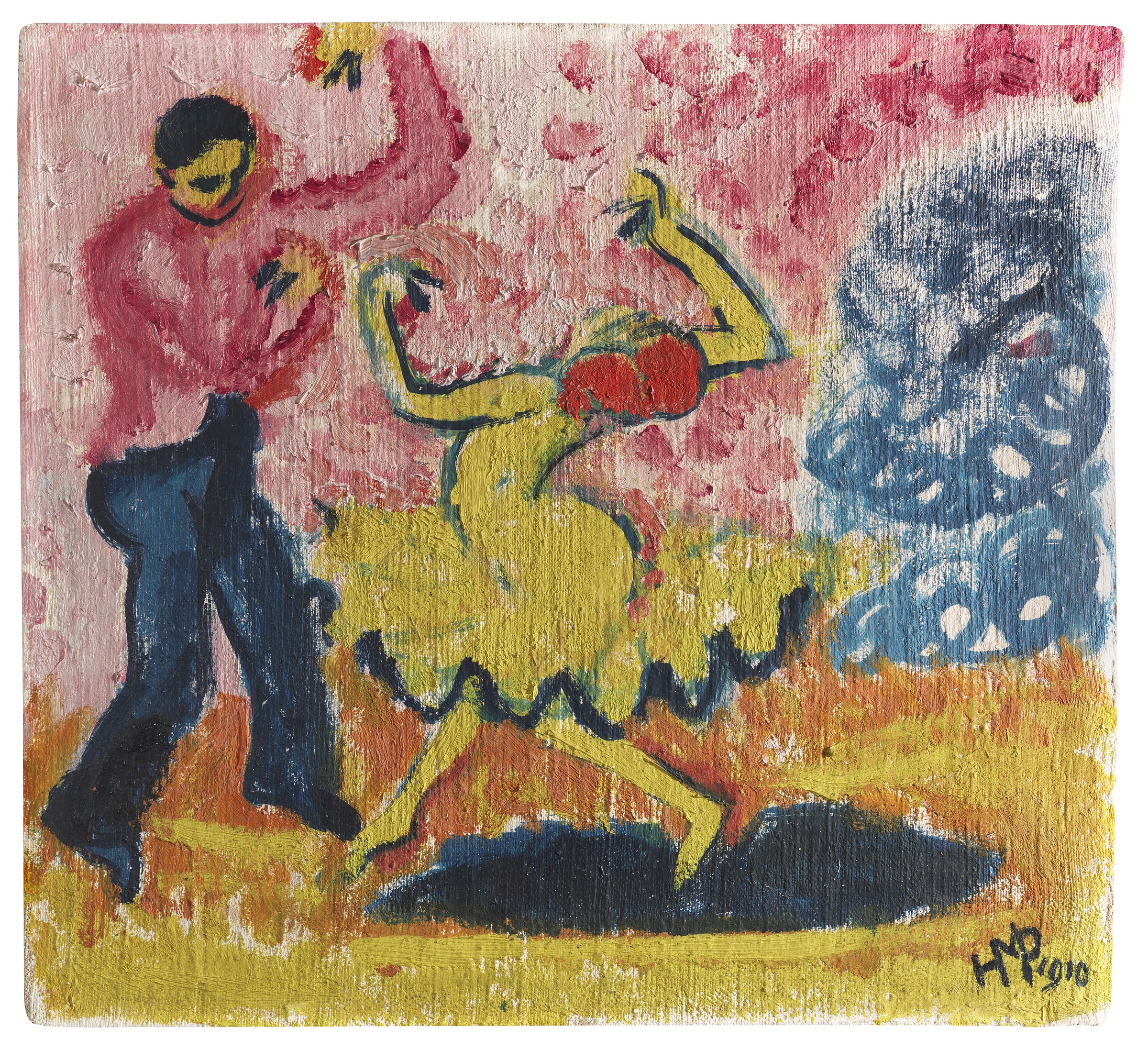
Max Pechstein Tanz VI 1910
Max Pechstein · 1910
Public Domain
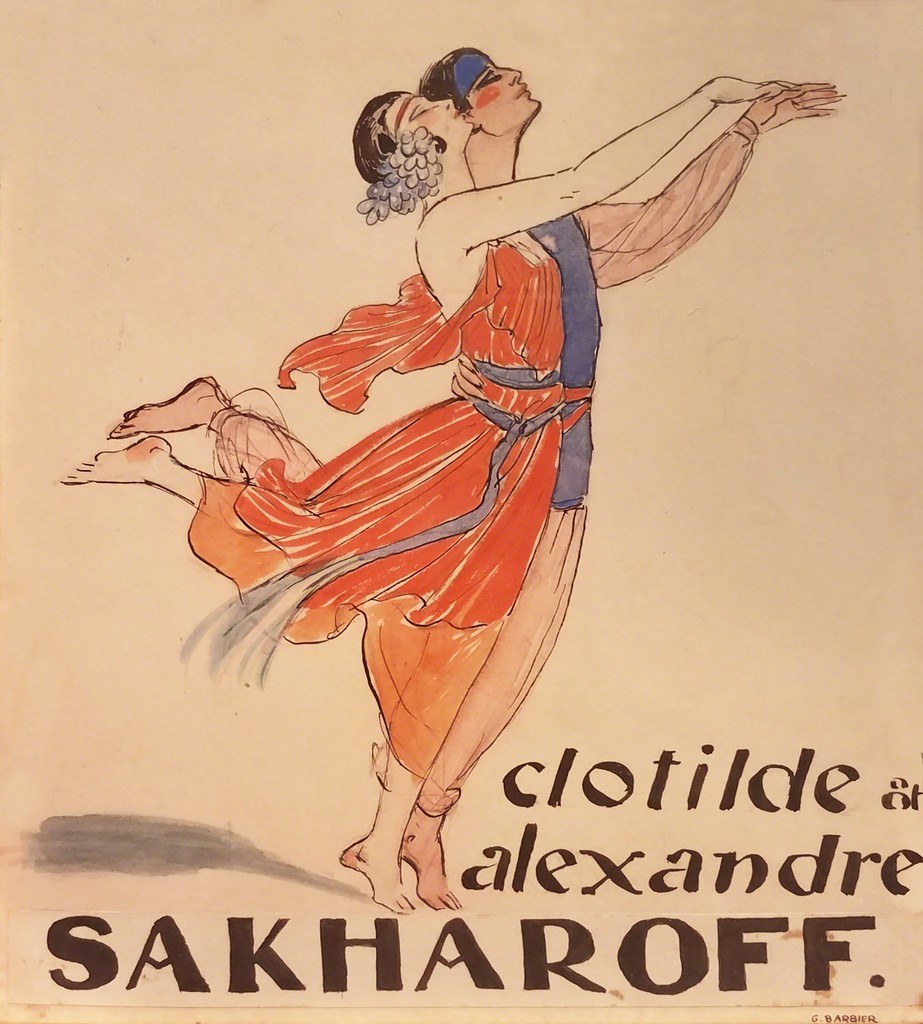
Sakharoffs les (2)
George Barbier · 1921
Public Domain
Max Pechstein Tänzer 1910
Max Pechstein · 1910
Public Domain