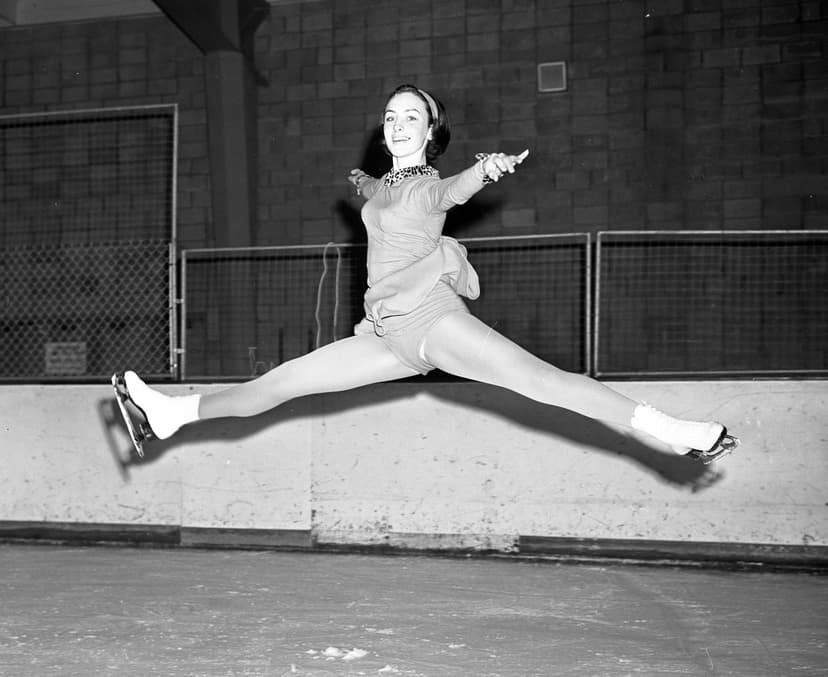
Peggy Gale Fleming
Legend of Dance
Why They Matter
Fleming’s significance rests in the conjunction of result, style, and historical moment. Five straight U.S. titles, three straight world titles, and Olympic gold establish exceptional competitive consistency. Yet the wider legacy is how she made technique legible as performance: secure edges and com
Biography
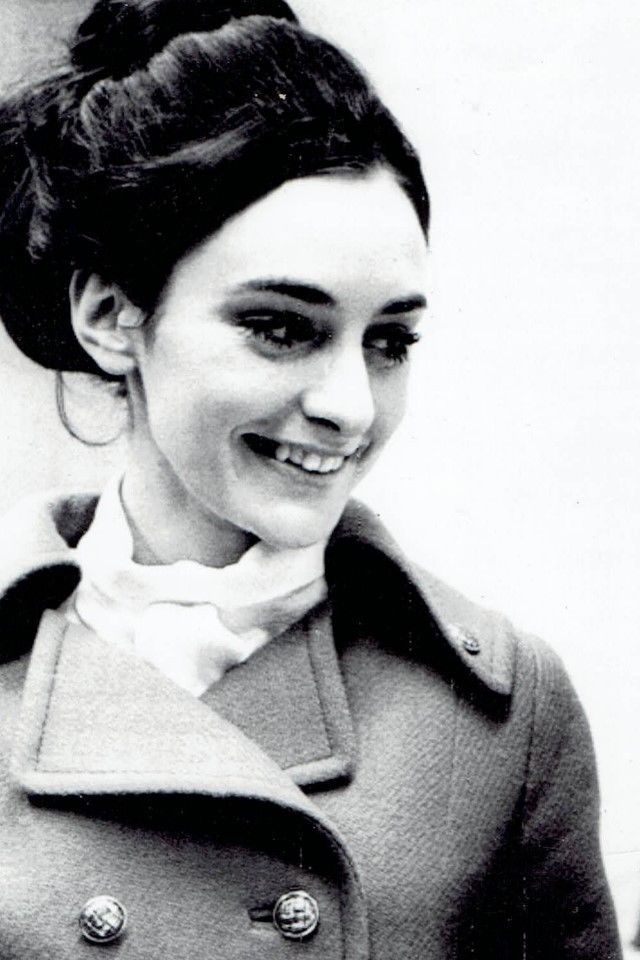
Peggy Fleming was born July 27, 1948, in San Jose, California, and became one of the most influential figure skaters in American history. She began competitive skating during one of the darkest periods in the sport: the 1961 Sabena Flight 548 crash, which killed the U.S. World Team and coaches en route to Prague, including her coach William Kipp. Under subsequent coaches, most significantly Carlo Fassi at the Broadmoor Skating Club in Colorado Springs, Fleming rebuilt her training and moved into the national competitive pipeline.
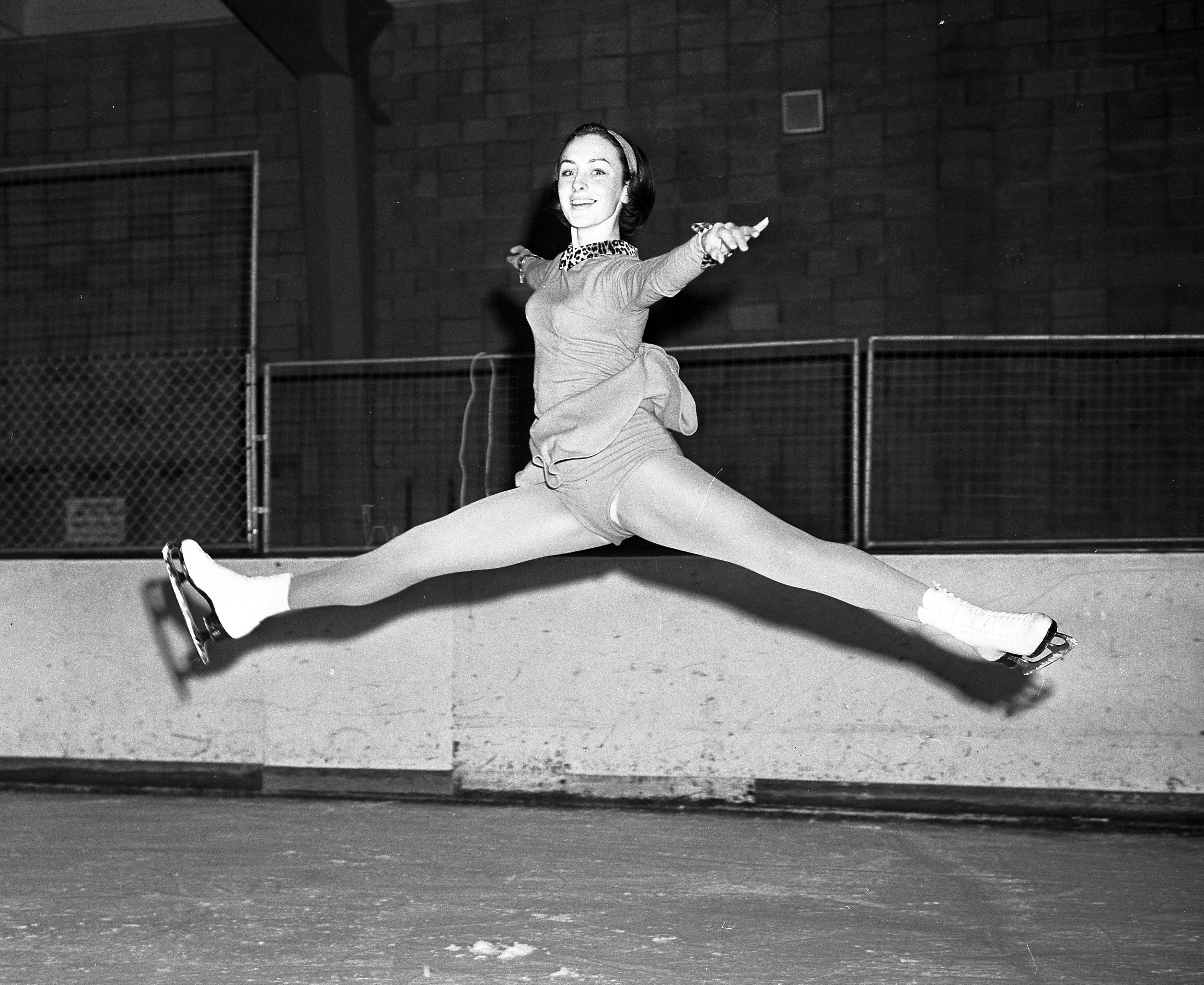
At fifteen, Fleming won her first senior U.S. national title in 1964 and made her Olympic debut at Innsbruck that same year, placing sixth. She retained the U.S. championship for five consecutive seasons, 1964 through 1968—a record of sustained competitive control. Internationally, she progressed from seventh at the 1964 World Championships to bronze in 1965, then won three consecutive world titles from 1966 through 1968, establishing herself as the dominant skater of her era.
Fleming's competitive career reached its zenith at the 1968 Grenoble Winter Olympics. She built a commanding advantage in compulsory figures and won the women's singles gold medal, becoming the only American gold medalist at those Games. Her chartreuse costume, made by her mother Doris Fleming, became an iconic image that was widely televised in the United States and helped link elite skating technique to a composed, legible performance identity that audiences could immediately recognize.
After defending her world title later in 1968, Fleming retired from eligible competition and moved into professional skating and television work, where she extended her public visibility through specials and touring productions. Her most enduring contribution came through broadcasting: Fleming became a long-serving television analyst who brought a champion's understanding of edges, body line, program construction, and competitive pressure to generations of viewers, helping shape how the sport was understood and interpreted. This second career ensured that Fleming did not recede into history but remained an active steward of skating culture itself.
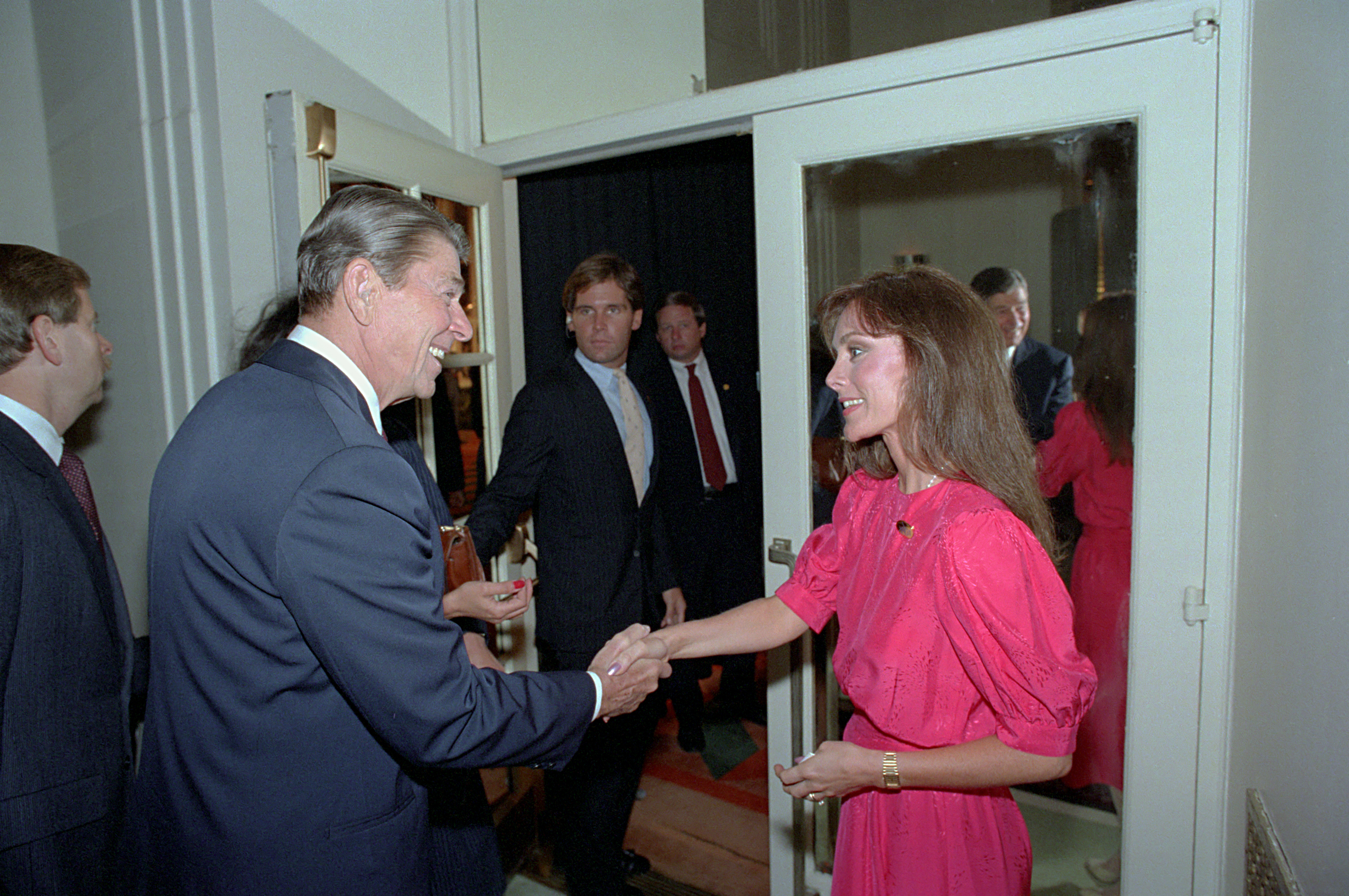
Fleming's honors reflect both her competitive excellence and her broader influence on the sport. She was inducted into the U.S. Olympic Hall of Fame in 1983 and recognized by Team USA. Colorado College, where she studied during her competitive years, awarded her an honorary Doctor of Humane Letters in 1998, and a residence hall on campus carries her name. Throughout her later life, Fleming has spoken publicly about the 1961 crash and the skating community's capacity to mourn and rebuild, positioning herself as a keeper of the sport's collective memory.
Career Highlights
Born July 27 in San Jose, California. U.S. Olympic & Paralympic Museum U.S. Olympic & Paralympic Museum
Lost her coach William Kipp when Sabena Flight 548 killed the U.S. World Team and coaches en route to Prague. U.S. Olympic & Paralympic Museum U.S. Olympic & Paralympic Museum
Won the first of five consecutive U.S. senior titles and placed sixth at the Innsbruck Winter Olympics. U.S. Olympic & Paralympic Museum U.S. Olympic & Paralympic Museum
Won the bronze medal at the World Championships. U.S. Olympic & Paralympic Museum U.S. Olympic & Paralympic Museum
Won her first World Championship, coached by Carlo Fassi in Colorado Springs. California Museum California Museum
Defended both her U.S. and world titles. Colorado Sports Hall of Fame Colorado Sports Hall of Fame
Won a fifth consecutive U.S. title, the Grenoble Olympic gold medal, and a third consecutive World Championship. U.S. Olympic & Paralympic Museum U.S. Olympic & Paralympic Museum
Retired from eligible competition and moved into professional skating and television work. Colorado Sports Hall of Fame Colorado Sports Hall of Fame
Entered the U.S. Olympic Hall of Fame class recognized by the U.S. Olympic & Paralympic Museum. U.S. Olympic & Paralympic Museum U.S. Olympic & Paralympic Museum
Was diagnosed with breast cancer and subsequently became an advocate for early detection. National Women’s History Museum National Women’s History Museum
Received an honorary Doctor of Humane Letters from Colorado College. National Women’s History Museum National Women’s History Museum
Legacy & Impact
Fleming matters to contemporary skaters for three interlocking reasons. First, her five consecutive U.S. titles and three consecutive world championships established a standard of sustained competitive excellence. Second, she demonstrated that technical mastery—secure edges, clear lines, and disciplined control through compulsory figures—could be made to look unforced and musical, a lesson that influenced aesthetic values in the sport long after the figures themselves were retired. Third, her television work and public presence created the model for how elite skaters could extend their authority and voice beyond competition, shaping the sport's interpretation for new generations. She represents both the tangible recovery of American skating after the 1961 tragedy and the enduring power of a skater who chose to remain engaged with her community.


Explore More Legends
Discover the dancers, teachers, choreographers, and cultural icons who shaped how the world moves.
Keep the thread going
Dance history, technique, and the occasional rabbit hole — in your inbox. Thoughtful, infrequent, unsubscribe anytime.
Free. No spam. One click to leave.