Philippe Genty
Legend of Dance
Why They Matter
Philippe Genty matters to dance because his theater refuses to grant the live human body automatic dominance. Dancers and actors may become puppet-like, scenery may behave like a partner, and a small object may carry the scene's emotional center. In collaboration with Mary Underwood and generations…
Watch
Philippe Genty — Lands End — LIVE 1/3
Zycopolis Productions
A full-watch production-company upload showing how performers, materials and stage illusion share agency.
Philippe Genty — Lands End — LIVE 3/3
Zycopolis Productions
A second segment useful for sustained analysis of the production's visual and choreographic logic.
Biography
Philippe Genty is a French visual-theater director and artist whose work dissolved boundaries between puppet, dancer, object, material, light and dream image. Born in France in 1938, Genty trained in graphic and applied arts before undertaking a transformative journey from 1962 to 1966. With UNESCO support, he traveled across forty-seven countries in a Citroën 2CV, documenting puppet theaters and performers—fieldwork that exposed him to numerous traditions and scales of animation without making him the originator of the forms he encountered. That exposure gave his later theater a broad visual vocabulary.
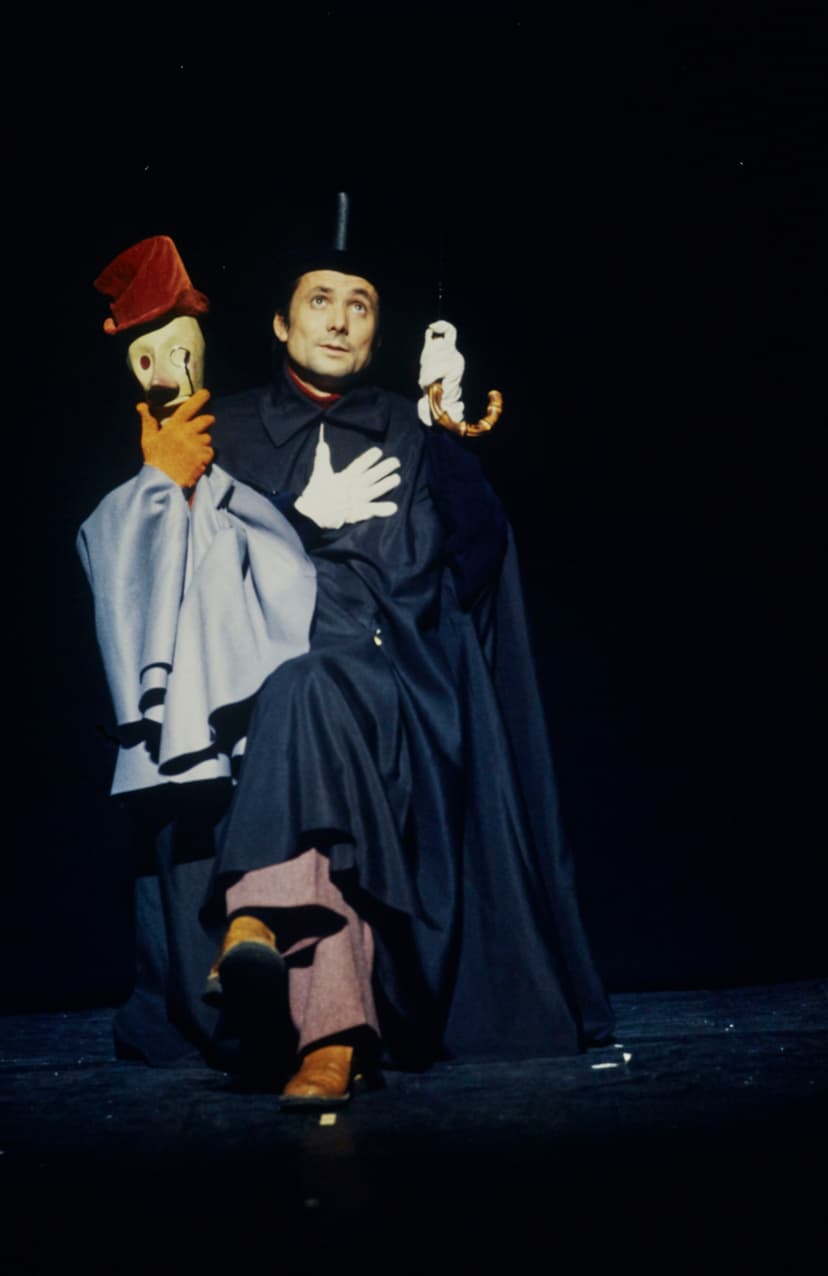
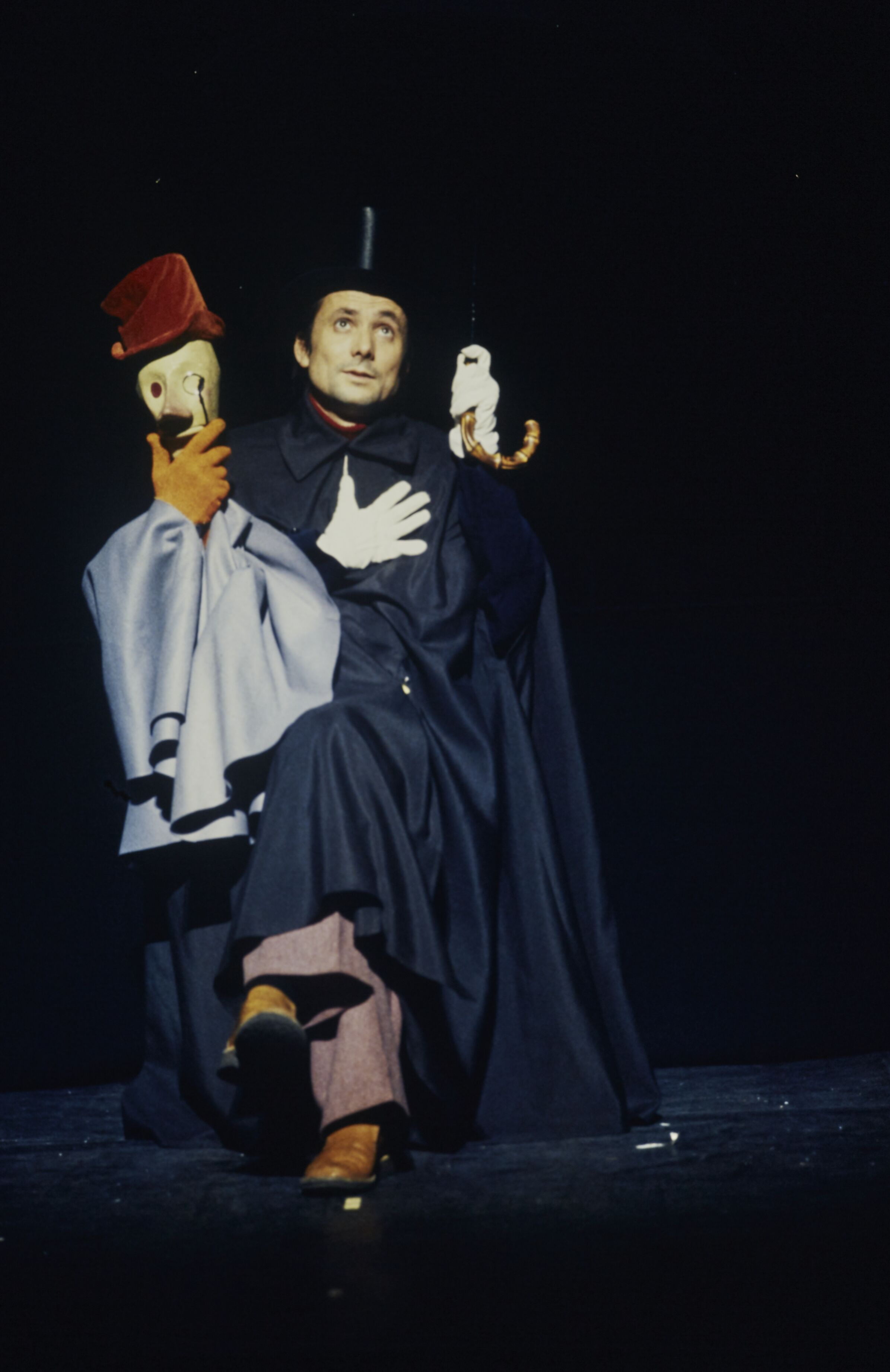
Genty established his company in 1968. Early appearances in cabaret, music hall and television included the Bobino, Olympia and Casino de Paris, with extensive touring during the 1970s. A celebrated Pierrot scene, in which the puppet cuts its own strings, demonstrates an enduring concern: the unstable boundary between operator and operated body.
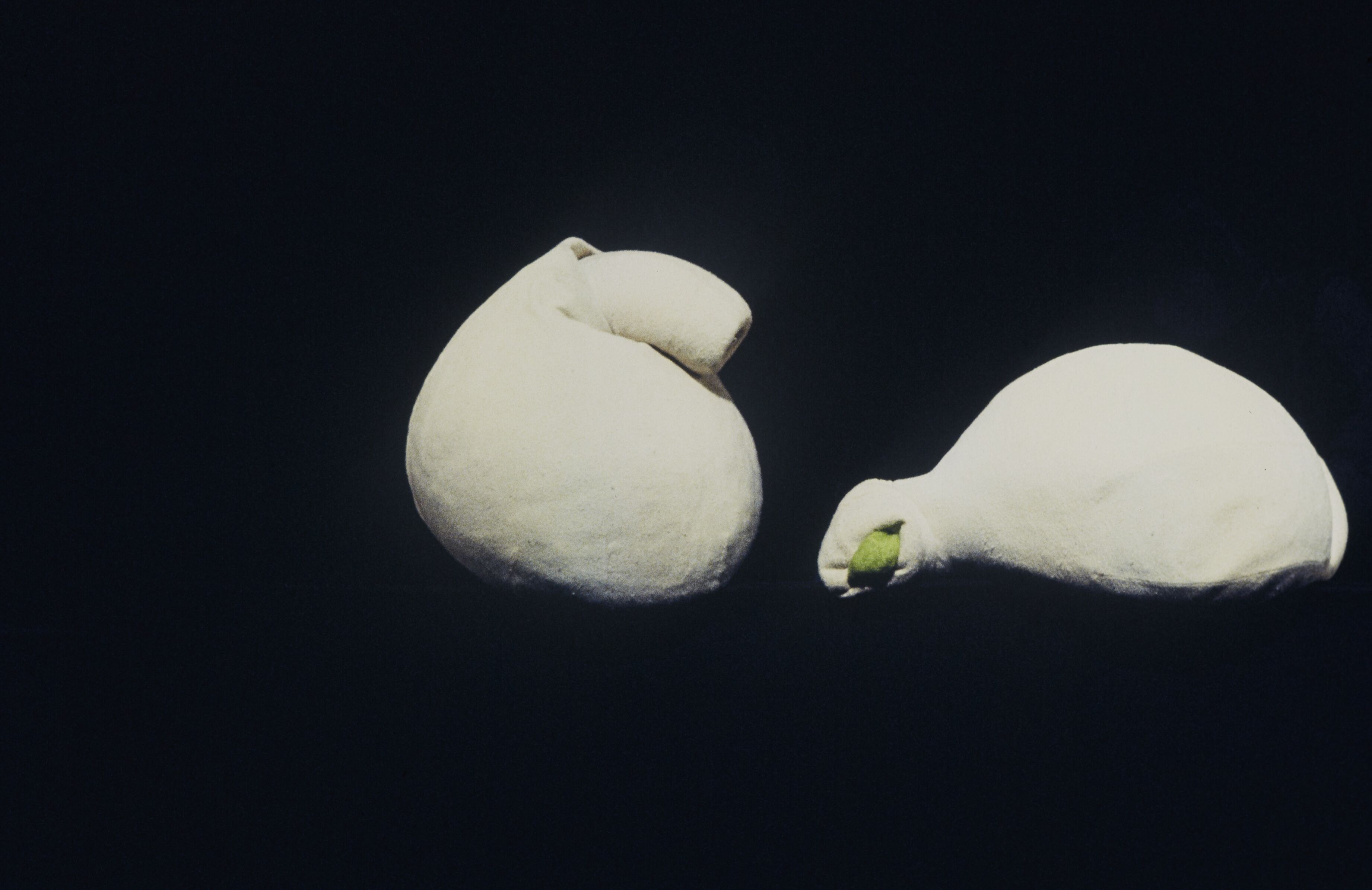
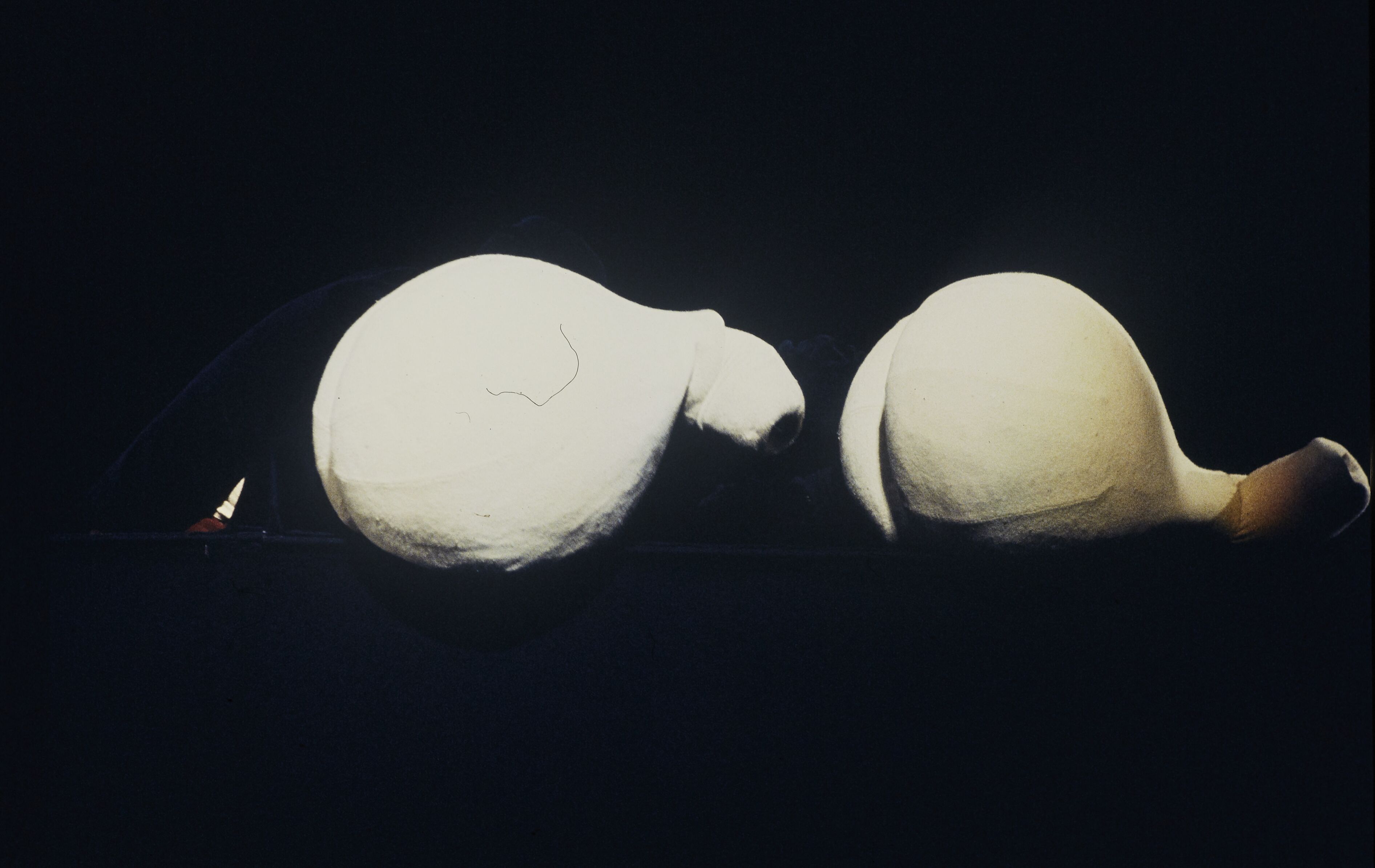
The company's mature language developed through Genty's sustained partnership with choreographer and performer Mary Underwood. Rather than placing dance beside puppetry as separate attractions, their productions made human bodies, constructed figures and raw materials exchange roles. Paper, fabric and plastic could swell into landscapes; performers could appear controlled like mannequins; and puppets could command the stage with human-scale emotional force. Official credits consistently distinguish Genty as artistic director and Underwood as choreographic director.
From the 1980s onward, regular presentations at Paris's Théâtre de la Ville and extensive international touring established the company as a leading force in nonverbal visual theater. Works such as *Rond comme un cube*, *Sigmund Follies*, *Dérives*, *Ne m'oublie pas* (*Forget Me Not*) and *Voyageur immobile* (*Motionless Traveller*) used dream logic rather than linear explanation. Scale shifted abruptly, visible bodies became extensions of sets, and stage mechanics produced images that appeared to violate gravity or agency.
*Ne m'oublie pas* (*Forget Me Not*), created in 1992 with Mary Underwood as choreographic director and later rewritten with Norwegian student-performers, is especially important to the dance-puppetry intersection. Half-human, half-mannequin ensembles destabilize the viewer's certainty about which bodies are alive and which are being animated. The published credits name René Aubry as composer and Eric de Sarria among the assistants, underscoring the work's collective construction.
Genty's influence lies as much in a method of attention as in particular illusions. His theater asks performers to manipulate while dancing, to surrender individual centrality to an object or material, and to make scenic transformation emotionally legible. The company has transmitted those practices through touring, workshops and revivals, while recordings preserve examples of Genty's performance language.
Career Highlights
Began a four-year, UNESCO-supported journey documenting puppet theaters across forty-seven countries. Compagnie Philippe Genty
Completed the principal world-documentation expedition that informed his later approach to animation and visual theater. UNIMA
Founded Compagnie Philippe Genty. Compagnie Philippe Genty
The Facéties / Pierrot period began, bringing the company wider recognition in French venues and international touring. official archive
Expanded sustained international touring across Europe, the Americas, Asia, Africa and Australia. Compagnie Philippe Genty
Created Rond comme un cube with Mary Underwood, an important step toward the company's mature dream-theater vocabulary. UNIMA
Created Ne m'oublie pas (Forget Me Not) at the Théâtre de la Ville in Paris with choreographic direction by Mary Underwood. Compagnie Philippe Genty
Voyageur immobile continued the company's exploration of unstable scale, memory and animated materials. UNIMA
A reworking of Voyageur immobile as Voyageurs immobiles renewed the repertory for another generation of performers. Compagnie Philippe Genty
Recreated Forget Me Not with students from Nord-Trøndelag University College in Norway, explicitly crediting Genty and Underwood's distinct artistic and choreographic roles. official production page
Gallery
Legacy & Impact
Philippe Genty and Mary Underwood matter to contemporary dance because their theater refuses to grant the live human body automatic dominance. Dancers and actors may become puppet-like, scenery may behave like a partner, and a small object may carry the emotional center of a scene. In their sustained collaboration with generations of performers and designers, they helped establish an international visual-theater language in which choreography includes bodies, objects, fabric, light and stage machinery. Their work remains essential to movement practice that crosses genre boundaries.

Explore More Legends
Discover the dancers, teachers, choreographers, and cultural icons who shaped how the world moves.
Keep the thread going
Dance history, technique, and the occasional rabbit hole — in your inbox. Thoughtful, infrequent, unsubscribe anytime.
Free. No spam. One click to leave.