Raoul Auger Feuillet
Legend of Dance
Why They Matter
Feuillet matters because he transformed a movement system into a reproducible publishing practice. The pages made dances portable across teachers, cities, courts and generations, while later translations widened their reach. His books now allow historians and performers to reconstruct spatial and rh
Styles Raoul Auger Feuillet shaped
Each one links to the style’s own page — its origins, music, tempo and video.
Biography
Raoul Auger Feuillet was a French choreographer, dancing master, and notator who fundamentally changed how dance could be preserved and transmitted. Born in 1659 or 1660, he worked at the court of Louis XIV during a period when dance served as both artistic practice and visible language of social rank. His name is inseparable from a notation system that allowed sophisticated choreography to be recorded on paper with precision.
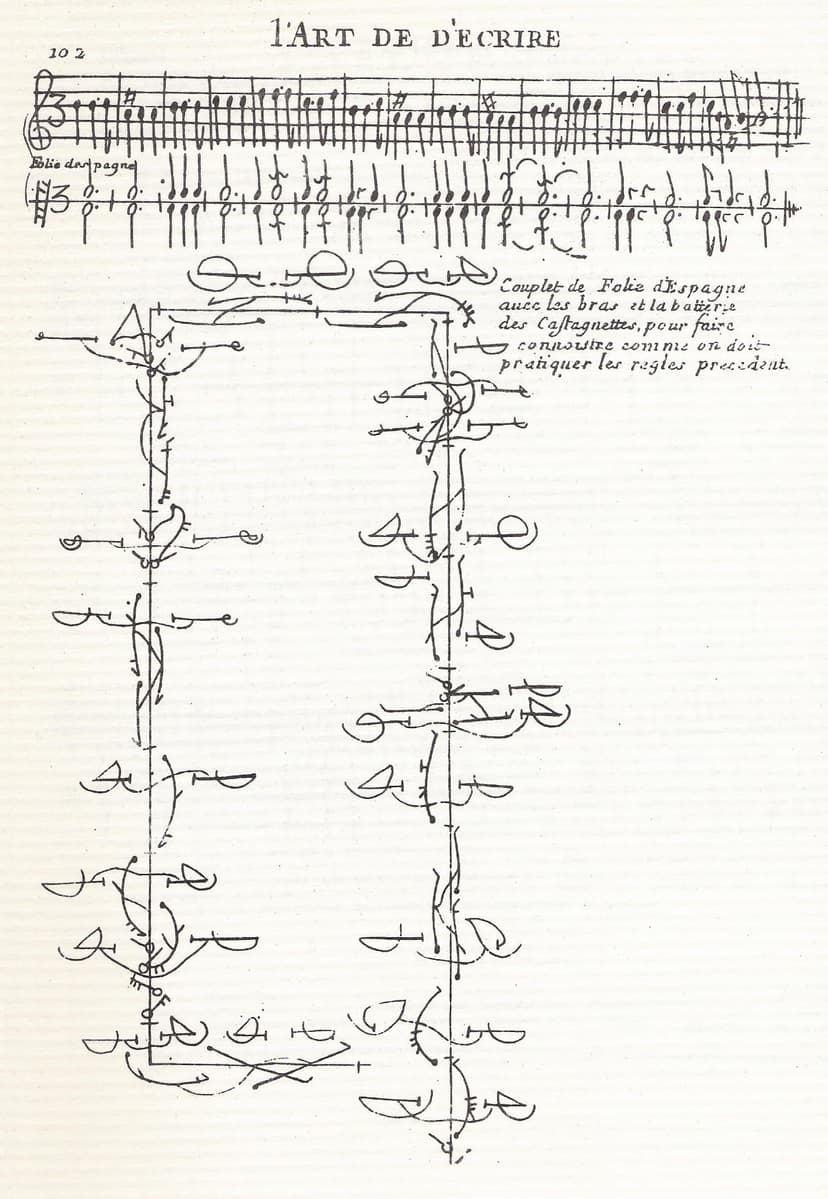
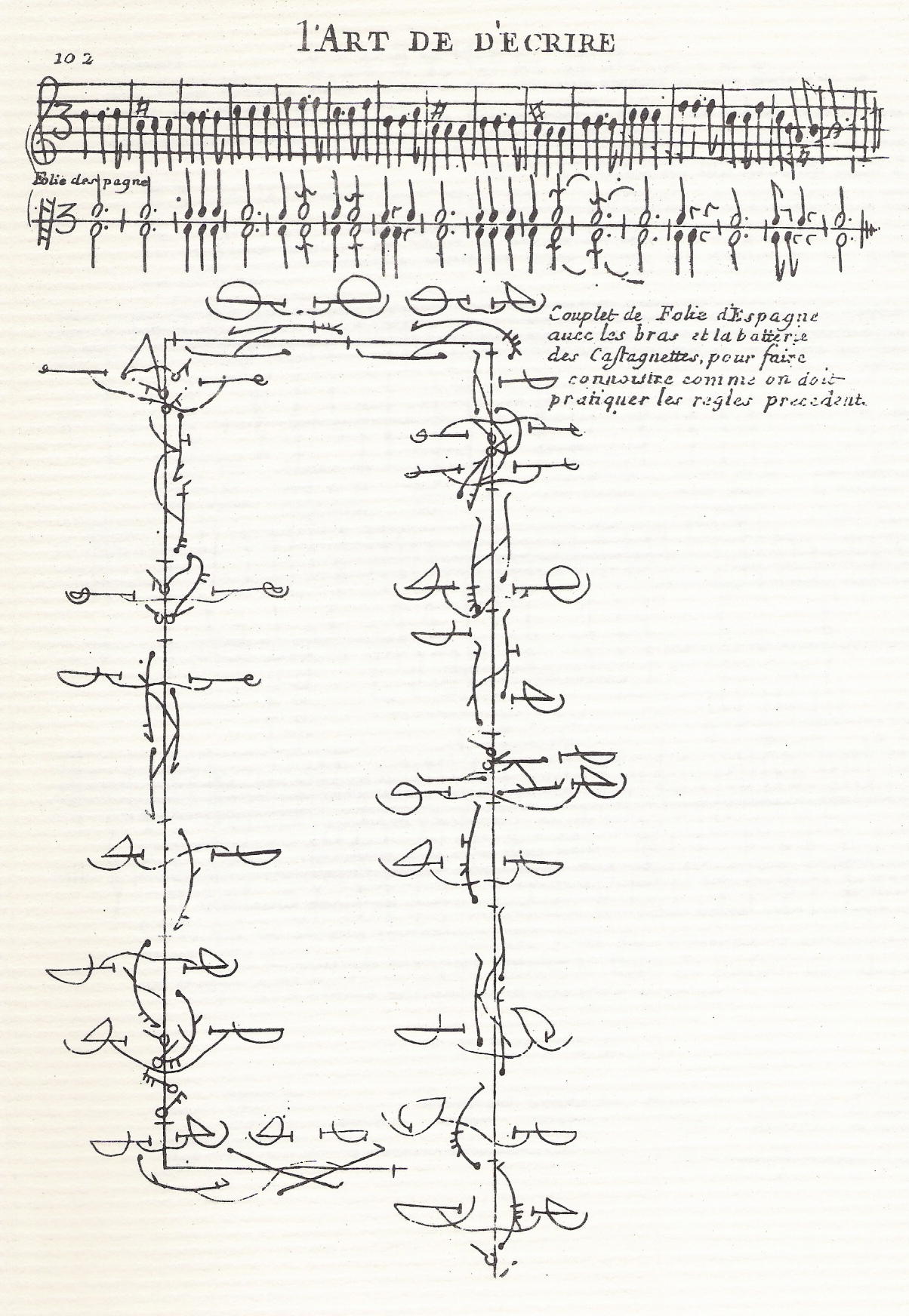
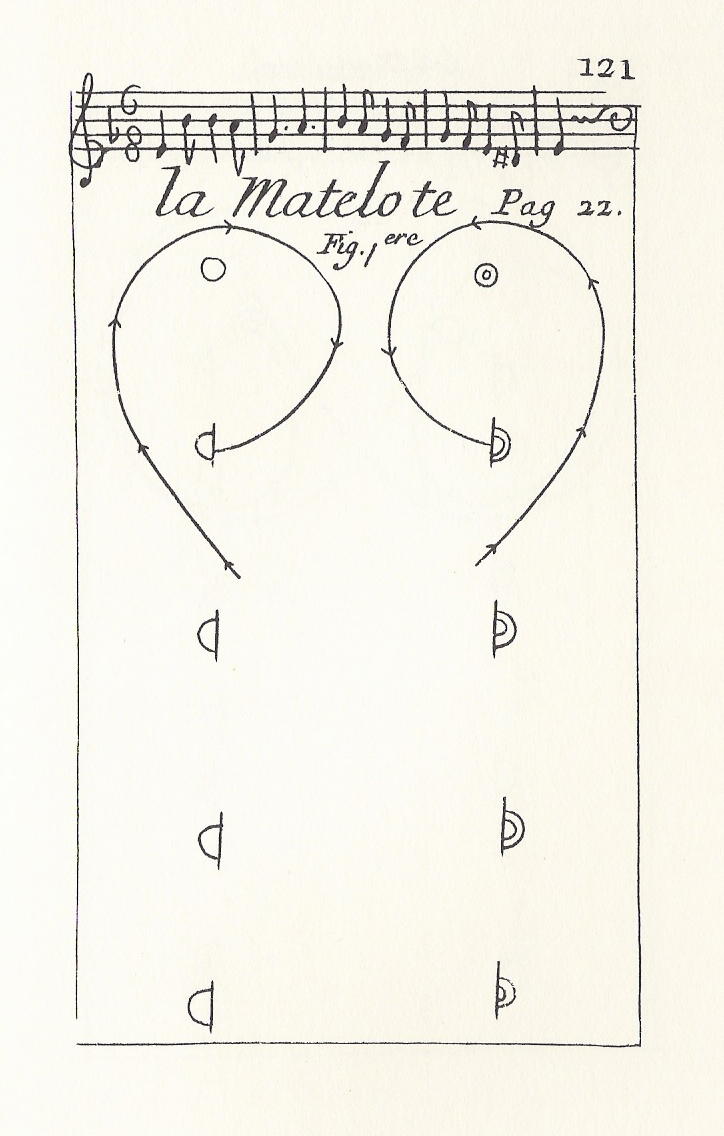
The system that bears his name did not originate with him alone. Pierre Beauchamp had developed its foundations under royal patronage; Feuillet's role was to systematize it and publish it in detail. In 1700, Feuillet released *Chorégraphie, ou l'art de décrire la danse par caractères, figures et signes démonstratifs*, a manual that explained the graphic vocabulary and showed how step sequences related to space and musical measures. The innovation lay in making choreography reproducible: a reader could follow floor tracks for one or more dancers and locate actions within metric structure.
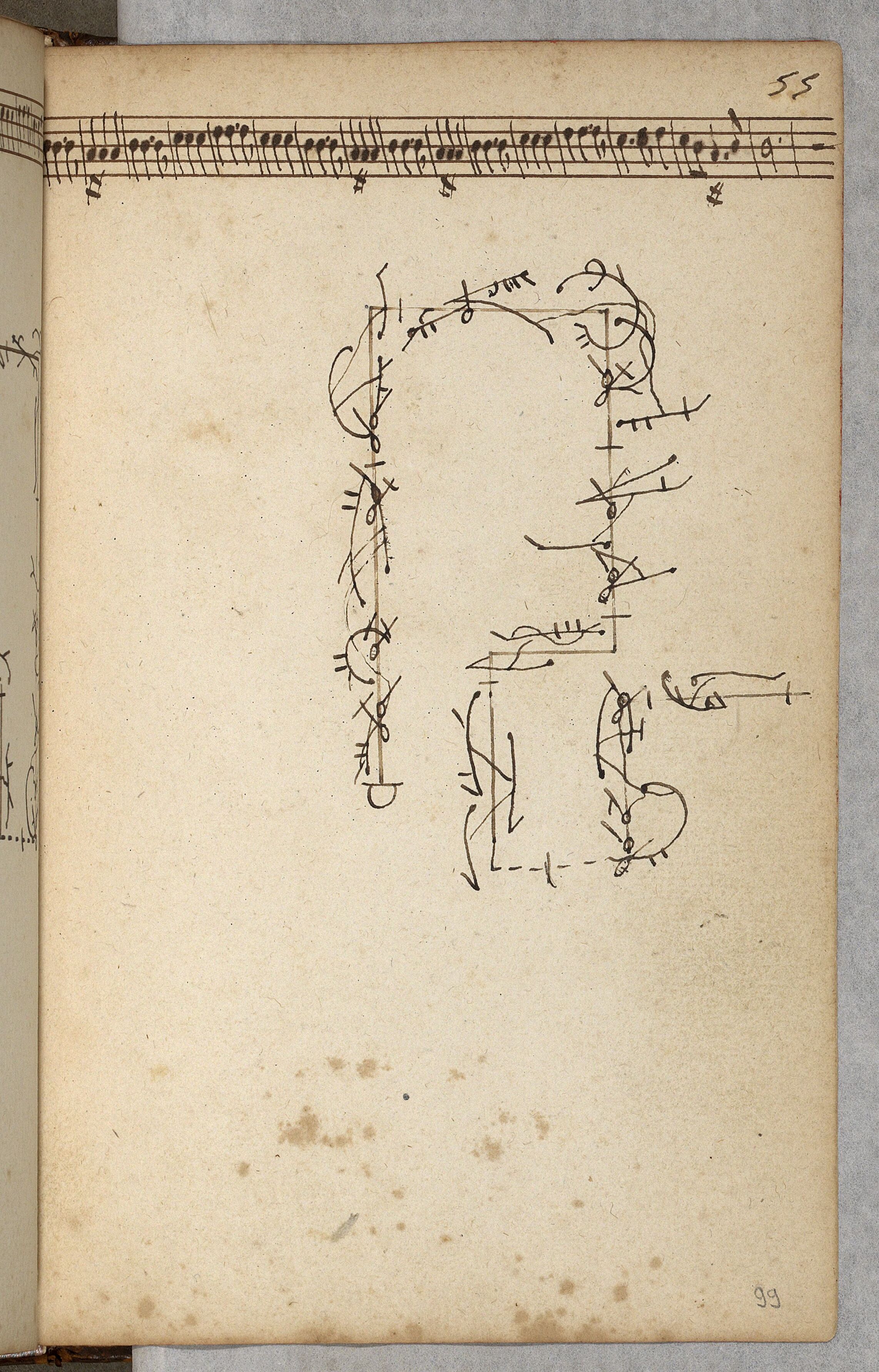
Feuillet then established printing as a repertory-distribution system. His collections contained dances attributed to himself and to the leading choreographer Guillaume-Louis Pécour, ranging from ballroom dances to theatrical entrées. A 1704 volume preserved by the Morgan Library recorded the interweaving paths of performers in André Campra's *Tancrède*. These published books allowed choreography to move beyond the memory and presence of a single master.
The notation system crossed borders rapidly. John Weaver translated *Chorégraphie* into English as *Orchesography* in 1706, and English collections preserved by the Library of Congress show how the vocabulary entered British dancing-master culture. Feuillet's 1706 *Recueil de contredances* adapted English country-dance material for French readers, demonstrating that notation mediated exchange among dance cultures rather than simply exporting French style. Feuillet died on 14 June 1710, but his published system remained in active use and evolution throughout the eighteenth century and beyond.
Career Highlights
Feuillet was born in France; the year remains approximate in BnF and Library of Congress authority data.
He was active as a French dancing master and choreographer in the court culture of Louis XIV, according to the BnF.
Feuillet published Chorégraphie, the first detailed printed exposition of the system now called Beauchamp–Feuillet notation.
He also issued dance collections that put his notation into practical repertory circulation, including dances associated with Guillaume-Louis Pécour.
A Recueil de dances preserved by the Morgan Library records stage and social choreographies, including a duet from Campra's Tancrède.
Pierre Beauchamp formally contested Feuillet's credit for the notation system; the dispute underlies the modern shared attribution.
John Weaver published the English translation Orchesography, or the Art of Dancing.
Feuillet published Recueil de contredances, applying the notation to English country dances for a French readership.
A later Recueil de dances documented by the Library of Congress continued the circulation of choreographies by Feuillet and Pécour.
Feuillet died on 14 June, according to the BnF authority record.
Gallery
Legacy & Impact
Feuillet matters to dancers and historians because he made choreography portable across teachers, cities and generations through print. His books allow reconstruction of spatial and rhythmic decisions that would otherwise be lost to time. Modern performers and scholars depend on Beauchamp–Feuillet notation to understand how seventeenth- and eighteenth-century dances were structured, coordinated and timed. The notation also reveals its own limits: it records pathways, footwork and selected actions but not every qualitative nuance or gestural detail. This combination—archive and teaching tool, record and interpretive puzzle—keeps Feuillet's work vital to dance practice today.
Explore More Legends
Discover the dancers, teachers, choreographers, and cultural icons who shaped how the world moves.
Keep the thread going
Dance history, technique, and the occasional rabbit hole — in your inbox. Thoughtful, infrequent, unsubscribe anytime.
Free. No spam. One click to leave.