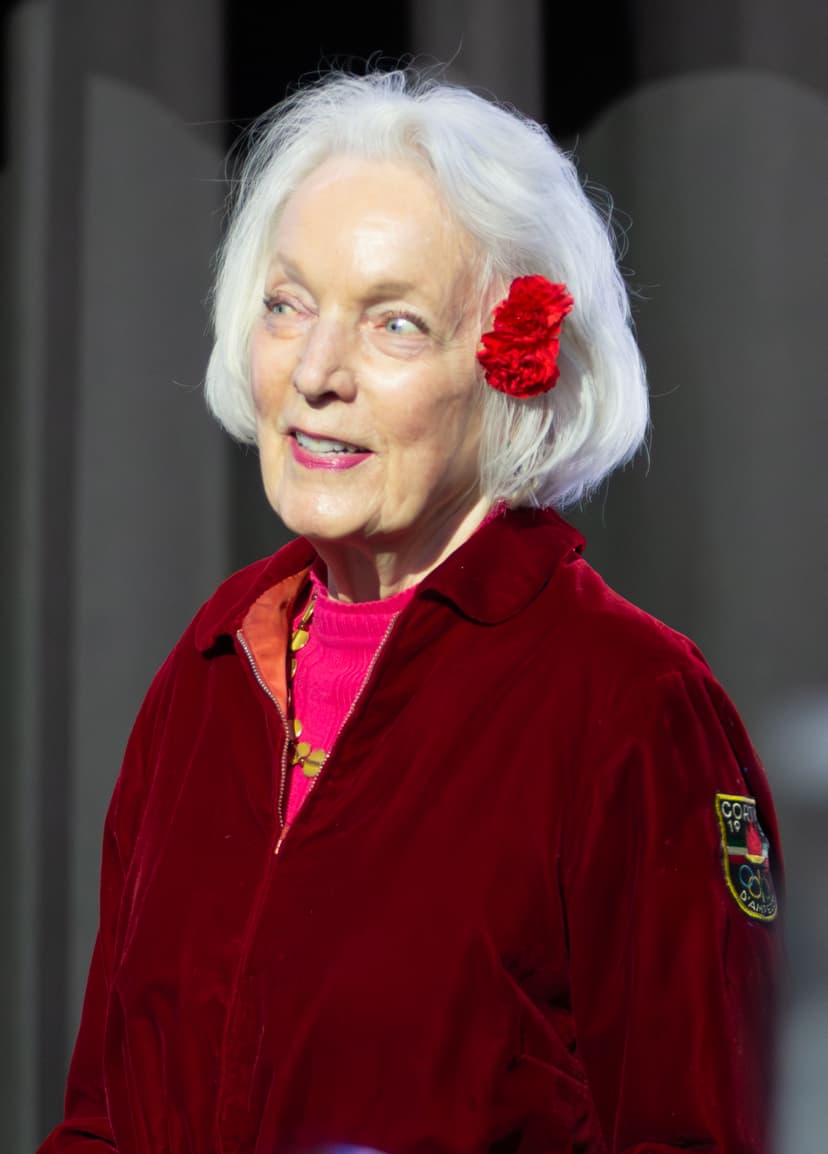
Tenley Albright
Legend of Dance
Why They Matter
Albright changed the horizon for American women’s skating. Her 1953 world title and 1956 Olympic gold helped establish the United States as a leading women’s singles nation and supplied a model later champions could name as part of their history. Her legacy is equally important beyond the rink: she
Watch
NEBH 2022 Gala: Together with Tenley Albright, MD
New England Baptist Hospital
Documents Albright's medical legacy and the relationship between her athletic and professional lives.
Biography
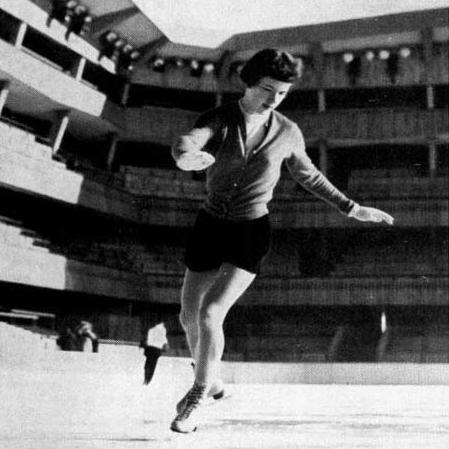
Tenley Emma Albright was born on July 18, 1935, in Newton Centre, Massachusetts. She began skating as a child at the Skating Club of Boston and rose quickly through the U.S. competitive system. In 1946, at age ten, she contracted polio; skating became part of her recovery and return to movement. By her sixteenth year, she began a run of five consecutive U.S. national senior titles and won the silver medal at the 1952 Winter Olympics in Oslo.
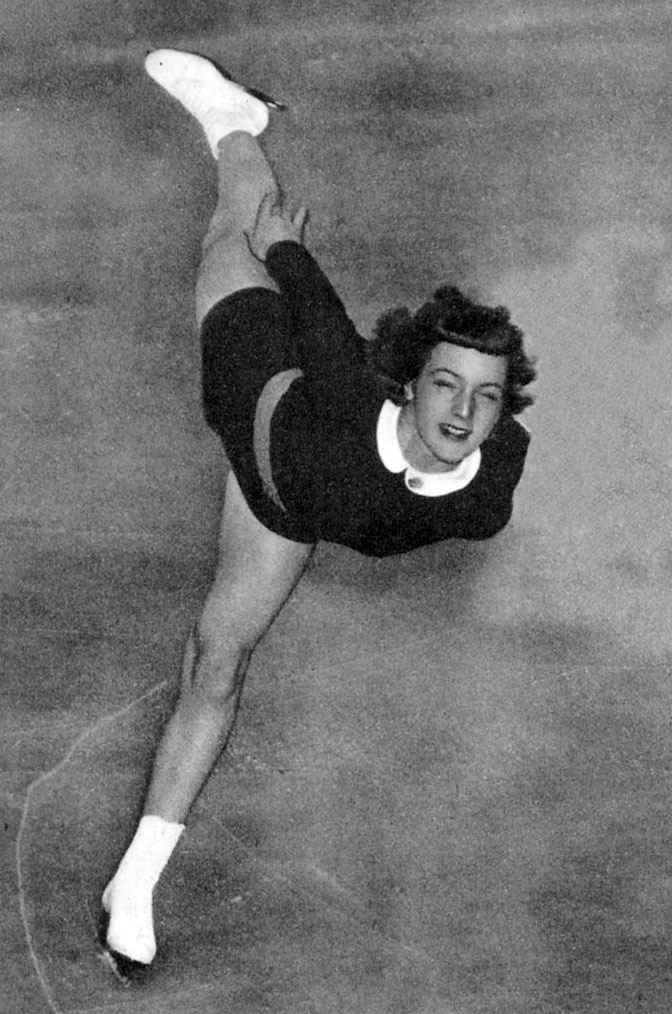
Albright's competitive breakthrough came in 1953 when she became the first American woman to win the world figure-skating championship. She added a second world title in 1955 while pursuing premedical study at Radcliffe College, balancing the era's demands in compulsory figures with an increasingly ambitious free-skating program. The defining moment of her skating career arrived shortly before the 1956 Winter Olympics in Cortina d'Ampezzo, when a fall caused a deep cut to her right ankle. She recovered sufficiently to compete and won the women's title, becoming the first American woman to earn Olympic figure-skating gold.
Albright retired from competition after the 1956 season and redirected her focus entirely to medicine. She graduated from Harvard Medical School in 1961 and practiced surgery for more than two decades while also teaching on the Harvard faculty. Her work extended to leadership connected with the National Library of Medicine, biomedical research, and science and health organizations. She became the first woman officer of the U.S. Olympic Committee in 1980 and helped develop its Athletes' Advisory Committee. The National Women's Hall of Fame inducted her in 1953, recognizing the breadth of her work in sport and medicine.
Albright's career demonstrates how precision and discipline operate across fields. The figure skating of the 1950s required exact tracings in compulsory figures and composed performance under scrutiny; surgery demanded different but equally exacting forms of control and observation. She left elite competition at its peak, completed rigorous medical training, and sustained leadership roles in both Olympic sport and medical institutions—a trajectory that resists conventional narratives about women athletes' public lives after retirement.
Career Highlights
Contracted polio and returned to skating during recovery.
Won the Olympic silver medal in women’s singles at Oslo and began a five-year run as U.S. national champion.
Became the first American woman to win the world figure-skating title.
Won a second world championship while pursuing premedical study at Radcliffe College.
Overcame a serious ankle laceration and won Olympic gold at Cortina d’Ampezzo, the first American woman to take the figure-skating title.
Retired from competitive skating after her championship season.
Graduated from Harvard Medical School and began a surgical and medical-education career.
Became the first woman officer of the U.S. Olympic Committee and helped develop its Athletes’ Advisory Committee.
Was inducted into the National Women’s Hall of Fame.
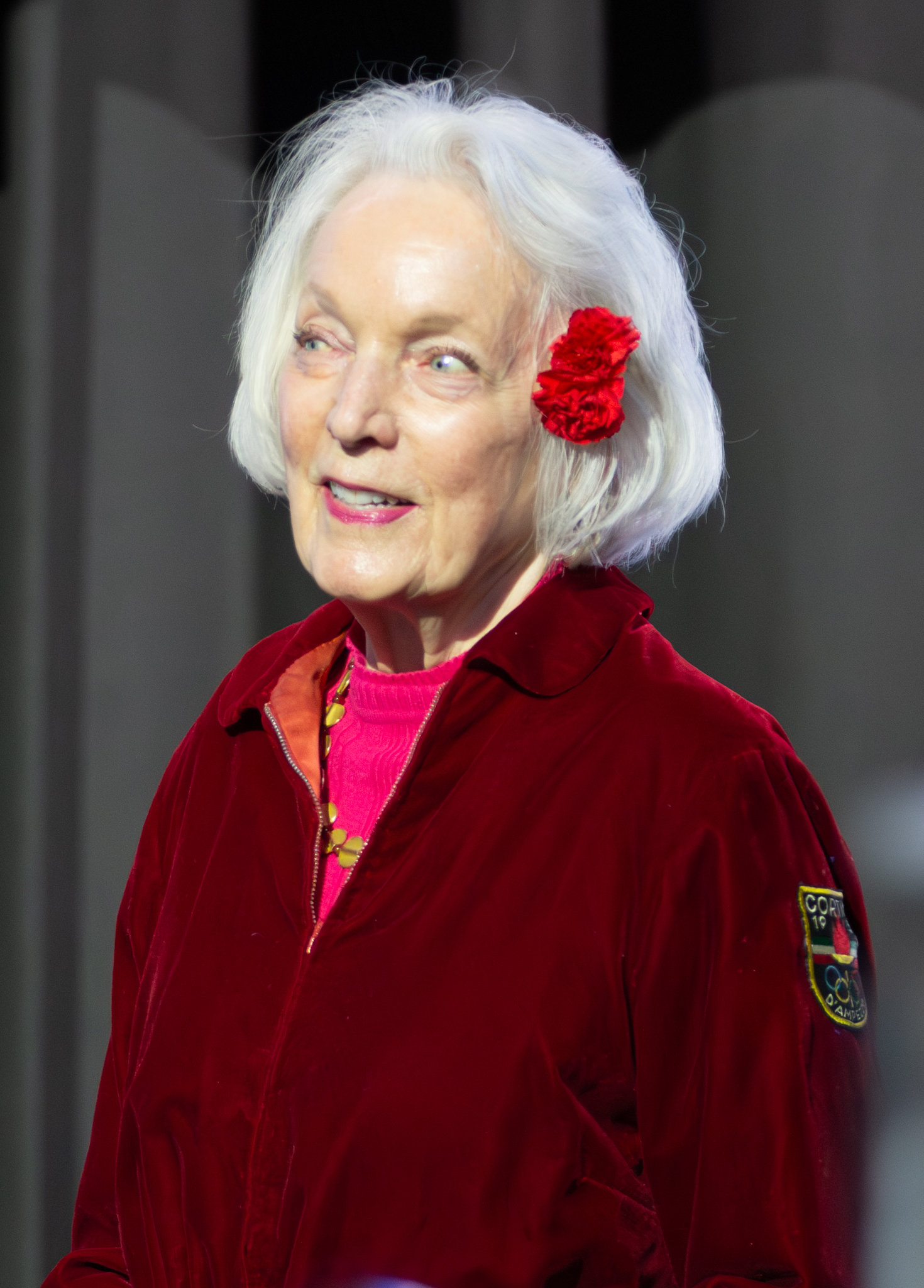
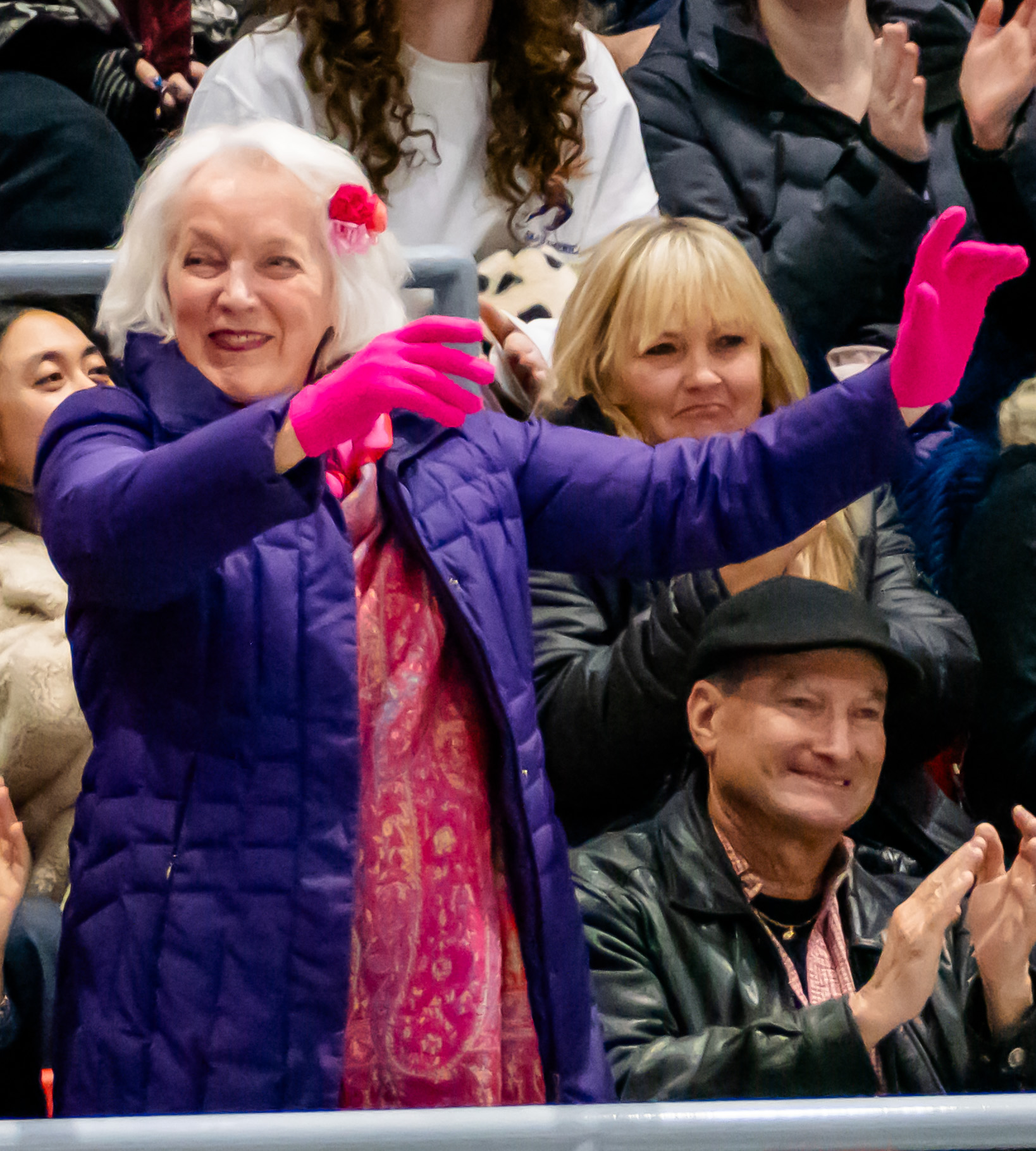
Received the Harvard Medical School Alumni Service Award and participated in U.S. figure-skating events commemorating the Cortina legacy.
Legacy & Impact
Albright changed the horizon for American women's figure skating. Her 1953 world title and 1956 Olympic gold established the United States as a leading women's singles nation and supplied a model later champions could reference as part of their history. Beyond the rink, her legacy challenges the assumption that an elite female athlete's public value ends with competition. She left at the height of fame, earned a surgical degree, practiced medicine, and served in scientific and Olympic leadership for decades—a combined record that remains unusual and instructive.


Explore More Legends
Discover the dancers, teachers, choreographers, and cultural icons who shaped how the world moves.
Keep the thread going
Dance history, technique, and the occasional rabbit hole — in your inbox. Thoughtful, infrequent, unsubscribe anytime.
Free. No spam. One click to leave.