Terry Kubicka
Legend of Dance
Why They Matter
Kubicka’s legacy is the fusion of elite jump content with an unmistakably theatrical use of inversion. The backflip made his 1976 Olympic program memorable beyond its seventh-place result and forced skating’s rule-makers to decide what kinds of risk and spectacle belonged in competition. His later w
Biography
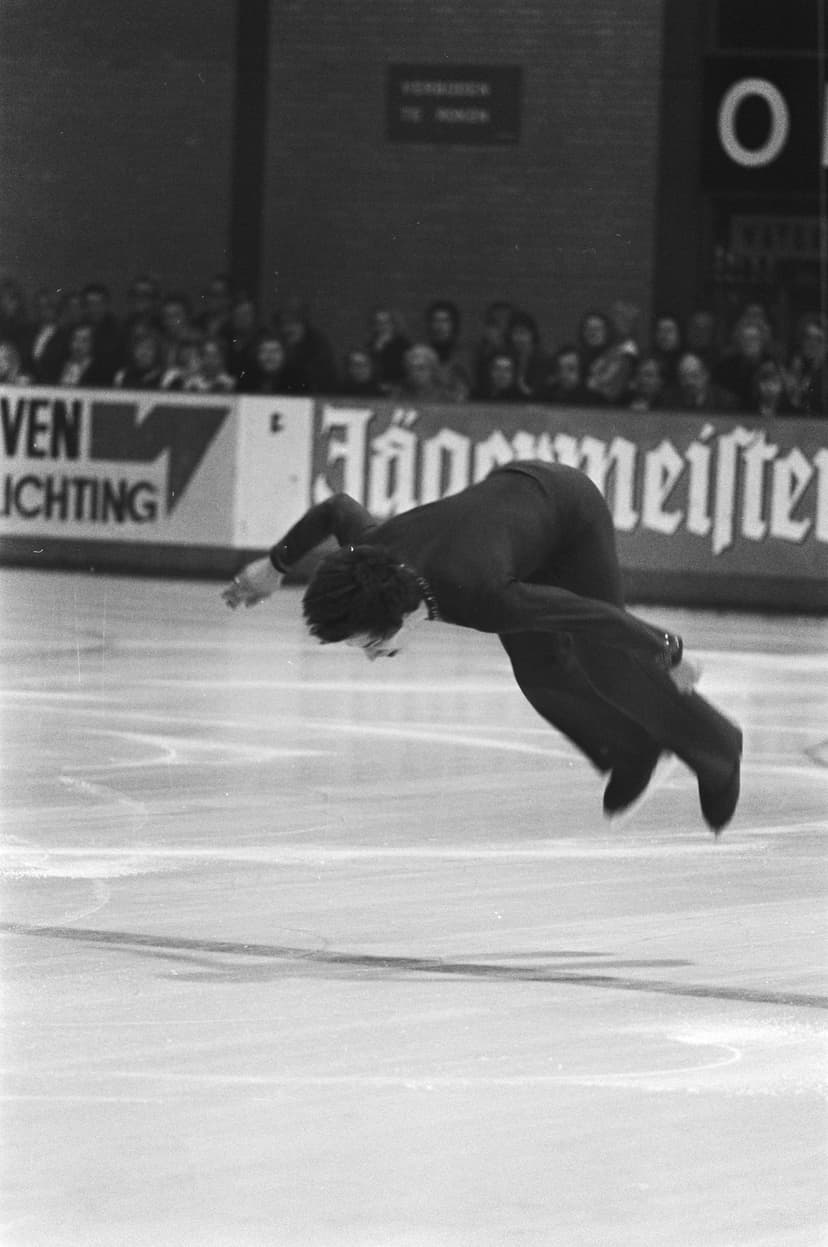
Terry Paul Kubicka, born April 3, 1956, in Long Beach, California, is the figure skater who performed the first backflip in Olympic competition and reshaped how the sport's governing bodies think about acrobatics on ice. Competing as a men's singles skater in the 1970s, Kubicka developed a technical range that included multiple triple jumps and earned him the 1974 Prague Skate title and a bronze medal at 1975 Skate Canada International.
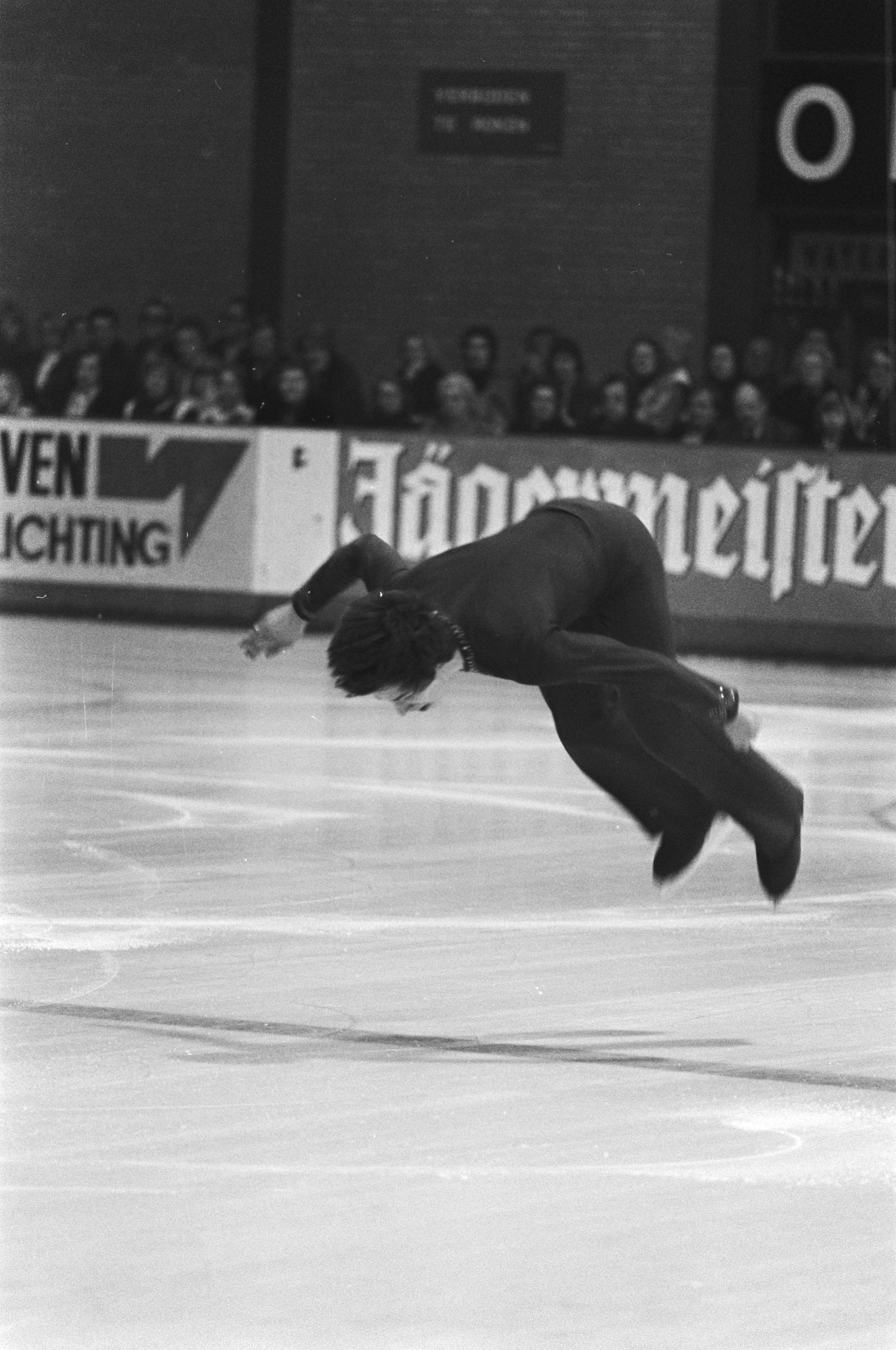
His breakthrough came at the 1976 U.S. Championships, where he won the men's title and performed a backflip during his free skate—an element that had no settled rule to reward or penalize it. That same season, at the Innsbruck Winter Olympics in February 1976, Kubicka finished seventh in the men's event. The placement understates what followed: his free skate included the first backflip ever performed in Olympic figure-skating competition, a moment that captivated audiences and forced skating's rule-makers to confront what belonged in elite sport.
The backflip Kubicka performed landed on two feet and resolved back into skating flow, working simultaneously as acrobatics, punctuation, and theatrical presence. By season's end, the International Skating Union prohibited somersault-type jumps, making Kubicka the last Olympic skater for decades to perform a backflip without violating the rules. That prohibition held until 2024, when the ISU removed it from Rule 610. The reversal created an ironic full circle: Kubicka served on the technical panel at the 2024 World Championships and had to apply a deduction to another skater's backflip—the final season before the element became legal again.
After his competitive career, Kubicka toured with Ice Capades for approximately three years before pursuing veterinary medicine. He returned to the sport as a technical specialist and official, a trajectory that situates his famous backflip within a longer institutional relationship with figure skating rather than as an isolated performance. In 2015, he was inducted into the U.S. Figure Skating Hall of Fame. His distinction shifted in 2024 when competitive backflips became legal, reframing him not as the performer of a banned move but as the athlete who exposed the tension between figure skating's codified technique, theatrical appetite, and acrobatic possibility.
Career Highlights
Won Prague Skate, according to the standard competition biography. Secondary biography Caution: confirm from event results before promotional use. Secondary biography
Earned bronze at Skate Canada International. Secondary biography Caution: confirm from event results before promotional use. Secondary biography
Won the U.S. men’s singles championship and performed a backflip during the event. U.S. Figure Skating U.S. Figure Skating
Finished seventh in men’s singles at the Innsbruck Winter Olympics. Official Olympic results Official Olympic results
Became the first skater to perform a backflip in Olympic figure-skating competition. Olympics Olympics
Ended the season before the ISU prohibited somersault-type jumps, leaving his Olympic backflip legal under the rules then in force. U.S. Figure Skating U.S. Figure Skating
Was inducted into the U.S. Figure Skating Hall of Fame. Hall of Fame Hall of Fame
Served on the men’s technical panel at the World Championships during the last season in which the backflip still drew a deduction. U.S. Figure Skating U.S. Figure Skating
Saw the ISU remove somersault-type jumps from the list of illegal elements, ending a prohibition associated with the aftermath of his 1976 performances. U.S. Figure Skating U.S. Figure Skating
Gallery
Legacy & Impact
Kubicka's legacy rests on merging elite jump technique with unmistakably theatrical inversion. His 1976 Olympic backflip forced skating's rule-makers to define what kinds of risk and spectacle belonged in competition—a question that dominated international skating governance for nearly five decades. His later work as a technical specialist gives unusual depth to that history: he moved from testing the boundary to administering it, then lived to see the boundary redrawn, offering both continuity and perspective on how sport evolves.


Explore More Legends
Discover the dancers, teachers, choreographers, and cultural icons who shaped how the world moves.
Keep the thread going
Dance history, technique, and the occasional rabbit hole — in your inbox. Thoughtful, infrequent, unsubscribe anytime.
Free. No spam. One click to leave.