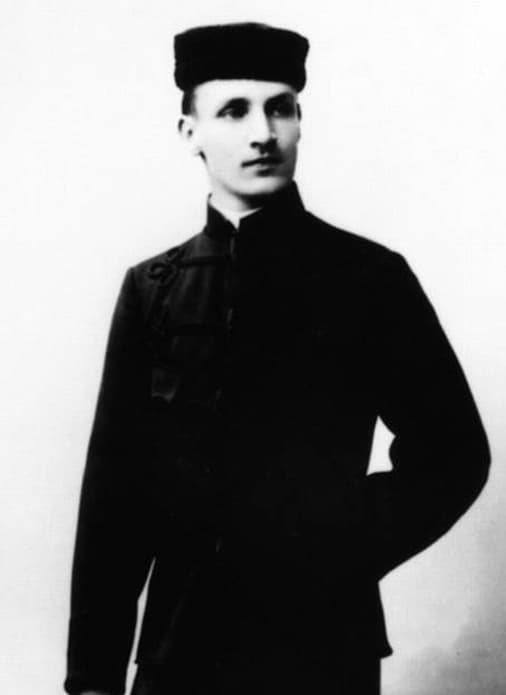
Karl Emil Julius Ulrich Salchow
Legend of Dance
Why They Matter
Salchow’s legacy operates on three levels. Competitively, ten World and nine European titles make him one of the most decorated championship skaters in history. Institutionally, his ISU presidency placed a former champion inside the governance of an expanding international sport. Technically, the ju
Watch
Tales of the Blade — Ulrich Salchow
In The Loop podcast/video
Long-form contextual discussion useful for identifying research questions
Biography
Karl Emil Julius Ulrich Salchow was born in Copenhagen on August 7, 1877, and became a Swedish citizen and sporting representative. His competitive career spanned more than two decades, beginning in an era when outdoor ice, compulsory figures, and a young international championship structure shaped elite skating. Salchow's first sustained run of World Championships began in 1901, when he won five consecutive titles through 1905. He returned to win another five World titles from 1907 through 1911, bringing his total to ten—a benchmark later matched by Sonja Henie and Irina Rodnina in their respective disciplines. He also claimed nine European Championships across the years 1898–1900, 1904, 1906–1907, 1909–1910, and 1913.
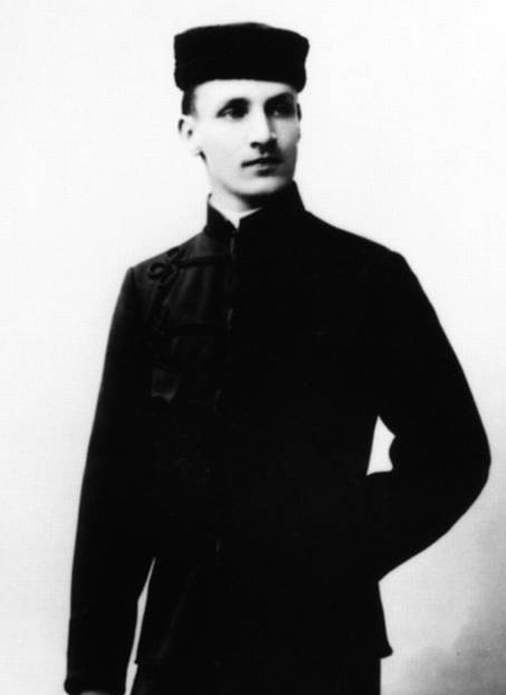
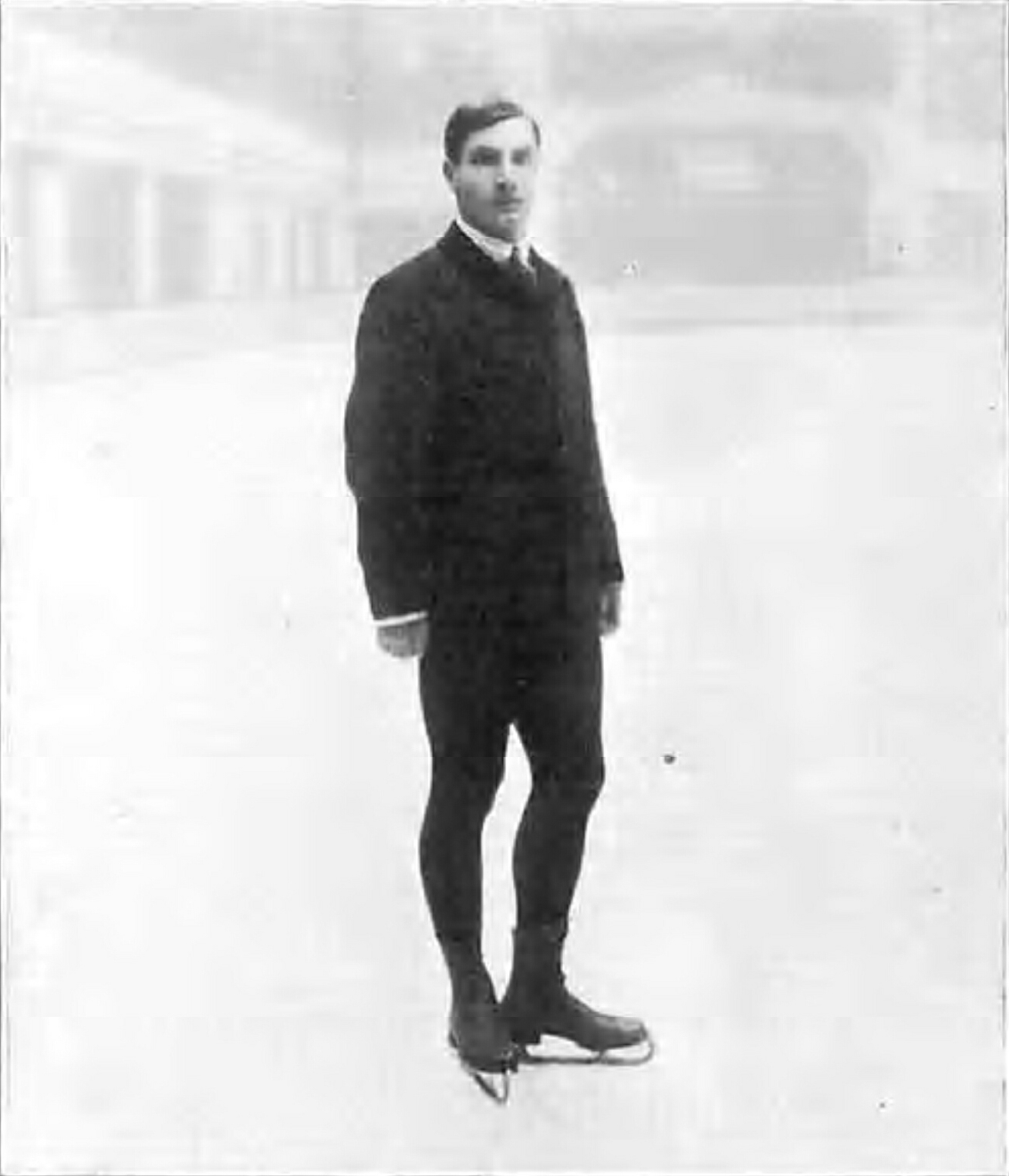
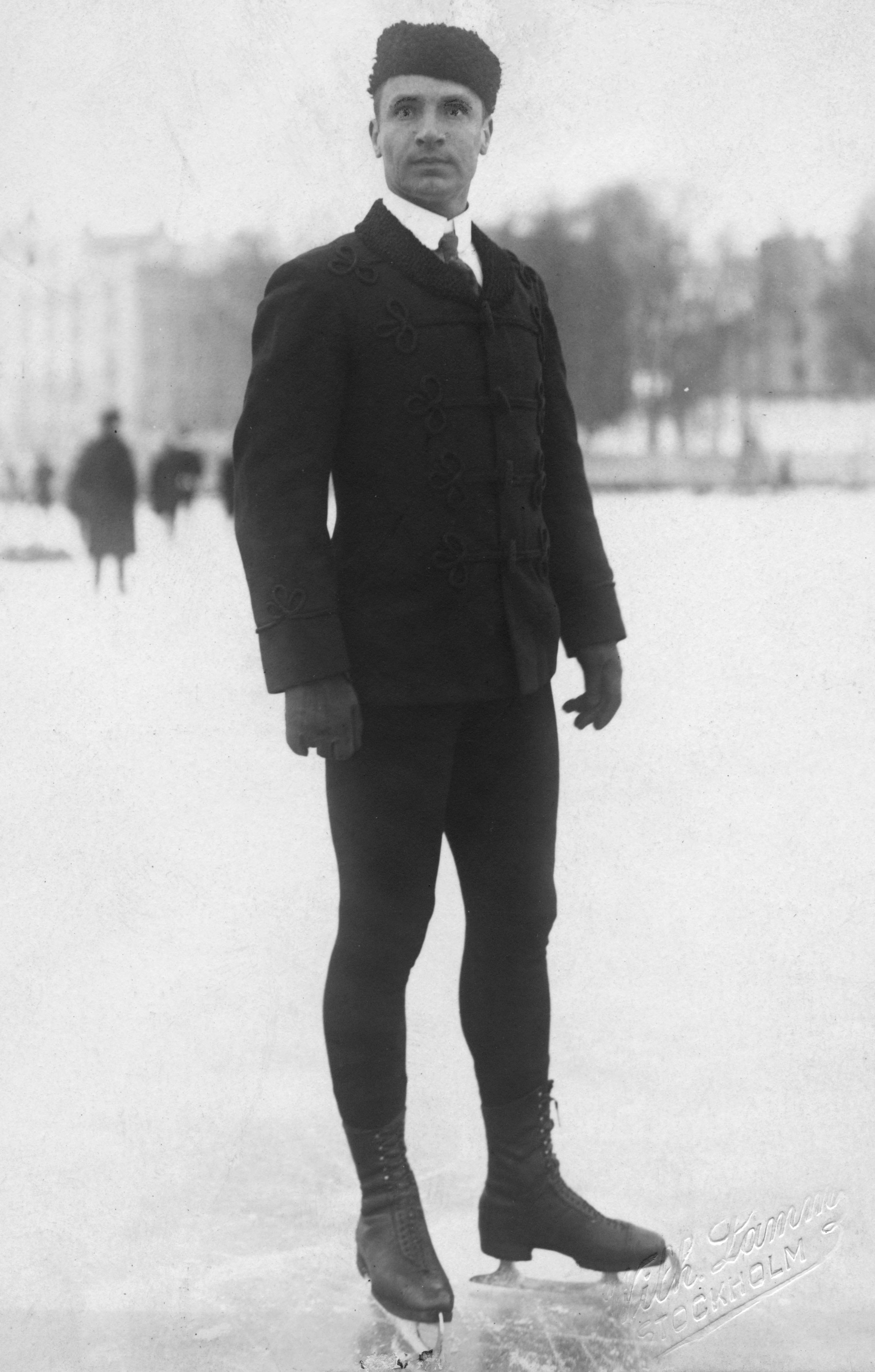
Figure skating entered the Olympic program at the 1908 London Summer Games as part of the Summer Olympics. Salchow won the men's singles event, becoming the discipline's first Olympic men's champion. The visual record from surviving contemporary photographs confirms the skating world of that era, though such images cannot alone reconstruct an entire program or scoring decision. Salchow remained competitive at the Antwerp Olympic Games in 1920, placing fourth at forty-two years old.
In 1909, Salchow introduced the jump that now bears his name. The movement begins from a backward inside edge, uses the free leg and body rotation to leave the ice, and lands on the backward outside edge of the opposite foot. The surviving film record dates from 1911, confirming the jump's place in competitive skating. Modern skaters execute single, double, triple, and quadruple Salchows, but later rotational development should not be back-projected into Salchow's original performance. His achievement was the codification and competitive introduction of a recognizable edge-jump mechanism—a technical contribution that created a direct line from early twentieth-century skating to contemporary programs.
After his competitive career ended, Salchow remained a governing figure in the sport. He served as president of the International Skating Union from 1925 to 1937 and held several terms leading the Swedish Skating Association. Salchow died in Stockholm on April 18, 1949. His influence outlived both the judging systems of his era and the disputes surrounding biographical details. Every time a contemporary program identifies a Salchow, the sport uses a technical vocabulary derived from his innovation, while championship records preserve the scope of his competitive dominance.
Career Highlights
Born August 7 in Copenhagen, Denmark. Olympedia Olympedia
Won the first of nine European men’s singles titles. U.S. Figure Skating U.S. Figure Skating
Won his first World Championship. Olympics.com Olympics.com
Completed a five-year run of World titles, 1901–1905. Olympics.com Olympics.com
Began a second five-title World Championship run, 1907–1911. Olympics.com Olympics.com
Won men’s singles when figure skating debuted at the London Olympic Games. Olympics.com Olympics.com
Introduced the jump now known as the Salchow in competition. ISU — Elements Explained ISU — Elements Explained
Won his tenth World title. Olympics.com Olympics.com
Won his ninth and final European title. U.S. Figure Skating U.S. Figure Skating
Placed fourth in men’s singles at the Antwerp Olympic Games. Olympedia Olympedia
Began a twelve-year term as president of the International Skating Union. U.S. Figure Skating U.S. Figure Skating
Concluded his ISU presidency. U.S. Figure Skating U.S. Figure Skating
Gallery
Legacy & Impact
Salchow's legacy operates across competition, governance, and technique. His ten World and nine European titles place him among the most decorated championship skaters in history, while his International Skating Union presidency shaped the sport's institutional development during a formative period. The jump bearing his name creates the most direct legacy: each triple or quadruple Salchow performed today retains the inside-edge takeoff and opposite-foot landing that defined his 1909 innovation, connecting modern elite skating to early twentieth-century technique. Few athletes have contributed both a foundational technical move and a championship record of comparable scope.


Explore More Legends
Discover the dancers, teachers, choreographers, and cultural icons who shaped how the world moves.
Keep the thread going
Dance history, technique, and the occasional rabbit hole — in your inbox. Thoughtful, infrequent, unsubscribe anytime.
Free. No spam. One click to leave.