Global South Asian Classical & Folk
Classical and folk dance traditions from South Asia (India, Sri Lanka, Nepal), characterized by codified hand gestures (mudras), rhythmic footwork, and origins in temple ritual and royal court patronage.
15 dance styles in this genre
Historical Origins
South Asian classical and folk dances developed over more than two thousand years across the Indian subcontinent, shaped by Hindu and Buddhist philosophical traditions, imperial court patronage, and regional folk practice. The Sangeet Natak Akademi — India's national academy for music, dance, and drama — recognizes eight classical forms: Bharatanatyam, Kathak, Kuchipudi, Odissi, Kathakali, Sattriya, Manipuri, and Mohiniyattam. Sattriya, an Assamese tradition originating in 15th-century monastic practice, was added to the list in 2000.
The foundational theoretical text is the Natya Shastra, attributed to the sage Bharata Muni and dated by most scholars to between 200 BCE and 200 CE; UNESCO added the manuscript to the Memory of the World Register in April 2025. Classical forms emerged in distinct regional contexts (Bharatanatyam in Tamil temple traditions, Odissi in Odisha's Jagannath temples, Kathak in North Indian courts under later Mughal patronage), while folk traditions developed regionally — Bhangra in Punjab, Garba and Dandiya in Gujarat, among many others.
Under British colonial rule, temple-dance traditions were stigmatized and partly outlawed; the Madras Devadasi (Prevention of Dedication) Act of 1947 ended the temple-dancer system in South India. Twentieth-century revival, led by figures including Rukmini Devi Arundale (founder of Kalakshetra in 1936) and T. Balasaraswati, reframed these traditions for the concert stage. Contemporary practitioners maintain classical training while creating new repertoire; diaspora communities in the UK, North America, and the Gulf sustain large teaching networks.
Cultural Significance
South Asian classical and folk dances carry spiritual, devotional, and social functions documented in primary texts and continuing today. The classical traditions encode concepts from Hindu and Buddhist thought — including the rasa theory of emotional states set out in the Natya Shastra — and historically served both as offerings in temple worship and as court entertainment. Folk traditions mark seasonal festivals and life events in specific regions: Garba and Dandiya during the nine nights of Navaratri in Gujarat, Bhangra at Vaisakhi in Punjab. Following Indian independence (1947), classical forms were promoted by state cultural institutions, notably the Sangeet Natak Akademi (established 1953), as part of a national framework for the performing arts.
Musical Characteristics
South Asian music features distinctive modal systems (ragas in Indian classical music) and complex rhythmic cycles (talas). The music employs microtonal intervals and ornamental melodic techniques. Percussion instruments (tabla drums) provide rhythmic foundations with sophisticated polyrhythmic structures. String and wind instruments (sitar, sarod, bansuri flute) provide melodic elements. Vocal traditions are highly developed. The music emphasizes improvisation within structured frameworks. Contemporary South Asian music blends classical elements with modern popular forms. The music-dance relationship emphasizes musical-movement synchronization and rhythmic interpretation.
Core Movement Principles
Each South Asian classical form has its own foundational posture and footwork vocabulary; there is no single pan-tradition stance. Bharatanatyam centers on aramandi (ardhamandala), a half-sitting position with the knees bent outward to form a diamond. Odissi alternates between chowk (a wide, square stance) and tribhanga (a three-bend curve through the hips, shoulders, and head). Kathak begins from an upright sama with weight evenly distributed. Kathakali uses a low, turned-out square posture. Common across most classical forms are codified hand gestures (mudras or hastas) catalogued in the Natya Shastra and the Abhinaya Darpana, and named footwork units (Bharatanatyam adavus, Kathak tatkar, Odissi bhumi). The classical forms divide repertoire between nritta (pure rhythmic dance) and abhinaya (expressive narrative); facial expression and eye movement carry narrative meaning alongside the body.
Modern Usage
South Asian classical and folk dances are taught and performed across South Asia and in diaspora centers worldwide. Professional training is offered by institutions such as Kalakshetra Foundation (Chennai, established 1936), Sangeet Natak Akademi affiliates, and university programs at Banaras Hindu University and the University of Madras, among others. Performances appear in theater seasons, festival circuits (Khajuraho Dance Festival, Konark Dance Festival, Chennai's Margazhi season), and on international tour. Diaspora teaching networks operate across the United Kingdom, the United States, Canada, the Gulf states, and Singapore. Contemporary choreographers including Akram Khan, Aditi Mangaldas, and Astad Deboo draw on classical training while extending the repertoire into modern and cross-disciplinary work.
Dance Styles
Bharatanatyam
Classical solo dance form of Tamil Nadu characterized by the aramandi (half-seated posture), rhythmic footwork, and mudras (hand gestures), drawing on Hindu epics and Tamil devotional poetry.
Kathak
Classical North Indian dance descended from itinerant storyteller-bards (kathakars); marked by fast footwork (tatkar) and spinning (chakkar).
Odissi
Sculpture-inspired classical dance with postures replicated from temple carvings; described as 'sculpture in motion.'
Kuchipudi
Classical dance combining dramatic narration with mudras; historically performed by traveling troupes on stages beside Hindu temples.
Mohiniyattam
Classical solo dance form of Kerala traditionally performed by women, characterized by lasya — soft, curvilinear movement and detailed facial abhinaya.
Kathakali
Classical dance-drama from 17th-century Kerala; uses color-coded chutti makeup, codified hand mudras, and the navarasa expression framework to stage episodes from the Mahabharata, Ramayana, and Puranas.
Manipuri (Chhabi Bilas, Lasa Bilas)
Lyrical classical dance associated with Krishna worship; characterized by smooth, gliding movements and subtle expressions.
Sattriya
Classical dance from monastic traditions; combines vigorous footwork with graceful arm movements.
Bhagavata Mela
Traditional dance-drama form depicting Krishna stories with song and elaborate choreography.
Bhangra
Punjabi folk dance historically tied to the Vaisakhi wheat-harvest festival; driven by the dhol drum, with steps that mimic agricultural tasks.
Garba
Counter-clockwise circle dance from Gujarat performed at Navratri to honor Shakti (the mother goddess Amba); dancers clap and accelerate from steady steps into a whirl around a lamp-lit earthenware pot.
Ghoomar
Rajasthani women's folk dance characterized by circular pirouetting in wide ghaghara skirts; originated with the Bhil tribe and later adopted by Rajput courts. Performed at weddings, festivals, and religious occasions.
Giddha
Women's folk dance from Punjab, often paired with Bhangra in cultural programming though ethnomusicologists caution that the "female counterpart" framing oversimplifies. Performed at weddings, festivals, and family celebrations with synchronized clapping, sung boliyan couplets, and circle formations.
Bihu
Harvest and spring festival dance performed by Assamese people; features energetic hip movements.
Chhau
Masked dance-drama combining martial arts, pantomime, and acrobatics; depicts Hindu mythological and social themes.
Legends of Global South Asian Classical & Folk
Dancers, choreographers and teachers whose work shaped the styles in this genre.
Global South Asian Classical & Folk on screen
Films and television where global south asian classical & folk appears, with the sequences worth watching for.
 Jhanak Jhanak Payal Baaje (1955)8 sequences indexedNeela and Giridhar’s training montage · chor. Gopi KrishnaKaisi Yeh Mohabbat Ki Sazaa · chor. Gopi KrishnaNain Se Nain Naahin Milayo — Kama and Rati pas de deux · chor. Gopi Krishna
 Sagara Sangamam (1983)6 sequences indexed“Thakita Thadimi” well dance“Vedam Anuvanuvuna Naadam” final performance“Om Namah Shivaya” opening recitalDance of the Enchantress (2007)5 sequences indexedAliveniOmanathinkal KidavoMasters and disciples in the classroom
 Pakeezah (1972)4 sequences indexedInhi Logon Ne · chor. Gauri ShankarChalte Chalte · chor. Gauri ShankarThaade Rahiyo · chor. Lachhu Maharaj
 Dance Like a Man (2004)3 sequences indexedRatna and Jairaj dance togetherRatna's recital under Jairaj's directionLata's arangetram
 Devdas (2002)3 sequences indexedDola Re Dola · chor. Saroj KhanKaahe Chhed Mohe · chor. Birju MaharajMaar Dala
 Natyam (2021)3 sequences indexedNamah Shivaya — Shiva–Parvati temple duet · chor. Sandhya RajuPoni Poni · chor. Sandhya RajuKadambari finale / rangapravesham · chor. Sandhya Raju
 Vanaprastham (1999)3 sequences indexedPutana in Poothanamoksham · chor. Kalamandalam BalasubramanianArjuna in Subhadraharanam · chor. Kalamandalam BalasubramanianFinal Subhadraharanam performance · chor. Kalamandalam Balasubramanian
 Bala (1976)2 sequences indexedKrishnani Begane Baro padam on the beachStudio varnam recital
 Mayuri (1985)2 sequences indexedIdi Naa Priya NarthanaKailasamlo Thaandavamaade / Kailasathil Thaandavamaadum
 Swarnakamalam (1988)2 sequences indexedKoluvai Unnade home rehearsal · chor. K. Uma Rama RaoSakhi He Odissi recital · chor. Kelucharan Mohapatra
 Thillana Mohanambal (1968)2 sequences indexedNadaswaram versus Bharatanatyam thillana face-offMaraindhirundhu Paarkum
Poster artwork from TMDB.
 This site uses TMDB and the TMDB APIs but is not endorsed, certified, or otherwise approved by TMDB.
Showing the 12 most-documented of 17 titles — browse the full library.
Global South Asian Classical & Folk FAQs
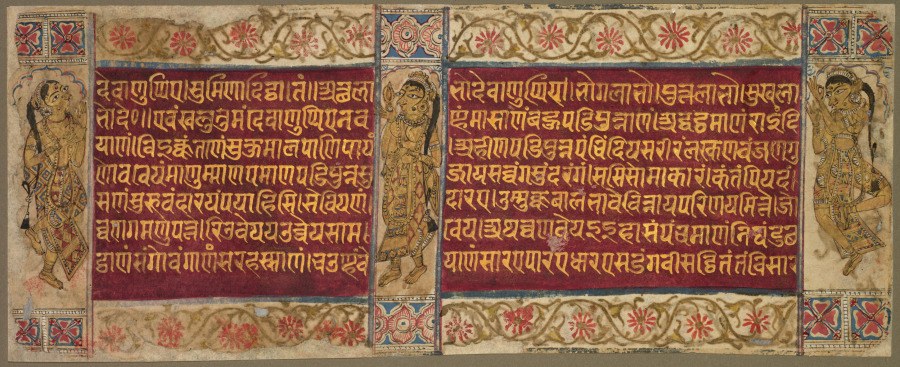
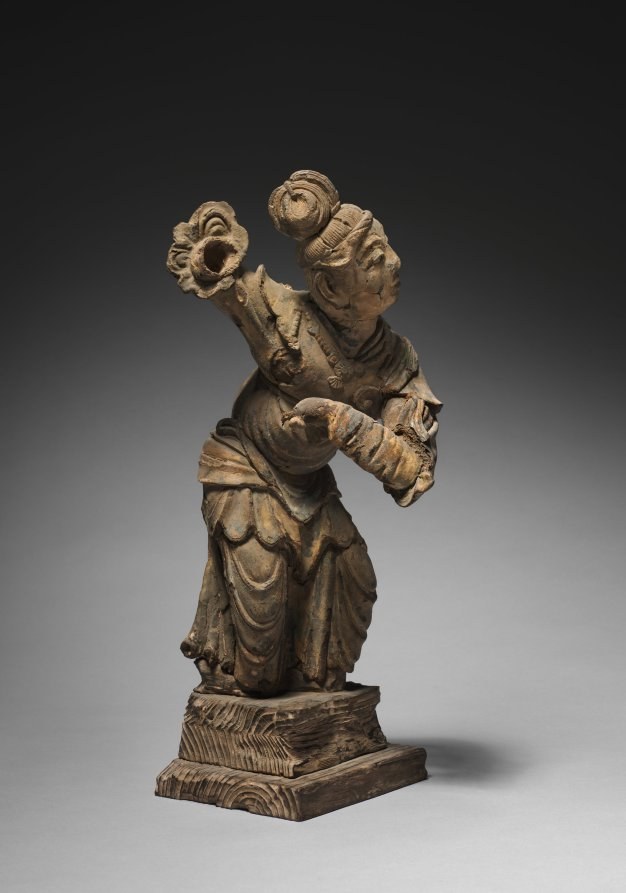
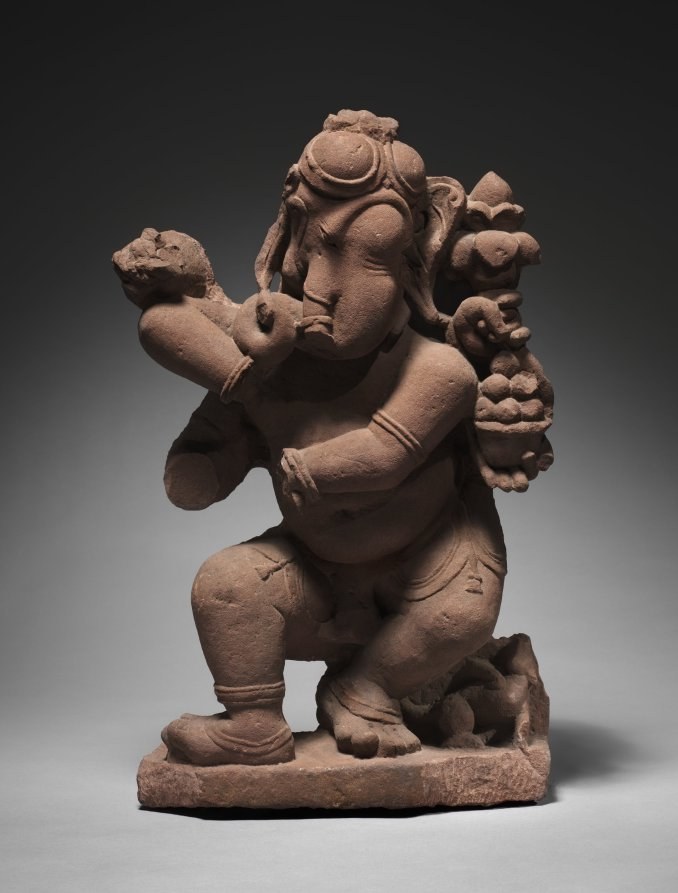
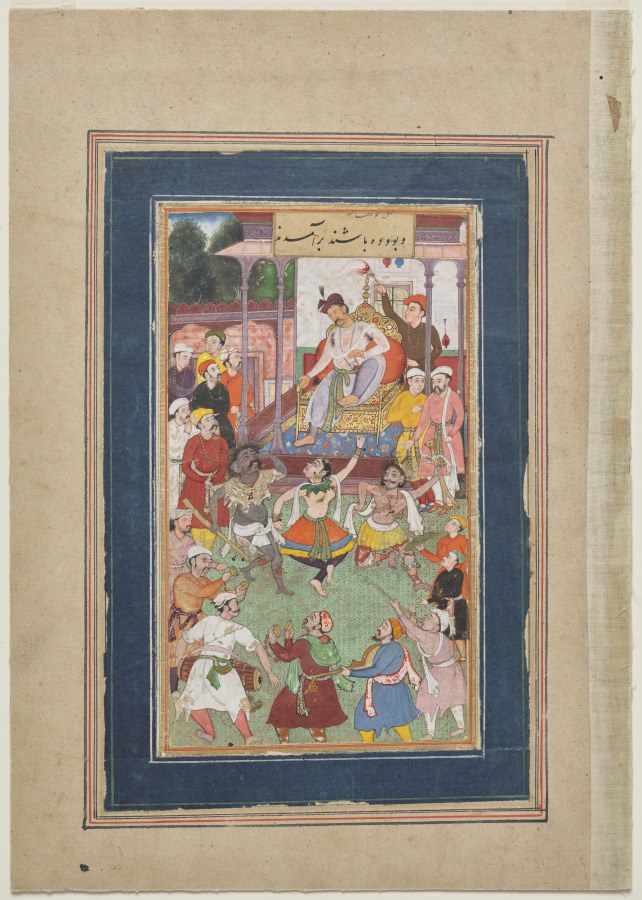
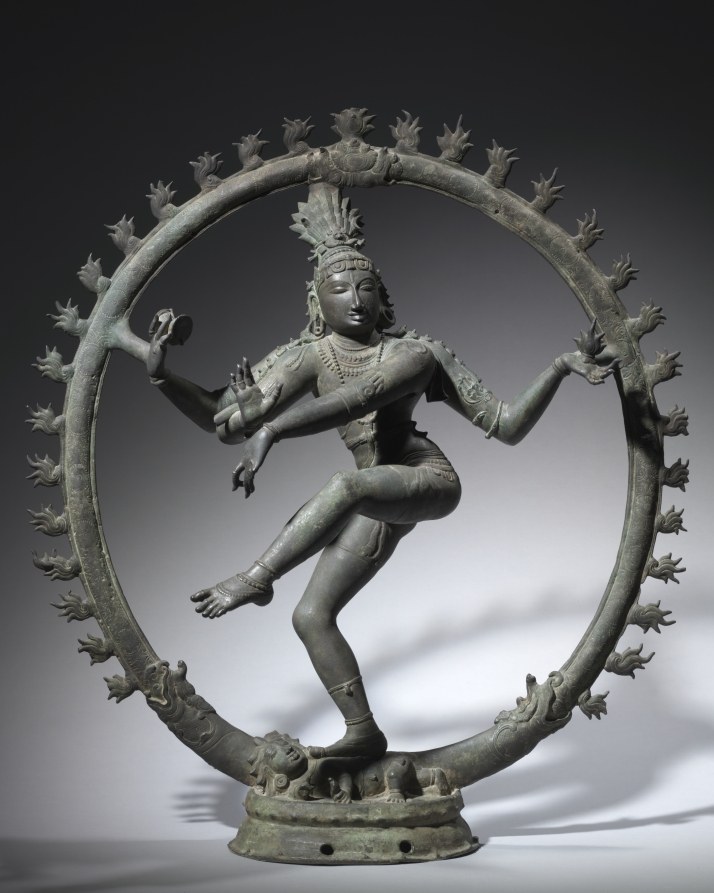
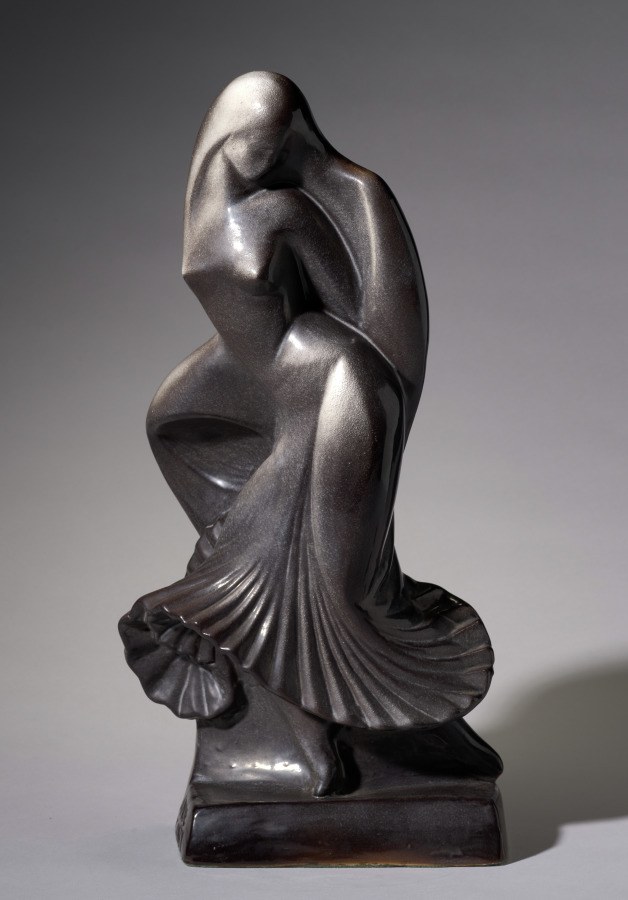
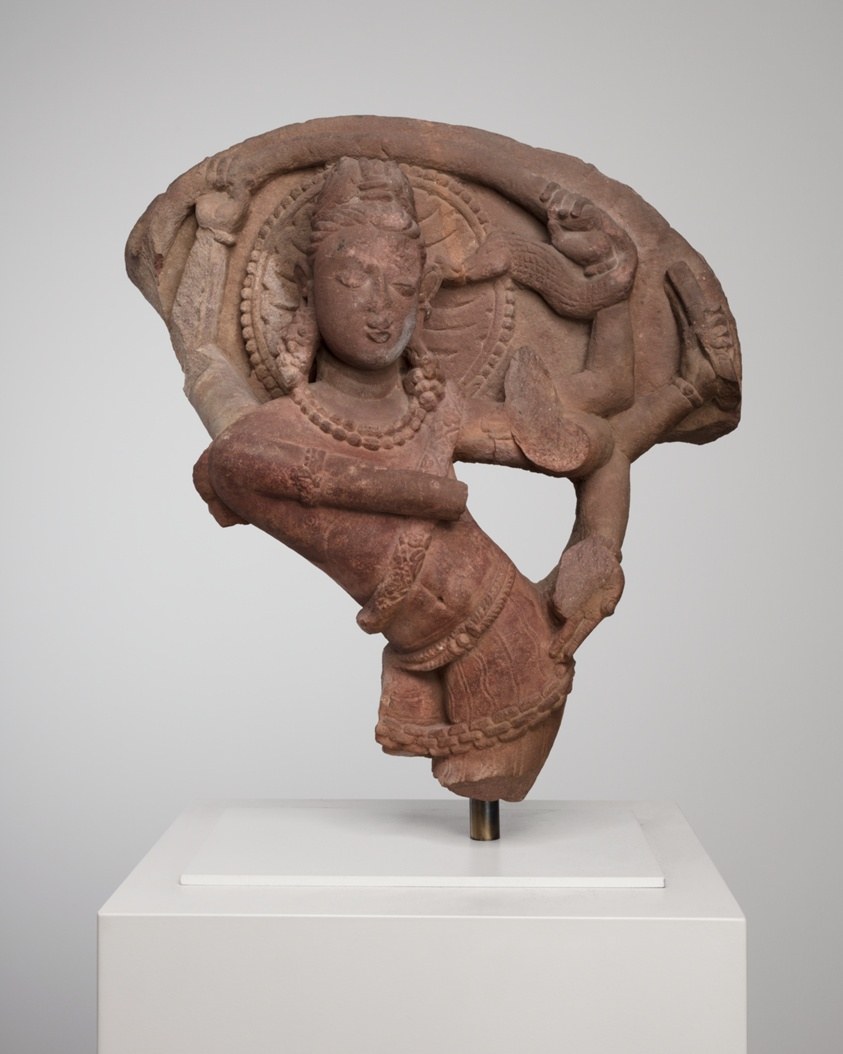
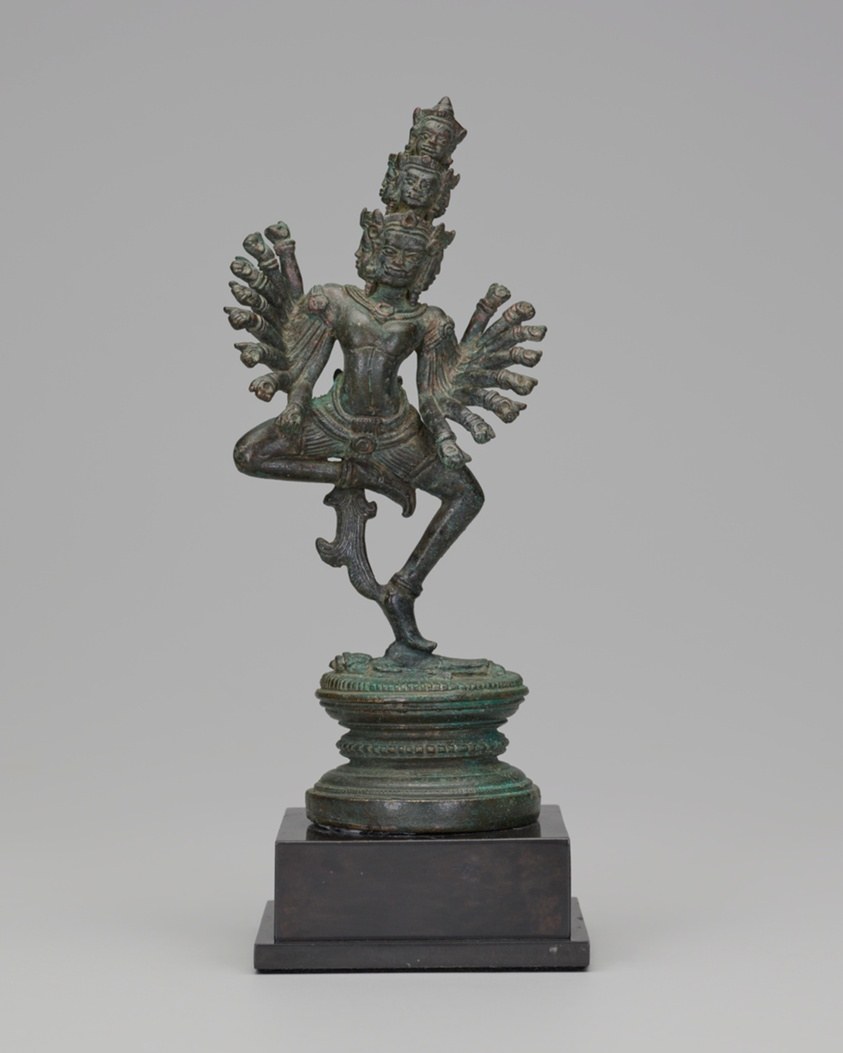
Global South Asian Classical & Folk in art
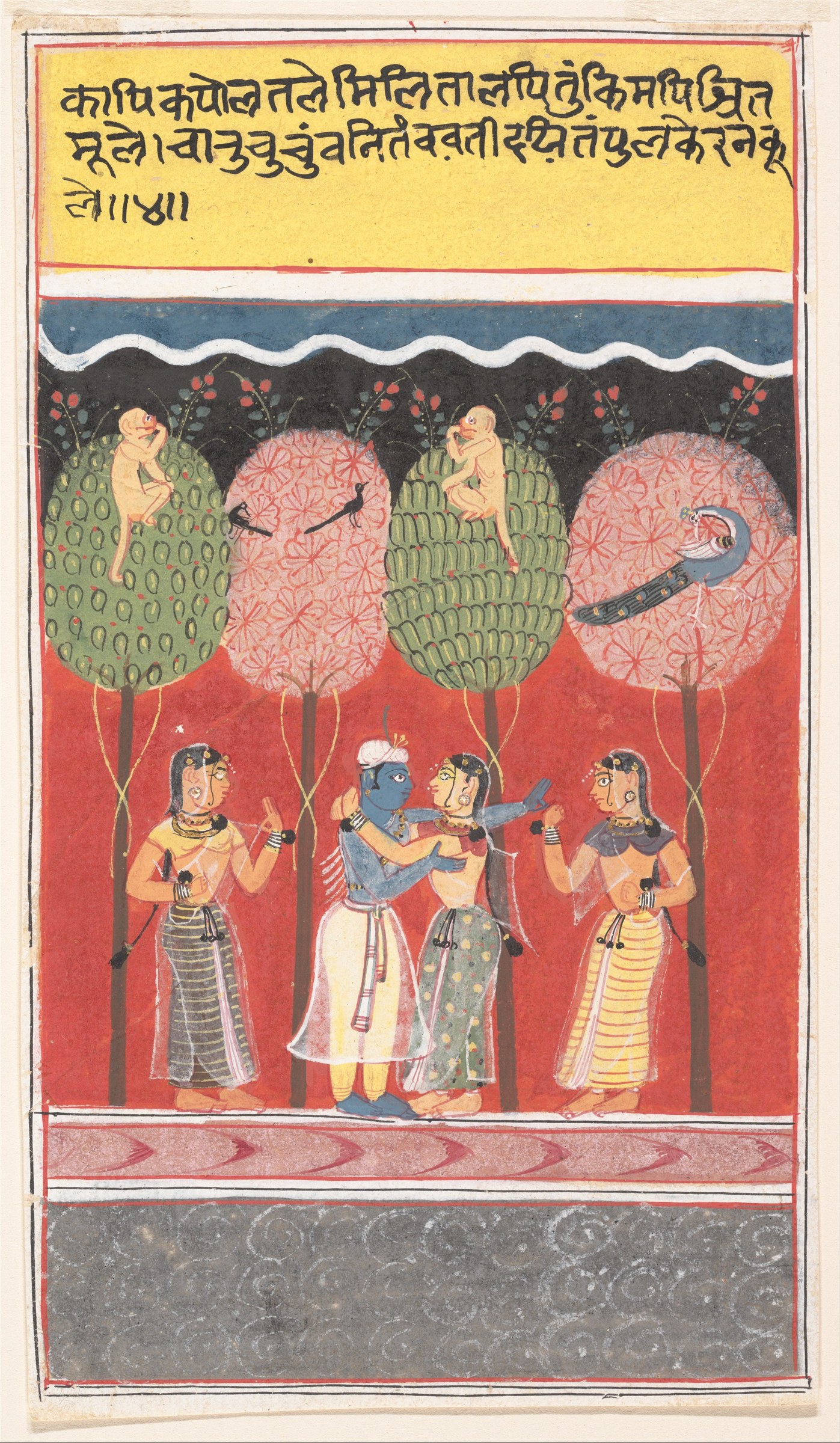
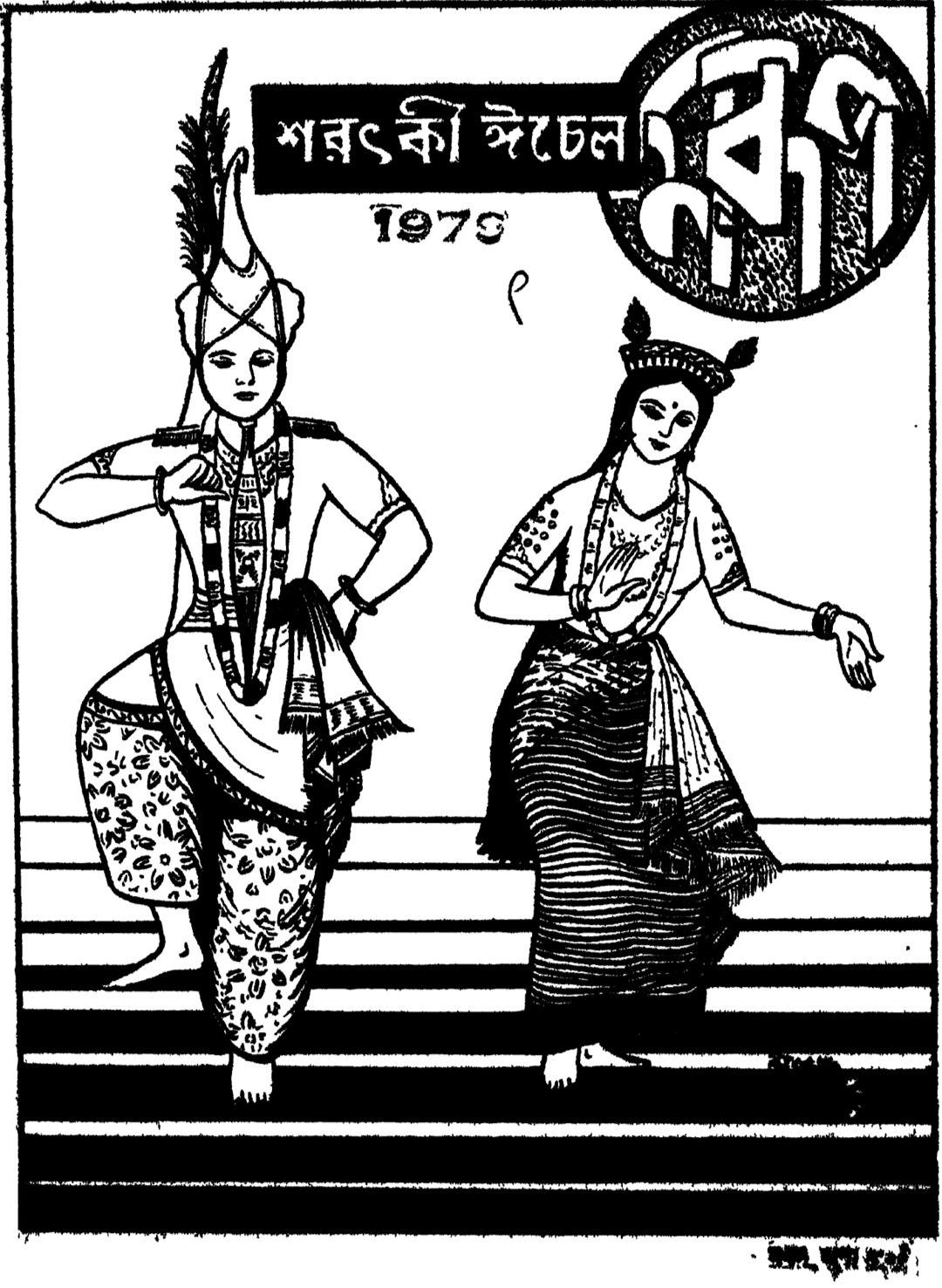
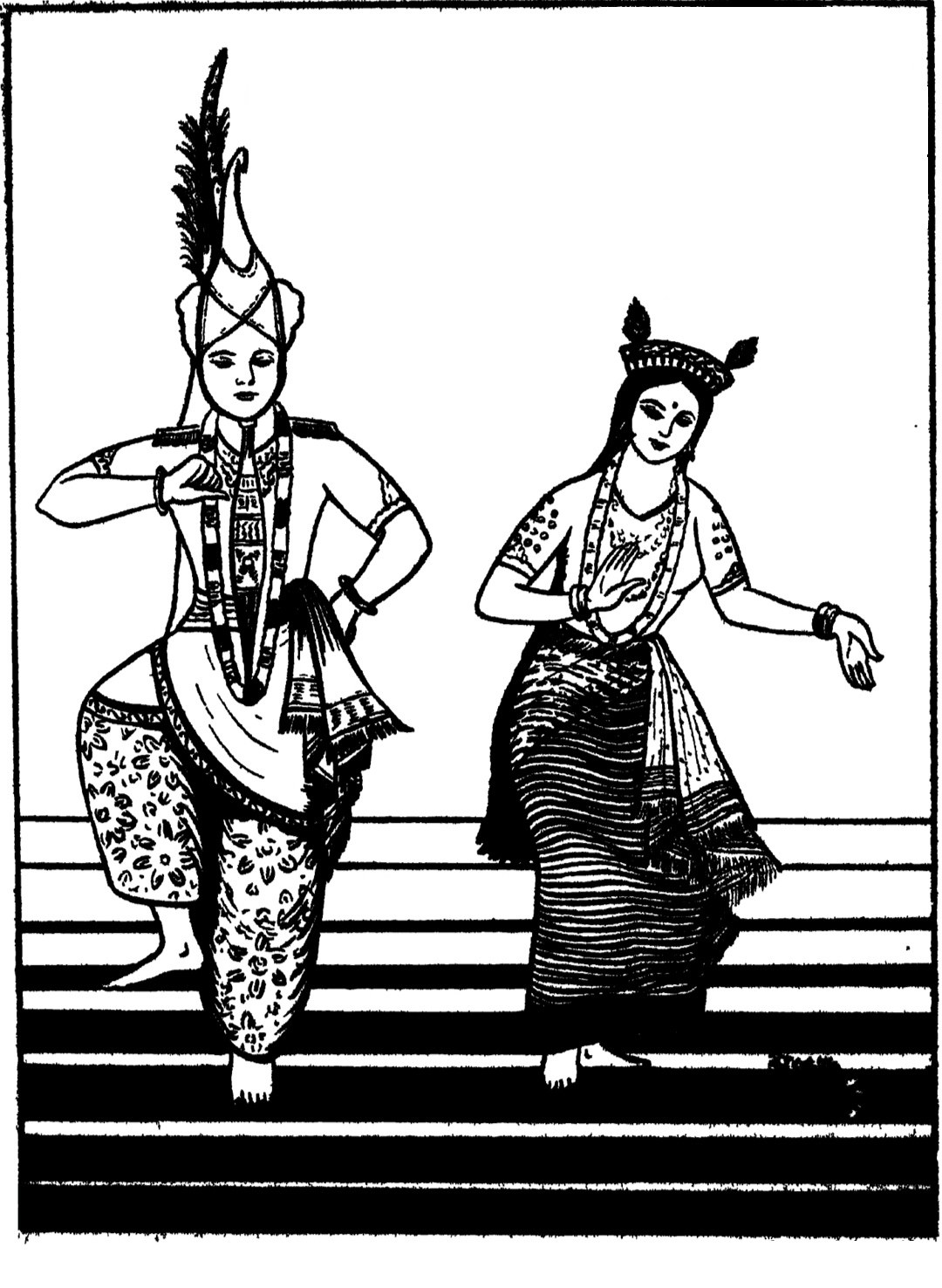
Browse the gallery →Works our catalogue identifies as depicting global south asian classical & folk.
[PICTURES] JHIJHIYA | Folk Dance Of Mithila (Ghar Ghar K Lokgeet)
rohini
https://creativecommons.org/licenses/by-sa/4.0/