Volta
Also known as: Volte, Turning Galliard
History & Cultural Context
The Volta was a leaping, turning couple dance documented in late 16th-century Italy and France. It is treated by period and modern sources as a variant or relative of the galliard, sharing its triple meter and elevated steps. Thoinot Arbeau described it in his Orchesographie (1588), and Italian dance masters Fabritio Caroso (Il Ballarino, 1581; Nobilta di Dame, 1600) and Cesare Negri (Le gratie d'amore, 1602) recorded related courtly repertoire. The defining figure is a turn in which the leader assists the follower's lift, supporting her with one hand at the hip and the other below the busk of her bodice. Contemporary commentators objected to the close hold; Arbeau himself recorded that some considered it "lewd and unchaste." The dance is documented at the French court (often attributed to its introduction under Catherine de Medici, c.1556) and at the English court, where Queen Elizabeth I is reported to have danced it. References to the Volta in dance manuals and contemporary commentary taper off through the first decades of the 17th century.
Sources: Britannica "La volta"; Stanford Social Dance "Late Renaissance Dance"; Wikipedia "Volta (dance)" per Arbeau Orchesographie 1588; Early Music Muse "The scandalous la volta".
Cultural Significance
The Volta is one of the most-discussed dances of the late Renaissance, primarily because of its close partner hold and the lift figure, both of which contemporary moralists criticized. It is documented at French court balls (where it is associated with the introduction of Italian repertoire under Catherine de Medici) and at the English court under Elizabeth I. The frequency of references in dance manuals and contemporary commentary declines through the first half of the 17th century; sources do not attribute that decline to any single cause.
Peak Popularity
Signature Figures
- Lift
- Turn
- Caper
- Greyve
Notable Codifiers
- Fabrizio Caroso
- Cesare Negri
Dance Lineage
Volta Playlists
Curated collections on the LODance YouTube channel — performances to watch, lessons to learn from, and the right music to practice with. Tap a collection to play.
▶ Performances · Open on YouTube →
Volta Music & Tempo
Drawn from 25 Volta tracks in the LODance music library.
Example tracks at practice tempo
- Sellenger's Round — Traditional112 BPM
- The Earl of Oxford's March — William Byrd112 BPM
- Bransle des Chevaux — Traditional108 BPM
- Je Suis Déshéritée — Pierre Cadéac96 BPM
- Canarios — Michael Praetorius120 BPM
- Ronde: Mon Amy — Tielman Susato116 BPM
Who governs Volta
Federations, councils and examining bodies with a recorded role in this style. No single organisation can tell you this — each one knows only itself.
What to Wear
Attire guidance for Volta and other Historic Renaissance Court dances. Each card below is sized to the moment — class, practice, social, or competition — because the wardrobe shifts as the stakes do.
Reading the cards
In Class
Comfortable shoes with low heels, regular practice wear. Some instructors encourage long skirts for women to practice managing fabric.
Social Dancing
Renaissance faires and historical dance balls: period costume expected (gowns, doublets). Academic reconstruction groups range from full costume to smart casual.
Competition
Performance-only; full Renaissance period costume for staged demonstrations.
Shoes
Flat or low-heeled soft shoes. Renaissance dance shoes were essentially soft leather slippers. Modern equivalent: jazz shoes or soft ballet shoes with leather soles.
In Practice
Long skirt practice teaches fabric management; many groups keep one practice skirt available even for participants who normally wear pants.
Price Range
- Budget: Soft ballet shoes or jazz shoes $30–80; long practice skirt $40–100.
- Mid: Reproduction Renaissance footwear $120–250; commissioned period gowns $300–1,000.
- Premium: Hand-stitched reproduction costume $1,500–6,000+.
Quick Tips
- •Suede-soled shoes allow controlled sliding and pivoting — essential for most partner dances.
- •Avoid rubber soles on dance floors; they grip too much and can cause knee injuries.
- •Bring a separate pair of clean shoes for the dance floor to keep it in good condition.
Sources & Further Reading
Where This Dance Is Documented
Thoinot Arbeau – Orchésographie (1589)
An editor's note on where the technique for this dance is actually written down — sometimes a named book, sometimes the fact that no such book exists. A judgement, not a count of what we hold.
Cultural & Historical Context
Volta emerged from Italy/France during the 1560s—1620s. Understanding the cultural roots, musical traditions, and social circumstances of this era enriches appreciation for the dance's characteristics and significance.
Formative Influences
Codifiers & Standardizers:
Fabrizio Caroso, Cesare Negri
Signature Movement Vocabulary:
Lift, Turn, Caper, Greyve
Primary Source Documents
The Library of Dance contains public-domain primary sources for dance history. Copyrighted modern syllabi are indexed with purchase links to their respective copyright owners. Search by dance name or codifier to discover primary source documents.
Last reviewed: September 2026 — This dance profile synthesizes historical research, cultural documentation, and contemporary practice knowledge to provide authoritative context.
Related Dances
More in Historic Renaissance Court
Pavane
The Pavane was a slow, stately processional dance of the Renaissance courts, featuring symmetrical figures and noble bearing. Paired with the galliard in the pavane-galliard suite, it dominated aristocratic dancing from the 1520s through the 17th century.
Galliard
The Galliard was a fast, athletic Renaissance dance featuring high kicks, jumps, and intricate footwork. Typically paired with the Pavane, it provided exciting contrast and showcased individual skill and virtuosity.
Branle
The Branle was a French group dance featuring side-to-side stepping in formations, often performed as a processional or chain. It became a versatile social dance popular across all social classes.
Almain
The Almain was a stately Renaissance couple dance whose name means "German," built on walking and double steps in duple meter. First recorded in the early 16th century, it was danced in courts across Europe through the early 17th century.
Allemande
A grave duple-time couple dance in which a file of couples travels up and down the hall, built on a plain pattern of three steps and a lift, usually with a quicker section at the end. It is one of the simplest social dances of the period, which is precisely why it was danced by everyone in the room rather than only by the trained.
Basse Danse
The stately couple dance of fifteenth-century court life, danced with the feet kept close to the floor, which is what low means here and what distinguished it from the leaping dances that usually followed it. It is the earliest European social dance whose step sequences were recorded in a form that can still be read, so it marks the beginning of the documentary record for social dance.
Historic Renaissance Court in art
Browse the gallery →Works from the wider Historic Renaissance Court tradition — we have not yet identified enough that depict Volta specifically.
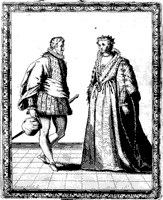
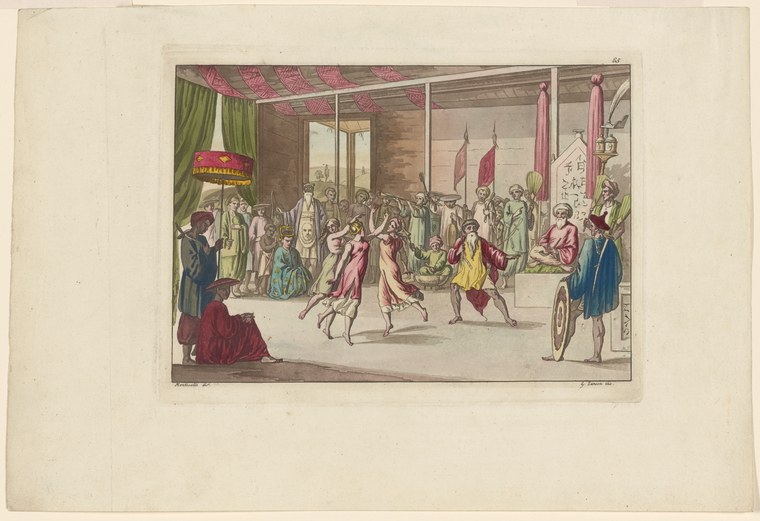
Oriental dance
Unknown artist · 2019
public_domain
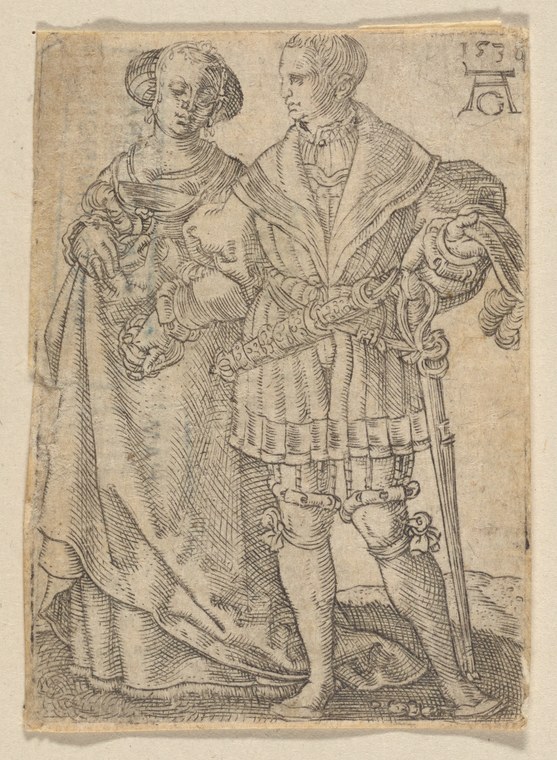
Dancing Couple
Unknown artist
public_domain
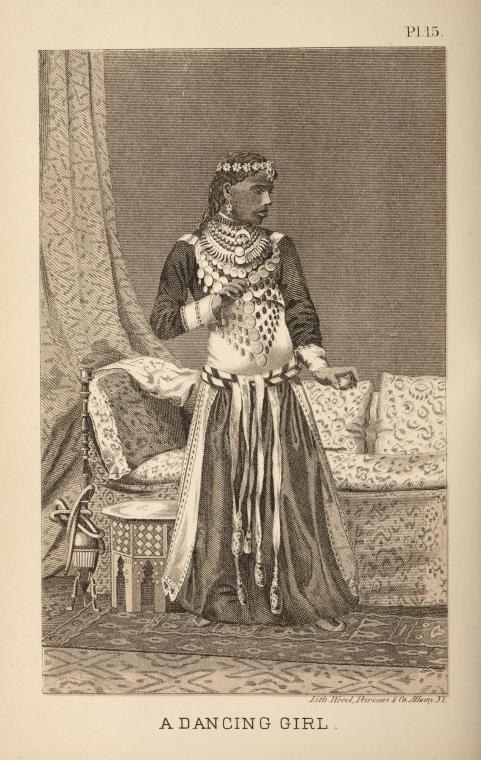
A dancing girl.
Unknown artist · 2018
public_domain
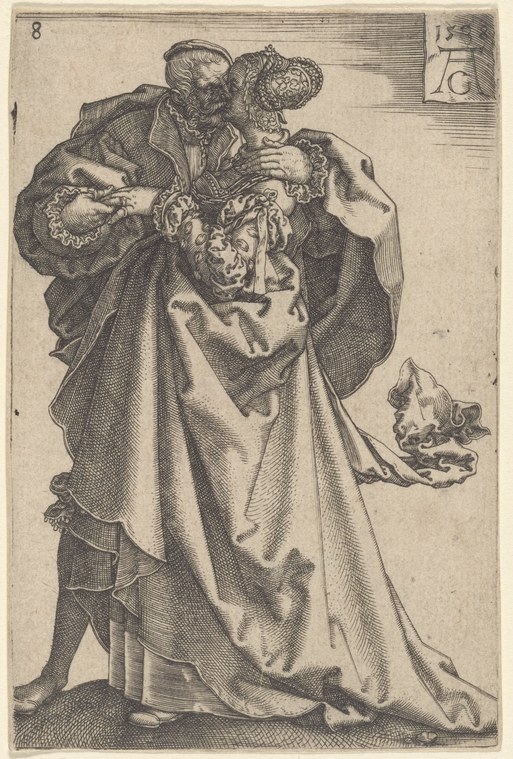
Dancing Couple
Unknown artist · 2015
public_domain
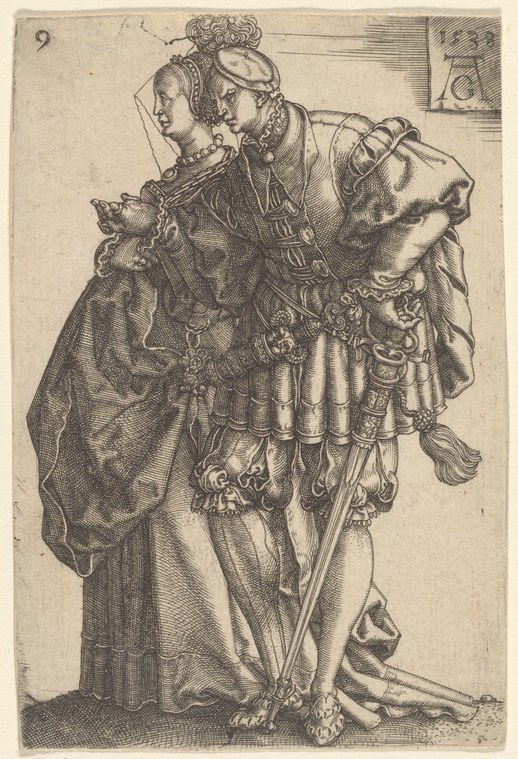
Dancing Couple
Unknown artist · 2015
public_domain
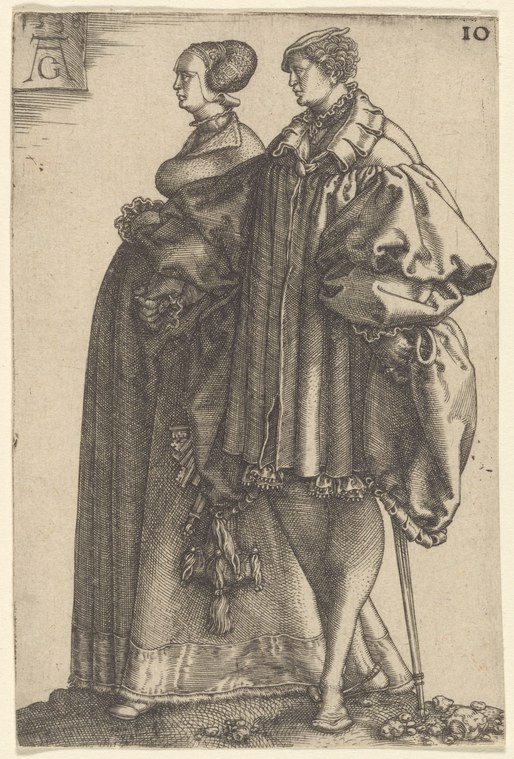
Dancing Couple
Unknown artist · 2015
public_domain
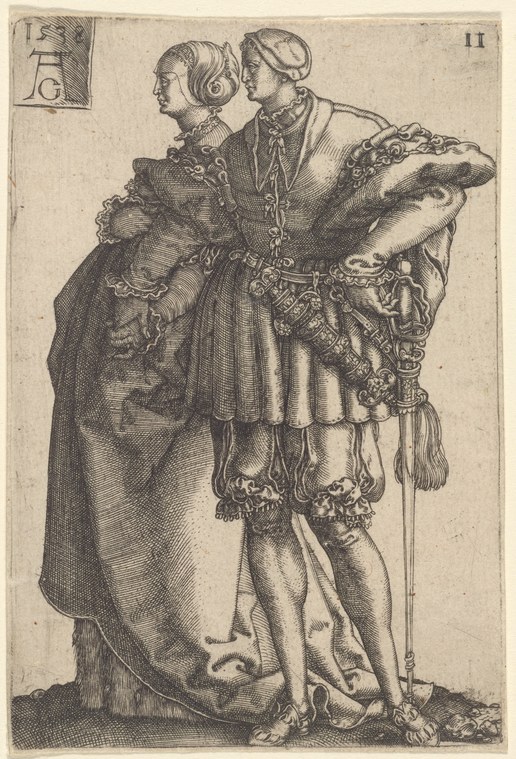
Dancing Couple
Unknown artist · 2015
public_domain
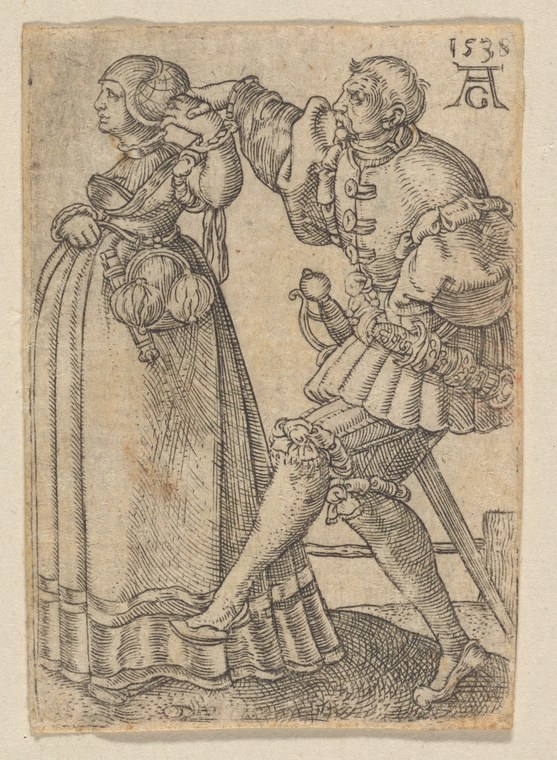
Dancing Couple
Unknown artist · 2015
public_domain
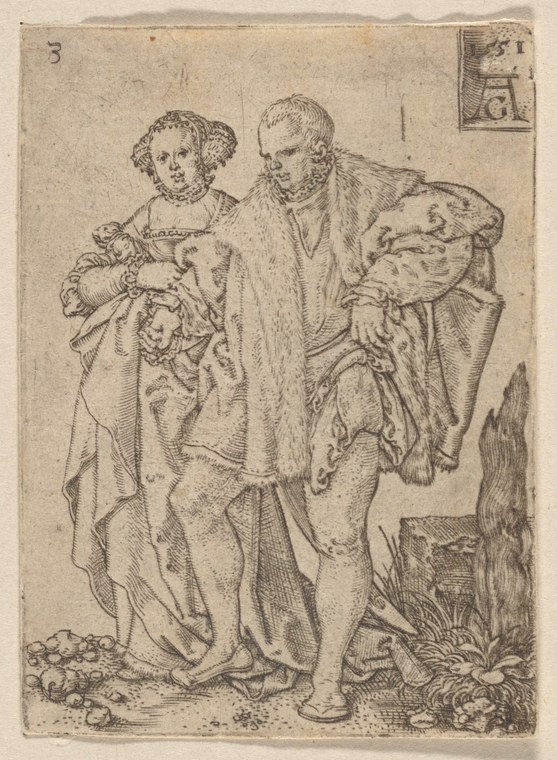
Dancing Couple
Unknown artist · 2015
public_domain
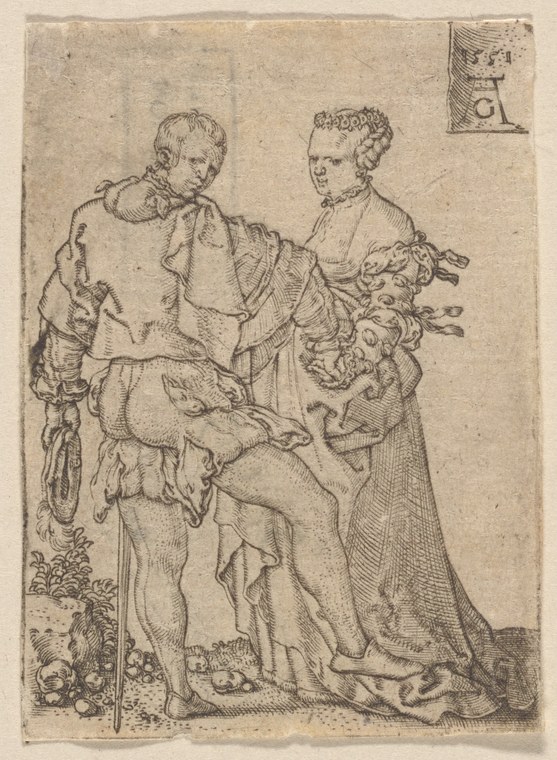
Dancing Couple
Unknown artist · 2015
public_domain
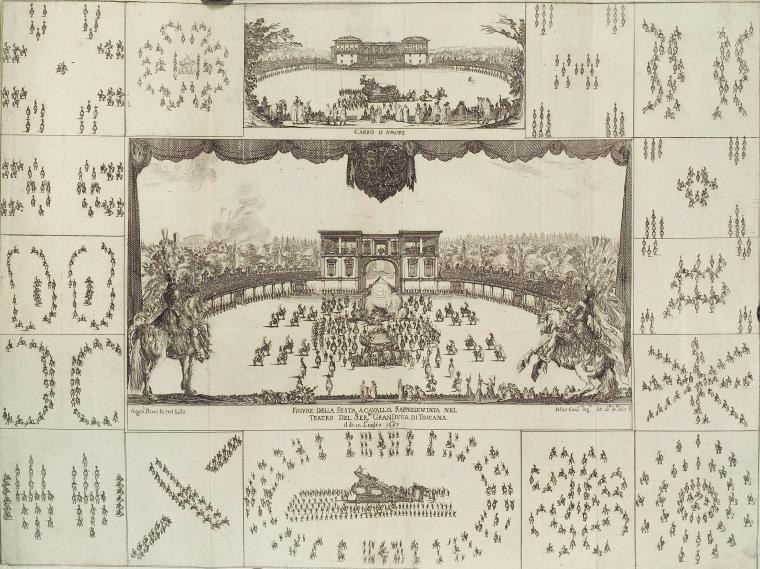
Horse ballet
Unknown artist
public_domain
Continue Exploring
Lineage of Dance
500 years of dance evolution
Champions of Dance
Winners of marquee national & world titles
Language of Dance
161 dance terms & translations
Listening of Dance
Tempo, timing & musicality tools
Gallery of Dance
5,700+ artworks from museum collections
Attire of Dance
Evolution of dance dress across eras
Keep the thread going
Dance history, technique, and the occasional rabbit hole — in your inbox. Thoughtful, infrequent, unsubscribe anytime.
Free. No spam. One click to leave.